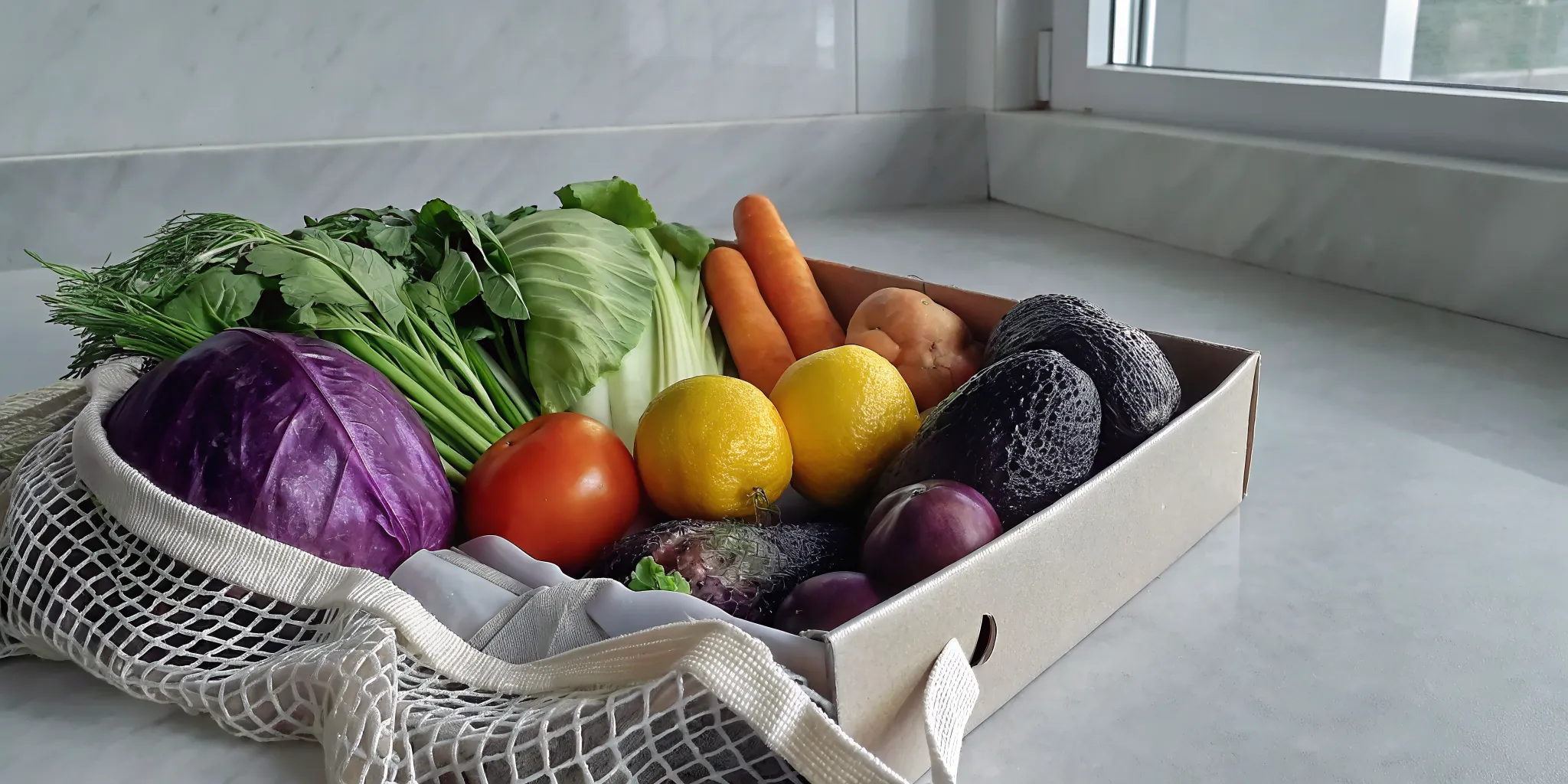
How to Find the Best Local Organic Produce Delivery
Find the best local organic produce delivery for your needs. Get tips on choosing fresh, high-quality groceries from trusted local farms, delivered to your door.


A dependable grocery routine can remove one of the most repetitive parts of the week without taking away your say over what comes home. For GTA households, recurring grocery delivery is most useful when it combines planned weekly convenience with real choice. You can select the groceries you need, review the order, and adapt it as your household changes.
Recurring grocery delivery is a repeat weekly grocery order that saves planning time while allowing you to choose products. Adjust the contents, skip a week, or cancel when needed. Unlike a meal kit, it delivers groceries for your own meals, not fixed recipes or pre-portioned ingredients.
The right service should make the routine feel dependable, not restrictive. Before choosing a provider, it helps to understand how repeat orders work and which controls protect freshness, flexibility, and fit for your household.
Recurring grocery delivery is a planned repeat order that helps make regular shopping more predictable. Instead of starting from an empty cart every week, you keep a routine for the groceries your household uses often, then review the order before it is finalized. The useful version of this model saves planning time without taking away your control.
A recurring grocery order begins with the items you want to receive regularly. Before the next order is processed, you should be able to review what is included, remove items you already have, and add anything needed for the week ahead. That review step matters because household needs change. Travel, leftovers, guests, seasonal foods, and busy nights can all affect what belongs in the next delivery.
Tre'dish uses a customizable weekly grocery delivery model. Customers can select regular grocery items for automatic inclusion, then adjust the order during the available open window. This creates a repeatable routine while leaving room for real life. The goal is not to send the same box regardless of what you need. It is to make the usual shop easier to manage.
That distinction also separates grocery delivery from a fixed meal kit. A meal kit is generally organized around selected recipes and the ingredients portioned for those recipes. Recurring grocery delivery gives you more direct control over the shop itself. You can build a household order around the foods you actually use, rather than choosing from a prescribed menu or receiving ingredients for a set number of meals.
For GTA households, this approach can turn a repeated chore into a more manageable weekly habit. You still make the decisions, but you do not have to rebuild the entire grocery list from scratch each time. A good service should make the repeat order visible and editable, so convenience does not come at the cost of choice.
A recurring grocery service should reduce planning without taking away your control. Before signing up, check whether you can choose the items you use and review the order before it goes through. Adjust the routine when your household changes. A dependable schedule is useful, but only when it fits real life.
Look for a clear review and edit window. You should be able to add or remove products, change quantities, and reconsider the order before delivery rather than receiving a fixed box selected in advance. This matters when family plans shift, guests visit, children are away, or your usual staples are already in the pantry.
Tre'dish uses a customizable weekly ordering model. Customers choose the groceries they want, then can modify the order during the available open window. That makes the service different from a fixed meal plan: you are arranging a grocery shop around your household, not accepting a set of recipes or pre-portioned ingredients.
Flexibility should also cover the weeks when delivery is not useful. A practical recurring grocery service lets you skip a week without treating that change as a failure or forcing you to start over. Check how easy it is to pause around travel, holidays, a full freezer, or a change in your work schedule.
Tre'dish customers can skip weeks and cancel without fees. Those controls are important because a weekly routine should remain optional. The best arrangement gives you the convenience of a dependable reminder while allowing you to decide what happens next.
As you compare options, write down five questions: Can I select individual items? Can I edit the order before it is finalized? Can I respond to household changes? Can I skip a week? Can I cancel without a fee? For GTA households, this guide to grocery delivery for Ontario families offers additional context on fitting delivery into family routines.
Fresh groceries are not just about what you order. They also depend on how items are kept protected from the time they leave the supplier to the moment you bring them into your kitchen. When comparing recurring grocery delivery services, look for clear freshness practices rather than vague promises.
Refrigerated delivery is an important part of the handoff. It helps support the condition of perishable items such as produce, dairy, meat, seafood, and other chilled groceries while they travel to your home. Insulated packaging adds another layer of protection, particularly when an order cannot be brought inside immediately.
Ask how the service handles chilled groceries and what packaging is used for the delivery. Tre'dish uses refrigerated delivery and insulated packaging to support freshness. The packaging approach also matters from a sustainability perspective. You can learn more about eco-friendly grocery delivery packaging and how it fits into a grocery delivery routine.
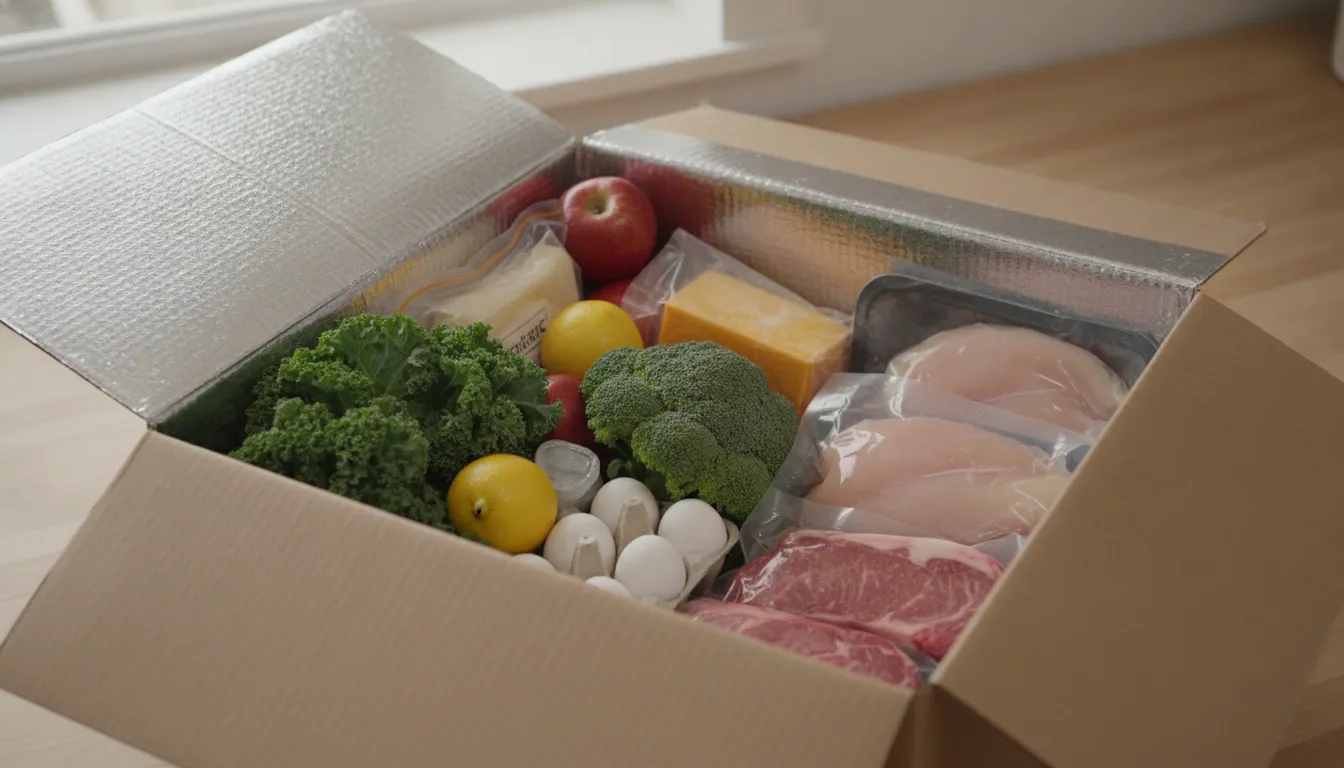
Plan the handoff around your household routine. If possible, choose a time when someone can receive the order and move perishable groceries indoors promptly. Have clear refrigerator and freezer space ready before delivery day. This small step makes it easier to put chilled and frozen items away first. Instead of leaving the full order in its packaging while you sort the pantry items.
It is also worth checking the condition of products as you unpack. Look for packaging that is intact and produce that matches the quality you expect. Store each item according to its label and your normal food-safety practices. If something arrives damaged or does not meet expectations, use the provider's support process and keep the order details available.
A dependable recurring grocery delivery routine should make freshness easier to manage, not require you to accept a fixed box without control. Choose a service that combines appropriate handling with the freedom to select the groceries your household actually uses. That balance helps convenience support quality week after week.
A weekly grocery routine is easier to trust when the food reflects what your household actually wants to eat. Canadian products and relationships with local farms and producers give shoppers more than another way to fill a cart. They create a clearer connection between the groceries arriving at home and the communities, seasons, and producers behind them.
Local sourcing can make repeat shopping feel more intentional. Instead of treating recurring grocery delivery as an automatic box of standard items, shoppers can choose products that fit their preferences while supporting Canadian producers. That matters when quality, freshness, and knowing where food comes from are part of the decision.
For GTA households, Tre'dish brings that perspective into a customizable weekly grocery model. The catalog is designed for a real grocery shop, not a fixed recipe plan. Customers can select the products they need and build a routine around familiar staples, seasonal interests, and the preferences of the people they feed. The result is a repeat order that can stay convenient without becoming repetitive.

Local partnerships can also add useful variety. A household may keep its usual pantry and household essentials while trying different produce, dairy, bakery, meat, or other grocery items when they are available. That balance is important: the routine should save planning time, but it should still leave room for discovery and personal choice.
Tre'dish's focus on Canadian products and partnerships with local farms and producers supports that kind of shopping experience in the GTA. To explore the sourcing story in more detail, read about local farm-to-table grocery delivery.
The practical test is simple. Does the service help you get dependable weekly groceries while keeping enough control to change what lands at your door? When the answer is yes, local sourcing becomes part of a stronger recurring grocery delivery habit, not a marketing detail that sits apart from everyday shopping.
Recurring grocery delivery is most useful when it solves a repeated problem without taking away the shopper's judgment. The right fit depends on how often your household shops, how much variety you need, and whether you want to review each order before it arrives. Tre'dish serves households in the Greater Toronto Area with a customizable weekly grocery model and choices across produce, meat, seafood, dairy, bakery, frozen, pantry, and household products.
Busy households benefit when a dependable weekly routine replaces repeated planning and store visits, while still leaving room to adjust the order. Professionals may value the time saved after work. Quality-conscious shoppers can use the routine to keep preferred groceries on hand. Households that want maximum control should look for a service that lets them choose individual items rather than sending fixed meals or an unchangeable box.
| Household need | What to prioritize | Why recurring delivery may fit |
|---|---|---|
| Busy families. | A broad grocery selection, dependable weekly planning, and the ability to adapt the shop. | One routine can cover everyday groceries while reducing the pressure of fitting another store trip into a crowded week. |
| Professionals with limited time. | Simple ordering, repeatable essentials, and delivery that supports a predictable routine. | It can make grocery planning easier to manage around work, commuting, and changing schedules. |
| Quality-conscious shoppers. | Freshness practices, Canadian products, and clear product choice. | A recurring routine does not have to mean settling for generic or fixed contents. Shoppers can build a list around the products they prefer. |
| Households that want maximum control. | Item-level customization, order changes, skips, and cancellation options. | The convenience is more sustainable when the household can respond to travel, guests, dietary changes, or a week with different needs. |
The key distinction is control. A household that wants full flexibility should avoid any service that treats recurring delivery as a fixed box. Tre'dish's weekly model is designed around customizable groceries, so the routine can support different household sizes and shopping habits instead of prescribing meals. For more detail on the family use case, see grocery delivery for Ontario families.
Before choosing, consider your normal week rather than an unusually organized one. If delivery helps you keep useful staples available while giving you a chance to change the order, recurring grocery delivery may be a practical fit. If you prefer to decide everything at the last minute, a less structured grocery option may suit you better.
The right service should make weekly shopping easier without taking away the choices that make a household's grocery routine work. Before signing up, look beyond the promise of convenience. Check whether the service covers your address, carries the foods you actually buy, gives you control over each order, and handles groceries in a way that supports freshness. A useful option should fit your real week, not force your household into a fixed menu or rigid schedule.
Use this checklist to compare recurring grocery delivery options on practical details rather than broad marketing claims:
For GTA households, Tre'dish is designed around customizable weekly grocery delivery rather than fixed meals. Customers can select groceries across their routine, including fresh and pantry staples, while keeping the ability to adjust the order as their needs change. That distinction matters. The best recurring service is not the one that removes every decision, but the one that removes repetitive work while leaving the important decisions with you.
Once you know the model fits your household, you can explore a grocery service that keeps the weekly routine flexible. Tre'dish lets GTA shoppers choose the groceries they want, review or modify the order, and skip weeks when needed.
You choose the groceries your household needs, then receive a customizable order on a weekly schedule. Tre'dish is a grocery service, not a meal kit, so you select everyday items rather than receiving fixed recipes or pre-portioned ingredients.
Yes. You can choose your items, modify an order during the available order window, skip a week, or cancel without fees. That flexibility lets your grocery routine adjust when your plans or household needs change.
Tre'dish uses refrigerated delivery and insulated packaging to support freshness from delivery through handoff. After receiving an order, store each item according to its food-storage needs and refrigerate perishable groceries promptly.
Tre'dish's confirmed primary service area is the Greater Toronto Area in Ontario. Check whether your address is eligible before planning a recurring routine, since coverage should not be assumed across all of Ontario.
No. The model is designed for a dependable weekly routine without locking you into identical orders. You can customize what arrives, skip weeks when needed, and cancel without fees, so recurring delivery can remain flexible as your schedule changes.
For GTA households, Tre'dish makes weekly grocery delivery easier to fit around real life. Choose the Canadian products and fresh groceries your household needs, then adjust or skip a week when plans change. The customizable model gives you dependable convenience without giving up control. To get started, use Tre'dish for your next grocery order.