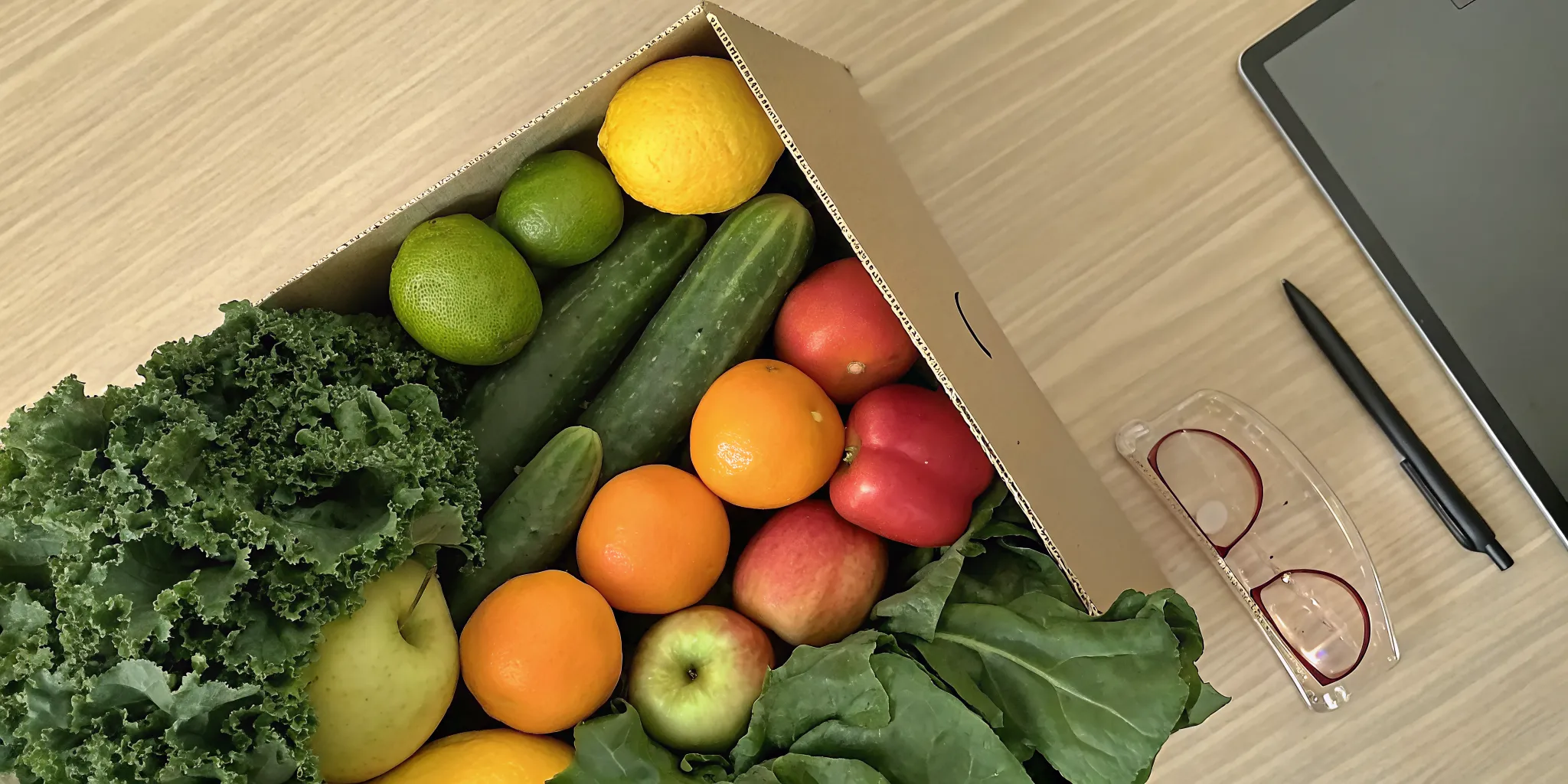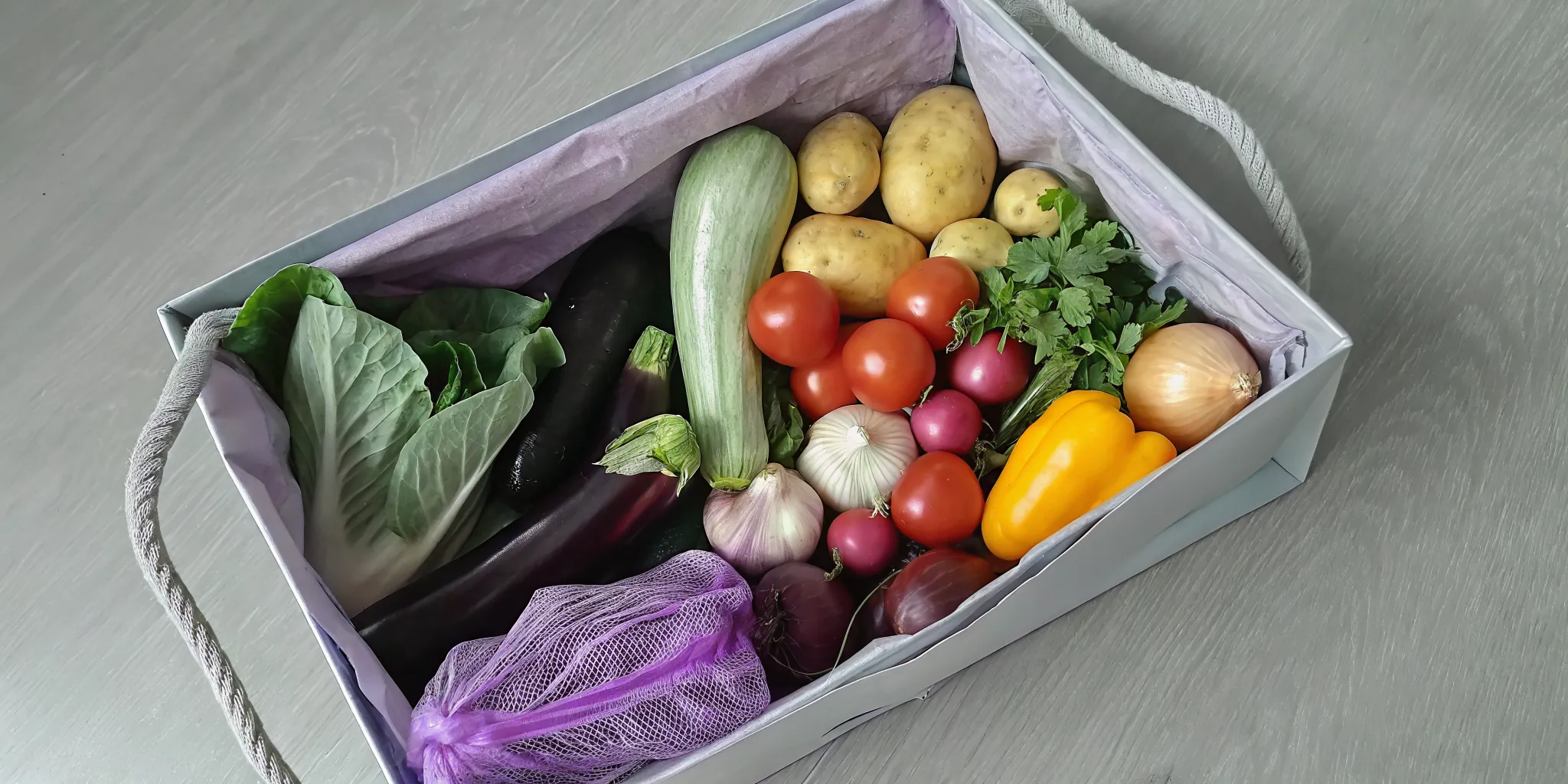
CSA Produce Box 101: Everything You Need to Know
A CSA produce box delivers fresh, local farm produce to your door. Learn how it works, what’s inside, and tips for making the most of your subscription.


Ordering groceries online can save a trip, but convenience is only part of the decision. The right service should also make it easy to find quality products, understand what you are buying. And receive groceries in a condition you would be happy to put away.
Grocery store online shopping includes more than adding items to a digital cart. Compare product range, freshness practices, local sourcing, delivery options, flexibility, and clear product information before choosing a service. For GTA shoppers, Tre'dish combines Canadian and locally sourced groceries with customizable weekly delivery. So you can build a routine around your household rather than accept a fixed box.
That broader view helps separate a useful weekly grocery service from a basic online catalogue. Start by looking at what each option includes, how it handles freshness, and whether the ordering process gives you enough control.
Grocery store online shopping is more than adding a few pantry staples to a digital cart. It lets you browse a grocery catalogue, choose products and quantities, select how you will receive the order, and manage the shop from home. The right service can cover a full weekly shop, a smaller top-up, or recurring deliveries that reduce the need for last-minute store trips.
You can generally expect a searchable or category-based catalogue, product details, checkout, and either pickup or delivery. The exact experience depends on the service. A supermarket may let you reserve a pickup time, where staff prepare your order for collection. A delivery marketplace may use a personal shopper to select items from a nearby store. Some services focus on fast, smaller baskets, while others are designed for a complete weekly shop.
Curated grocery services take a different approach. Instead of simply reproducing one physical store's shelves, they may bring together a selected range of produce. Meat, seafood, dairy, bakery items, frozen foods, pantry staples, specialty products, and household essentials. The goal is to make regular grocery ordering feel more deliberate and dependable, rather than leaving shoppers to make another rushed trip.
Pickup can work well if you already have a reliable route and want to collect groceries at a scheduled time. Delivery is useful when carrying a large shop is inconvenient, when work or family commitments fill the day, or when you want groceries brought directly to your home. For either option, check the service area, ordering window, substitution policy, and how chilled or frozen items are handled.
Tre'dish is built around customizable weekly grocery deliveries in the Greater Toronto Area. Its catalogue includes more than 2,000 products across more than 30 categories, including produce, meat, seafood, dairy, bakery, frozen foods, pantry staples, specialty items, and household products. Shoppers can browse the catalogue before creating an account, then choose products and adjust quantities during the ordering window. This makes the experience closer to planning a flexible weekly shop than ordering a fixed meal kit.
When comparing grocery store online shopping options, look beyond delivery speed. Consider whether the range fits your household, whether the service supports the way you plan meals, and whether you can change your order when the week changes. A convenient catalogue is helpful, but flexibility and clear product information are what make online grocery shopping practical over time.
Online grocery shopping should not mean guessing how food was handled before it reached your door. When you compare services, look beyond product photos and delivery windows. Ask how groceries move through the supply chain, how perishables are protected in transit, and what happens when an order arrives in poor condition.
A warehouse-based model can reduce unnecessary handling steps between fulfillment and delivery. Tre'dish uses a streamlined warehouse supply chain intended to support freshness, with refrigerated deliveries, insulated boxes, and ice packs. Those details matter because the cold chain is part of product quality. Fresh produce, dairy, meat, seafood, and frozen items need different kinds of protection, but all depend on careful temperature control.
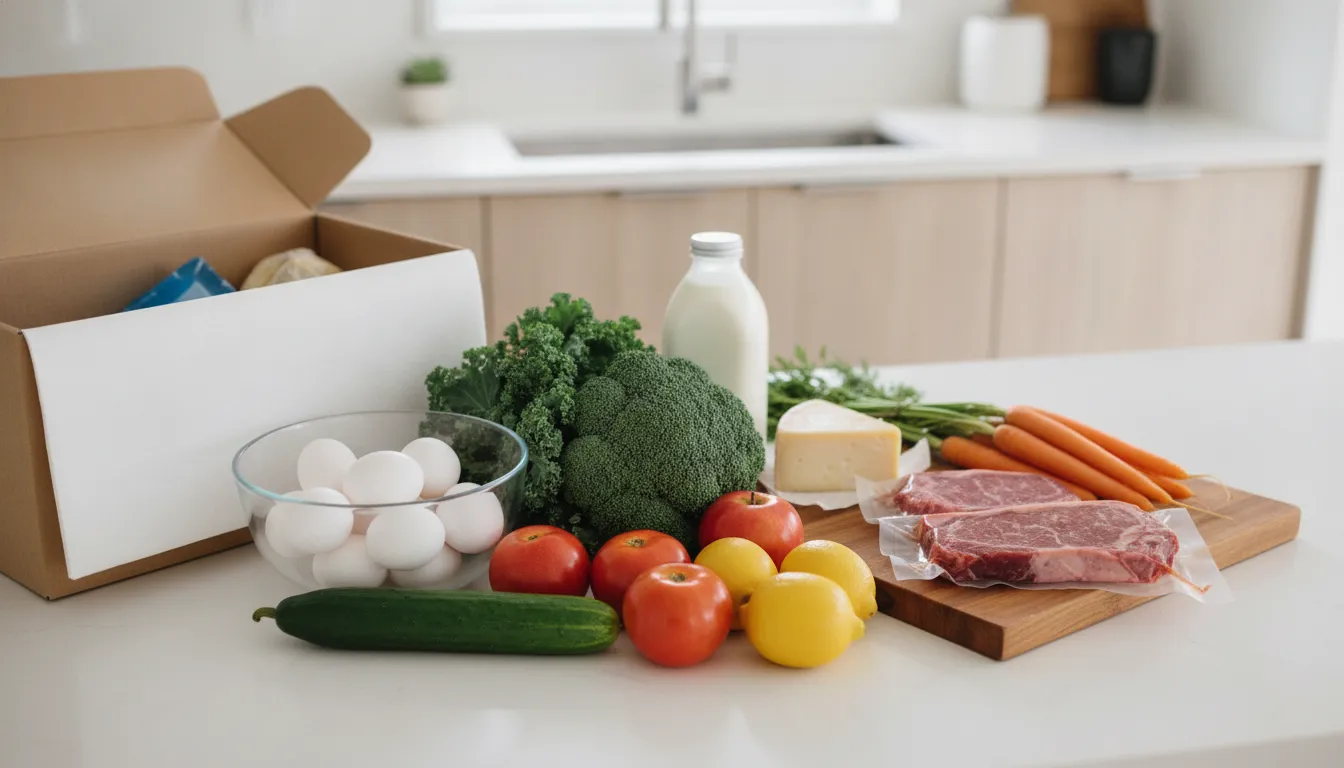
Start with practical questions. Does the service use insulated packaging and frozen gel packs? How does it respond if an item arrives warm or otherwise unsafe? Can you arrange delivery for a time when someone will be home? FoodSafety.gov recommends researching a delivery company and asking about its food-safety practices before ordering. It also advises asking how the company handles food delivered at an unsafe temperature. FoodSafety.gov's food delivery safety guidance is a useful reference when comparing providers.
Plan to receive perishable groceries when they can be moved quickly into a refrigerator or freezer. If an unattended delivery is unavoidable, the location should be cool, shaded, secure, and protected from pests. Insulated packaging can help keep food cold during transit, but it does not replace prompt storage once the order arrives.
Make an arrival check part of your routine. Confirm that chilled food feels as cold as refrigerator temperature and that frozen items are still frozen or show ice crystals. Inspect packaging for damage or leaks, and look for instructions such as "Keep Refrigerated" or "Keep Frozen." If something seems unsafe. Separate it from the rest of the order and contact the provider using its stated process.
At home, follow the basic food-safety sequence: clean your hands and surfaces, separate raw foods from ready-to-eat items, cook foods properly, and chill perishables promptly. These checks give you a clearer way to judge freshness than relying on a delivery promise alone. A service that explains its packaging, handling, and support process is easier to trust for a regular weekly grocery routine.
The best online grocery routine gives you structure without taking away choice. You should be able to look through the catalog before committing, decide what fits your household, and adjust the order when your week changes. That matters whether you are planning for a family, managing a busy work schedule, or simply trying to avoid another last-minute trip to the store.
Start by browsing the catalog before creating an account. This lets you see whether the service carries the types of groceries you actually use, rather than asking you to sign up before you understand the selection. Clear categories also make the process easier to scan. You can move between produce, meat, seafood, dairy, bakery, frozen foods, pantry staples, specialty items, and household products without rebuilding your list from scratch.
Once you are ready to order, flexibility should continue through the ordering window. Choose the products that suit your household, then adjust quantities or selections as needed. A weekly delivery can be a helpful default, but it should not lock you into the same box or the same list every time. Your needs may change when guests visit, school schedules shift, or you have more groceries than expected after the previous week.
Tre'dish is designed around that kind of customizable weekly routine. Customers can skip a week, modify an order, or cancel without fees. There are no subscription fees, and customers pay for the products they choose. That makes the recurring schedule a convenience feature, not an obligation. It can help you stay ahead of the weekly grocery run while leaving room for real life.
For a closer look at the ordering process and the choices available along the way, read how Tre'dish grocery delivery works.
A useful grocery store online shopping service should also make decisions visible. Product images, category navigation, and clear unit information help you compare options before adding them to your order. You can spend less time searching and more time deciding what your household will genuinely use.
The result is not a rigid meal plan or a preset box. It is a repeatable starting point that you can personalize week by week. That balance is what turns online ordering from a one-time convenience into a grocery routine you can keep using.
When you compare online grocery services, sourcing tells you more than where a product was packed. It can show whether a service has meaningful relationships with producers. How much attention it gives to product quality, and whether your weekly shop supports the communities around you.
Tre'dish works with more than 200 local Ontario farmers and producers, bringing those relationships into a grocery service designed for the Greater Toronto Area. That does not mean every item is locally produced. It means shoppers can find a broader mix of Canadian and locally sourced products alongside everyday grocery essentials. Without having to make separate trips to multiple stores or markets.
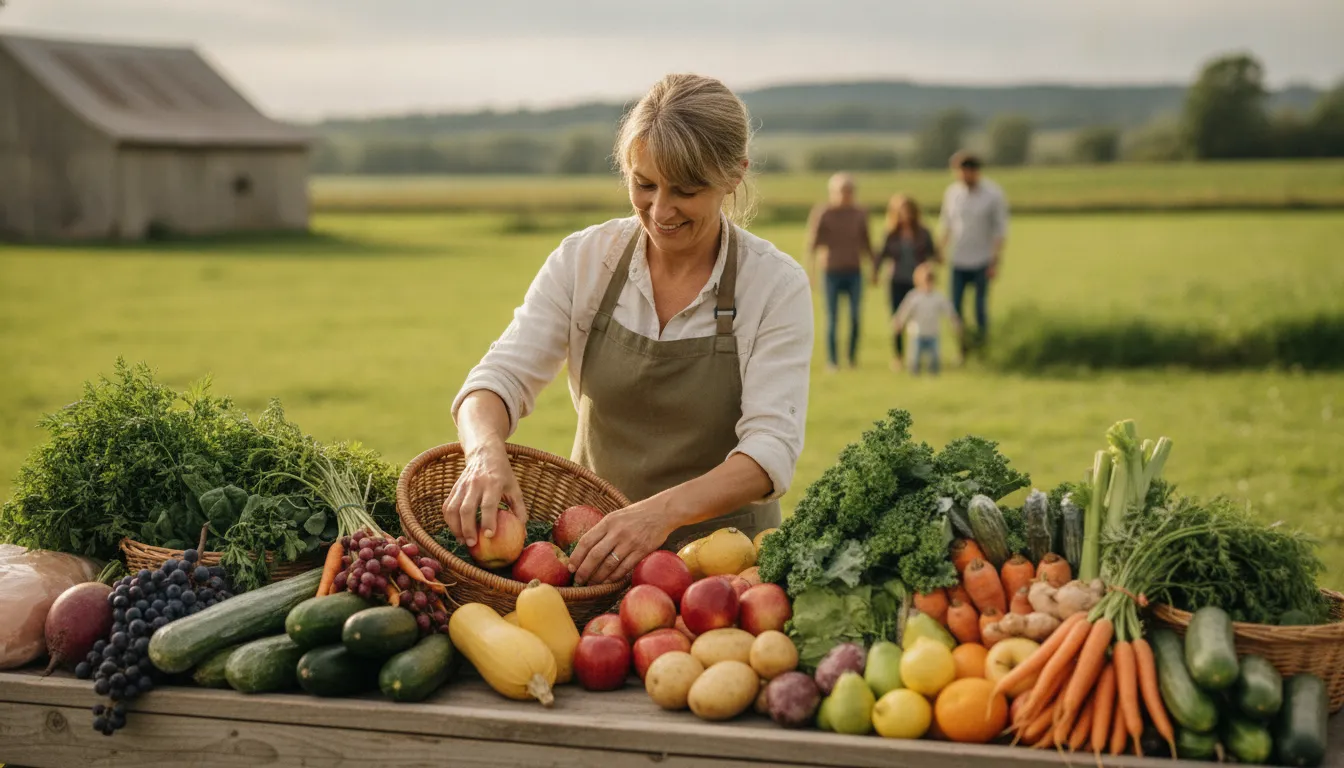
Canadian products are identified with a Canadian marker on the Tre'dish platform. That simple signal helps shoppers make a more informed choice while browsing, especially when supporting Canadian producers is part of their household priorities. It also makes sourcing easier to evaluate than a vague promise that a service is local.
Local sourcing can support quality in practical ways. Strong producer relationships give a grocery service better visibility into the products it offers and help shoppers discover seasonal, specialty, and farm-connected foods. For customers who care about freshness, the value is not just the origin story. It is the opportunity to choose food that fits their standards while getting the convenience of farm-fresh groceries delivered.
This approach also keeps the community impact of a grocery order in view. Tre'dish donates 1% of every purchase to Feed Ontario, supporting access to fresh food. The contribution is built into the purchase rather than requiring shoppers to organize a separate donation, so an ordinary weekly order can support a broader food-access effort.
Sourcing information can also make online decisions feel more deliberate. In a physical store, you may notice a farm name, producer story, or Canadian label while walking the aisles. Online, those signals need to be visible in the catalog. A clear marker lets you compare options without opening several tabs or guessing what a broad regional claim means.
That clarity matters for households balancing several priorities at once. You may want Canadian-made pantry products, Ontario produce when available, and dependable delivery, while still keeping the weekly shop convenient. Local sourcing does not remove the need to check freshness, packaging, or service area. It adds another useful lens for deciding whether a grocery service reflects the way you want to shop.
For shoppers researching grocery store online shopping, these details are worth checking alongside product range and delivery practices. Look for clear Canadian product identification, specific information about producer relationships, and a community commitment you can understand. Local sourcing should be backed by useful details, not just used as a marketing label.
Online grocery services can look similar until you compare how they work behind the scenes and how well they fit your week. A useful comparison goes beyond a large catalogue or a convenient delivery promise. Look at the full experience: what you can buy, how food is handled, how much control you have. What information is visible, where the service delivers, and whether its operating choices reflect your values.
Start with the criteria below. The right choice depends on your household, but a service should make its policies and everyday process easy to understand before you place an order.
| Criteria | What to compare | How Tre'dish fits |
|---|---|---|
| Product range | Can you complete a regular shop in one place, including fresh food, pantry staples, and household essentials? | More than 2,000 products across over 30 categories, including produce, meat, seafood, dairy, bakery, frozen, pantry, specialty, and household items. |
| Freshness | How are orders handled, packed, and kept cold before they reach your door? | A warehouse-based supply chain is designed to reduce handling steps. Deliveries use refrigerated service, insulated boxes, and ice packs. |
| Flexibility | Can you change quantities, skip a week, or stop service when your routine changes? | Customers can customize selections, modify orders, skip weeks, and cancel without fees. There is no subscription fee; you pay for the products you order. |
| Transparency | Are product details, unit pricing, categories, and ordering requirements clear before checkout? | Shoppers can browse before creating an account. The platform provides product images, unit pricing, category navigation, and savings information. |
| Service area | Does the delivery area cover your address, and are delivery expectations stated clearly? | Tre'dish currently serves the Greater Toronto Area in Ontario. Check your address before building your regular routine. |
| Sustainability | Does the service explain its packaging, sourcing, waste reduction, or community commitments? | Tre'dish works with local and Canadian producers, repurposes unused partner boxes, and donates 1% of every purchase to Feed Ontario. |
Traditional supermarket delivery and services such as Voila by Sobeys may suit shoppers who want a familiar store catalogue. A different service model may be a better fit if you want a curated selection, recurring weekly planning, and more control over skips and changes. Compare the details rather than assuming every online grocery option works the same way.
For Tre'dish shoppers in the GTA, the practical test is simple: can you find the products your household needs. Understand the order terms, and adjust the delivery around real life? If the answer is yes, grocery store online shopping can become a dependable weekly routine instead of another task to manage.
A reliable routine makes grocery store online shopping feel less like another task to remember and more like a simple part of the week. The goal is not to place the same order forever. It is to create a repeatable check-in that keeps your kitchen stocked while leaving room for changing schedules, preferences, and meals.
Choose one planning time that fits your household, such as a quieter evening or the start of the weekend. Then use the same five-step process each week. You can browse categories, compare products, and adjust quantities from home rather than rebuilding your list during repeated store visits.
This approach works whether you are trying online grocery shopping for the first time or improving an existing habit. For a closer look at the ordering process, read how to order groceries online in Ontario. If you prefer fewer repeated shopping trips, you can also put groceries on autopilot while still reviewing and adjusting each week.
Tre'dish is designed for flexible weekly grocery delivery in the Greater Toronto Area. The routine should support your life, not dictate it, so use recurring orders as a starting point and make changes whenever your household needs something different.
Compare the factors that affect your weekly routine: product range, freshness practices, delivery area, order flexibility, clear unit pricing, and the quality of customer support. The best fit is the service that makes it easy to buy the groceries you actually use without adding rigid commitments.
Some grocery services let you browse their catalog before signing up. Tre'dish lets shoppers review available products first, then create an account when they are ready to order. You can choose products and adjust quantities during the ordering window.
Check whether the service uses refrigerated delivery or insulated packaging with ice packs, and plan to refrigerate perishable food promptly after arrival. Tre'dish uses refrigerated deliveries with insulated boxes and ice packs to support freshness from the warehouse to your door.
Flexibility depends on the service's terms, so check them before subscribing. Tre'dish customers can modify selections, adjust quantities, skip weeks, or cancel without fees. There is no subscription fee, and customers pay for the products they order.
Tre'dish currently serves shoppers in the Greater Toronto Area in Ontario. If you live outside the GTA, confirm your delivery eligibility before planning your weekly grocery routine.
If you want quality groceries, local sourcing, and a more flexible weekly routine, Tre'dish can help simplify your next shop in the Greater Toronto Area. Browse the selection, choose what fits your household, and adjust future orders as your routine changes.