5 Best Places to Buy a Whole Cooked Brisket Online
Wondering where can I buy a whole cooked brisket online? Find the top 5 trusted retailers for tender, flavorful brisket delivered straight to your door.

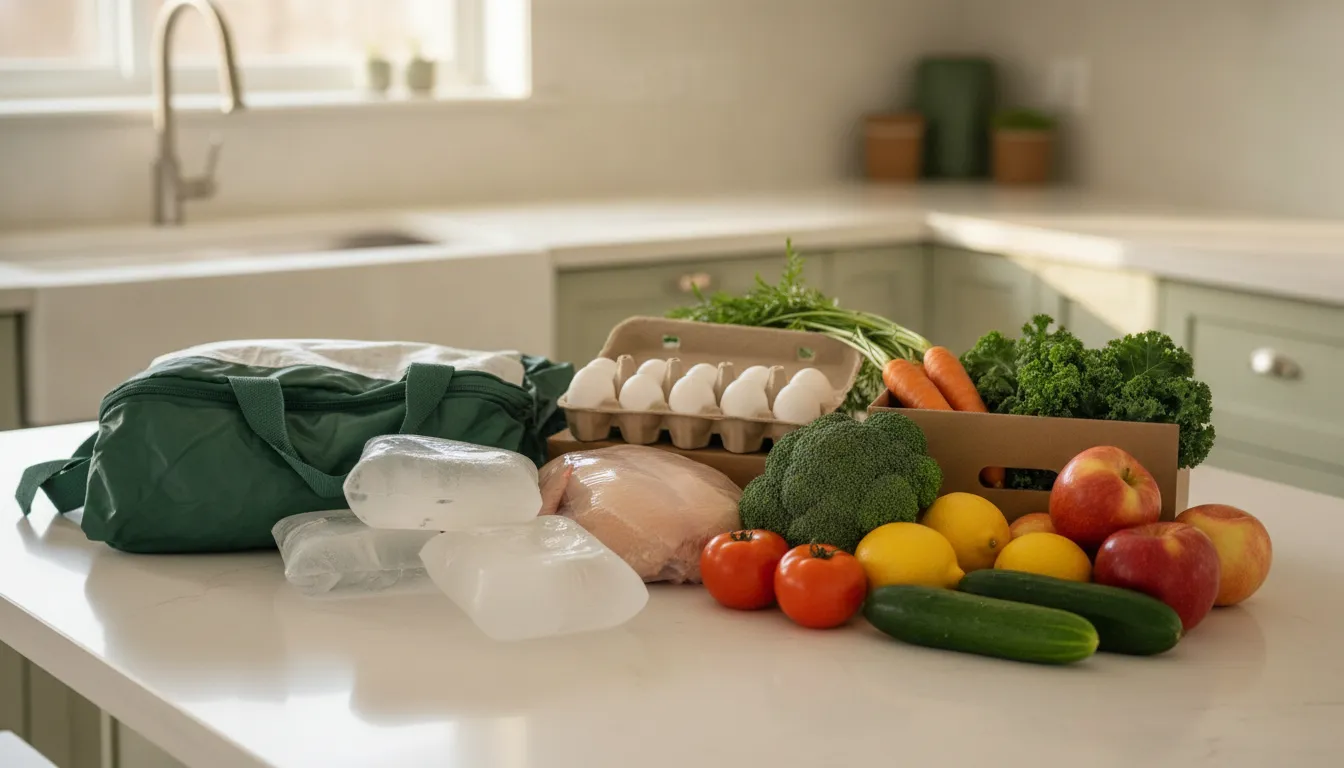
When groceries arrive at your door, the box is only one part of the sustainability decision. The right packaging must protect food through handling and delivery, keep refrigerated items fresh, and avoid creating more waste than necessary. That means a paper box is not automatically a better choice if it becomes wet, fails in transit, or leads to spoiled food.
Eco friendly grocery delivery packaging works best when it balances material use, food protection, reuse, and disposal. For Ontario and Canadian shoppers, the practical question is not whether one material is always best. It is whether the packaging fits the food, the delivery route, and the way it can be handled after arrival.
Ready when you are.
Tre'dish offers a useful GTA example: its delivery model repurposes unused boxes from packaging partners while keeping freshness and presentation in view. Before comparing materials, it helps to understand why protection and convenience belong in the sustainability conversation too.
Eco-friendly packaging is not simply a label placed on a box or bag. A better choice protects the food, works for the delivery journey, and has a clear plan for what happens after the order is unpacked. It should also make the customer experience practical, from opening the package to storing the groceries.
First, it needs to contain and protect food while supporting convenience. Food packaging has several jobs, including containment, protection, communication, and ease of use. Those functions matter even more when groceries travel from a warehouse or retailer to a customer's door instead of being carried home immediately. Food packaging guidance from Oklahoma State University notes that online shopping requires packages that can withstand shipping conditions at retail sizes.
The material also needs to suit the food inside it. There is no single material that works equally well for produce, chilled items, pantry goods, and products that are sensitive to moisture or odours. Material suitability depends on the food and the protection it requires. Choosing less material is not an improvement if the package fails and the food is damaged or wasted.
Freshness protection is therefore part of the sustainability calculation. Some products need moisture, scent, or oxygen barriers to maintain quality. A package that protects food appropriately can support the value of the groceries, rather than treating packaging and food waste as separate issues. This is one reason shoppers should assess the full delivery system, including local Ontario farm sourcing, instead of judging a package by appearance alone.
End-of-life information is another useful test. Recyclable packaging can be reused or processed into new materials, but what happens next depends on identifying the material and having a suitable local pathway. A claim that sounds positive is not enough if shoppers cannot tell how to handle the package after use. Clear instructions and honest material descriptions are more helpful than broad environmental language.
Finally, compare packaging decisions with the delivery model around them. The strongest option balances food protection, practical use, material demand, and a realistic next step after unpacking. That broader view helps shoppers recognize genuine improvements without assuming that one material, by itself, makes an entire grocery delivery service sustainable.
There is no single packaging material that wins in every grocery delivery situation. The right choice has to protect food during handling and transport, then make sense at the end of its useful life. A material that looks low-waste can create more food waste if it lets moisture through, fails during delivery, or shortens shelf life.
The better choice is the one that matches the food, the delivery conditions, and the available disposal or reuse system. Paper and cardboard can be useful for dry goods and outer packaging, but paper may be unsuitable for foods with high moisture content. Reusable containers can reduce the need for new packaging over multiple trips, although their full impact depends on how they are collected, cleaned, transported, and used. A life-cycle study found that multi-use containers were the most environmentally effective option overall, while also finding that impacts varied by category. That is a trade-off, not a universal guarantee.
| Option. | Where it can help. | What to check. |
|---|---|---|
| Paper or cardboard. | Lightweight outer packaging and dry products. | Moisture resistance and whether the material stays intact through delivery. |
| Reusable containers. | Repeated deliveries when a practical return and cleaning system exists. | Collection, washing, transport, and the number of useful trips. |
| Recycled-content materials. | Reducing demand for some new raw materials while preserving needed protection. | Whether the finished item can be identified and handled by local recycling systems. |
| Compostable materials. | Situations where the material and local composting system are compatible. | Whether it needs commercial or home composting conditions to break down. |
Compostable does not automatically mean better in every home. Some compostable packaging requires commercial facilities or specific home conditions, so the disposal pathway matters. Recyclability also depends on clear material identification and the systems available where you live. In practice, minimal packaging and compostability can represent different sustainability choices. The better option depends on the product and the system around it, not just the label on the package.
For grocery delivery, freshness remains part of the environmental calculation. Packaging that prevents damage or spoilage may avoid wasting the food itself, while unnecessary layers add material demand. Look for a service that treats packaging as one part of a larger delivery system, rather than promising that one material solves every sustainability concern. Learn more about the farm-to-door grocery delivery model and how packaging fits into the broader experience.
Eco friendly grocery delivery packaging is only one part of the sustainability picture. The full delivery footprint also includes how groceries move, how often they are delivered. How well they are protected in transit, and how much food is lost before it reaches the kitchen. A package that uses less material but fails to protect fresh food can create a different kind of waste.
Shared grocery delivery routes can reduce the number of vehicles on the road when multiple households receive orders on the same trip. The result depends on practical conditions, including route efficiency, delivery distance, and the vehicle used, so delivery is not automatically lower-impact in every situation. The U.S. Environmental Protection Agency recommends placing as much as possible in each order to avoid frequent deliveries. Read the EPA's guidance on grocery delivery routes.
For a weekly grocery service, consolidated orders can replace several individual trips to a store with a planned delivery route. Tre'dish documents this model as consolidated weekly delivery that can reduce individual grocery trips and support more efficient routing. Its supply chain also moves products from supplier to warehouse to customer, with fewer traditional handling steps than a model that passes through multiple retail stages. You can see how Tre'dish delivery works to understand the path from source to doorstep.
Packaging has to support that system. Fresh groceries need protection throughout loading, transport, and delivery, particularly when temperature-sensitive items are involved. That means the most responsible choice is not simply the package with the smallest material footprint. It is packaging that helps food arrive in usable condition without adding unnecessary material or handling.
Food waste matters because the resources used to grow, process, and transport groceries are lost when products spoil or arrive damaged. Tre'dish states that demand forecasting supports more accurate inventory planning, which can reduce overproduction, spoilage, and unsold inventory. This connects packaging decisions with the wider supply chain: protecting food and planning demand can work together to reduce waste.
Local sourcing can also shorten transportation distance and support regional food systems, although Tre'dish does not publish an exact food-mile reduction. For GTA shoppers, the useful question is therefore not whether one packaging material sounds greener in isolation. It is whether the delivery model combines sensible packaging, consolidated routes, appropriate food protection, local sourcing, and demand planning across the full journey.
Tre'dish takes a practical approach to eco friendly grocery delivery packaging. Instead of suggesting that every part of a delivery package is recyclable or compostable, the documented focus is on using existing materials more effectively and reducing unnecessary waste. Tre'dish repurposes unused boxes from packaging partners, extending the useful life of those boxes and reducing demand for new packaging materials.
Tre'dish says this box-reuse approach is intended to reduce packaging waste while maintaining a professional delivery presentation. That distinction matters. A package can arrive neatly and protect groceries without the company making broad claims about every material's end-of-life path. Tre'dish's published sustainability information supports the reuse claim, but it does not establish that all packaging components are recyclable, compostable, or reusable by customers.
Packaging is only one part of a grocery delivery system. Tre'dish combines the repurposed-box approach with refrigerated handling, helping groceries arrive in the condition customers expect. The goal is not to remove protection where it is needed. It is to manage packaging and freshness together, since avoiding food waste also matters when evaluating a delivery model. Specific insulation materials, disposal instructions, and recycling outcomes should be checked against the package received rather than assumed.
The model also connects packaging decisions with sourcing. Tre'dish works with local and Canadian producers and identifies more than 60 Canadian-made products in its catalogue. That gives shoppers a way to support regional producers while building a weekly order. You can learn more about the farm-to-door grocery delivery model and how local sourcing fits into the broader service.
Weekly flexibility is another practical consideration. Customers can customize and modify deliveries, skip weeks, or cancel without fees. That means shoppers can plan an order around their actual household needs instead of accepting groceries they will not use. It complements the packaging strategy by keeping convenience from becoming a reason to over-order.
Tre'dish also donates one percent of every purchase to Feed Ontario. This is a community-impact commitment, not a packaging claim, but it is part of the service's broader sustainability picture. For more context, explore broader sustainable grocery delivery practices and evaluate each claim on its specific evidence.
Ready when you are.
A thoughtful choice involves more than asking whether a box is labelled recyclable or reusable. The packaging has to suit the food, protect it through delivery, and provide clear information about what happens after unpacking. Material suitability depends on the food and the level of protection it requires, so a single material is unlikely to be the right answer for every item. Weekly grocery delivery planning can also help you order thoughtfully rather than adding separate trips throughout the week.
Start with practical questions:
That last question matters because avoiding food waste starts with getting food home in good condition. A package that fails to protect its contents may create a bigger practical problem than one that uses a little more material. Look for specific explanations, not broad claims about being green.
Ask whether orders are planned into shared routes and whether the service encourages a useful order size. The environmental effect of grocery delivery depends on route efficiency and delivery conditions, so the label alone cannot tell the full story. The U.S. Environmental Protection Agency recommends placing as much as possible in each order to avoid frequent deliveries, while noting that real-world outcomes vary. This is a reason to consider delivery frequency, route planning, and the amount of packaging used per order together.
Finally, confirm the service area and flexibility before signing up. Tre'dish is primarily focused on the Greater Toronto Area, not nationwide delivery. GTA shoppers can also review local food delivery in Ontario and ask whether they can modify, skip, or cancel a week when their needs change. The most credible eco friendly grocery delivery packaging approach is one that combines clear material choices with sound delivery planning. Reliable freshness, and a service model that fits real household routines.
Look at the full system, not just one material. Better packaging protects food, limits unnecessary material, supports efficient delivery, and has a clear reuse, recycling, or composting path. The right choice also depends on the food and the protection it needs. For example, paper may not perform well with high-moisture items.
No. Compostable packaging only works as intended when the required home or commercial composting conditions are available. Minimal packaging, reusable containers, and recyclable materials can be better choices in other situations. Check the product instructions and local waste rules before assuming an item belongs in the compost.
Yes. Packaging can provide moisture, scent, or oxygen barriers and help protect groceries during transport. A lower-waste option is not automatically better if it allows food to spoil or arrive damaged. Freshness protection should be evaluated alongside the material and its end-of-life instructions.
Tre'dish repurposes unused boxes from packaging partners to reduce packaging waste while maintaining a professional presentation. The service also uses refrigerated delivery and consolidated weekly routes. These practices are designed to protect groceries and reduce unnecessary individual trips, without claiming that every package is recyclable or compostable. See the verified details at Tre'dish sustainability.
Tre'dish primarily serves shoppers in the Greater Toronto Area. Delivery is organized around weekly orders that customers can customize, modify, skip, or cancel without fees. Confirm your address and current availability when you begin an order at Start Shopping.
If you are in the GTA and want a simpler way to plan your weekly groceries, explore Tre'dish and see how delivery fits your routine. You can browse the selection, choose what works for your household, and take the next step when you are ready.
Ready when you are.