5 Things to Check Before You Sign Up for Weekly Grocery Delivery
Know what to look for before you sign up for weekly grocery delivery. Get tips on pricing, selection, delivery, freshness, and customer support.

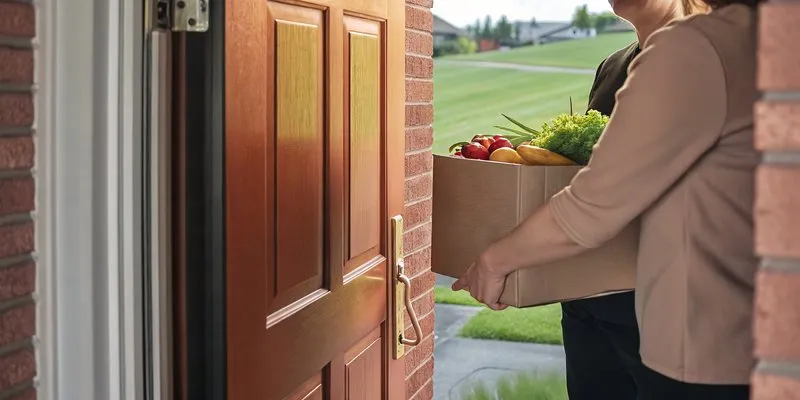
Ontario shoppers increasingly want groceries that feel closer to the source, without adding another weekend errand to an already full schedule. Farm-to-table delivery connects producers with households through a more direct supply chain, so quality food can move from local partners to your doorstep with fewer unnecessary stops.
Start Shopping for local groceries delivered on your schedule.
Local food delivery Ontario services bring groceries from Canadian farmers, food makers, and heritage producers to homes through coordinated ordering, cold-chain handling, and scheduled delivery. Tre'dish builds on that model by partnering with more than 200 local Ontario farmers and producers, so customers can put dependable groceries on autopilot while staying connected to the people who make them.
This approach is about more than convenience. It can support fresher products, smarter logistics, and stronger food communities when sourcing and delivery are planned together. To see how the model works in practice, it helps to start with what farm-to-table delivery actually means and how it differs from a standard grocery trip.
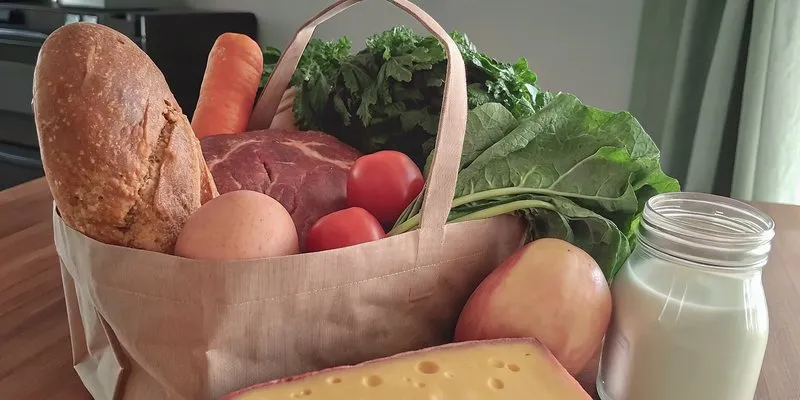
Farm-to-table delivery connects food producers with households through a shorter, more coordinated supply chain. Instead of moving products through several wholesalers, distributors, and retail locations, the model sources directly from farms and producers, then moves orders through temperature-controlled logistics to the customer. Tre'dish applies this warehouse-direct approach while working with more than 200 Ontario farmers and producers.
That shorter path can make a practical difference. Food spends less time sitting in transit or on a retail shelf, so customers can receive groceries closer to their source and enjoy better freshness at home. Direct sourcing also helps reduce the layers of handling that can make local food systems harder to maintain. Research from the University of Guelph describes how additional wholesalers and distributors can weaken local food networks. Food value chains can create a more connected route between producers and buyers (University of Guelph research on local food value chains).
Farm-to-table delivery sources food closer to its producer and coordinates the route from farm to home. Regular grocery delivery usually fulfils orders from a retailer's existing store network. That difference can mean fewer intermediaries, less shelf time, and a clearer connection to the people who grow or make the food. Tre'dish's model bypasses traditional retail infrastructure and consolidates deliveries rather than sending every shopper on a separate trip.
The model is also designed to reduce waste. Traditional retail can lose roughly 30% to 40% of food through spoilage and unsold inventory. Direct-sourcing systems can keep food waste below 1% by limiting retail handling and matching supply more closely with customer orders. Tre'dish combines that approach with repurposed delivery boxes and consolidated routes, which helps reduce the carbon footprint of grocery distribution (see how Tre'dish's grocery delivery model works).
For Ontario households, the benefit is not just a box arriving at the door. It is a more direct way to buy quality food, support local producers, and simplify a recurring chore. You still choose the groceries that fit your household, but the sourcing and delivery process does more of the behind-the-scenes work.
Farm-to-table delivery is a coordinated process, not simply a grocery order handed to a courier. Tre'dish uses a warehouse-direct model that connects producers with households while reducing the layers between sourcing and delivery. Here is how the process works.
Service availability is currently throughout the Greater Toronto Area and is expanding across Ontario. For households in the current delivery area, the result is a simpler way to receive quality groceries without giving up the care that fresh food needs.
Local food delivery is about more than getting groceries to your door. It can also make it easier to discover the Ontario producers, roasters, dairies, and food makers that give the province its character. Tre'dish works with more than 200 local Ontario farmers and producers, including heritage names with stories that go well beyond the label.
Gryfe's Bagels has been part of Toronto's food culture since 1915. The bakery is known for light, fluffy, par-baked bagels that finish beautifully at home. That par-baked format makes them a practical choice for busy mornings while preserving the bakery-style texture people look for in a Toronto classic. Tre'dish's partnership with Gryfe's helps keep this local food tradition part of a modern grocery routine. Shop local Ontario groceries with Tre'dish.
Hewitt's Dairy began in Hagersville, Ontario, with milk delivered by horse-drawn wagon. Today, the family business produces fluid milk, goat milk, and more than 60 ice cream flavours. Its history reflects the kind of long-term connection that makes local sourcing meaningful: a familiar Ontario producer continues to serve households while growing its range of products. Hewitt's is one of the heritage dairy brands Tre'dish brings into a convenient delivery experience.
Founded in Toronto in 2013 by Felix and Won Cha, De Mello Coffee is an award-winning specialty roaster with cafe locations in Toronto and Seoul. Its presence in both cities reflects a modern coffee company with strong local roots and an international outlook. For coffee drinkers, adding a specialty roast to a regular grocery order is an easy way to bring a more considered morning ritual home without making another stop.
Balderson Cheese traces its history to 1881 at Balderson Corners in Lanark County. After more than 140 years of cheddar craftsmanship, the company now operates three Ontario facilities in Winchester, Belleville, and Windsor. Its cheeses add a distinctly Ontario option to everything from weekday lunches to weekend boards. With a history that is easy to share when guests ask what is local.
Covered Bridge Chips is a fourth-generation family business known for kettle-cooked, gluten-free potato chips. The company is based in Hartland, New Brunswick, so it is not an Ontario producer, but it is available through Tre'dish alongside the platform's Ontario makers. Including trusted Canadian brands like Covered Bridge makes one delivery useful for the whole household, from breakfast staples to snacks.
These partnerships show what local food delivery can look like when convenience and food heritage work together. Tre'dish brings established Canadian brands and Ontario producers to your doorstep. So you can spend less time coordinating grocery stops and more time choosing food you are excited to eat.
Choosing local food delivery can do more than simplify your weekly grocery routine. It can help keep food spending connected to Ontario farmers, producers, and community organizations. When more households buy from a local supply network, more of that economic activity stays closer to home.
Tre'dish donates 1% of every purchase to Feed Ontario, the province's largest hunger-relief network. Feed Ontario supports 1,200 food banks and community agencies across the province. In December 2024 alone, the partnership helped deliver more than 10,000 pieces of fresh produce to food banks.
That support matters because food insecurity continues to affect families across Ontario and Canada. More than 1 million Ontarians used a food bank last year, an increase of 25%. Across Canada, the share of people facing food insecurity rose from 16.1% in 2018 to 25.5% in 2023. A grocery order cannot solve a complex issue on its own, but consistent contributions can help food banks provide more fresh, useful food to people who need it.
Read more about Tre'dish's partnership with Feed Ontario and how each purchase contributes to local food security.
Buying local helps create a clearer path between producers and the households they serve. Tre'dish works with more than 200 local Ontario farmers and producers, giving customers access to products from businesses rooted in the province. That demand can help family farms and small producers build steadier customer relationships without relying only on individual farmers' markets or direct-to-consumer sales.
Local food value chains also give farmers another option between managing every part of direct marketing and selling through a complex industrial supply chain. Research from the University of Guelph notes that these networks can support fair compensation for farmers while contributing to environmental and social improvements. The result is a more connected food system, where convenience works alongside local economic impact.
With local food delivery, the choice is practical: put quality groceries on autopilot while supporting the people and organizations that help Ontario communities thrive.
Start Shopping to explore Ontario groceries that fit your routine.
Choosing a grocery delivery service comes down to more than whether a box arrives at your door. The sourcing model, coverage area, fees, and community commitments all shape the value you get each week. Tre'dish is designed for Ontario households that want dependable delivery while keeping local producers and practical convenience in the same picture.
| Factor | Tre'dish | Voila by Sobeys | Traditional grocery shopping |
|---|---|---|---|
| Pricing model | Pay for the products you order. The average basket is about 25% less than comparable shopping, based on Tre'dish's stated average. | Online grocery ordering through the Sobeys supply chain, with a $25 minimum order. | Pay in store, with pricing shaped by the retailer's conventional supply chain and store operations. |
| Delivery coverage | Ontario-wide delivery coverage. | Focused on the GTA and Ottawa. | No delivery coverage required, but you need to travel to the store unless you arrange a separate service. |
| Local sourcing | Access to more than 200 Ontario farmers and producers, including local and heritage food brands. | Uses the Sobeys supply chain, so local products depend on the assortment available in your area. | No consistent local-sourcing guarantee. Availability varies by store and season. |
| Fees | No subscription fees and no delivery fees. Customers pay for the products they choose. | $5.99 delivery fee, with the applicable order minimum. | No delivery fee when you shop in store, but travel takes time and convenience may require another paid service. |
| Community impact | One percent of every purchase supports Feed Ontario, a food-security partner. | No permanent hunger-relief program identified for this comparison. | Impact depends on the individual retailer and the products you buy. |
Nutrafarms is another useful comparison point. It has supported Ontario family farms since 2001 and offers farm packages delivered to households across Ontario. Its model is centered on curated packages, particularly farm-raised meat and seafood, while Tre'dish is built around a broader, customizable grocery experience. That distinction matters if you want to combine produce, dairy, pantry staples, and local specialties in one recurring order.
Tre'dish also brings a clear social-impact commitment into the everyday grocery routine. One percent of every purchase is donated to Feed Ontario, and more than 10,000 pieces of produce were delivered to food banks in December 2024 alone. For shoppers comparing local food delivery in Ontario, that means convenience is connected to a practical contribution in the communities the service serves.
The right choice depends on how you shop. A traditional store may suit a quick, one-off trip. A farm-package service may be ideal for a focused meat order. Tre'dish fits households that want quality local products, flexible grocery planning, Ontario-wide access, and no extra delivery or subscription fees in one system.
Food is sourced from farms and producers, received through a warehouse-based fulfillment system. Kept in cold storage, packed for each order, and delivered to your home in refrigerated conditions. This direct path reduces handling between producer and customer while making local groceries easier to order on a weekly or bi-weekly schedule.
Local delivery makes it easier to buy from Ontario farmers and producers without adding another grocery trip to your week. You can get fresh ingredients delivered to your door, support regional businesses, and choose a more convenient way to plan meals around the products you actually want.
Yes. Tre'dish sources groceries from local Ontario farmers and producers, including brands such as Gryfe's Bagels, Hewitt's Dairy, De Mello Coffee, and Balderson Cheese. That network brings familiar Ontario products together in one online grocery experience.
Orders are moved through a refrigerated cold chain and packed in insulated boxes with ice packs. This temperature-controlled approach helps protect quality from fulfillment through delivery, so groceries arrive ready to store and enjoy.
Yes. Tre'dish orders can be skipped, modified, or canceled when your plans change. You can use a weekly or bi-weekly schedule while keeping control over what arrives and when.
Bring quality Ontario groceries into your routine without adding another trip to your week. Tre'dish makes it simple to explore local producers, plan dependable deliveries, and choose groceries that fit your household. When you are ready to make your next grocery order, Start Shopping and see what is available for delivery.