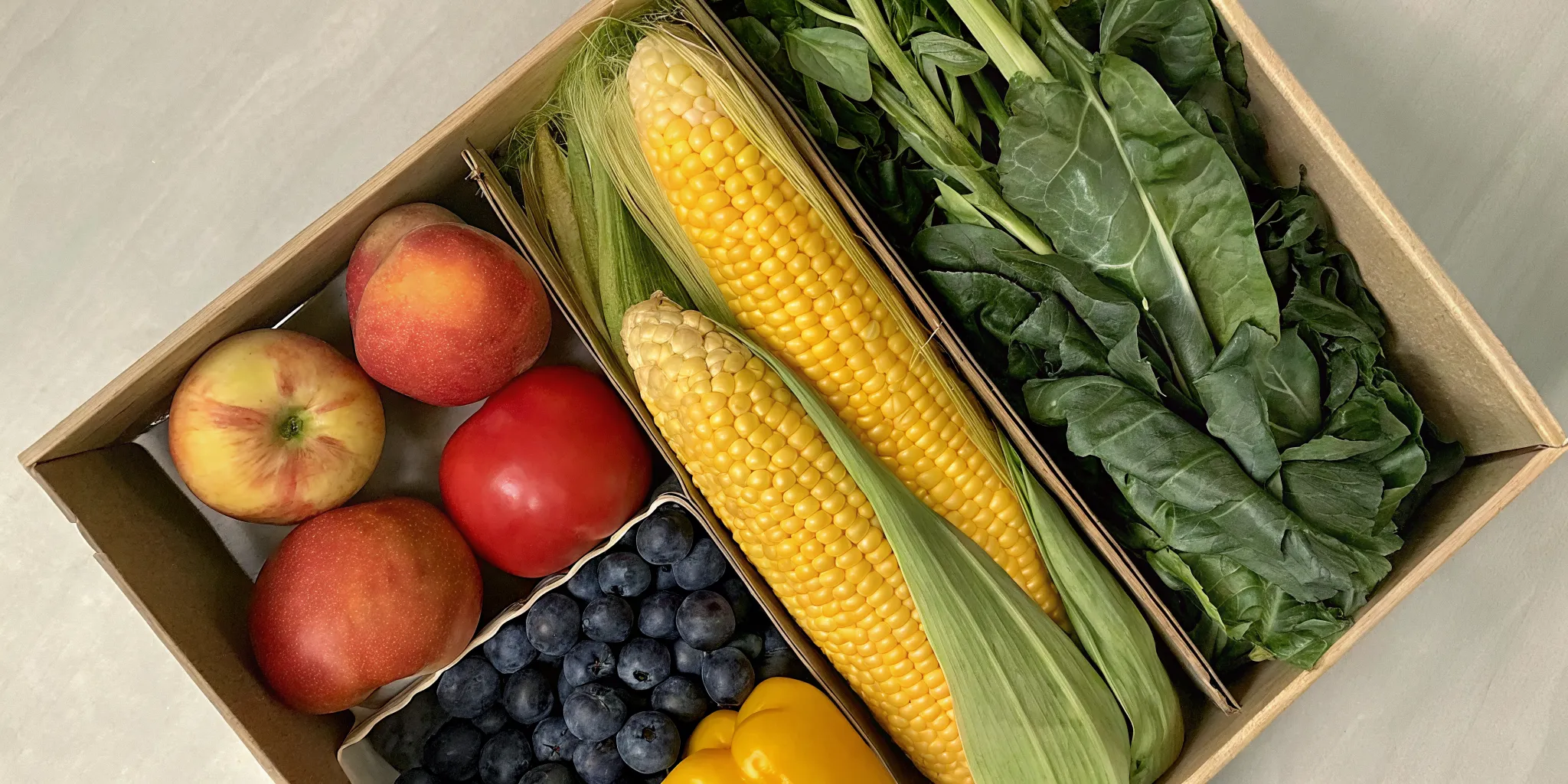
7 Best Local Ontario Food Subscription Boxes
Find the best local Ontario food subscription boxes for fresh groceries, meal kits, and ready-to-eat meals delivered right to your door.


When the week is busy, a reusable grocery list can be the difference between a calm kitchen and another last-minute store trip.
Start Shopping to build a flexible grocery order around your family's weekly list.
A weekly grocery list for family of 4 Canada should begin with the foods your household actually uses. Check your pantry, fridge, and freezer first. Then plan meals around what you have and add produce, proteins, dairy or alternatives, grains, pantry goods, and snacks to fill the gaps. Grouping items by category makes the list easy to scan and reuse. Adjust it each week for school lunches, meals out, changing appetites, and household preferences.
Use the core checklist below as a flexible starting point, not a rigid prescription. Your best list will become more accurate every time you note what ran out, what was left over, and what your family enjoyed.
A clear plan helps you focus on what your household needs instead of relying on memory in the store. Planning meals can also save time and support thoughtful choices throughout the week. When you know what you need, it is easier to avoid duplicates and use the food already at home.
For a family of four, consider a mix of hardy produce and more delicate greens. Carrots, onions, and potatoes can work in stews, soups, or simple side dishes. Apples, bananas, or local berries can cover snacks, while spinach or kale can go into salads, smoothies, and cooked meals. Choose the amount your family can use before it spoils. Seasonal Canadian produce may also offer good value and flavour.
Proper storage helps your food last longer. Keep greens in the fridge and root veggies in a cool, dark spot. By checking your stock before you shop, you avoid buying things you already own. This small step helps you lower your total bill.
Choose proteins that match your planned meals and household preferences. Options might include chicken, ground beef, fish, beans, lentils, or tofu. A few versatile choices can work across several dishes. Beans and lentils can also be mixed into chili, soups, or tacos to make a meal go further.
Keep bags of rice, pasta, and oats on hand as a base for quick meals. Having weekly grocery staples on autopilot means you never run out of these key items. You can even have these goods sent to your door to save time and effort. This makes sure you always have a meal ready to cook.
Add the dairy products or alternatives your household regularly uses, such as milk, eggs, yogurt, or plant-based drinks. Bread and tortillas can cover lunches and quick wraps. Frozen peas, corn, fruit, and other staples can provide useful backups when fresh items run out.
Keeping a few familiar freezer options ready can help on busy nights. Build this part of the list around your family's preferences, storage space, and likely schedule.
| Category | Amount for Family of 4 | How to Change It |
|---|---|---|
| Fresh Produce | 5-7 types of fruit and veg | Pick more local fruit in summer to save. |
| Main Proteins | 4-5 types of meat or beans | Add more beans to lower your total cost. |
| Grains and Bread | 2-3 types of grains | Swap white bread for whole wheat for health. |
| Dairy and Eggs | 3-4 types of dairy | Try soy or oat milk if you want a change. |
| Frozen Items | 3-4 bags of veg or fruit | Stock up when there is a good sale. |
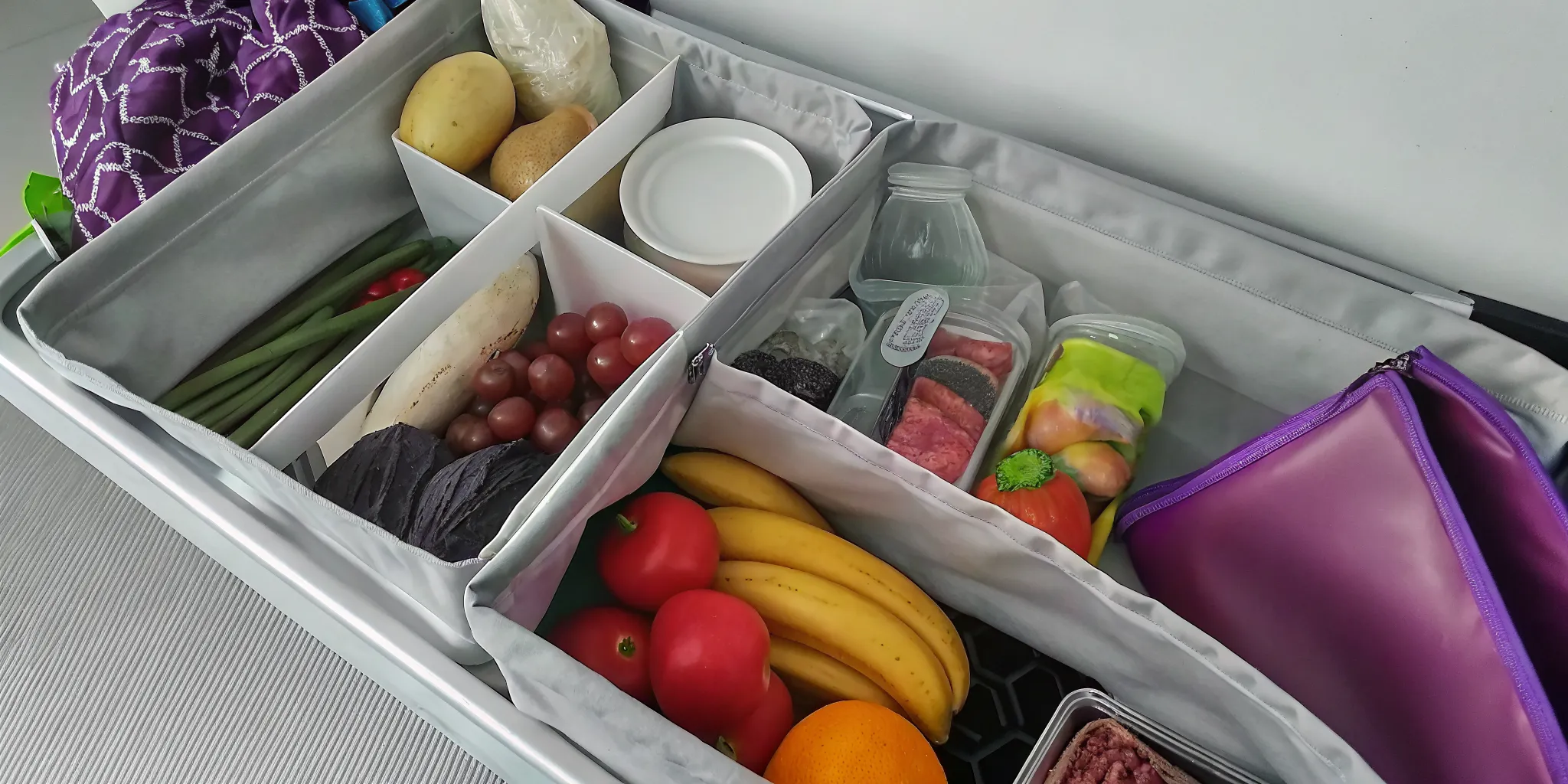
Building a weekly grocery list for family of 4 Canada is not just about writing down milk and eggs. A repeatable plan can reduce decision-making and help you buy with purpose. A clear plan helps you save time and focus on what you need.
Most food waste starts because we buy things we already have. Before you add a single item to your list, scan your pantry and fridge. Look for grains, beans, and frozen meat that can be the base of a meal. Checking your stock cuts food waste and saves cash. It also makes your list much shorter. You can then put your weekly grocery staples on autopilot so you never run out of the basics.
A good plan should be easy to repeat every week. It should fit your life, not make it harder. Use these steps to build your family grocery list fast:
You do not need to plan every bite. Leave room for snacks or a last-minute change. A stiff plan often leads to stress. Aim for a mix of fresh local food and long-lasting pantry items. This balance gives you more flexibility in your kitchen while keeping your budget safe. A loose plan is easier to stick to for the long run.
Planning a weekly grocery list for family of 4 Canada can feel like a big job. Each home has different needs based on age, appetite, schedule, preferences, and the number of meals eaten at home.
To keep costs low and avoid waste, you need to know exactly how much your family eats. Starting with a clear plan for your weekly grocery staples on autopilot can help you stay on track and save time each week.
Every family is unique, so there is no single list that fits everyone. You should look at how many people will eat each meal to find the right amount of food to buy. Health Canada notes that planning meals and snacks ahead of time helps you make better choices and reduces food waste.
Think about what your family likes to eat most and how often they want it. This helps you build a list that matches your real life rather than a guess. Keep a simple log of what you use each day to spot patterns.
When you see how fast milk or bread runs out, you can set better amounts for your next order. Using a weekly grocery staples on autopilot system means you never have to think about these basics. You can focus on the main parts of your meals while the small items arrive when you need them.
Your needs will change based on how busy your week looks. Some days might have school sports, while others involve working from home. A busy schedule changes the number of meals and snacks you need to have on hand.
If you know Tuesday is a late night, you can plan a quick meal or use leftovers from Monday. Staying flexible is key to making sure you do not buy more than you will use. School lunches and work snacks also add up fast.
Make sure your list includes items for these mid-day needs so you don't run out. You can save time by pre-chopping vegetables or making basic items when you have a free hour. This makes it easier to pack healthy bags for school or work during a rushed morning.
Cooking once to eat twice is a great way to save time and money. You can make a bit extra of a main dish to use for lunch or a quick dinner the next day. This helps you get the most out of every item on your list and cuts down on prep work.
It also means you need fewer total items on your weekly grocery list for family of 4 Canada. Focus on meals that store well and taste good when heated back up. Getting the whole family to help can make the process much easier for everyone.
You can post a blank list where everyone can see it and add what they need. This makes it a shared job rather than a solo task for one person. When kids help choose meals, they may be more likely to eat what is served.
To get more value from a weekly grocery list for family of 4 Canada, look beyond the individual items. A useful plan balances freshness, quality, versatility, and what your household will actually use.
By planning your meals and snacks in advance, you can make healthier choices and save time during each trip. Using automatic grocery delivery in Canada can also help you stick to your budget. A steady routine makes it easier to track your spending and hit your goals. You will find that the more you plan what you eat, the easier it gets to manage your kitchen.
Focusing on what is in season is a great way to save money on produce. Local Canadian farms often provide better value when their crops are ready for harvest. Buying local also ensures your food is fresh and lasts longer in your fridge. Tre'dish focuses on deals with local farms to bring these fresh goods right to your door.
When you build your list around what is growing now, you get the best price and the best taste. You can also look for frozen or canned options for items that are not in season. These are still healthy choices that help you stay on budget throughout the year. Canned and dried goods can be stored for long periods, making them great for any grocery list.
A good plan starts with what you already have. Check your pantry and fridge before you start your weekly list to reduce food waste. You can save a lot by picking recipes that use shared food items.
For example, a large bag of spinach can work for a salad on Monday and go into a pasta dish on Wednesday. This "pantry-first" method means you only buy what you truly need. It also keeps your kitchen lean and neat.
Try fixing basic items, like pre-chopping fresh produce, to save time later in the week. Scanning grocery flyers for healthy foods on sale is another way to add value to your pantry. When you find a good deal on a staple, you can stock up and save more in the long run.
Getting the most value often means looking at the final price of your basket. Tre'dish customers save about 25% on average per basket compared to regular stores. This allows you to put your weekly grocery staples on autopilot without paying extra fees. Since there are no subscription costs, you only pay for the food you get.
You can also pause or change your order at any time to fit your busy schedule. Involving the whole family in the plan can also help share the work of keeping the list updated. Post an empty list where everyone can see it and encourage them to add what they need. Using these tools helps you manage a large family budget while still eating well every day.
Your ideal shopping cycle depends on how quickly you use fresh food, your storage space, and your schedule. Some parents find a weekly grocery list for family of 4 Canada works best for keeping food fresh. Other families prefer to buy more items every two weeks to save time. Both approaches can work when you plan before you shop.
Weekly plans are useful for fresh produce and dairy. When you shop once a week, you can buy fruit and greens that ripen fast. This helps you avoid food waste at home. Health Canada recommends using fresh ingredients first to stop them from spoiling (canada.ca). A short cycle keeps your kitchen stocked with fresh basics. A weekly list might include the following items.
A weekly list also helps you stay ready for changes. A busy week can change how many meals and snacks your family needs. You can change your list based on your kids' sports or work meetings. Making sure you have your weekly grocery staples on autopilot helps you avoid running out of what you use most. This method keeps your fridge full of crisp food for every meal of the day.
Shopping every two weeks can save you a lot of time. It means fewer trips to the store or fewer times you have to wait for a delivery. This way works best for buying dry goods, frozen food, and canned items in bulk. If you have a large pantry or a deep freezer, this may be the right choice for you. You can buy larger packs of meat or grains to save money over a month.
You will need to plan more for the second week of this way. Frozen and canned goods are key to your success. They stay good for a long time and are part of healthy meal plans (canada.ca). You might buy fresh greens for the first few days and use frozen peas or corn later. This keeps your family eating well even when you have not been to the shop for a while.
Your choice depends on your home storage and your busy life. If you have a small fridge, shopping once a week is likely best. If you live far from a store, every two weeks might save you gas and stress. Think about how many people eat each meal to know how much food you need to store (canada.ca). Large families may need more space for bulk items.
You can also try a mix of both ways. Some families buy fresh milk and fruit every week but get heavy items like rice or flour once a month. Start with one way and see how it feels for your family. You will find that the more you plan what you eat, the easier it gets to stay on track. Both cycles work well when you use a clear list to guide your buys and keep costs low.
Handling a weekly grocery list for family of 4 Canada can feel like a full-time job. Between school runs and work, many parents spend valuable time planning and shopping. A flexible grocery subscription can simplify that routine without the strict rules of a meal kit. Putting frequently used staples on a repeating schedule reduces the need to rebuild the same basket every week.
Most families buy the same milk, eggs, and bread every week. You can save time by setting up groceries on autopilot to arrive at your door. This way, you do not have to think about the core items your kids need for school lunches. It also helps you stay on track and reduces the stress of last-minute store trips. When your pantry stays full of the basics, you have more energy to focus on fresh meal ideas for dinner.
Planning what you eat is a simple step to help your home run better. It makes it possible to buy only what you will use. This reduces waste and keeps your kitchen clean and smooth. When you use a repeating list, you build a routine that gets easier over time. You can spend your weekends with your kids instead of standing in long checkout lines.
Tre'dish makes this process simple and fair. There are no fees to join. You only pay for the actual products you buy. This model gives you the ease of a service that lets you Start Shopping without any hidden costs. Since Tre'dish works with local farms and growers, you get high-quality food that supports your town. Most shoppers find they save about 25% on average per basket compared to big stores.
Using a set list for your family can also help you track your spending. When you know the cost of your staples, you can plan your monthly budget with more care. A steady delivery schedule also means you can plan your week with ease. You will know exactly when your food will arrive, which makes meal prep much faster for busy nights. This habit helps you make healthier choices and saves time every single day.
A good system must be able to change as fast as your life does. If you go on a trip or have leftovers, you can skip or pause your order at any time. You can also edit your list to add seasonal fruit or special treats for a birthday. This control ensures you always have the right amount of food for your house. You are never locked into a plan that does not fit your current week. This makes it easy to maintain a happy home without the stress of constant planning.
Planning a weekly grocery list for a family of 4 Canada can help reduce duplicate purchases and food waste. When you plan well, you focus on what you need and what you can use. Using automatic grocery delivery in Canada can also help you follow the plan while avoiding extra store trips.
Before you add new items to your cart, look at what is already in your home. Take a few minutes to check your cupboards and the back of your fridge. Move older food to the front so you use it before it goes bad. This is often called the first-in, first-out rule. Health Canada says that planning meals around what you have helps you eat better and save time. Setting up weekly grocery staples on autopilot makes it easy to keep just enough food on hand without buying too much. You can then fill in the gaps with fresh items based on your meal plan for the week.
Fresh food lasts longer when you store it well. Keep fruits like apples away from leafy greens. Apples give off a gas that can make greens go bad fast. For items like potatoes or onions, a cool and dark spot is best. You should also keep berries in the fridge and only wash them right before you eat them. If you find you have too much, most veggies can be blanched and frozen for later use. This is a great way to enjoy Canadian-grown crops all year long while cutting down on waste. It also makes sure you always have the basics ready for a quick family meal when time is short.
Plan at least one meal each week to use up what is left in the fridge. You can turn roasted meats into wraps or add extra veggies to a stir-fry or soup. Small changes in how you view leftovers can make a big difference to your budget. Health Canada suggests that having the whole family help in this work can help everyone learn how to value food. Using a service that is easy to change lets you shift your order as your plans shift each week. This keeps your kitchen running well and makes sure no food goes to waste.
Planning for a family of four starts with checking what you already have in your kitchen. This is called taking stock of your food. Once you know what you have, you can build a menu of meals for the week. Health Canada suggests deciding on your recipes first to help you make a better list. This routine helps you buy only what you need and avoids extra trips.
There is no single weekly cost that fits every Canadian family of four. Location, dietary preferences, ages, appetites, brands, promotions, and how often you eat at home all affect the total. Set a household-specific target, track actual purchases for several weeks, and adjust the list around what your family uses. The goal is a realistic routine, not somebody else's fixed number.
Include snacks if your household regularly uses them for school, work, activities, or time between meals. Add the types and amounts your family is likely to eat, and review leftovers before adding more. Treating snacks as a planned category makes them easier to remember and customize.
Most easy plans allow you to pause, edit, or cancel your orders at any time. This is helpful for busy families who may have a change in plans or travel during the week. For instance, Tre'dish allows you to adjust your basket to fit your needs without any hidden fees. This means you only pay for the food you want, making it a great tool for a busy way of life.
You can share the work by posting an empty list in a common area like the kitchen. Encourage everyone in the house to add items as they run out of them. Health Canada suggests that giving everyone a small job can help make planning much easier. This keeps the whole family involved and ensures that the final list covers what everyone needs for the week ahead.
Tre'dish can put high-quality groceries on autopilot with flexible weekly or bi-weekly delivery. There are no subscription fees, and you pay for the products in your basket. Modify, skip, or cancel orders as your household's plans change.
Start Shopping to build a grocery routine that fits your family.