Find a Veg Box Scheme: 6 Best Options in Canada
Find veg box scheme options in Canada with this guide to the best services for fresh, local produce delivered to your door. Compare features and pricing.

Have you ever wanted to feel more connected to your food? Beyond just reading labels, do you wish you knew the story behind your meals and the people who grew them? This desire for connection is at the heart of the csa box meaning. Standing for Community Supported Agriculture, a CSA is a program where you become a member of a local farm. By purchasing a "share" at the start of the season, you provide farmers with the stability they need. In return, you receive a weekly box of their harvest. It’s a beautiful, direct partnership that supports your local economy and brings incredible freshness to your kitchen table.
If you’ve ever heard the term “CSA box” and wondered what it’s all about, you’re in the right place. It’s a simple yet powerful idea that’s changing how many of us think about our groceries. CSA stands for Community Supported Agriculture, a model that creates a direct link between you and a local farm. Think of it as a subscription to a farm's harvest. You pay upfront for a "share," and in return, you get a box filled with fresh, seasonal produce delivered regularly throughout the growing season. It’s a fantastic way to get incredible, high-quality food while supporting local farmers and feeling more connected to where your meals come from.
The name really says it all. When you join a CSA, you’re not just buying vegetables; you’re becoming an active part of a farm's community. By paying for your share at the start of the season, you make a direct investment in a local farm, helping them cover essential costs like seeds and equipment. In return for this pledge, you receive a regular box of seasonal goodies. It’s more than a simple transaction; it’s a partnership. This model allows you to vote with your dollar, directly supporting the people who grow your food and their commitment to sustainable farming practices. You become a true "farm member," sharing in both the risks and the delicious rewards of the harvest.
A CSA program builds a special, mutually beneficial relationship. Farmers get the financial stability they need to plan their season and grow their crops with confidence. For you, the benefits are just as great. You get food that’s as fresh as it gets, often harvested just a day or two before it lands on your doorstep. This direct connection often encourages you to try new vegetables and get creative in the kitchen, turning your weekly box into a fun culinary adventure. Plus, knowing exactly who is growing your food strengthens community ties and helps support your local economy. It’s a beautiful system where everyone wins, from the farmer in the field to you at your dinner table.
Joining a CSA is a pretty straightforward process that connects you directly with the people who grow your food. Once you find a farm you like, you’ll typically sign up for a “share” for the upcoming season. The farm then handles the rest, from planting the seeds to packing your box with fresh, seasonal produce. It’s a simple model built on a direct partnership between you and a local farmer.
Think of a CSA subscription as an investment in a local farm. CSA stands for Community Supported Agriculture, and it’s a way for people to support farms directly. You pay for your share upfront, before the growing season begins. This early payment gives farmers the capital they need for seeds, equipment, and other initial costs without having to take out loans. In return for your commitment, you receive a portion of the farm’s harvest each week throughout the season. It’s a wonderfully direct way to know exactly where your money and your food are coming from.
Once the harvest season starts, you’ll begin receiving your weekly box of goodies. How you get it depends on the farm’s setup. Many farms offer a few different options to make it convenient for their members. Some provide home delivery for an extra fee, bringing the box right to your doorstep. Others have designated pickup locations, which might be at the farm itself, a local farmers market, or a central spot in a nearby neighborhood. When you find a CSA program, they’ll clearly outline their delivery and pickup schedules so you can choose what works best for you.
One of the unique aspects of a CSA is that members agree to share in the natural uncertainties of farming. When you join, you’re not just a customer; you’re a partner. As the National Agricultural Library explains, members share in the risks and benefits of growing food. If a particular crop fails due to bad weather or pests, your box might have less of that item. On the other hand, when there’s a bumper crop, you’ll get to enjoy the extra abundance. This shared risk is what makes the model so resilient and supportive for small farmers, ensuring they can stay in business through good years and bad.
Deciding to join a CSA is about more than just getting vegetables delivered. It’s a chance to change your relationship with food, from how you shop to how you cook. When you sign up, you’re not just a customer; you become a partner with a local farm. This direct connection means you get access to produce that is often picked just hours before it reaches your kitchen, offering a level of freshness and flavor that’s hard to find at a large grocery store.
Beyond the incredible taste, joining a CSA is a powerful way to invest in your local economy. Your subscription provides farmers with a stable income at the beginning of the growing season, which helps them plan, purchase seeds, and manage their operations without taking on as much financial risk. It’s a simple, effective way to ensure small, local farms can continue to thrive. Plus, it simplifies your life by taking some of the guesswork out of grocery shopping while introducing you to new, seasonal ingredients that can inspire creativity in your meals. It’s a win for your taste buds, your community, and your weekly routine.
The most immediate benefit of a CSA is the quality of the food. Since the produce comes directly from the farm to you, it skips the long journey through distributors and warehouses. This means your fruits and vegetables are incredibly fresh, packed with nutrients, and full of flavor. You’re getting food at its peak, straight from the source.
At the same time, you’re making a direct impact on a local business. The model of Community Supported Agriculture creates a unique partnership between you and the farmer. Your membership provides them with essential upfront capital, helping them manage their farm sustainably. It’s a fulfilling way to know exactly where your food comes from and to support the people who grow it.
Joining a CSA can be a smart financial move. By buying directly from the farm, you cut out the middlemen involved in the typical retail supply chain. This efficiency often translates into better value for high-quality, fresh produce. While you pay for the season upfront, the cost per box usually works out to be very reasonable, especially considering the freshness and organic or low-input farming practices many CSAs use.
This direct-from-farm model is also great for the environment. Because the food travels a much shorter distance to get to you, it significantly reduces your food’s carbon footprint. CSAs also tend to use less packaging than grocery stores, and the direct relationship helps minimize food waste. It’s a simple way to make your grocery habits more sustainable and contribute to a healthier planet.
A CSA box can bring a welcome sense of adventure and simplicity to your meal planning. Instead of starting with a recipe and then shopping for ingredients, you start with a box of fresh, seasonal produce and let that guide your cooking. This can push you to try new vegetables and get more creative in the kitchen. It takes some of the decision-making out of your weekly shop and encourages you to eat a wider variety of whole foods.
Beyond your own kitchen, a CSA connects you to a larger community. You’re sharing in the farm’s harvest with other local families and building a relationship with the farmers themselves. Many CSAs share updates through newsletters or even host farm events, giving you a real sense of connection to your food source. This partnership helps create a more resilient and connected local food system for everyone.
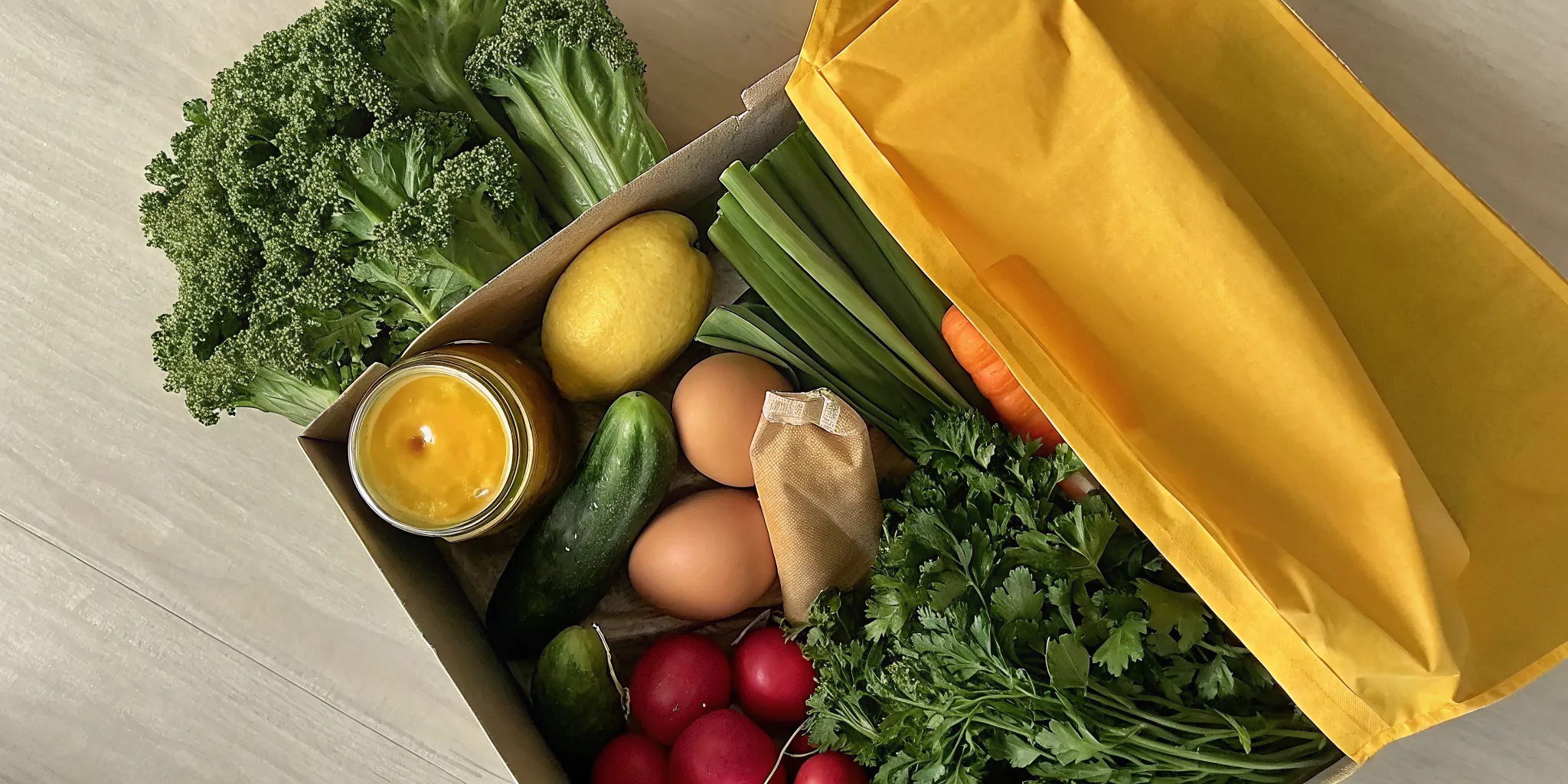
One of the best parts of joining a CSA is the weekly surprise of unboxing your share. While the exact contents depend on the farm, the season, and the harvest, you can generally expect a vibrant mix of fresh, high-quality goods. It’s a fantastic way to connect with the food you eat and discover new favorites along the way.
Your CSA box is a direct reflection of what’s currently thriving on the farm. Instead of getting the same items year-round, you’ll receive a rotating selection of the freshest seasonal produce. In the summer, your box might be overflowing with juicy tomatoes, crisp lettuce, sweet berries, and zucchini. As fall arrives, you’ll see a shift toward hearty root vegetables, squash, apples, and kale. This variety not only keeps your meals interesting but also ensures you’re eating food at its absolute peak in terms of flavor and nutritional value. It’s a delicious way to eat in sync with the seasons.
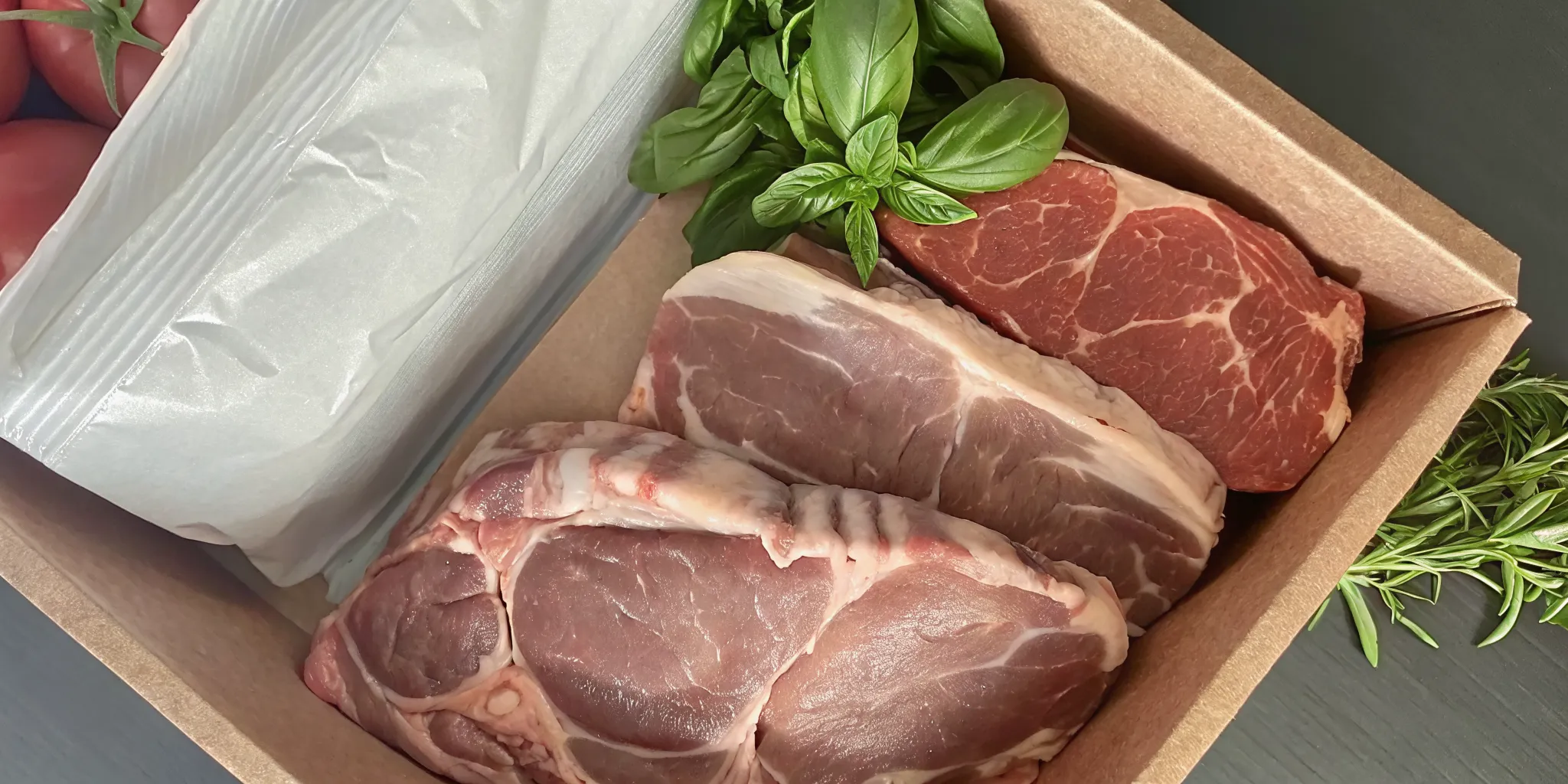
While fruits and vegetables are the stars of the show, many CSA programs offer more than just produce. Depending on the farm, you can often add other locally sourced goods to your share. These "add-ons" might include farm-fresh eggs with rich, golden yolks, artisanal cheeses, fresh-baked bread, or even local honey and maple syrup. Some CSAs partner with other producers to offer meat or dairy shares, too. This allows you to get even more of your groceries directly from local sources, building a stronger connection to your community’s food system and simplifying your shopping list at the same time.
Receiving a box full of fresh produce is exciting, but it can also feel a little daunting. The key is to flip your meal-planning script. Instead of deciding on recipes and then buying ingredients, start with what’s in your box and build meals from there. This approach encourages creativity in the kitchen. Flexible, ingredient-driven recipes are your best friend: think stir-fries, soups, frittatas, and salads where you can easily swap vegetables. If you get a huge bunch of kale, you can use some in a smoothie, some in a salad, and sauté the rest. Learning simple preservation methods, like blanching and freezing, can also help you save any surplus for later.
Ready to get a box of farm-fresh goodness for yourself? Finding and joining a CSA is a straightforward process. It’s all about doing a little research to find the right farm for you and your family. Think of it like choosing any other subscription; you want to make sure it fits your lifestyle, budget, and food preferences before you sign up. With the right fit, you’ll be on your way to enjoying delicious, seasonal produce while supporting a local farmer.
Finding a CSA in your area is easier than you might think. A great starting point is a simple online search for “CSA near me” or “CSA [your city].” This will often bring up local farms with CSA programs right away. You can also check out online directories that gather this information for you. In Canada, organizations like CSA Canada have maps and lists to help you locate farms in your province. Farmers' markets are another fantastic resource. Chat with the vendors, as many of them run their own CSA programs or can point you toward another farm that does.
Before you sign up, it’s smart to have a list of questions ready. This ensures the program is a good match for your household. First, look into the share details. How big is the box and how many people does it typically feed? What’s the total cost and are there payment plans available? You’ll also want to confirm the logistics. Find out the specific pick-up locations and times, or if they offer home delivery. Ask what happens if you’re on vacation or miss a pickup. Don’t be shy about asking what kinds of produce you can expect; the farmer is your best resource.
A CSA can be a wonderful way to eat, but it’s worth considering if it suits your habits. Are you excited by the idea of cooking with seasonal ingredients, even if it means trying new vegetables? CSA boxes often require a bit of creativity and can change how you cook by encouraging you to plan meals around what you receive. It’s a direct connection to your food and community. If you love fresh, local food but prefer more predictability in your weekly meal planning, a flexible grocery subscription might be a better fit. Consider your schedule and how much you enjoy culinary surprises before making a choice.
How is a CSA different from a grocery subscription service? Think of a CSA as a direct subscription to one specific farm's harvest. You get a surprise mix of whatever is seasonal and ripe that week. A grocery subscription service, in contrast, usually gives you more control and predictability. You can often select specific items from a broader catalog, which helps if you're following a strict meal plan and need particular ingredients.
Can I choose what goes in my CSA box? Typically, you can't customize the contents of a traditional CSA box. The whole idea is to receive a share of what the farm is harvesting at that moment, which is part of the fun. Some farms, however, are beginning to offer more flexible options, like allowing you to swap an item at pickup. It's a great question to ask a farmer before you commit.
What happens if I can't pick up my box one week? Most CSA programs have a policy for this. Usually, they encourage you to send a friend or family member to grab your share so the food doesn't go to waste. If you can't find someone, some farms will donate your box to a local food charity. It's best to clarify the farm's specific rules on missed pickups before you sign up.
Is joining a CSA a good value for the money? It can be a fantastic value, especially when you consider the quality. While you pay a lump sum upfront, the cost per box often works out to be less than what you would spend on produce of the same freshness and quality at a farmers' market. You are paying for food that is incredibly fresh and directly supporting a local business, which adds a lot of value beyond the price tag.
What's the best way to handle vegetables I've never tried before? The easiest way to approach an unfamiliar vegetable is to keep it simple. Roasting is a great starting point for most veggies; just toss them with olive oil, salt, and pepper. You can also do a quick search online for the vegetable's name to find simple preparation ideas. This is your chance to get creative and discover a new favorite.