Local Food Delivery Ontario: Farm to Table Explained
Start exploring local food delivery Ontario. See how farm-to-table grocery delivery brings fresh produce, dairy, and local brands to your door.


Finding grocery delivery in Mississauga is about more than moving a shopping list online. A useful service should fit your address and weekly schedule, handle fresh and chilled food carefully, and give you enough choice to build meals around your household. Compare those practical details before you choose, then start with an order you can comfortably use.
Begin with your normal grocery routine. Think about the items you buy every week, the foods you prefer to choose yourself, and how much time you want delivery to save. One household may need a regular mix of fresh produce, dairy, pantry staples, and frozen foods. Another may be looking for a few dependable basics between trips to a store.
Then check whether a service meets those needs in practice. A broad product list is useful only when the items, delivery schedule, and order controls work for you. For Mississauga shoppers, address coverage is an essential first check. Tre'dish's confirmed service area is the Greater Toronto Area (GTA), but delivery availability and timing can vary by address. Check your own address before planning a weekly routine around a service.
Tre'dish offers a weekly delivery routine with the ability to modify or skip weeks. Its guide to how Tre'dish works explains the ordering model, while the supplier and partner information can help you learn about its product relationships.
Online grocery options are not all built for the same task. Store-based delivery can suit shoppers who want to order from a familiar retailer. A marketplace may offer access to multiple sellers, although stock, fulfilment, and delivery terms can differ across them. A grocery subscription is designed around recurring orders, while a meal kit usually centres on selected recipes and pre-portioned ingredients.
These formats can overlap, so compare what arrives rather than relying only on the label. If you want to restock staples and choose a range of ingredients for meals you decide on, a broad grocery basket may be more useful than a box based on a fixed menu. If you want ingredients mapped to particular recipes, a meal kit may reduce planning. Check the details and decide which one solves the problem you actually have.
| Format | May suit you when | What to check |
|---|---|---|
| Store-based delivery | You prefer a familiar retailer and its selection | Address coverage, time slots, substitutions, and full checkout terms |
| Third-party marketplace | You want to browse different sellers in one place | Who fulfils each item, availability, delivery conditions, and support |
| Meal kit | You want ingredients and instructions for selected recipes | Recipe choice, portions, delivery cadence, and extra groceries you may need |
| Flexible grocery subscription | You want a repeatable grocery routine with room to adjust | Product range, edit window, skip rules, and delivery schedule |
Research has examined how consumers use online and physical grocery-shopping modes. It can provide context for the change in shopping habits, but the right service for you still depends on your own needs and the specific terms. See the study on online grocery shopping and delivery.
Freshness depends on more than what you select. It also depends on handling between packing and arrival, how long the order waits at your door, and how you store it once you bring it inside. For dairy, meat, seafood, frozen foods, and produce, read the service's delivery information and look for a clear way to ask for help if something is not as expected.
Tre'dish deliveries are refrigerated and use insulated boxes and ice packs, alongside eco-friendly packaging. The aim is to bring fresh groceries to customers without requiring a separate shopping trip. When your order arrives, bring chilled and frozen items inside promptly, unpack them first, and put them away appropriately. Check the items as you go so you can identify any concern while the order details are at hand.

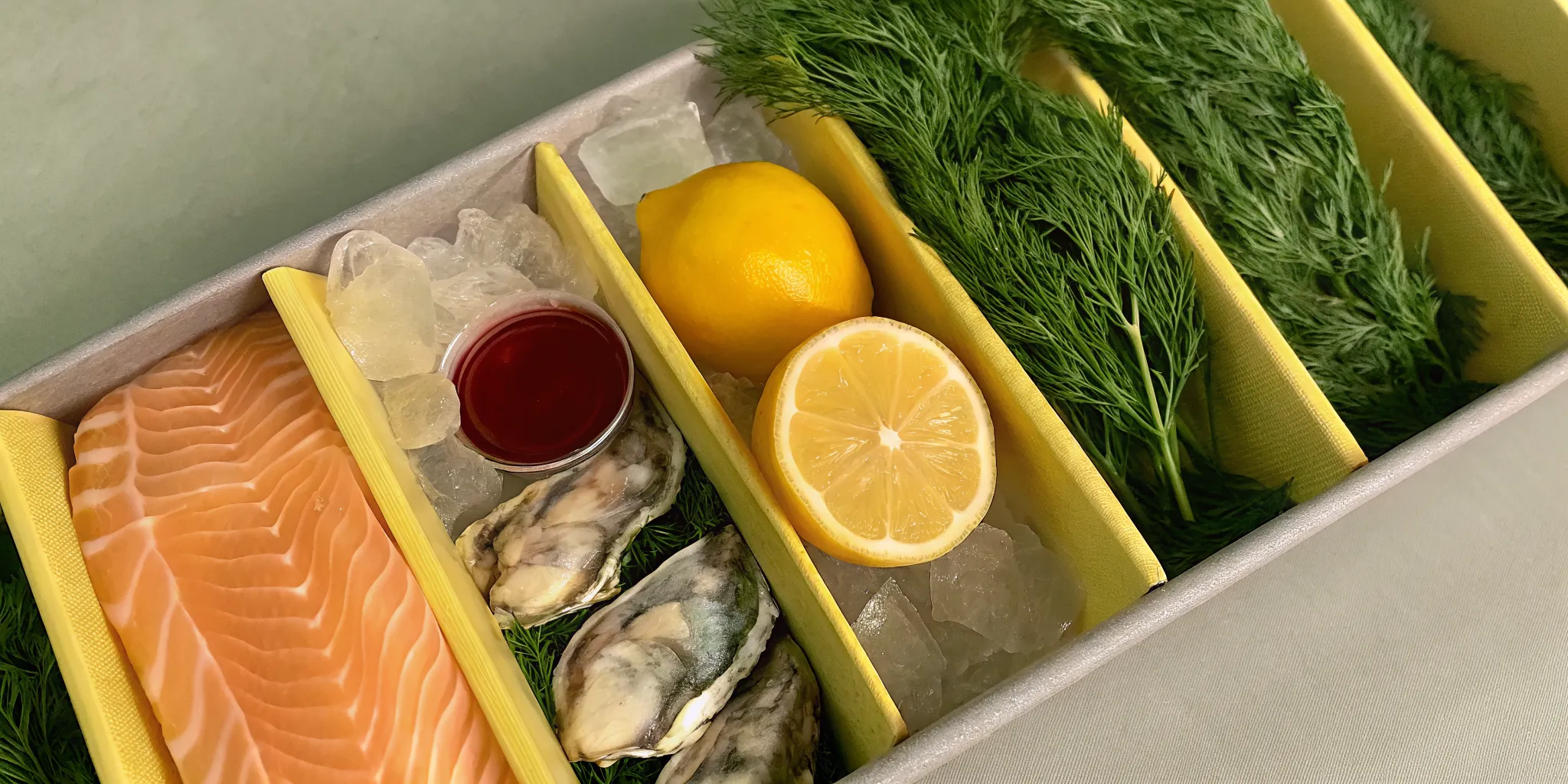
For foods where quality signs can be less familiar, a little product-specific guidance helps. Tre'dish's practical article on what to check when buying fish offers a focused example. Its guide to finding farm-fresh eggs is another place to explore questions about choosing a staple.
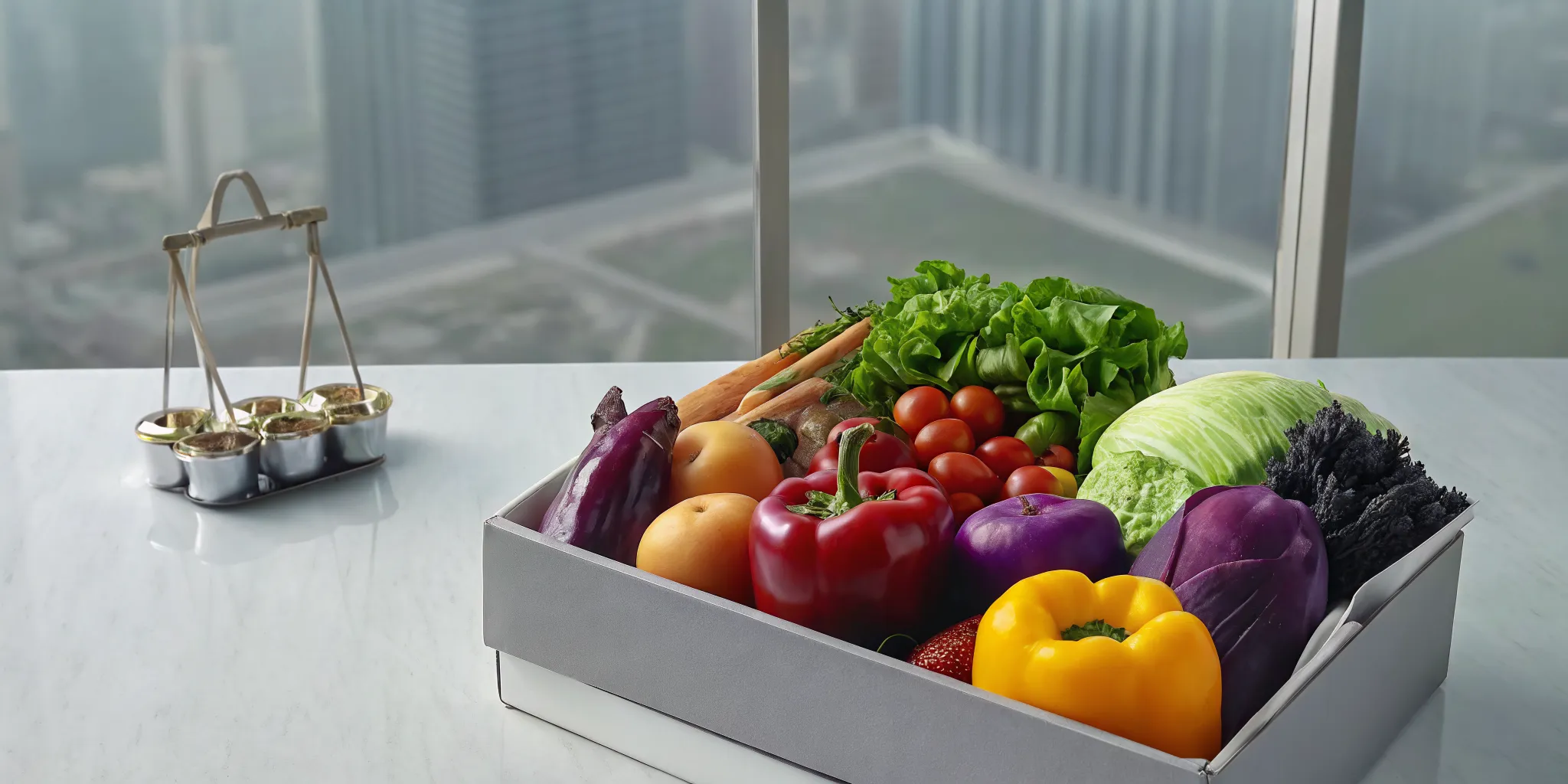
A good weekly basket reflects the week you have, not a perfect meal plan. Start by checking what is already in your fridge, freezer, and pantry. Then choose a few meals you are likely to make and add ingredients that can work in more than one dish. A bag of carrots might go into a soup, a side, and lunches; a grain or pasta can support a quick meal when the evening gets busy.
For example, a household expecting a busy first half of the week might order ingredients for one simple dinner, fruit and breakfast basics, and a few pantry staples. It could choose a second meal with ingredients that keep well, rather than filling the basket with several delicate vegetables that need immediate use. If plans change, review the order controls before the applicable deadline instead of letting the original plan dictate the week.
This approach leaves room for leftovers, a meal out, or a schedule change. A short regular list can make the next shop faster, but it should be a starting point, not a fixed basket. These guides on keeping a pantry stocked and saving time on grocery shopping offer more ideas for a routine that remains practical.

Compare the full experience, not just one price on a product page. Consider the foods you receive, the convenience of delivery, the time involved, and any charges shown at checkout. When comparing similar products, check package size and type as well as the total basket. A smaller package can make a unit price look different, and a promotional price may not describe the whole order.
Tre'dish has no subscription fee; customers pay for products. Orders can be modified, skipped, or canceled. Review the current order information, including the applicable timing and checkout details, before you confirm. Tre'dish describes an approximately 25% average basket savings claim; that is a general basket-level claim, not a promise that every item will cost less than elsewhere. Treat your own chosen basket and current product information as the useful comparison.
It can help to compare a typical week rather than building an artificial basket around only the cheapest items. Write down the staples you would buy either way, then consider whether the service offers the right quality, selection, and delivery routine for those items. The guide to grocery delivery without subscription fees and the overview of a grocery subscription in Canada explain points to consider when reviewing those models.
A short checklist can prevent avoidable surprises. Confirm availability for your exact address, then check the day and timing offered. Review when an order can be edited and what happens if you need to skip or cancel. Before checkout, check product sizes, delivery instructions, payment details, and the current total.
If anything is unclear, the Tre'dish contact page is the appropriate place to ask before ordering. You can also read about Tre'dish to understand the company, or browse its explanation of grocery box types if you are weighing different formats.
A first delivery does not need to solve every grocery need at once. Treat it as a practical test of the ordering process and the foods your household enjoys. Choose familiar essentials and a manageable number of fresh items, rather than adding many products simply because they are new to you. This makes it easier to notice which parts of the service suit your routine.
Before checkout, take a screenshot or note of the items and quantities you selected, along with the delivery details. When the order arrives, compare it with your list while unpacking. Check the product size, condition, and any substitutions or order updates shown by the service. If an item raises a question, refer to the order details and contact the service promptly through its support channel.
After unpacking, take two minutes to note what worked. Did the delivery arrive at a manageable time? Were the item sizes right for the people at home? Did you use the produce before it softened or wilted? Were there groceries you forgot, or items you ordered but did not need? These observations are more useful than judging a service from one unusual week.
Use the notes to make the next basket more precise. Keep recurring essentials on a short list, adjust quantities that created leftovers, and leave a little room for meals that depend on what you already have. A simple review can turn the first order into a routine that saves planning effort without removing your choices.
A recurring delivery is most useful when it creates a dependable baseline without locking you into the same groceries every week. Keep a small list of regular staples, then make the rest of the basket reflect your plans. A week with late workdays might call for simple breakfast foods, easy lunch ingredients, and flexible dinner basics. A quieter week may leave more space for cooking with fresh ingredients.
Set a reminder to review your basket before the order-change window closes. That gives you time to remove something you already have, replace an ingredient, or check whether a planned meal still fits. If you will be away or have enough groceries, use the skip option rather than receiving food you do not need. Tre'dish allows customers to adjust or skip weeks, so a weekly cadence can still accommodate a changing household schedule.
Shoppers interested in Canadian-made products can look for items identified on the site and read about supplier relationships. Tre'dish also partners with Feed Ontario and donates a portion of profits to support food security. This may be relevant to shoppers who want to consider both the products in their basket and the community dimension of their grocery choices.
Tre'dish's confirmed service area is the Greater Toronto Area. Check your specific address for current availability and delivery timing before placing an order.
Tre'dish uses a weekly delivery cadence. Customers can modify or skip weeks, so they can adapt a recurring routine when plans change.
No. Tre'dish does not charge a subscription fee; customers pay for the products they order. Review the checkout details for the current order total and terms.
Orders can be modified, skipped, or canceled. Check the timing and available controls for your order so you make changes before the applicable deadline.
Tre'dish deliveries are refrigerated and use insulated boxes and ice packs. Bring chilled and frozen items inside promptly when the order arrives and store them appropriately.
Choose a service that fits your address, product preferences, and real schedule. Check how fresh items are handled and how much control you have over the next order. Then build a first basket around groceries you know you will use, leaving enough flexibility to adjust as the week unfolds.
A dependable routine should make your week simpler while keeping you in charge of what arrives at your door.