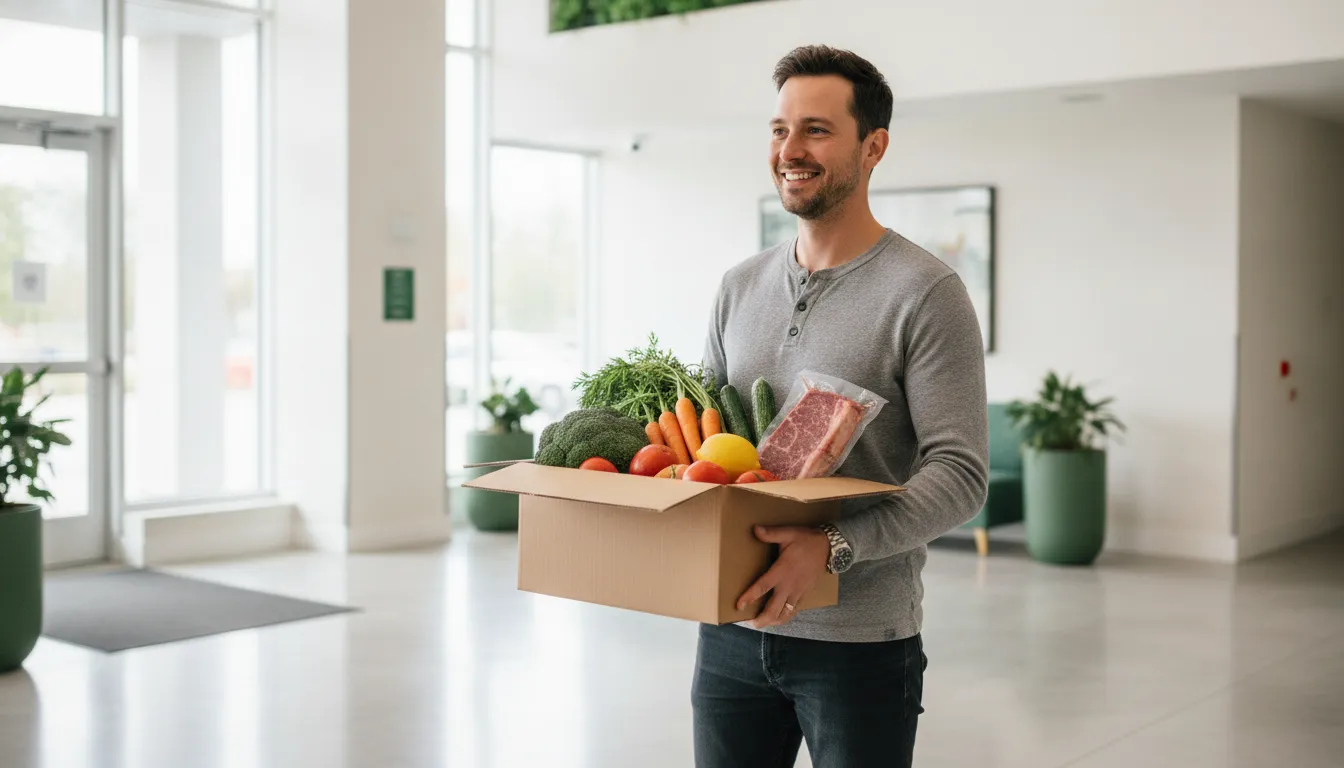
4. The Best Affordable Grocery Delivery Subscription in Canada
Find the best affordable grocery delivery subscription in Canada. Compare top services, pricing, and perks to save time and money on your weekly groceries.

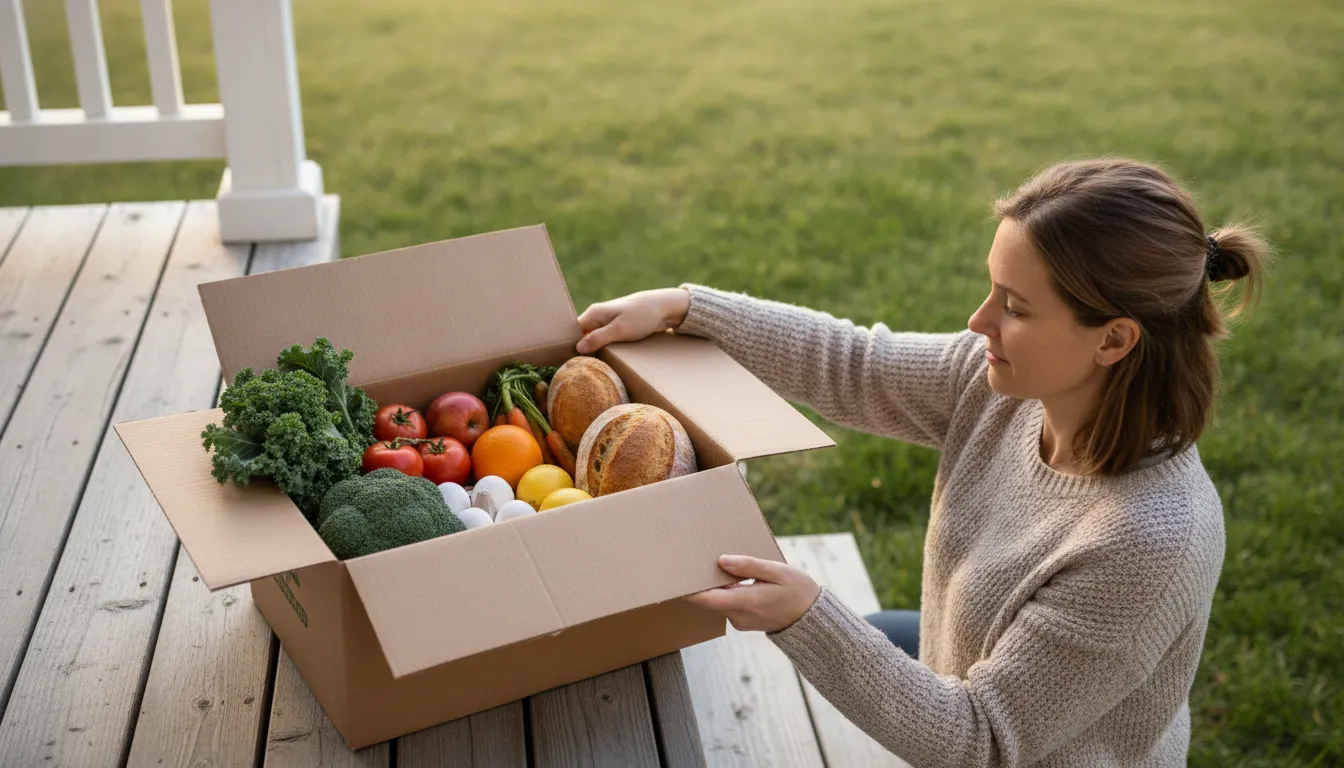
For a busy household, grocery shopping can become a weekly loop of planning, driving, browsing, and carrying bags home. A recurring delivery model changes that routine by making the essentials easier to manage without locking you into a rigid box or a pre-set menu.
A grocery subscription Canada households can use well should provide dependable weekly or bi-weekly delivery, a broad range of regular groceries, and control over every order. You should be able to choose what fits your household, then skip, modify, or cancel when plans change.
That makes the model different from meal kits, which centre on pre-portioned ingredients for specific recipes. And from a discount-first service that treats lower prices as the main benefit. The better question is whether delivery preserves quality, freshness, and choice while giving you back time. Here is what the process looks like in practice, from setting a schedule to managing each order.
A grocery subscription replaces the repeated weekly shop with a dependable delivery schedule that you set up around your household. Instead of starting from scratch every time, you create an account, choose the groceries you want, and arrange recurring delivery weekly or bi-weekly. The process is designed to make routine food shopping easier without taking away your control.
Start Shopping and build your next grocery order.
After signing up, you browse available products and select the items that fit your household. Unlike a meal kit, a grocery subscription is not limited to pre-portioned ingredients for a set of recipes. You can choose standard grocery items across the shop, giving you more room to plan breakfasts, lunches, dinners, snacks, and household staples in one order.
You then choose a delivery rhythm that suits your routine. Weekly delivery can work well for households that cook frequently or prefer smaller, regular shops. Bi-weekly delivery may be a better fit when you have more storage space or a less frequent grocery routine. A predictable schedule helps you plan household food needs and reduces the need to make repeated trips to a store.
Recurring does not mean every order is identical. Before a delivery, you can review what is coming and adjust it as your needs change. If you are away, hosting guests, or still have enough food at home, you can skip an order. You can also modify the products or cancel an order rather than receiving groceries you do not need. That flexibility is an important part of making the model work in real Canadian households.
With Tre'dish, there are no subscription fees. You pay for the products in your order, so the recurring arrangement is about convenience and planning rather than paying for access to a membership. This straightforward approach makes it easier to understand what you are buying and what each delivery costs.
In practical terms, the cycle is simple: choose your products, select a weekly or bi-weekly delivery schedule, review the upcoming order, and skip, modify, or cancel when necessary. For Ontario households looking to put routine groceries on autopilot, the value is having a reliable system that remains flexible when life changes.
The biggest difference is the time a recurring delivery schedule gives back. Instead of driving to the store, finding parking, walking the aisles, waiting at checkout. And carrying everything home, you can arrange a dependable grocery delivery for the week ahead. Grocery delivery services are increasingly used to support time management for busy Canadian households, particularly when repeated shopping trips make already-full schedules harder to manage. Tre'dish is designed to replace that repeated trip with a weekly or bi-weekly delivery you can adjust as your household needs change.
That convenience does not have to mean compromising freshness. Orders arrive through refrigerated delivery with insulated boxes and ice packs, helping protect the quality of groceries while they make their way to your door. For Ontario households who want to buy Canadian groceries online, Tre'dish also sources from more than 200 local Ontario farmers and producers. The result is a simpler way to plan meals and replenish everyday staples without treating delivery as a trade-off for better food.
A store visit often starts with a short list and ends with several unplanned additions. A display catches your attention, an item seems useful for later, or you shop while hungry and buy more than you intended. A planned subscription order gives you a clearer starting point. You choose the groceries your household actually needs, then receive them on the schedule you selected. That structure can help reduce the impulse purchases associated with frequent trips to traditional grocery stores.
It also removes several small tasks that add up over a week. There is no parking lot to navigate, no shelf-stocking aisle to work through, and no need to repeat the same procurement process every few days. The time saved can go toward cooking, family, work, or simply having a less rushed evening.
Predictability is useful when your household relies on the same basics each week. A recurring schedule creates a dependable point for reviewing what is running low, choosing what to replenish, and planning around upcoming commitments. It can reduce the risk of discovering that an essential item is missing just before dinner, while still leaving room for changes in appetite, travel, or seasonality.
Flexibility matters here. A grocery subscription should not lock you into an identical order forever. Tre'dish orders can be skipped, modified, or canceled as needs change. That makes the model closer to a controlled household routine than an automatic box that arrives regardless of whether you need it. You keep the convenience of planning ahead while retaining control over what comes through the door.
For shoppers comparing a grocery subscription Canada option with repeated store trips, the practical question is not whether stores disappear completely. It is whether every essential shop needs to consume the same time and attention. A flexible delivery schedule can handle the regular grocery run, leaving occasional in-person shopping for the items and experiences you genuinely want to choose yourself.
Both services bring food to your door, but they solve different problems. A grocery subscription gives you the building blocks for everyday meals, while a meal kit is organized around a set of recipes. That distinction matters when you are choosing a grocery subscription Canada households can use week after week.
With a grocery subscription, you select the items your household actually uses. Your order can include produce, dairy, pantry staples, snacks, drinks, and other regular groceries, depending on the service. You then cook what you want, in the portions and combinations that suit your household. The model is designed to replace repeated grocery trips with dependable weekly or bi-weekly delivery, rather than dictate a menu.
Meal kits take a more guided approach. Each box is built around specific recipes and typically includes the ingredients needed for those dishes, often measured or pre-portioned. This can make recipe planning easier, especially when you want to try new meals without deciding what to buy. It can also feel limiting if your household has changing schedules, dietary preferences, or ingredients already at home.
| Feature | Grocery subscription | Meal kit |
|---|---|---|
| What arrives | A broad selection of everyday grocery items. | Pre-portioned ingredients for selected recipes. |
| Meal planning | You choose what to cook and when. | Recipes guide the meals included in the box. |
| Household flexibility | Works across changing appetites, schedules, and shopping lists. | Best when you want a defined set of planned meals. |
| Main purpose | Replenish the wider grocery shop. | Make specific recipes with measured ingredients. |
The right choice depends on where you need the most support. Choose a meal kit when the main challenge is deciding what recipes to make or learning new cooking techniques. Choose a grocery subscription when you want one delivery to support the full rhythm of home cooking, from breakfast and lunches to snacks and dinner ingredients.
They do not have to be mutually exclusive. Some households use meal kits occasionally for variety, then rely on a flexible grocery delivery schedule for staples and the rest of the week. A grocery subscription is the more complete replacement for routine grocery shopping because it gives you control over the contents of the order. Rather than limiting the box to a recipe plan. Browse groceries on your own schedule to see which approach fits your kitchen.
A flexible grocery subscription should fit the way your household actually eats, rather than locking you into a fixed box. You can choose the products that belong in your kitchen, adjust the order as your plans change, and set a delivery rhythm that works for your week.
Start with the items you regularly use, then build each order around your household's preferences. That might mean fresh produce, pantry staples, breakfast foods, snacks, dairy, meat, or other everyday groceries. Unlike a meal kit, a grocery subscription is designed around a wider range of standard grocery items, so you are not limited to pre-portioned ingredients for selected recipes. You can replenish the basics while adding something different when you want to try it.
This approach also gives you more control over dietary preferences and changing routines. A family with school-age children may need different staples during the school year than during summer. Someone cooking for one may want smaller quantities, while a larger household may need to add more of its regular items. Customization lets the order reflect those realities instead of making you work around a preset assortment.
Yes. The ability to modify an order is central to a useful grocery subscription. Review what is coming, remove products you do not need, add items for the week ahead, or adjust quantities before the delivery is finalized. This helps keep the service aligned with your actual household inventory and schedule.
For example, you may already have enough of a pantry staple, be hosting guests, or be away for part of the week. Rather than accepting an unchanged delivery, you can make the order more relevant. Tre'dish describes this flexibility as the ability to skip, modify, or cancel orders as household needs change. See the current options at Tre'dish.
Recurring delivery schedules create predictability without requiring every household to follow the same routine. Choose a weekly or bi-weekly rhythm that matches how quickly you use groceries and how often you want to plan. A predictable schedule can make it easier to anticipate household food needs, while the option to adjust an individual order keeps that schedule from becoming restrictive.
The best grocery subscription Canada shoppers choose is not simply the one that repeats automatically. It is the one that gives them meaningful control over what arrives and when. That balance of dependable delivery and easy changes puts routine grocery planning on autopilot while leaving the decisions with you.
Some grocery delivery services use a paid delivery-pass model. In that setup, the customer pays a recurring fee for delivery benefits, such as unlimited free deliveries during the pass period. Voila by Sobeys, for example, lists an Anytime Delivery Pass at $9.99 for one month, $54.99 for six months, or $99.99 for 12 months. Its page also lists midweek pass options at separate prices. A $35 order minimum applies to Delivery Pass orders in Ontario and Quebec. Check the current delivery-pass terms before comparing plans, since prices and conditions can change.
That model can make sense for a household that orders frequently and wants to exchange a predictable pass fee for delivery charges. It is still important to separate the delivery benefit from the groceries themselves. The pass is an additional service arrangement, not a subscription that automatically supplies the food in your home.
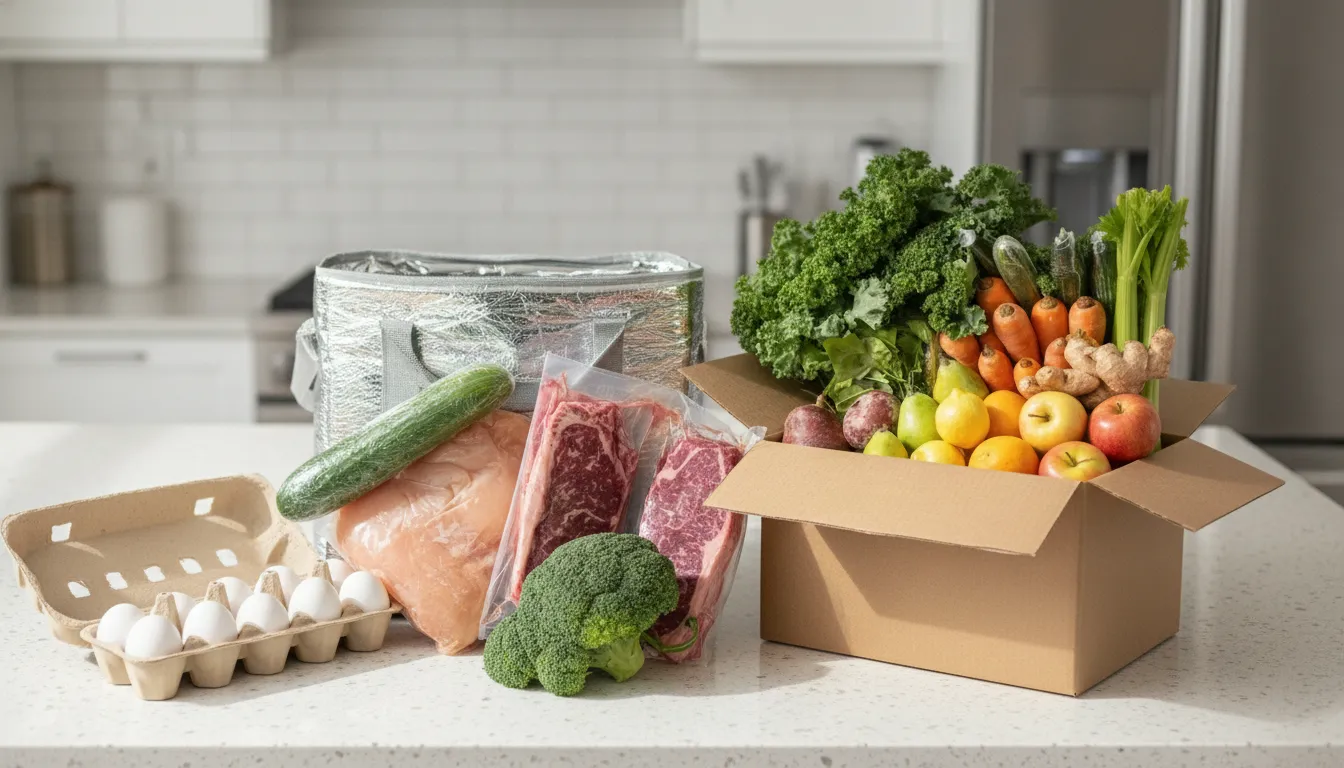
Yes. A no-subscription-fee model keeps the pricing simpler: you pay for the products in your order, without adding a monthly or annual membership fee. Tre'dish follows this approach. Customers can shop for the groceries they need, then manage orders around their household rather than committing to a separate delivery pass.
This distinction matters when comparing a grocery subscription Canada service. The word subscription can describe a recurring shopping routine, but it does not have to mean a paid membership. Look for clear information about product prices, delivery charges, order minimums, renewal terms, and cancellation rules. A transparent model should make it easy to understand what you are paying for before you place an order.
Consider whether the service gives you useful control. Can you change your selections when plans change? Can you skip an order while travelling or cancel when you no longer need it? Tre'dish orders can be skipped, modified, or canceled, so the recurring schedule is designed to support real household routines rather than lock customers into an inflexible commitment.
Also compare the quality and range of the groceries, delivery coverage, and how food is handled in transit. A low or waived delivery fee is less valuable if the service does not fit your shopping needs. For many Ontario households, the better question is not simply whether delivery is free, but whether the overall grocery routine is clear, flexible, and dependable.
Convenience only works when the groceries arriving at your door are as dependable as the delivery schedule. A grocery subscription should make it easier to keep quality food at home, not ask you to compromise on freshness for the sake of saving a trip.
That starts with the delivery process. Tre'dish uses refrigerated delivery with insulated boxes and ice packs to help protect groceries in transit. This eco-friendly packaging approach supports the practical side of online shopping: food can travel to your home while staying properly protected from changing temperatures. Refrigerated logistics are essential to providing fresh groceries through a subscription model, rather than treating delivery as an afterthought. Learn more about Tre'dish grocery delivery.
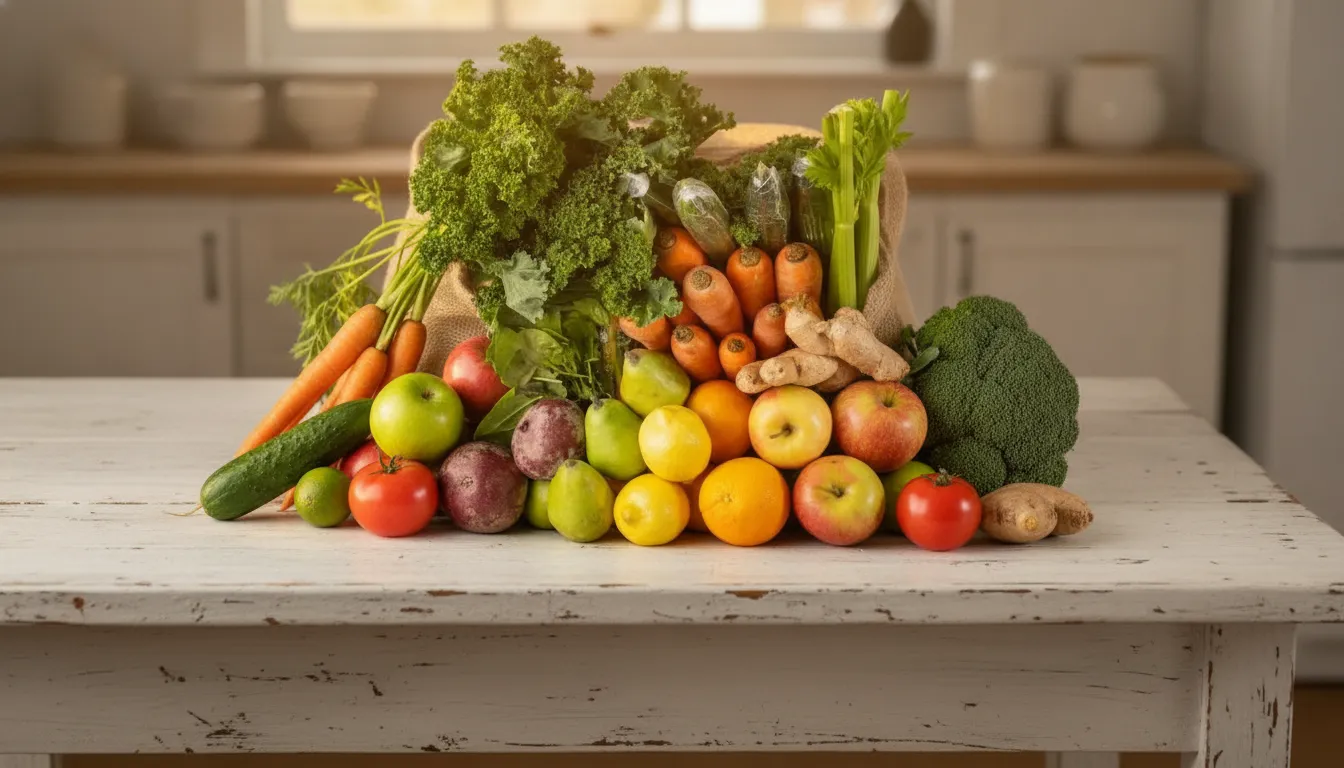
Freshness is also connected to where food comes from. Tre'dish sources from more than 200 local Ontario farmers and producers, giving the service a direct connection to the regional food system. That local focus matters for shoppers who want to know more about the producers behind their groceries and prefer a delivery service built around Canadian food relationships.
For busy households, this can make quality easier to maintain week after week. Instead of relying on rushed store visits or filling a basket without much thought, customers can build a grocery routine around products they actually want to bring home. Local sourcing also gives the subscription a clearer purpose: it is not simply a recurring order. But a way to keep everyday food choices connected to Ontario growers and producers.
Quality is not limited to what is inside the box. Tre'dish partners with Feed Ontario and donates a portion of its profits to support food security in the province. That partnership gives customers another reason to consider the broader impact of their grocery routine. The delivery is convenient, the packaging is designed with freshness and environmental responsibility in mind, and the business contributes to a local cause.
These details are what make a grocery subscription in Canada worthwhile over time. A dependable service should protect the quality of the food, provide a transparent connection to local producers, and reflect the values of the households it serves. When freshness, sourcing, and community impact are built into the model, convenience feels like an improvement to everyday life rather than a trade-off.
The right service should make your routine easier without asking you to give up control. Before signing up, look beyond delivery frequency and compare how the service handles everyday changes, product quality, coverage, and pricing. A grocery subscription should support the way your household actually shops, not force you into a fixed box or a discount-focused model.
Household needs change from week to week. Look for a service that lets you skip an order when you are away, modify it when plans change, or cancel without unnecessary friction. Tre'dish allows customers to skip, modify, or cancel orders, so recurring delivery remains a convenience rather than an obligation. That flexibility matters for travel, holidays, changing schedules, and weeks when your freezer is already full.
A full grocery subscription should cover more than ingredients for a few selected recipes. Check whether the catalogue includes the everyday foods, household staples, brands, and fresh items your family already uses. Then look at how quality is protected between the supplier and your door. Refrigerated delivery, insulated boxes, and ice packs are practical signs that freshness is part of the service design, not just a marketing promise.
Ask where the food comes from and whether the service identifies its producers clearly. Tre'dish sources from more than 200 local Ontario farmers and producers, connecting a recurring grocery routine with regional food businesses. This is a stronger quality signal than a vague claim about being Canadian. Clear sourcing also helps you decide whether a service's values and product standards fit your household.
Before building a recurring order, enter your postal code or confirm the service area directly. Coverage can vary by provider and address. Tre'dish delivers across Ontario, but checking your specific location is still worthwhile, especially if you live in a rural or remote community. Also review delivery frequency and arrival windows to make sure they fit your weekly routine.
Transparent pricing should make it easy to understand what you pay for each order and whether any recurring fee is added. Tre'dish customers pay for their products and do not pay a subscription fee. That distinction keeps the comparison straightforward. Review delivery charges, minimum order requirements, taxes, and any optional add-ons before your first order. A service that explains these details clearly is easier to trust and manage over time.
Use this checklist to compare services on fit, freshness, and control first. The best grocery subscription for your household is the one that reliably supports your routine while leaving room for real life.
Start Shopping and put your household groceries on autopilot with dependable weekly delivery.
You choose the groceries your household uses, set a recurring weekly or bi-weekly delivery, and receive the order on a predictable schedule. A flexible service lets you update the contents, skip an upcoming delivery, or cancel when your plans change. The model replaces repeated shopping trips without locking you into identical boxes.
Yes. A grocery subscription lets you select everyday ingredients and household staples for your own meals. Meal kits usually contain pre-portioned ingredients tied to specific recipes. Choose groceries when you want control over brands, quantities, recipes, and the rest of your regular shop.
Customization is a key difference between a flexible grocery service and a fixed box. You can adjust the products in an order, change what you need for the next delivery, or skip a week when your household is away or already stocked. Check the service's delivery area and change deadlines before subscribing.
Fee structures vary. Some grocery delivery services charge a monthly or annual pass fee, while others use order minimums or delivery charges. Tre'dish has no subscription fee, so customers pay for the products they order. Review the full pricing and delivery terms before choosing a service.
Some services prioritize local sourcing, but the selection depends on the provider and season. Tre'dish sources from more than 200 local Ontario farmers and producers, making local food part of its grocery model rather than an optional add-on.
Grocery shopping does not have to mean a weekly loop of planning, driving, browsing, and carrying bags home. A flexible grocery subscription in Canada puts the routine on autopilot: dependable weekly or bi-weekly delivery. A wide range of groceries, and full control to skip, modify, or cancel any order. The trick is choosing a service that preserves quality and freshness while giving you back time. Rather than one that locks you into a set menu or a paid membership.
Tre'dish delivers high-quality groceries from more than 200 local Ontario farmers and producers, using refrigerated, eco-friendly packaging to protect freshness in transit. There are no subscription fees; you simply pay for the products in each order. Deliveries are dependable, customization is in your hands, and a portion of profits supports Feed Ontario.
If that sounds like the easier way to keep your kitchen stocked, create an account and start building your order. You can set a delivery schedule, choose the products your household actually uses, and adjust anything as plans change.
Start Shopping today to see how a flexible grocery subscription Canada model can work for your household.