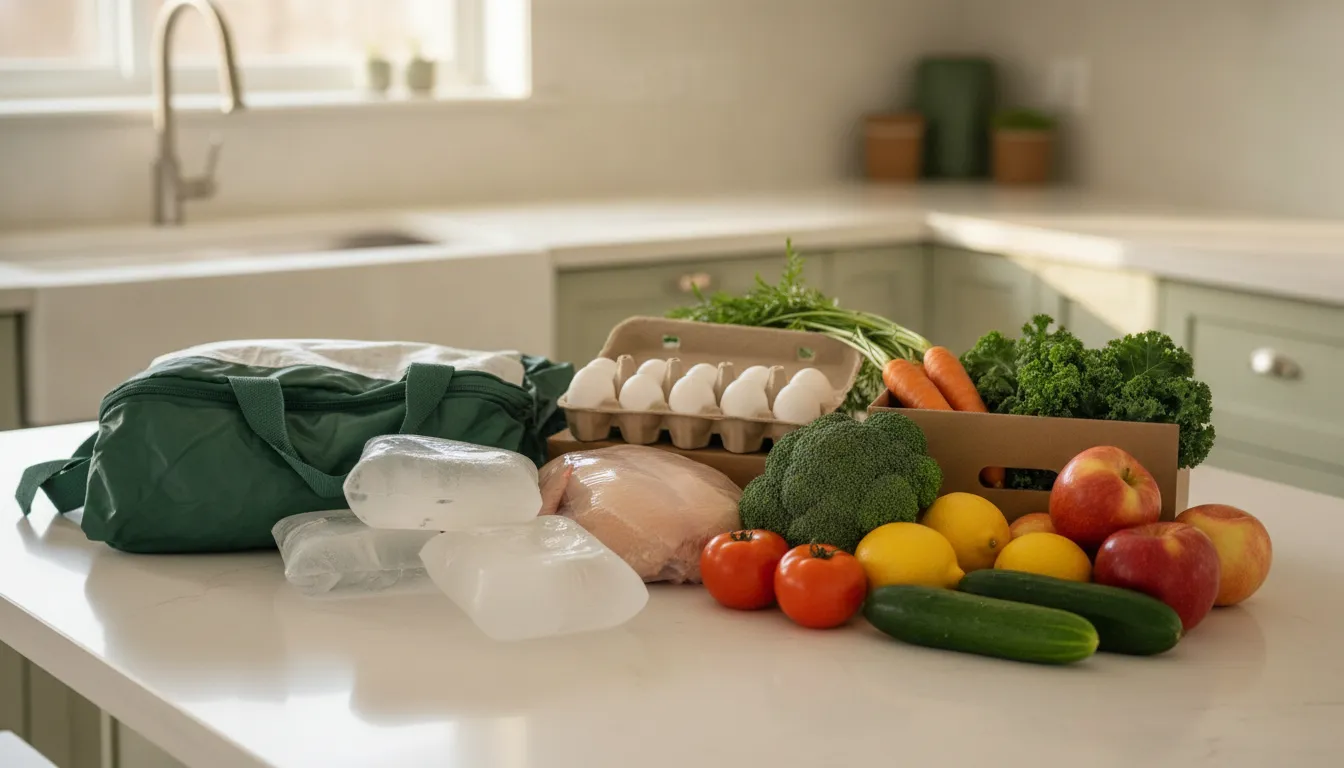
How Does Grocery Delivery Work in Ontario?
Learn how does grocery delivery work in Ontario, from online ordering and fulfillment to cold-chain handling, flexible changes, and scheduled doorstep delivery.

A well-stocked pantry is one of the most effective tools for managing your household budget. When you have the right staples on hand, you’re less likely to resort to expensive takeout or make last-minute, impulse-driven trips to the store. It’s a simple strategy that reduces food waste and helps you get the most value out of every grocery dollar. Learning how to keep pantry stocked is about more than just convenience; it’s a smart financial habit. Ahead, we’ll explore practical tips for building and maintaining your pantry without overspending, so you can cook creatively and save money week after week.
A well-stocked pantry is your secret weapon for getting delicious, home-cooked meals on the table, even on the busiest weeknights. It’s not about having a prepper-level stockpile, but about having the right building blocks on hand to create a variety of meals without a last-minute trip to the store. Think of it as your personal, in-house grocery aisle, curated just for you. By keeping these essentials ready to go, you can cook more creatively, reduce food waste, and make your weekly grocery runs much more efficient. Let’s walk through the key items every Canadian kitchen can count on.
These are the foundational items that give your meals substance and structure. Having a good variety means you’re never more than 20 minutes away from a satisfying meal. Start with versatile grains like rice, quinoa, and different pasta shapes. Dried lentils and beans are inexpensive, protein-packed additions to soups and stews. In your cupboard, a few key canned goods are non-negotiable: diced tomatoes for sauces, coconut milk for curries, and a good-quality chicken or vegetable broth for adding depth to just about anything. Canned beans and fish like tuna or salmon are perfect for quick lunches and salads.
If grains are the foundation, then oils, vinegars, and spices are what bring your food to life. You don’t need a hundred different bottles, just a few hardworking essentials. A good quality olive oil is perfect for dressings and finishing dishes, while a neutral oil like canola or avocado is better for high-heat cooking. For vinegars, start with apple cider, red wine, and balsamic; they can be used to brighten up everything from salads to marinades. Your spice rack should include salt, black pepper, garlic powder, onion powder, cumin, paprika, and dried oregano. This small but mighty collection can take you through dozens of different flavour profiles.
Even if you’re not an avid baker, having a few baking staples on hand is a game-changer for weekend breakfasts and simple treats. All-purpose flour, granulated sugar, and brown sugar are the trifecta for most recipes. Add baking powder, baking soda, and pure vanilla extract, and you’re ready for pancakes, muffins, or a batch of emergency cookies. These items have a long shelf life, so you can stock up and know you’re prepared for any spontaneous baking urges. Keeping unsweetened cocoa powder and chocolate chips in the cupboard is also a very good idea for obvious reasons.
Your fridge and freezer are extensions of your pantry, holding the fresh ingredients that complete the meal. In the fridge, always keep onions, garlic, carrots, and celery on hand; they are the base for countless recipes. Eggs, milk (or a plant-based alternative), butter, and a block of cheddar or Parmesan are also essential. Your freezer is perfect for storing items you want to use throughout the week or month. Stock it with proteins like ground beef or chicken breasts, and don't forget frozen vegetables and fruit. Frozen peas, corn, spinach, and berries are just as nutritious as fresh and are perfect for adding a quick addition of nutrients to smoothies, soups, and stir-fries.
The idea of a perfectly stocked pantry can feel like a huge, expensive project. But a lot of that pressure comes from misconceptions about what it means to keep a pantry. Let's clear up a few common myths. Thinking about your pantry as a practical, evolving part of your kitchen, rather than a static collection of goods, makes the whole process feel much more manageable. It’s not about having everything, but about having the right things for you, ready when you need them.
The thought of buying an entire pantry's worth of food in one go is enough to make anyone's wallet cry. The good news is, you don't have to. A great pantry is built over time, not in a single, overwhelming shopping trip. The best approach is to start with a plan. Think about the meals your family enjoys for the next week, make a shopping list, and buy only what you need for those recipes. Each week, you can add one or two new staples, like a different type of grain or a spice you're curious about. This slow and steady method ensures you’re stocking items you’ll actually use, preventing waste and spreading out the cost.
We all love crisp, fresh produce, but it’s not always the superior choice. In fact, frozen fruits and vegetables are often just as nutritious, if not more so. That’s because they are typically flash-frozen at their peak ripeness, which locks in vitamins and minerals. Fresh produce, on the other hand, can lose some of its nutritional value during transport and storage. Having a stash of frozen peas, corn, or berries means you have quality ingredients on hand for smoothies, soups, or side dishes anytime. Canned goods, like tomatoes and beans, are also fantastic, cost-effective staples that make meal prep a breeze.
While a well-stocked pantry is certainly useful in an emergency, its main job is to make your everyday life easier. Think of it less like a survival bunker and more like your personal grocery aisle. Having key ingredients on hand means you can whip up a delicious, complete meal without a last-minute trip to the store. It’s the secret to turning a handful of simple items into a satisfying dinner on a busy weeknight. A pantry filled with your go-to staples is like having money in the bank, giving you flexibility, saving you time, and inspiring creativity in the kitchen.
That can of beans from two years ago is probably fine, but not all pantry items are built to last indefinitely. Spices lose their potency, oils can go rancid, and whole-wheat flour can spoil. To get the most out of your staples, it’s important to pay attention to their shelf life. For items like baking powder or soda, it’s a good idea to write the date you opened them on the box, as they are best used within six months. A simple "first-in, first-out" system, where you move older items to the front, helps ensure you’re always using the freshest ingredients and minimizing waste.
A well-stocked pantry is the secret weapon of a calm, organized household. But let's be clear: it’s not about having rows of obscure ingredients you saw online. The best pantry is a personalized collection of staples that reflects how your family actually eats. It’s a system built around your go-to meals, your kids’ favourite snacks, and your unique dietary needs. Building this foundation makes weekly meal planning simpler and helps you get the most out of your fresh grocery deliveries.
Think of your pantry as the reliable backbone of your kitchen. It’s filled with the shelf-stable items that turn your fresh proteins and produce from your Tredish order into a complete, delicious meal. When you know you have the right pasta, rice, and spices on hand, you eliminate that last-minute stress of figuring out what’s for dinner. The key is to stock it with purpose, so every item has a role to play. We’ll walk through how to create a pantry that truly serves you, starting with your family’s favourite foods.
The first rule of building a functional pantry is to stock what you love. It’s easy to get caught up in lists of "must-have" staples, but if your family won't eat lentils, there’s no point in letting them gather dust on your shelf. Instead, start by thinking about your top five to ten weeknight dinners. What are the non-perishable ingredients you reach for again and again? Is it pasta and canned tomatoes for a quick bolognese? Or maybe it's black beans, rice, and taco seasoning?
These ingredients are the true foundation of your pantry. A generic pantry essentials checklist is a great starting point, but you should always treat it as a guide, not a strict rule. Customize it to fit your family’s preferences to ensure nothing goes to waste.
Your pantry should be a safe and reliable resource for everyone in your household. Before you stock up, take a moment to consider any food allergies, intolerances, or specific dietary choices your family follows. If someone is gluten-free, for example, your go-to grains might be rice and quinoa instead of wheat pasta and barley. If you have a nut allergy in the house, you’ll want to be mindful of oils, snacks, and cross-contamination.
Take an inventory of your current stock and see if it aligns with your family’s needs. It can be helpful to create designated zones on your shelves, like a dedicated spot for gluten-free items, to make grabbing the right product quick and easy. Being mindful of these needs helps you manage food allergies at home and makes cooking for your loved ones much simpler.
Once you’ve mapped out your family’s favourite meals and dietary needs, it’s time to create a master list. This isn't just a shopping list; it's your pantry’s blueprint. This list should include all the core items you want to have on hand at all times, from canned goods and grains to oils and spices. Before you finalize your list, it’s a good idea to clean out your pantry and check expiration dates. This gives you a clear picture of what you actually use and what needs to be replaced.
Keep this master list on your phone or on a clipboard in the kitchen. It will make your weekly shopping trips more efficient and prevent you from forgetting essentials. It’s also the perfect tool for setting up your Tredish subscription, ensuring your pantry staples are replenished automatically.
A well-organized pantry is more than just aesthetically pleasing; it’s the command centre of a smart kitchen. When you can see what you have at a glance, you reduce food waste, simplify meal planning, and make grocery shopping much more efficient. An organized space works perfectly with a predictable grocery service like Tre’dish, because you’ll know exactly what you need to restock without having to guess.
Think of it as setting your kitchen up for success. A little bit of organization goes a long way in saving you time and money every single week. By creating a system that works for you, you can grab what you need without a frantic search, and you’ll stop buying duplicates of items you already have. Let’s walk through a few simple, actionable steps to get your pantry, fridge, and freezer in top shape for everyday use.
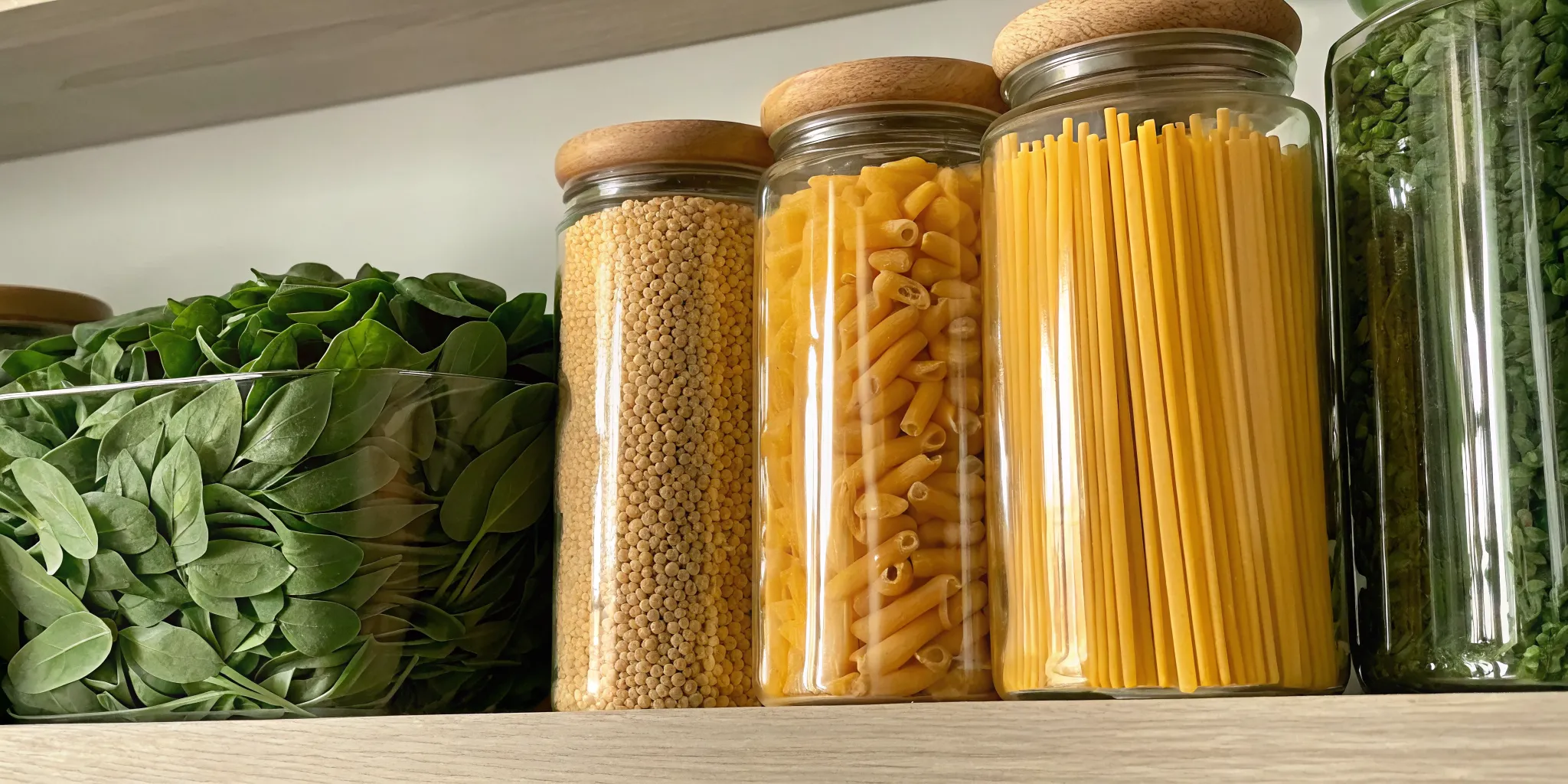
One of the best things you can do for your pantry is to get your dry goods out of their bulky packaging. Decanting items like pasta, oats, rice, flour, and coffee into clear, airtight containers is a total game-changer. This simple habit not only keeps your food fresher for longer but also lets you see exactly how much you have left with a quick look. No more discovering a nearly-empty bag of quinoa mid-recipe.
To take it a step further, add simple labels to your containers. This helps you tell the difference between similar-looking ingredients (like all-purpose and bread flour) and gives you a spot to note the expiration date. Using airtight containers is a small upfront investment that pays off by preventing food spoilage and making your pantry much easier to manage.
Creating "zones" in your pantry will make finding what you need feel intuitive. Instead of having a random assortment of cans and boxes, try grouping similar items together. Designate specific shelves or areas for categories like weeknight dinners (pasta, sauces, grains), baking supplies (flour, sugar, chocolate chips), breakfast foods (oats, cereal, pancake mix), and snacks. You can even use baskets or bins to corral smaller items like spice packets and granola bars.
This method makes it incredibly easy to take a quick inventory before you finalize your next grocery order. When you need to see if you’re low on canned tomatoes, you’ll only have to look in one spot. To make shopping and stocking simpler, you can group your pantry items into whatever categories make the most sense for your family’s eating habits.
To get the most value out of your groceries and minimize waste, adopt the "First-In, First-Out" (FIFO) method. It sounds technical, but it’s simple: when you buy a new item, place it behind the older ones you already have. This encourages you to use up what you bought first, ensuring everything gets eaten long before its expiration date. It’s a standard practice in professional kitchens for a reason.
A good rule of thumb is to clean out your pantry a couple of times a year to toss anything that's expired and reorganize. This is the perfect time to wipe down shelves and reset your FIFO system. This small routine keeps your pantry fresh and your budget in check.
Your pantry doesn’t stop at the pantry door. Your fridge and freezer are vital extensions of your food storage, especially for preserving high-quality proteins and produce. A well-stocked freezer, in particular, is a secret weapon for busy weeknights. You can freeze everything from bread and batch-cooked soups to the fresh, Canadian-sourced proteins from your Tre’dish order.
Keeping your freezer stocked with items like frozen vegetables is also a smart move, as they often retain more nutrients and flavour than their canned counterparts. By treating your freezer as part of your pantry, you’ll always have the building blocks for a healthy, delicious meal ready to go, saving you from last-minute trips to the store.
A well-stocked pantry is your secret weapon for stress-free weeknight dinners and serious savings. When you know what you have, you can build delicious meals around those ingredients instead of starting from scratch every time you think about food. This "shop your pantry first" approach is the key to reducing food waste, saving money, and making your weekly grocery run faster and more focused. By planning from your pantry, you turn what you already own into the foundation of your meals, only adding the fresh ingredients needed to complete the picture. It’s about making your kitchen work smarter for you, giving you back time and energy. With a little organization, you can transform your pantry from a random collection of cans into a strategic tool for effortless meal creation.
Before you even think about making a grocery list, take a quick look at what you already have. This doesn't have to be a massive undertaking. Just spend five minutes scanning your pantry, fridge, and freezer once a week. What needs to be used up soon? Do you have three cans of black beans and a bag of rice? That’s the start of a great burrito bowl night. This simple habit helps you reduce food waste and ensures you’re not buying duplicates. While a deep clean and organization is great to do a few times a year, this weekly check-in is your key to practical, everyday meal planning and a smarter grocery budget.
Once you know what you have, you can sketch out a loose plan for the week. The key word here is flexible. This isn’t about assigning a strict meal to every single night. It’s about creating a list of meal ideas you can make with the ingredients on hand, plus a few fresh items. For example, if you have pasta, canned tomatoes, and ground beef in the freezer, "spaghetti and meat sauce" goes on the list. Got chicken and broccoli? "Sheet pan chicken" is another option. Planning this way helps you build a targeted shopping list for the few things you need to complete your meals, making your grocery trip quick and efficient.
Stocking your pantry with flexible ingredients is a game-changer. These are the items that can play a role in multiple dishes, giving you more options on busy nights. Think about things like canned coconut milk, which can be the base for a curry or a creamy soup. A jar of good pesto can be tossed with pasta, spread on sandwiches, or mixed into roasted vegetables. Panko breadcrumbs are perfect for adding crunch to a casserole or coating chicken. Having these multi-purpose staples on hand means you can easily pivot your meal plan without needing an extra trip to the store. It’s all about having the right building blocks ready to go.
Batch cooking is a gift to your future self. When you have a bit of extra time, make a big pot of something that freezes well, like chili, tomato sauce, or lentil soup. Then, portion it into smaller, meal-sized containers and pop them in the freezer. This is incredibly helpful for those nights when you’re too tired to cook. Instead of ordering takeout, you can just pull a delicious, home-cooked meal from the freezer. Using quality proteins and produce from your Tredish order for your batch cooking ensures your freezer meals are just as wholesome and tasty as the ones you make fresh.
A well-stocked pantry is your secret weapon for stress-free weeknight dinners, but keeping it full doesn’t have to be a chore. Shopping smarter is about creating simple, repeatable habits that save you time, money, and mental energy. It means walking into the grocery store (or opening your laptop to shop) with a clear plan, knowing exactly what you need, and avoiding the impulse buys that drain your budget.
By being strategic, you can cut down on food waste and ensure you always have the building blocks for a healthy meal on hand. It’s not about complex spreadsheets or extreme couponing. It’s about a few key principles: planning ahead, buying the right quantities, celebrating seasonal ingredients, and letting technology handle the repetitive tasks for you. These small adjustments can transform your grocery routine from a weekly hassle into a smooth, efficient process.
The single most effective way to shop smarter is to always use a list. Before you even think about heading to the store, take a few minutes to plan your meals for the week. Check your pantry, fridge, and freezer to see what you already have, then write down every single ingredient you need to complete your recipes.
When you have a list, you have a mission. It helps you stay focused and resist the temptation to grab extra snacks or sale items you don't actually need. Sticking to your list is a powerful way to control your grocery budget and make sure the food you buy gets eaten instead of forgotten at the back of a shelf.
Buying in bulk can be a fantastic way to save money on pantry staples, but only if you do it strategically. Items you use constantly, like oats, rice, pasta, and cooking oils, are often cheaper per unit in larger quantities. The same goes for spices; if you use a lot of oregano or garlic powder, buying a larger container can be much more cost-effective over time.
The key is to be honest about your consumption habits. It’s not a deal if you won’t use it before it expires. Before buying a giant bag of quinoa or a case of canned tomatoes, be sure it’s a true staple in your household. A good approach is to track your usage for a month to identify which items you reach for most often.
While we often think of the pantry as just dry goods, smart shopping extends to your fresh produce too. Building your meals around seasonal Canadian fruits and vegetables is a win-win. Not only does seasonal produce taste better and contain more nutrients, but it’s also typically more affordable because it’s abundant and doesn't have to travel far to get to you.
Embrace root vegetables and apples in the fall, and look forward to fresh berries and leafy greens in the summer. Focusing on what’s in season supports local Canadian farmers and adds delicious variety to your diet. It’s a simple way to connect with the food you eat while getting the best quality and value for your family.
For the core items you buy week after week, the smartest move is to put them on autopilot. A grocery subscription is the ultimate tool for saving time and ensuring you never run out of your essentials. There’s nothing worse than starting a recipe only to realize you’re out of a key ingredient. As The Pioneer Woman notes, "It's better to buy it now than need it later and be without it."
Services like Tre’dish let you build a recurring order of high-quality staples, from fresh produce to proteins, that arrives on a predictable schedule. This removes the mental load of remembering to buy milk, eggs, or chicken every week. You get the convenience of delivery combined with fair, transparent pricing, giving you back precious time while keeping your kitchen reliably stocked.
We’ve all been there: you’re halfway through a recipe when you realize you’re out of a key ingredient. That frantic, last-minute dash to the store is something I think we’d all prefer to avoid. The secret to a consistently well-stocked pantry isn’t about having a massive space or buying one of everything. It’s about having a simple, reliable system for knowing when it’s time to replenish your supplies before you run out. By figuring out what works for you, you can take the guesswork out of restocking and make sure you always have what you need on hand.
The first step is to simply pay attention. What are the items you reach for over and over again? Is it a specific brand of olive oil, your favourite pasta, or the rolled oats you eat for breakfast every morning? Your pantry will naturally fill up with the ingredients you use often, which makes future meal planning so much easier. Keep a running list on your phone or a magnetic notepad on the fridge. Every time you open the last can of tomatoes or get to the bottom of the quinoa jar, jot it down. This isn't about micromanaging every spice, but about keeping tabs on the workhorses of your kitchen so you’re never caught off guard.
Once you know what you use most, the next step is to build a routine around restocking it. This prevents those moments of panic and helps you shop with intention. Before you even think about your weekly grocery run, take five minutes to scan your pantry and fridge. Cross-reference what you have with the list of most-used items you’ve been tracking. This is the perfect time to plan your meals for the week ahead. By writing down exactly what you need before you shop, you’ll stick to your list and avoid filling your cart with impulse buys. Making this a weekly habit turns restocking from a chore into a simple, organized part of your routine.
If you want to take restocking off your mental to-do list entirely, it’s time to put your pantry staples on autopilot. A grocery subscription is the ultimate set-it-and-forget-it solution for your most-used items. You can schedule recurring deliveries of your go-to essentials like coffee, pasta, and cooking oils, ensuring you never run out. This approach follows a simple motto: it's better to have it before you need it. When you put your groceries on autopilot, you get the peace of mind that comes with a consistently stocked kitchen. You save time, skip the extra trips to the store, and get high-quality Canadian staples delivered right to your door, making mealtime simpler and more predictable.
How do I start stocking my pantry if I'm on a tight budget? You don't need to buy everything at once. The best way to start is by planning your meals for the week and buying only the non-perishable ingredients you need for those specific recipes. Then, each week, try adding just one or two extra staples to your list, like a bag of lentils or a spice you're curious about. This slow and steady approach builds your pantry over time without a huge upfront cost and ensures you're only stocking items you will actually use.
My pantry is tiny. How can I make the most of a small space? A small pantry just requires a bit of strategy. Start by decanting dry goods like rice and pasta into clear, stackable containers to take advantage of vertical space. Use bins or baskets to group similar items together, like baking supplies or breakfast foods, so you can pull out a whole category at once. This prevents things from getting lost in the back. An organized system makes even the smallest cupboard feel functional and easy to navigate.
What's the best way to keep track of what I need to buy? The simplest methods are often the most effective. Keep a running list on a notepad on your fridge or in a note on your phone. The moment you use the last of an item, like olive oil or a can of tomatoes, write it down immediately. This turns a big task into a small, ongoing habit. When it's time to shop, your list is already halfway done, which makes planning your weekly order much faster.
Are frozen and canned foods actually healthy? Yes, they absolutely can be. Fruits and vegetables are often frozen or canned at their peak ripeness, which helps lock in their vitamins and minerals. In some cases, they can be just as nutritious as their fresh counterparts, which may lose nutrients during transport. Canned beans, tomatoes, and fish, along with frozen produce, are convenient and affordable building blocks for countless healthy meals.
How does a grocery subscription fit in with pantry stocking? A subscription is the perfect final step for an efficient kitchen. Once you identify the core staples your family uses every week, like milk, eggs, coffee, or specific proteins, you can put them on autopilot. A service like Tredish handles the repetitive task of restocking your essentials, so you have a reliable foundation of high-quality ingredients arriving on a predictable schedule. This saves you time and mental energy, freeing you up to focus on cooking.