Grocery Delivery Ontario: Why Families Are Switching
Start your smarter grocery routine today and see why Ontario families choose grocery delivery Ontario services that bring fresh local food to their door.

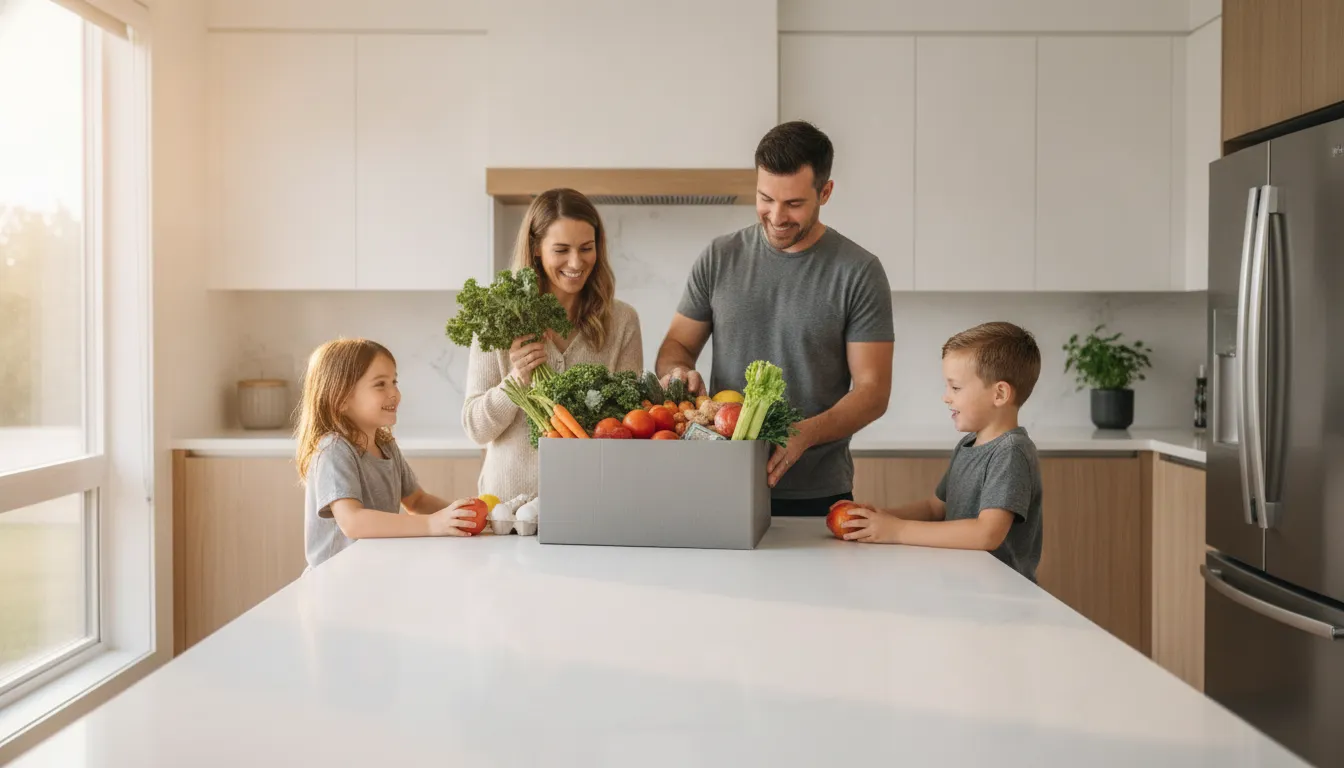
Let’s be honest: the weekly grocery run can feel like a chore that eats up your precious weekend. Between the crowded aisles, the impulse buys that wreck your budget, and the hassle of lugging everything home, it’s easy to wish for a better way. That’s where the concept of a grocery box comes in. It’s a simple idea that can completely change your relationship with shopping. Whether you’re looking for a physical box to make your store trips more efficient or a subscription service that brings quality ingredients to you, the right solution can save you time, money, and a whole lot of stress.
If you've heard the term "grocery box" floating around, you might be wondering what it actually means. The truth is, it can refer to a few different things, from the physical container you carry your food in to a full-service delivery subscription. Understanding the differences can help you figure out which option is the best fit for your life. Let's break down the three main types of grocery boxes you'll encounter so you can shop smarter, not harder.
First up is the most straightforward definition: a physical, reusable box for your groceries. Think of it as a major upgrade from flimsy bags. These are typically sturdy, box-shaped containers with hard bottoms that stand up on their own, making it a breeze to pack your items at the checkout. They're built to handle heavy loads, so you don't have to worry about your milk crushing your bread on the way home. You can find all sorts of foldable grocery boxes online, designed to make your shopping trips smoother and more organized. It’s a simple switch that can make a big difference in your weekly routine.
The term "grocery box" also describes a wonderful type of community initiative. These programs focus on bringing fresh, affordable food to neighborhoods that might not have easy access to a full-service grocery store. By setting up local food hubs, these programs make it easier for everyone to get healthy produce and pantry staples. It’s a model that supports local communities by creating jobs and promoting healthier eating habits. The Grocery Box program is a great example of how these initiatives work to build a stronger, more sustainable local food network, one box at a time.
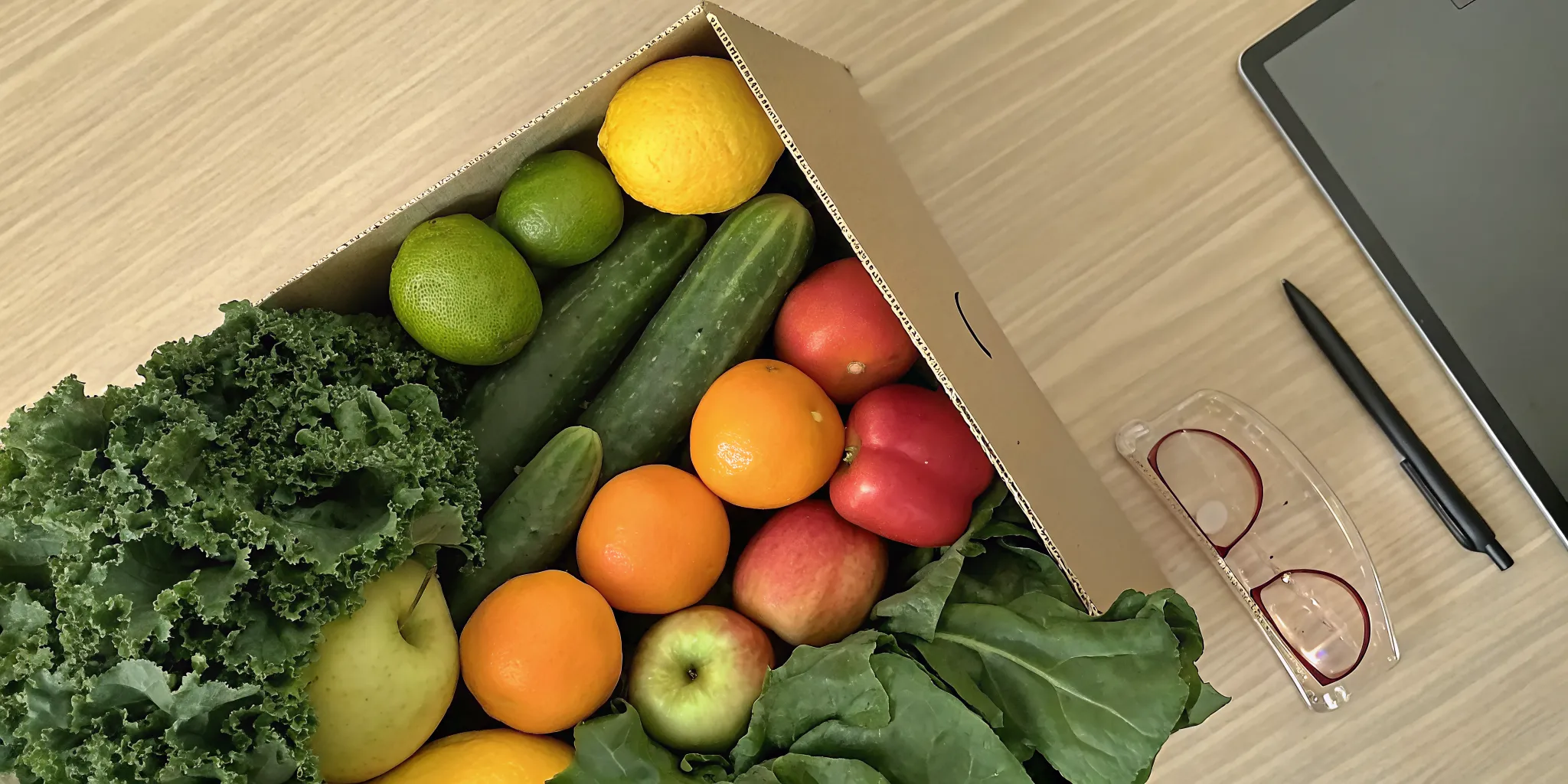
Finally, there's the grocery box subscription service, which is all about convenience and quality delivered right to your door. This is the "groceries on autopilot" model. With a service like this, you get a curated selection of high-quality groceries delivered on a predictable schedule, often in reusable or sustainable packaging. It’s designed to save you time and mental energy by taking care of the weekly shop for you. At Tredish, our grocery subscription focuses on bringing you fresh, Canadian-sourced produce and proteins you can trust, all while helping you save money. It’s the perfect way to put a meaningful part of your grocery shopping on a reliable, recurring schedule.
If you’re going the DIY route with a reusable grocery box, you want one that works as hard as you do. A great box can make your shopping trips smoother and keep your food in top condition from the store to your kitchen counter. But with so many options out there, how do you pick the right one? It comes down to a few key features that separate the flimsy, frustrating boxes from the sturdy, reliable ones. Let's walk through what to look for to find a container that you’ll be happy to use week after week.
The first thing to check is the material. A good reusable box should be made from heavy-duty materials that can handle the weight of canned goods, milk jugs, and a full load of produce without buckling or tearing. Look for options made from thick canvas, reinforced polyester, or sturdy recycled plastics. Pay close attention to the handles and seams, as these are common points of failure. Strong, reinforced stitching is a sign of a well-made box that will last for years, making it a smart and sustainable investment that holds up to countless grocery runs.
There’s no one-size-fits-all solution for grocery boxes, so think about your personal shopping habits. Are you a once-a-week stock-up shopper or someone who makes smaller, more frequent trips? Many shoppers find that having a few different sizes on hand is the most practical approach. You can often find reusable boxes sold in multi-packs of three or four, giving you the flexibility to handle a big shop or just a quick run for essentials. This also helps you organize your groceries better in the car, separating heavy items from delicate ones like bread and eggs.
Ever worry about your ice cream melting or your fresh produce wilting on the drive home? An insulated grocery box is the perfect solution. These boxes are designed with a thermal lining to keep cold foods cold and hot foods hot during transport. This feature is especially important for protecting the quality of perishable items like meat, dairy, and frozen goods. If you value freshness and want to make sure the high-quality groceries you carefully selected stay that way, choosing at least one insulated box for your collection is a brilliant move. It's a simple way to maintain food safety and quality.
Your grocery box shouldn't create clutter when you're not using it. The best reusable containers feature smart, stackable designs that make storage a breeze. Look for boxes that are foldable, allowing them to collapse flat when empty. This is a huge advantage for keeping them neatly tucked away in your car trunk or a kitchen closet without taking up precious space. A rigid structure that allows boxes to stack securely on top of each other is another great feature, preventing your groceries from getting crushed on the way home. This thoughtful design makes a big difference in everyday convenience.
The term "grocery box" can mean a few different things, depending on what you're looking for. It could be a physical container you take to the store, a subscription that brings food to you, or a program that supports local growers. Each option offers a unique way to handle your grocery needs. Let's look at three popular approaches to see which one fits your life best.
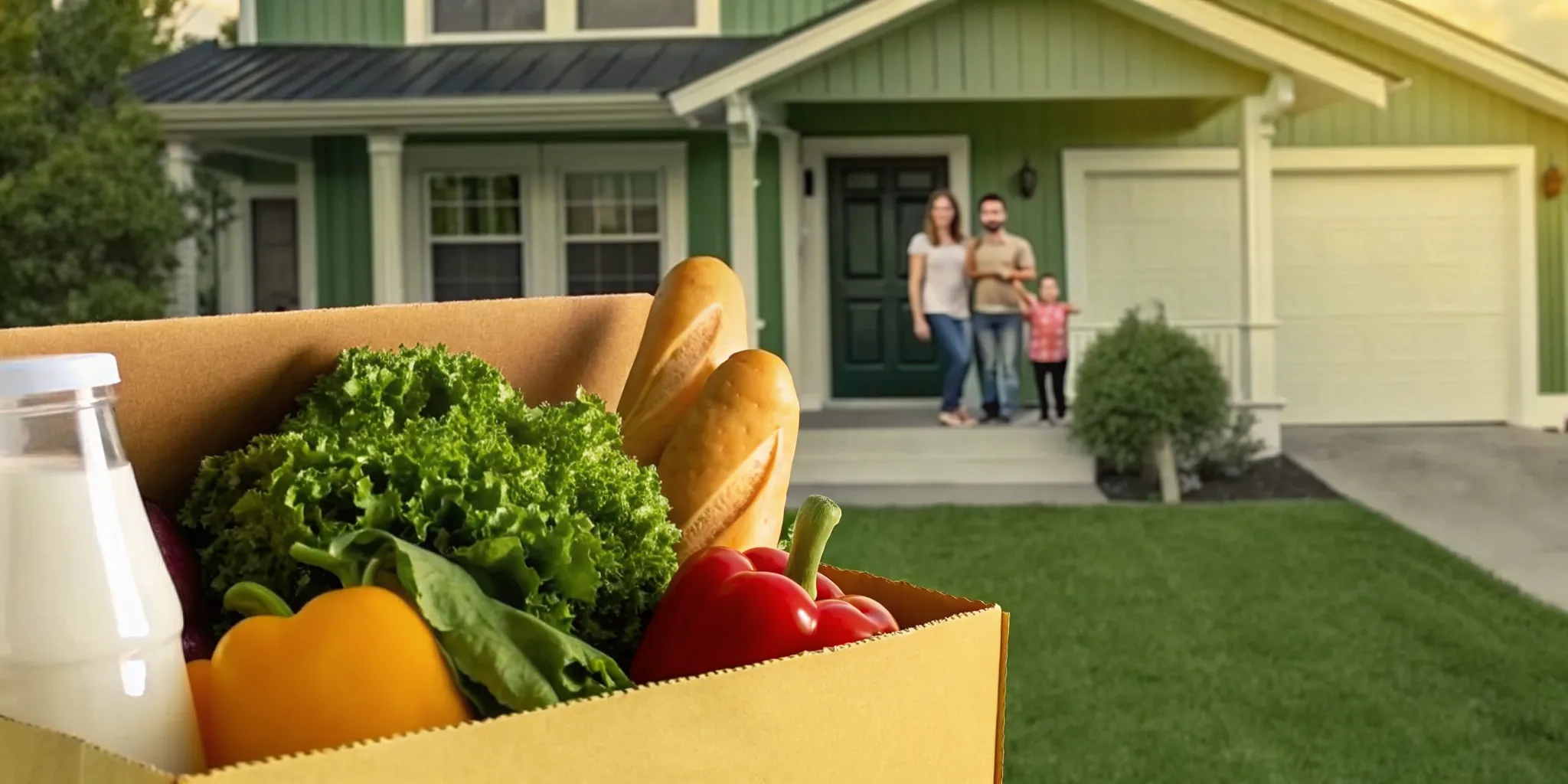
If your goal is to put your grocery shopping on autopilot, a subscription service is your answer. Tredish Grocery Delivery offers a seamless way to get fresh, high-quality groceries without the hassle of a traditional shopping trip. This service is designed for busy individuals and families, bringing a variety of essentials right to your doorstep. You get top-tier Canadian produce and proteins on a predictable schedule, saving you precious time and energy every week. It’s the perfect solution for anyone who wants to simplify their routine without compromising on the quality of their food.
For those who enjoy picking out their own groceries but want to do it more sustainably, the "grocery box" is a physical, reusable container. Switching from single-use bags to sturdy, reusable boxes can significantly reduce your carbon footprint. The move to reusable containers is a simple step toward reducing waste and creating a more efficient system for your shopping runs. By using your own boxes, you can contribute to a healthier planet while enjoying the convenience of packing your groceries your way, making each trip to the store a little greener.
A grocery box can also be a way to connect directly with local farmers and support your community. These programs, often called Community Supported Agriculture (CSA), aim to improve food equity and health in underserved areas by providing access to fresh food. By signing up, you typically receive a weekly or bi-weekly box of seasonal produce from nearby farms. These local food programs not only address food insecurity but also foster community engagement and support local economies, ensuring you get fresh ingredients while investing in the place you live.
Picking the right grocery box solution comes down to what you value most: hands-on control, community impact, or total convenience. Each option serves a different purpose, so thinking about your weekly routine, budget, and personal goals is the best way to find your perfect match. Are you looking to streamline your personal shopping trips, support a local initiative, or put your grocery runs on autopilot? Let's walk through the key differences to help you decide.
First, it’s helpful to know the difference between a personal reusable box and a community food program. A reusable box is a tool you buy for your own shopping, designed to make your trips to the store more sustainable and organized. Think of it as a durable, long-term replacement for single-use bags. On the other hand, community programs have a different mission entirely. They focus on food equity, working to bring fresh, healthy groceries to neighborhoods that may have limited access. Choosing between them depends on your goal: are you looking for a personal shopping accessory or a way to support a broader community initiative?
This choice is all about convenience versus control. Buying your own reusable boxes gives you the freedom to shop wherever and whenever you want. You have total flexibility over your product choices and can hunt for deals yourself. This approach works well if you enjoy the process of grocery shopping. A grocery subscription service, however, is designed to save you time by delivering quality produce and proteins right to your door. It’s the perfect fit if you want to take the mental load of meal planning and shopping off your plate. It automates the routine parts of your grocery list, giving you back precious hours each week.
The best choice for you really depends on your daily life. If you have a flexible schedule and enjoy visiting local markets or different grocery stores, investing in a set of sturdy, reusable boxes makes a lot of sense. It’s a practical solution for the hands-on shopper. But if your weeks are packed and you’d rather spend your free time doing anything other than standing in a checkout line, the value of a subscription service is hard to beat. For busy households, the convenience of automated home delivery and the predictability of knowing exactly when your fresh groceries will arrive is a game-changer.
When you start looking for reusable grocery boxes, you’ll notice there are a ton of options out there. It’s easy to just grab the first one you see, but taking a moment to consider the features can make a huge difference in your shopping routine. The right box isn’t just a container; it’s a tool that makes carrying, unpacking, and storing your groceries simpler and more efficient. A great reusable box is sturdy enough to handle a heavy load without buckling, designed for your comfort, and built to last.
Think about what makes your current grocery trips a hassle. Is it the flimsy bags that feel like they’re about to rip? The awkward juggle from the car to your front door? Or the mess from a leaky container? The best reusable boxes solve these problems. They’re designed with real-life use in mind, focusing on practical details that streamline the entire process. By paying attention to a few key features like the handles, materials, and overall design, you can find a set of boxes that you’ll actually enjoy using week after week.
Let’s be honest, no one likes the feeling of thin plastic handles digging into their fingers. A truly great reusable box is designed for a comfortable carry, even when it’s packed with heavy items like milk jugs and potatoes. Look for boxes with wide, reinforced handles that distribute weight evenly. Many of the best options have long handles that you can easily sling over your shoulder, freeing up your hands to open doors or wrangle your keys. Padded grips and double-stitched seams are also signs of a quality design that won’t let you down on the trip from your car to the kitchen counter.
One of the main reasons to switch to a reusable box is to reduce single-use plastic waste, so the material of the box itself matters. Look for options made from sustainable or recycled materials. Many durable boxes are crafted from recycled plastics, giving post-consumer waste a second life. Other eco-friendly reusable bags are made from natural fibers like jute or heavy-duty canvas. Choosing a box made from these materials means you’re making a more conscious choice that aligns with a sustainable lifestyle. A well-made box will last for years, replacing hundreds, if not thousands, of plastic bags over its lifetime.
Spills and leaks are bound to happen. A carton of milk might drip, condensation can form on frozen foods, or a container of berries might get a little crushed. That’s why a water-resistant and easy-to-clean surface is a non-negotiable feature. Many reusable boxes are made from waterproof or water-resistant fabrics that prevent messes from seeping through and protect your car and countertops. This also makes cleanup incredibly simple. Instead of dealing with a soggy, stained bag, you can just wipe the surface clean with a damp cloth, and it’s ready for your next grocery run.
Let’s be honest, the weekly grocery run can feel like a part-time job. Between making the list, driving to the store, navigating the aisles, and waiting in line, it eats up hours you could be spending elsewhere. This is where a grocery box, especially one from a subscription service, can be a game-changer. It’s not just about convenience; it’s a smart strategy for taking control of your budget and your schedule. By getting precisely what you need delivered to your door, you sidestep the two biggest drains of traditional shopping: wasted time and wasted food.
Instead of wandering the aisles and making impulse buys, you get a curated selection of high-quality groceries ready for your week. This simple switch helps you stick to your meal plan, reduce food waste, and reclaim your valuable weekend hours. It’s about making your life easier while being more intentional with your resources. By automating the most repetitive parts of feeding your household, you free up the mental space to focus on what really matters, like enjoying a great meal with your family.
A grocery subscription is like having a personal assistant for your kitchen. It puts the most repetitive parts of shopping on autopilot, ensuring you always have fresh, quality ingredients on hand without the last-minute hassle. Instead of building a shopping list from scratch every week, your essentials arrive on a predictable schedule. This consistency not only simplifies meal planning but also supports local economies when services prioritize Canadian producers. By outsourcing the chore of shopping, you free up mental energy and time for the things you actually enjoy, all while knowing your pantry is stocked with food you can trust.
Have you ever found a forgotten bag of spinach wilting in the back of your fridge? You’re not alone. A major, often hidden, cost of groceries is food waste. Many of us toss perfectly good food because we’re unsure about expiration dates or we simply bought more than we could use. Grocery boxes help solve this problem by providing you with exactly what you need for your weekly meals. This thoughtful approach means less food ends up in the compost bin and more money stays in your bank account. It’s a simple way to make your household more sustainable and your budget more efficient.
The biggest non-financial cost of grocery shopping is time. Automated delivery gives that time back to you. Imagine skipping the traffic, the crowded aisles, and the checkout lines, and instead having your groceries arrive right at your doorstep. A reliable delivery service keeps your kitchen consistently stocked with essentials, eliminating those frantic, mid-week trips to the store for a single ingredient. This predictability makes life run smoother, turning meal prep from a stressful scramble into a simple, organized process. When you create an account for a delivery service, you’re not just buying food; you’re buying back your time.
When we talk about grocery boxes, two popular options often come up: buying your own reusable containers and participating in a community food program. While both are great ways to be more mindful about your food, they serve very different purposes. Think of reusable containers as your personal toolkit for a more sustainable shopping trip, putting you in the driver's seat. Community programs, on the other hand, are about collective action, connecting you with local food systems and neighbors.
Understanding the key differences can help you decide which approach, or combination of approaches, fits best with your lifestyle and goals. One is about changing your individual habits to reduce waste, while the other is about participating in a larger system to support local food distribution and access. Let's break down who they're for, how they operate, and the unique impact each one has.
Reusable containers are perfect for the hands-on shopper who wants direct control over reducing their personal waste. If you enjoy picking out your own produce and want to ensure your food is stored in safe, non-toxic materials, this is your lane. Using your own glass or stainless steel containers means you can avoid disposable plastics and feel confident about what your food touches. This path is for the organized, DIY-minded person committed to building sustainable habits into their daily routine.
Community food programs, like a Community Supported Agriculture (CSA) box, are designed for those who want to support local farmers and eat seasonally. They're also for people looking for access to fresh, affordable food while strengthening their local economy. These programs are less about the individual shopping experience and more about being part of a collective food system. They connect you directly to the source of your food and foster a sense of shared responsibility and community connection.
Getting started with reusable containers is pretty straightforward. You invest in a set of boxes, bags, and jars that suit your needs, bring them with you to the store, and use them at the bulk bins, deli, or checkout. The main work is on your end: remembering to bring them and washing them afterward. While some find this less convenient than disposables, it quickly becomes a simple, rewarding routine. This personal transition to reusable containers is a powerful step toward reducing household waste.
Community programs operate on a membership or sign-up basis. For a CSA, you typically pay a farm upfront for a "share" of the season's harvest, and in return, you receive a box of fresh produce each week. Other programs might involve rescuing surplus food from grocery stores and distributing it to members. In either case, the organization handles the logistics of sourcing and packing the food. Your role is to pick it up or receive the delivery, trusting the experts to provide you with a great selection.
The impact of using your own reusable containers is primarily environmental and personal. By consistently choosing reusables over single-use packaging, you directly reduce the amount of plastic waste that ends up in landfills and our oceans. It’s a tangible way to shrink your carbon footprint one grocery trip at a time. This individual action contributes to a larger movement toward more sustainable consumption and puts pressure on retailers to offer more waste-free options.
Community programs have a broader social and environmental impact. They create a stable market for local farmers, which helps preserve farmland and supports the local economy. These programs often reduce food waste on a larger scale by finding a home for imperfect produce or surplus crops. They also build stronger, more resilient communities by connecting people directly to their food source and, in many cases, improving food access for everyone. It’s a model that benefits the planet, the producer, and the consumer all at once.
While switching to a grocery box system is a fantastic goal, it’s smart to look at the practical side of things before you commit. Most of these hurdles pop up when you decide to buy and manage your own set of reusable containers. Thinking through these points can help you decide if a DIY approach or a done-for-you service is a better fit for your life right now.
Let’s be real: building a collection of high-quality, durable reusable boxes requires an initial investment. While you’ll save on plastic bags in the long run, the upfront cost can be a barrier for some. It’s a mental shift from grabbing free disposable bags at the checkout to paying for a set of containers. This initial spend is one of the first things to consider when you’re thinking about making the switch to a more organized, reusable grocery system.
We all want to make sustainable choices, but convenience plays a huge role in our busy lives. Juggling your own reusable boxes means always remembering to bring them to the store, packing them efficiently at checkout, and then unloading everything at home. While the environmental payoff is clear, the day-to-day logistics can sometimes feel like a chore. The lack of standardized reusable packaging systems across different stores can also add a layer of complexity to your shopping trip.
Once you’re home, your reusable boxes need a place to live. Depending on their size and design, they can take up valuable space in your pantry, closet, or car trunk. They also need regular cleaning to stay fresh and hygienic, especially after carrying produce or meats. This adds another small but consistent task to your household routine. It’s a simple thing, but it’s worth considering how managing and maintaining your boxes will fit into your weekly flow.
Once you know what kind of grocery box fits your life, the next step is finding it. Whether you’re looking for sturdy, reusable containers for your own shopping trips or a service that handles the shopping for you, there are plenty of great options available. The right choice depends on how you like to shop, what you value most (convenience, sustainability, or community support), and your budget. Let’s walk through where you can find these solutions and what you can expect to invest.
If you prefer to do your own shopping but want to upgrade from flimsy bags, buying your own reusable boxes is a fantastic choice. You can find a huge variety of them online. Marketplaces like Amazon have thousands of options, often sold in multi-packs, making it easy to stock up. For something more specialized, companies like Earthwise Bag Company offer eco-friendly Box Totes in fun designs that are both stylish and sturdy. You can also check the checkout aisles at your local grocery store or home goods retailers, as many now carry their own versions of collapsible shopping boxes.
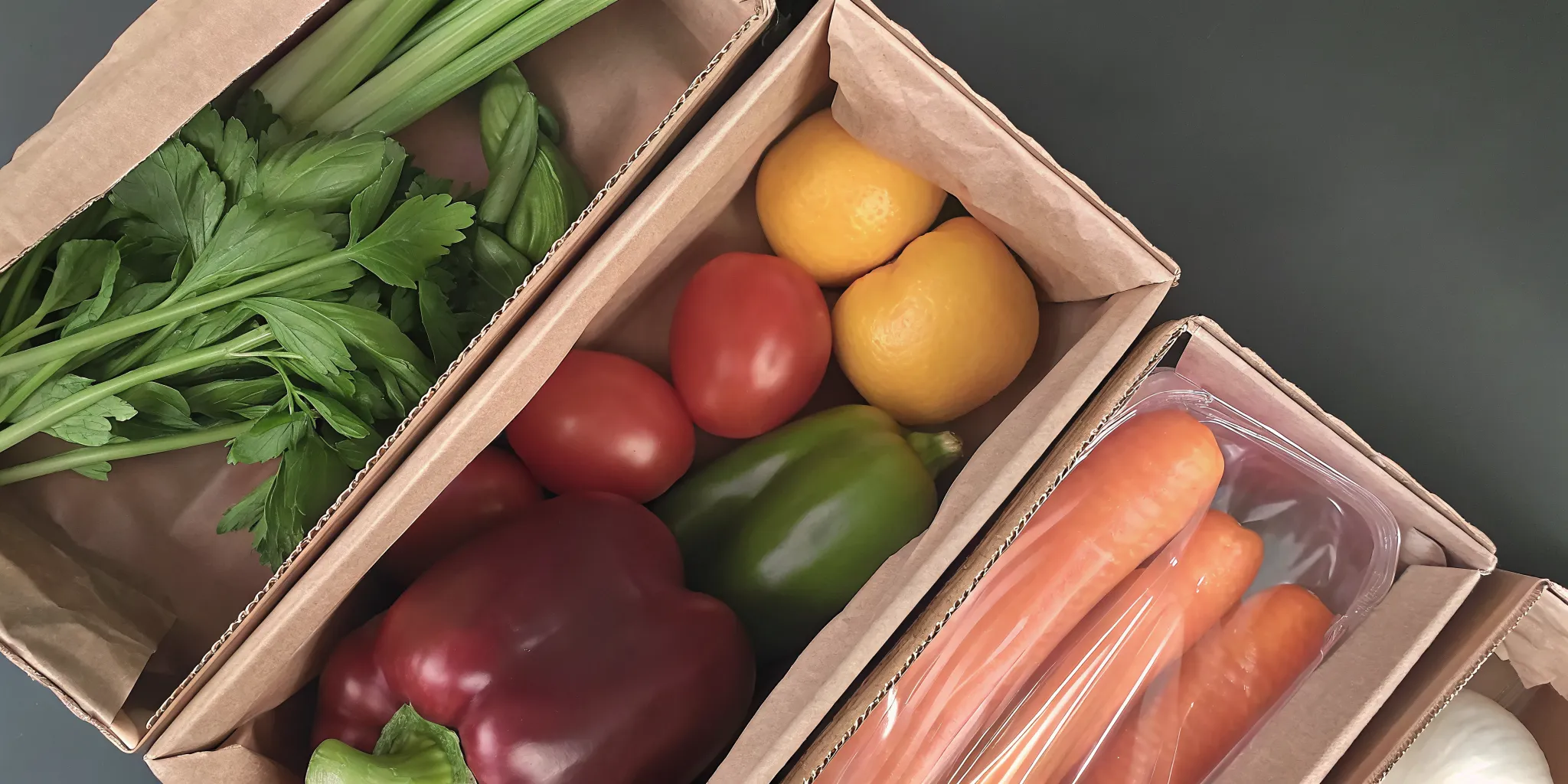
For those who want to put their grocery shopping on autopilot, a subscription service is the way to go. Instead of buying an empty box, you’re signing up to receive a box filled with high-quality groceries delivered right to your door. A service like Tredish is designed for busy households that want fresh, Canadian-sourced produce and proteins without the weekly hassle of a store visit. It’s the ultimate convenience, giving you a predictable, reliable way to stock your kitchen. This approach saves you time and mental energy, letting you focus on cooking and enjoying your food rather than planning and shopping for it.
The cost of a grocery box solution varies depending on the path you choose. If you’re buying your own reusable containers, you’ll have a one-time upfront cost. Individual boxes can be quite affordable, while buying in bulk can offer better value. For example, a case of 24 specialty Box Totes might cost around $100 to $116. With a subscription service, you’re paying for the groceries and the convenience on a recurring basis. However, a smart service like Tredish actually helps you save money in the long run by offering prices that are, on average, 25% lower than a typical retail basket, which more than covers the convenience.
What's the biggest difference between using my own reusable boxes and signing up for a subscription service? The main difference comes down to convenience versus control. When you use your own reusable boxes, you have complete freedom to shop at any store, anytime, and hand-pick every single item yourself. A subscription service, on the other hand, is designed to give you back your time by automating the routine parts of your grocery run. It handles the planning and shopping for you, delivering high-quality essentials right to your door on a predictable schedule.
Will a grocery subscription service actually save me money? It might seem like a premium service, but a smart subscription can lead to significant savings. While you are paying for convenience, services like Tredish often provide groceries at a lower overall cost than typical retail stores by cutting out the middleman. Plus, by delivering curated amounts of food, you're less likely to make impulse buys or end up with produce that goes to waste, which helps your budget in the long run.
How do I know if a subscription service is a good fit for my lifestyle? A subscription service is likely a great fit if you find yourself short on time, tired of the weekly grocery grind, or looking for a way to simplify your routine. If your weeks are busy and you'd rather spend your free time on things other than navigating a crowded store, the value of automated delivery is huge. It’s perfect for anyone who wants to put their essential shopping on autopilot without sacrificing the quality of their food.
I'm particular about my produce. How can I trust the quality from a delivery service? This is a common and completely valid concern. Reputable grocery services build their entire business on trust and consistency. At Tredish, we focus on sourcing fresh, high-quality Canadian produce and proteins that we’re confident you would select for yourself. Our goal is to earn your trust by delivering freshness and quality you can depend on, week after week.
What's the first step if I want to try a grocery subscription? Getting started is usually very simple. The first step is to visit the service's website and create an account. From there, you can explore the product offerings and set up your delivery schedule. Many services, including Tredish, have special offers for first-time customers, which makes it easy to try it out and see how it fits into your life.