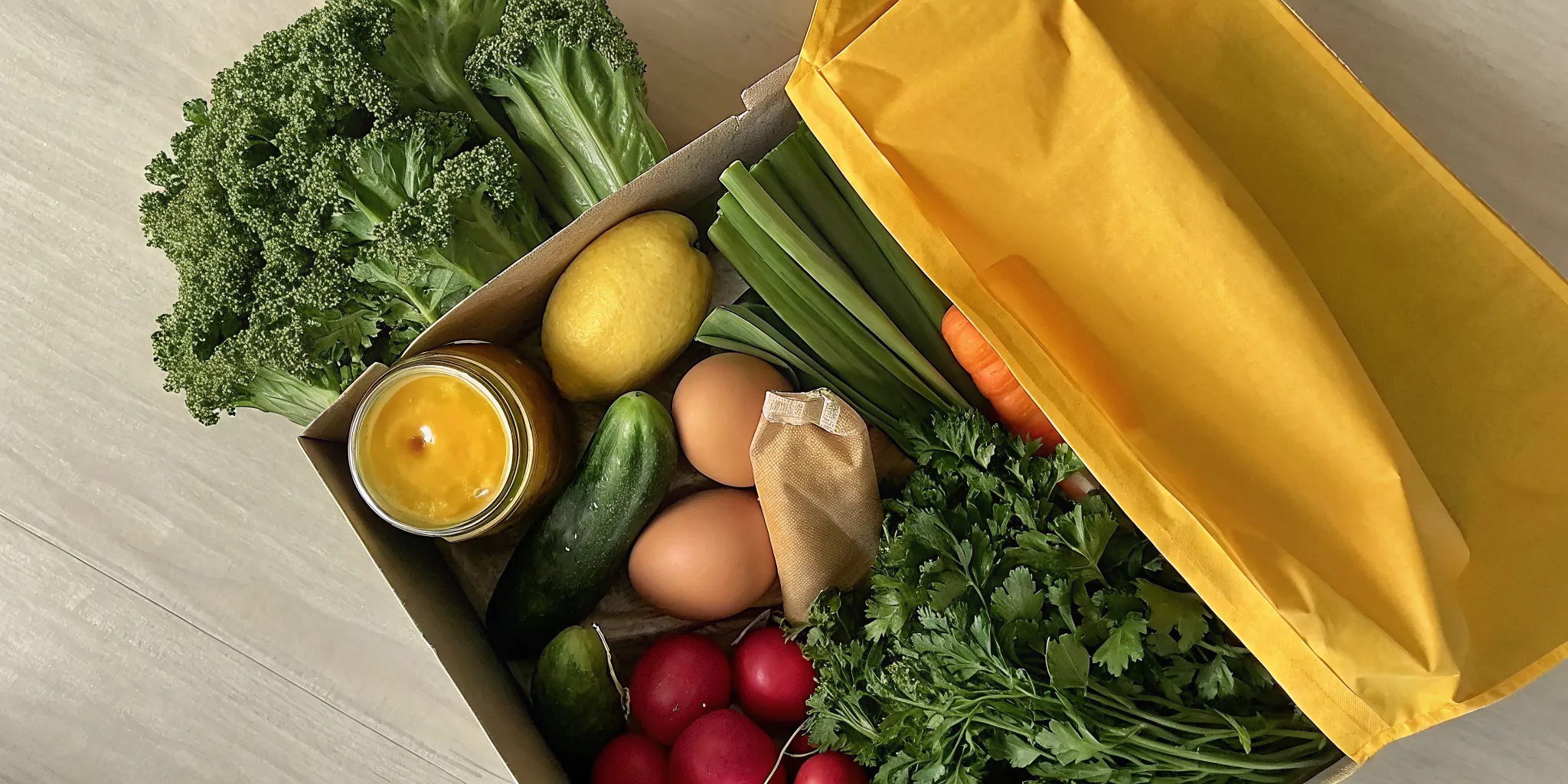
Farm to Door Grocery Delivery Canada: The Complete Guide
Start shopping today for farm to door grocery delivery Canada on autopilot. Enjoy fresh, local groceries delivered to your door with up to 25% savings.

Walking down the egg aisle can feel like a pop quiz. "Free-run," "free-range," "pasture-raised"—the labels are endless and often confusing, leaving you to wonder what you're actually buying. Cutting through the marketing noise is the best way to get the quality you're looking for. This often means going straight to the source, but that raises a new question: where can I buy farm fresh eggs directly from a producer I can trust? We’ll break down exactly what to look for, the right questions to ask, and how to find reliable Canadian farmers who are proud of the food they produce.
When you’re rushing through the grocery store, it’s easy to grab the first carton of eggs you see. But taking a moment to consider the source can make a huge difference in what you bring home. The gap between a farm-fresh egg and a typical store-bought one is about more than just taste—it’s about nutrition, quality, and supporting the local producers who work hard to feed our communities. Let's break down what sets them apart, so you can feel confident you're making the best choice for your family's table.
It turns out that not all eggs are created equal. The diet and lifestyle of the hen have a direct impact on the nutritional quality of the eggs they lay. Eggs from pastured hens—those that get to roam outdoors and eat a natural diet of plants and insects—pack a bigger nutritional punch. Research shows these eggs can contain up to two times more omega-3 fatty acids, which are fantastic for brain health. They also offer more vitamin E and beta carotene, giving those yolks their signature deep orange colour. Plus, they often have fewer saturated fats and lower levels of unhealthy cholesterol, making them a simple, wholesome swap.
If you’ve ever cracked open a farm-fresh egg, you know the difference is immediate. The yolks are often richer, standing tall and firm with a vibrant, deep-orange hue. This translates directly to a more flavourful, creamier taste that elevates everything from a simple scramble to a fancy frittata. This superior flavour isn't just your imagination; it comes from the hen's varied, nutrient-rich diet. The simple truth is that farm-fresh eggs taste better because they come from healthier, happier hens. It’s a difference you can see on your plate and taste in every bite.
Choosing farm-fresh eggs goes beyond your kitchen; it’s a direct investment in your local community. When you buy from local producers, you’re supporting Canadian farm families and contributing to a more sustainable food system. While most Canadians agree that hens shouldn't be confined to cages, many are widely misled by egg carton labels at the supermarket. Terms like "free-run" or "nest-laid" can be confusing. Buying directly from a farmer or a trusted source like Tre'dish cuts through the noise, giving you a clear line of sight to how your food is produced and ensuring your money supports ethical farming practices right here in Canada.
Once you’ve tasted a truly fresh egg, it’s hard to go back. The vibrant, deep-orange yolks and rich flavour are in a league of their own, making your morning scramble or weekend brunch feel a little more special. The good news is that finding these gems is easier than you might think. You don’t have to live next door to a farm to get your hands on high-quality, local eggs. It’s all about knowing where to look.
Whether you enjoy making a trip out to the country, love the bustling atmosphere of a weekend market, or prefer the ease of having your groceries come to you, there’s a way to bring that farm-to-table quality home. Sourcing fresh eggs is a simple way to support Canadian producers and feel more connected to your food. It’s a small change that makes a big difference in your kitchen. Let’s explore the best places to find them, so you can add incredible flavour and nutrition to your weekly meals without the hassle. We'll cover everything from farm gate sales to convenient delivery services that bring the best right to your doorstep.
Going straight to the source is an amazing way to get the freshest eggs possible. Many local farms have "farm gate" sales where you can buy directly from them. This not only guarantees you’re getting eggs that were likely laid that same week, but it also gives you a chance to see where your food comes from and support a local family business. A quick online search for farms in your area is a great place to start. Websites like Farm Fresh Atlas can help you locate producers near you, making it simple to plan a scenic drive and stock up.
If you love a lively weekend atmosphere, your local farmers' market is the perfect place to find fresh eggs. It’s a fantastic way to meet the people who produce your food and ask them questions about their farming practices. You’ll often find vendors selling eggs alongside their seasonal produce and other handmade goods. This turns a simple grocery errand into a fun community outing. You can find a market near you through directories from Farmers' Markets Canada, which lists locations all across the country. Just be sure to go early—the best eggs often sell out fast!
For those weeks when you just don’t have time for a market run, online delivery is a game-changer. You can get that same farm-fresh quality without leaving your house. Services like Tre’dish make it easy to shop for top-quality Canadian groceries online, delivering products from trusted producers right to your door. It’s the perfect way to ensure you always have great eggs on hand. You can also look into a local Community Supported Agriculture (CSA) program, which often includes eggs as part of a weekly share of farm goods, creating a direct and predictable link between you and a farmer.
You can still find great eggs during your regular grocery run—you just need to know what to look for. Many larger grocery stores now have dedicated sections for local products. Keep an eye out for cartons that highlight the name of a specific Canadian farm, as this is a much better indicator of quality than generic labels. Taking a moment to understand egg labels can also help you make a more informed choice, ensuring you’re getting the freshness and quality you want, even from a big-box store.
Once you’ve found a great source for farm-fresh eggs, how do you pick the best ones? While you can’t always see inside before you buy, there are a few simple clues that can tell you a lot about the quality and freshness of your eggs. Think of it as becoming your own egg expert—a skill that will pay off every time you crack one open for a fluffy scramble or a perfect bake.
Choosing the right eggs isn't just about taste; it's about getting the most nutrition and flavour for your family. A high-quality egg comes from a healthy, well-cared-for hen, and you can see the difference in the shell, the yolk, and even the way it cooks. Whether you're at a farmers' market or unpacking your Tre'dish grocery delivery, these tips will help you confidently select the perfect dozen every time.
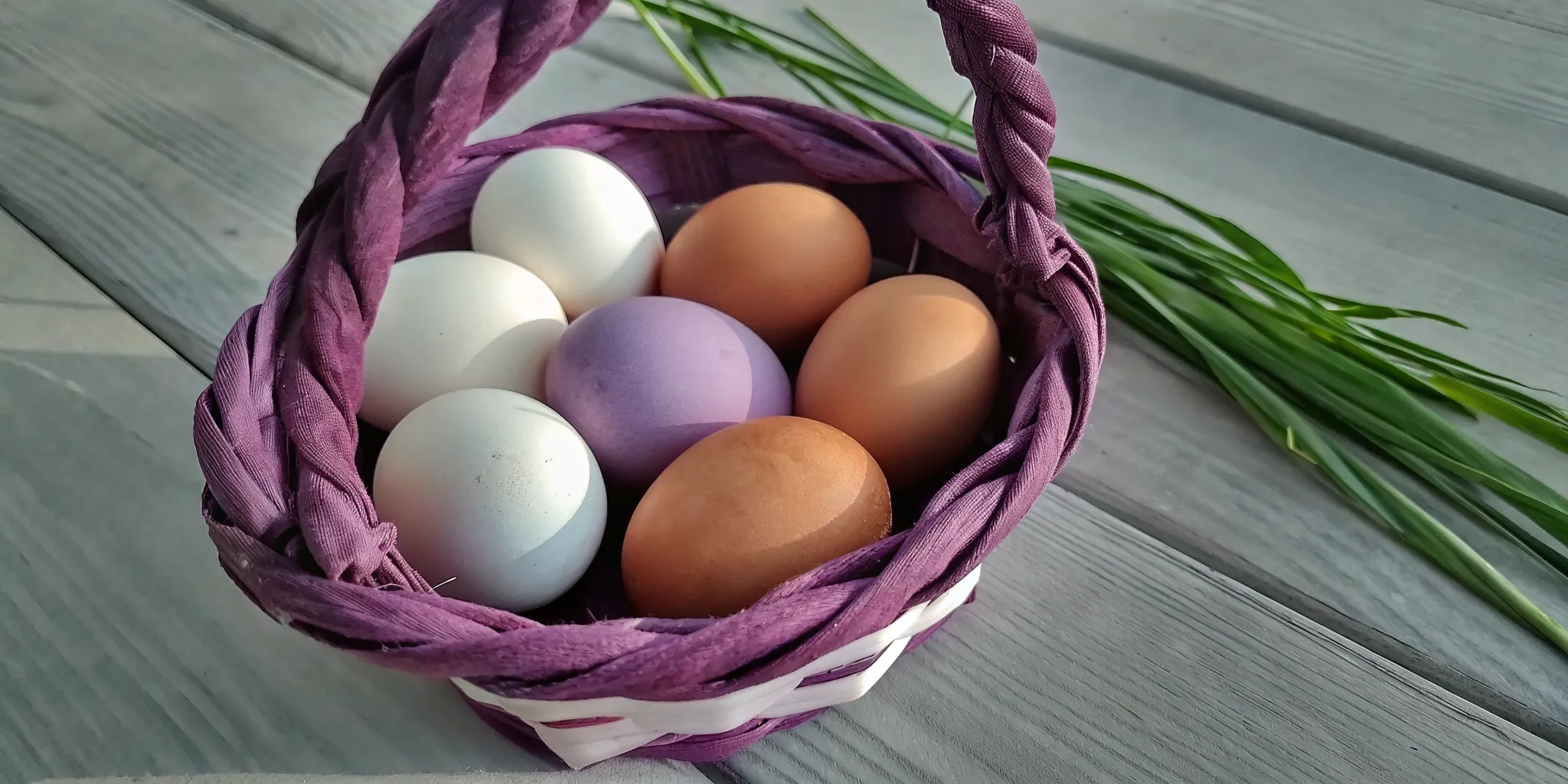
The first thing you’ll notice about farm-fresh eggs is the variety. You might see shells in shades of brown, white, and even blue or green. This colour is simply determined by the breed of the hen and has no bearing on the egg's flavour or nutritional value. Instead of focusing on colour, check the shell's condition. It should be clean, smooth, and free of cracks. A strong shell is often a sign of a healthy hen with a good diet. When you get them home, you’ll find that farm-fresh eggs often have thicker shells and a richer taste than their store-bought counterparts, making them a clear winner for your breakfast table.
You won’t see this until you’re ready to cook, but it’s the best indicator of a top-quality egg. When you crack a farm-fresh egg into a pan, look for a yolk that is vibrant in colour—a deep, rich orange or a bright, sunny yellow. The colour comes from carotenoids in the hen's diet, which is often full of greens, grains, and insects when they're raised on pasture. A high-quality yolk will also be firm and round, standing up proudly instead of spreading out. This is a sign of freshness and a diet rich in nutrients. In fact, eggs from pastured hens can contain significantly more omega-3 fatty acids and vitamins, packing a more powerful nutritional punch into every bite.
Whether you’re buying from a farm stand or a grocery store, always take a quick look at the packaging. Open the carton and check that all the eggs are intact and the carton itself is clean and dry. If you’re buying refrigerated eggs, they should feel cool to the touch. While some people believe unwashed farm eggs can be stored on the counter, the safest practice is to keep them in the fridge. Refrigeration keeps your eggs fresher for longer and minimizes the risk of harmful bacteria like Salmonella. Following proper egg safety guidelines ensures that every meal you make is both delicious and safe for your family.
Egg carton labels can be incredibly confusing. Terms like "free-run," "free-range," and "pasture-raised" sound great, but they don't always mean what we think. This confusion is widespread; one report on egg carton labels found that only 24% of consumers could correctly identify what "free-range" means. To simplify, "free-run" hens live cage-free in a barn, while "free-range" hens have some access to the outdoors. "Pasture-raised" typically means the hens spend most of their lives outside on grass. These labels can be inconsistent, which is why knowing your farmer is so valuable. When you buy from a trusted source, you can cut through the marketing noise and feel confident about how the hens were raised.
Let’s get straight to it: yes, farm-fresh eggs often have a higher price tag at the checkout than their conventional counterparts. But the story doesn’t end there. When we talk about cost, it’s also important to talk about value. The price on the carton reflects a completely different approach to farming, quality, and nutrition. It’s less about paying more and more about investing in better flavour, richer nutrients, and the local Canadian farmers who make it all possible.
Think of it like buying a hand-knit sweater versus a mass-produced one. Both will keep you warm, but the quality of the materials, the care in its creation, and its durability are worlds apart. With farm-fresh eggs, you’re paying for hens that are raised with care, often on pasture with a varied diet, which directly translates to a superior egg. At Tre’dish, we believe in this kind of transparent value—making high-quality, locally sourced groceries accessible without the premium markup you might expect. It’s about getting what you pay for: food that is genuinely better for you and your family.
Egg prices can feel like they’re always on the move. While the cost of a standard carton of eggs fluctuates, farm-fresh eggs have their own pricing rhythm, influenced by the seasons and local conditions. In recent years, prices hit an all-time high, sometimes reaching between $7.50 and $9.50 per dozen in parts of Canada.
While that might sound steep, this price reflects the true cost of ethical and small-scale farming. Unlike large commercial operations, local farmers don’t have the same economies of scale. They often pay more for high-quality feed and dedicate more land per hen, ensuring the birds have space to roam. So, when you see that price, you’re seeing the cost of a healthier, happier hen and a more sustainable farming practice.
The price of farm-fresh eggs isn’t arbitrary; it’s shaped by a handful of real-world factors. The cost of chicken feed is a major one. Small farmers often choose premium, non-GMO feed to produce more nutritious eggs, which costs more than the standard feed used in factory farms. The health of the flock also plays a role, as unexpected events like bird diseases can impact the egg supply.
Beyond the farm gate, simple supply and demand dynamics are at play. When more people want to buy farm-fresh eggs (high demand) and there are fewer available (low supply), prices naturally go up. These factors combined mean the price you pay is a direct reflection of the farmer’s hard work and dedication to quality.
This is where the higher price of farm-fresh eggs starts to make perfect sense. You’re not just buying an egg; you’re buying a more flavourful and nutrient-dense food. Many people are surprised by the rich taste and vibrant, deep-orange yolks of their first farm-fresh egg—a direct result of the hen's varied, natural diet. This isn't just about taste; it's a sign of higher nutritional content.
Studies show that eggs from pasture-raised hens can be significantly more nutritious. For example, they can contain up to two times more heart-healthy omega-3 fatty acids than conventional eggs. They also tend to have more vitamin E and vitamin A. When you look at it this way, you’re getting more nutritional bang for your buck. You’re also supporting local Canadian agriculture and a food system that values quality over quantity.
Absolutely! Farm-fresh eggs are not only safe but can be a delicious and nutritious part of your diet. Like any fresh food, the key to enjoying them safely comes down to knowing where they come from and how to handle them properly. When you source your eggs from a trusted farmer or a service like Tre'dish that partners with reputable local producers, you can feel confident about what’s on your plate.
The main safety concern with any egg, whether from a farm or a grocery store, is the potential for Salmonella. However, the risk is very low, and by following a few simple food safety practices, you can easily minimize it. It’s all about smart handling from the farm to your fork. Let’s clear up some common myths and walk through the best ways to store and cook your beautiful farm-fresh eggs so you can enjoy them with total peace of mind.
One of the biggest misconceptions is that store-bought eggs are automatically safer than farm-fresh ones. This simply isn't true. Safety has more to do with the cleanliness of the farm and proper handling than where the egg is sold. Another common myth is the "float test"—the idea that an egg that floats is unsafe to eat. While a floating egg is older because its air cell has enlarged, it isn't necessarily bad. Your nose is a much better judge. And what about cholesterol? For years, eggs got a bad rap, but current health guidelines confirm that for most people, dietary cholesterol from eggs has little impact on blood cholesterol.
The primary health risk associated with eggs is Salmonella, a bacterium that can be found on the outside or, in rare cases, inside an egg. Reputable farmers work hard to keep their hens healthy and their nesting boxes clean to prevent contamination. The protective layer on a fresh, unwashed egg, called the "bloom" or "cuticle," also helps seal the pores of the shell, keeping bacteria out. Washing eggs removes this natural barrier, which is why proper refrigeration and handling become even more important once the bloom is gone.
Proper storage is your best line of defense. You should always store your eggs in the refrigerator at 4°C (40°F) or below. It’s best to keep them in their original carton on a main shelf rather than in the door, where the temperature fluctuates more. This simple step slows down any potential bacterial growth and keeps your eggs fresh for longer. According to Health Canada, you should also wash your hands with soap and water before and after handling eggs to prevent any cross-contamination in your kitchen.
Cooking eggs thoroughly is the easiest way to eliminate any risk. The goal is to cook them until both the yolk and the white are firm. If you’re making dishes that use lightly cooked or raw eggs, like Caesar dressing or homemade mayonnaise, using pasteurized eggs is the safest option. For your everyday scrambled, fried, or boiled eggs, just make sure they’re cooked through. Always use clean utensils and surfaces when preparing your eggs, and you’ll be all set to enjoy a safe and delicious meal.
Finding a great local egg farmer is about more than just getting fresh eggs; it's about building trust in your food source. When you know who raises your food and how they do it, you can feel confident about what you’re bringing home to your family. This process doesn't have to be complicated. It’s really just about having a friendly conversation and knowing what to look for. Think of it as creating a direct line from the farm to your kitchen.
At Tredish, we build these relationships for you by partnering with trusted Canadian producers, but if you're buying directly from a farm or market, a few simple steps can help you find a supplier you can rely on for consistently delicious, high-quality eggs.
When you connect with a potential farmer, don't be shy about asking a few questions. Most small-scale producers and even families selling extra eggs from their backyard chickens are proud of their work and happy to share.
Start with a few simple inquiries to understand their practices:
Getting to know your egg farmer is one of the best parts of buying local. When you build that connection, you’re doing more than just a transaction—you’re investing in your community. Buying local food helps your local economy thrive and shortens the distance your food travels from the farm to your plate.
This relationship also gives you a direct line to the freshest, most flavorful food available. A farmer you trust can give you a heads-up on when the best eggs are ready or even share tips on how to use them. It brings a level of transparency and connection back to our food system, which is something we value deeply. You get peace of mind knowing exactly where your food comes from and the standards behind it.
While most local sellers are fantastic, it’s smart to know what to look out for. Trust your gut—if something feels off, it probably is. Be mindful of vague or evasive answers to your questions. A trustworthy farmer will be open about their practices.
Also, be wary of misleading labels. Terms like "farm fresh" aren't officially regulated, and a report from Animal Justice found that many egg carton labels can be confusing for consumers. Instead of relying on packaging, rely on your conversation with the farmer. Finally, don't fall for the myth that store-bought eggs are automatically safer. The safety of any egg, whether from a farm or a grocery store, comes down to clean conditions and proper handling.
Once you’ve tasted the rich, flavourful difference of farm-fresh eggs, it’s hard to go back. Making them a regular part of your kitchen is easier than you think and is one of the simplest upgrades you can make to your meals. It’s not about overhauling your entire shopping list; it’s about making one small, consistent choice that pays off in quality and taste every single time you crack an egg into a pan.
The key is to find a reliable source so you’re not scrambling (pun intended) to find a dozen when you need them. Whether it’s for a quick weekday breakfast, a fluffy weekend frittata, or baking your favourite cookies, having great eggs on hand makes everything better. By building them into your weekly grocery plan, you ensure you never have to settle for less. It’s a simple habit that brings the goodness of local farms right to your table.
We’ve all been there: you make a special trip to the farmers' market only to find the egg stall is sold out. While buying direct is wonderful, it isn’t always the most reliable way to keep your fridge stocked. The easiest way to make farm-fresh eggs a staple is to build them into a predictable grocery schedule. When you know a fresh dozen is arriving every week, you can plan your meals without worrying about running out.
This is where a service that puts your groceries on autopilot comes in handy. Instead of hunting for a quality source, you can have high-quality, Canadian farm-fresh eggs delivered right to your door. It removes the guesswork and inconsistency, making it effortless to enjoy better-tasting eggs every day.
To get the most out of your farm-fresh eggs, a little storage know-how goes a long way. Always keep your eggs in the main part of your refrigerator, not in the door. The temperature in the door fluctuates every time you open it, while the main compartment stays consistently cold, which is key for freshness.
Keeping them in their original carton also helps protect the delicate shells from absorbing strong odours from other foods in your fridge. Proper refrigeration is the best way to maintain their quality and ensure they remain safe to eat. Following these simple egg safety tips helps keep them delicious from the first egg to the last.
Choosing farm-fresh eggs is more than just a culinary upgrade; it’s a sustainable habit that supports your local food community. When you consistently buy from local producers, you’re investing in Canadian family farms and a more transparent food system. You get fresher, more flavourful food, and you’re helping small-scale farmers thrive.
Building this habit doesn’t have to be complicated. By integrating farm-fresh eggs into a recurring grocery order, you create a sustainable routine without adding another task to your to-do list. It’s a simple, powerful way to vote with your dollar for better quality and local sourcing. Ready to make the switch? You can create an account and add farm-fresh eggs to your first order today.
Is a deep orange yolk really a sign of a better egg? Yes, it often is! That vibrant, deep orange colour in a yolk typically comes from a hen's diet that is rich in carotenoids, which are natural pigments found in greens, insects, and colourful plants. When a hen gets to eat a varied, natural diet, it not only results in a more flavourful egg but also one that can be higher in nutrients like omega-3s and vitamins. So, that beautiful colour is a great visual cue for a tasty, high-quality egg.
Why should I pay more for farm-fresh eggs? It helps to think of it as paying for value, not just a higher price. That extra cost supports a completely different way of farming. It covers better quality feed for the hens, more space for them to live naturally, and fair compensation for local Canadian farmers. In return, you get a product that is superior in taste and nutrition. You're investing in a better food system and a much better breakfast.
I'm so confused by egg labels. What's the most important thing to look for? You're not alone—those labels can be incredibly misleading. Instead of getting caught up in terms like "free-run" or "nest-laid," the most reliable approach is to focus on the source. The best indicator of quality is knowing the farm your eggs come from. If you're at a market, ask the farmer about their practices. If you're short on time, using a trusted delivery service that partners directly with local producers is a great way to cut through the noise and get quality you can count on.
Are unwashed eggs from a farm safe, and how should I store them? They are perfectly safe. Freshly laid, unwashed eggs have a natural protective coating called a "bloom" that helps keep bacteria out and maintains freshness. Regardless of whether they're washed or not, the safest way to store all your eggs is in their original carton in the main part of your refrigerator, not the door. The consistent, cold temperature will keep them fresh and safe for weeks.
I love the idea of farm-fresh eggs but I'm too busy for the farmers' market. What's a realistic alternative? That's a common challenge. The most convenient way to make farm-fresh eggs a regular part of your routine is to find a reliable delivery source. Services that put your groceries on autopilot, like Tre'dish, build relationships with trusted Canadian producers for you. This allows you to get that same farm-to-table quality delivered right to your door on a predictable schedule, giving you consistency without the extra errand.