Grocery Delivery vs Instacart Canada: Which Fits?
Start shopping with confidence after comparing grocery delivery vs Instacart Canada on fees, freshness, flexibility, substitutions, and effort.

What if I told you that some of the most common advice for buying fish is completely wrong? Many of us believe that the brightest color always means the freshest fillet, or that all fish is supposed to smell a little "fishy." These are myths that can lead you to buy a subpar product. The real secrets to picking great seafood are much more reliable and have nothing to do with marketing gimmicks. We'll show you the professional methods for how to check fish for freshness, moving beyond the old wives' tales. You’ll learn to trust your senses to spot true quality, ensuring you only bring home the best.
When you’re at the grocery store or fish market, your eyes are your best tool for judging quality. Before you even think about smell or touch, a quick visual inspection can tell you almost everything you need to know about a fish’s journey from the water to the counter. Knowing these simple cues helps you shop with confidence and ensure you’re only bringing home the best. At Tre’dish, we’re obsessed with sourcing top-quality proteins for your family, but when you’re shopping for yourself, these are the exact signs our own experts look for. From the eyes to the scales, here’s how to spot a truly fresh fish.
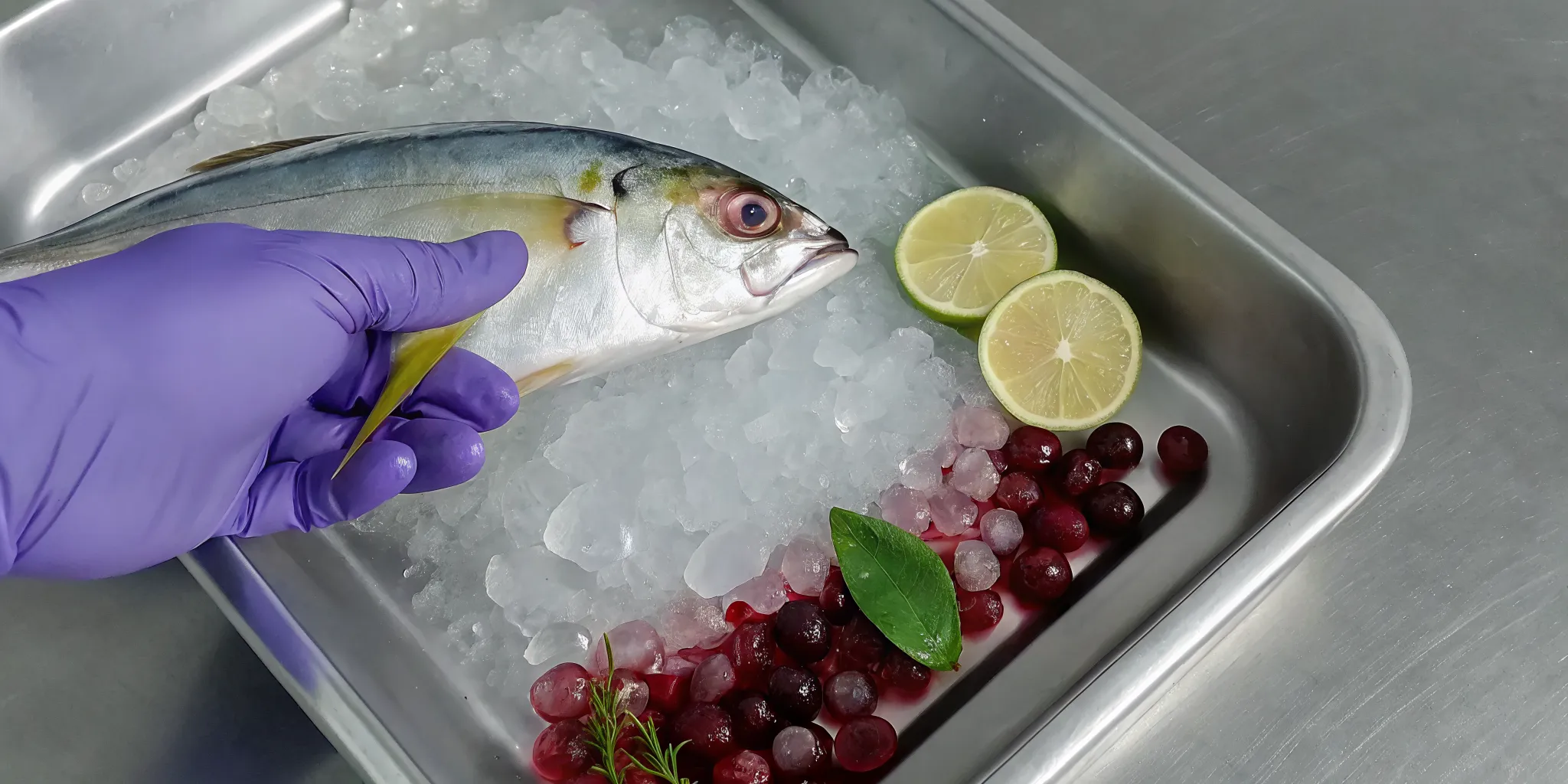
Think of a fish’s eyes as a window to its freshness. The first thing you should do is look for bright, clear eyes. A truly fresh fish will have eyes that are plump, moist, and slightly bulging, with a clear black pupil. If the eyes look sunken, cloudy, or hazy, it’s a clear sign that the fish has been sitting around for too long. As a fish ages, its eyes are one of the first things to deteriorate, so this is a simple and incredibly reliable first check. Avoid any fish with dull or opaque eyes, as they won’t deliver the flavour or texture you’re looking for.
This next step might require you to get a little closer. The gills of a fresh fish should be a vibrant, rich red and feel moist to the touch. Don’t be afraid to ask the fishmonger to lift the gill cover for a peek; it’s a standard request. This bright red colour indicates that the fish is fresh and has been handled properly. If the gills are a dull, brownish, or grayish colour, or if they feel dry or sticky, the fish is not fresh. This change in colour shows that the fish is old and has started to decay, so it’s best to choose another option.
A fresh fish should look like it just came out of the water. The skin should be shiny, firm, and moist, with a natural metallic sheen. Its scales should be intact and adhere tightly to the body. You can test this by gently running your finger against the direction of the scales; they shouldn't flake off easily. You should avoid fish with dull, cracked, or discoloured skin. While a thin layer of clear slime is normal and acts as a natural protectant, a thick, sticky, or milky-looking coating is a sign of spoilage. These visual details are key to confirming the overall quality of the fish.
Finally, if you’re able to, give the fish a gentle poke. According to a buyer’s guide, the body of a fresh fish should be firm and resilient. When you press it with your finger, the flesh should spring back immediately. If your fingerprint stays indented, it means the fish is old and its muscle structure has started to break down. This "poke test" is a great final check for whole fish or fillets at the counter. If the fish is soft or mushy, it’s a definite sign to pass. This firm texture is what ensures your fish will be flaky and delicious when cooked.
Beyond what you can see, your senses of smell and touch are your most reliable tools for judging freshness. A fish can look okay from a distance, but these two tests will tell you the real story. Don’t be shy about getting a little closer to inspect the product. A good fishmonger will have nothing to hide, and you’ll be able to shop with confidence, knowing you’re bringing home the best quality for your family. When you can’t personally inspect your groceries, it’s important to trust your supplier to perform these quality checks for you.
This is the golden rule of buying fish. Fresh fish should smell clean and mild, like a fresh ocean breeze or a clean lake. Some people even describe the scent as being slightly grassy or like cucumber. What it should never smell like is "fishy." That pungent, ammonia-like odor you might associate with seafood is actually a sign of decay. As one home cook puts it, "If it smells bad, don't buy it." It’s that simple. A clean scent indicates the fish was handled properly and is fresh from the water.
Your nose knows best. If you lean in and get a whiff of anything strong, sour, or unpleasant, it’s time to walk away. A truly fresh fish will have a very mild scent. The moment it starts to develop a strong, offensive odor, it means bacteria have begun to break down the flesh, releasing those tell-tale "fishy" smells. Don't let anyone convince you that a little bit of a bad smell is normal. It isn't. Trust your instincts; if it smells off, it is off. This is your clearest signal to pass on a piece of fish.
The texture of a fish fillet or whole fish is another great indicator of its freshness. If you’re able to, gently press the flesh with your finger. A fresh fish will feel firm and resilient, and the flesh should spring right back into place, leaving no indentation. This elasticity shows that the muscle structure is still intact. If your finger leaves a dent that doesn't bounce back, it’s a sign that the fish is old and the flesh has started to soften and break down. This simple buyer's guide trick is one of the quickest ways to test for quality.
Building on the press test, the overall feel of the fish should be firm. When you pick up a whole fish, it shouldn't feel limp or floppy. Its body should be stiff and hold its shape. For fillets, the flesh should look solid and tightly connected, not soft, mushy, or separating. While some fish have a natural, clear slime coat that protects their skin, it shouldn't feel sticky or thick. A mushy or slimy texture is a clear warning sign that the fish is past its prime. You’re looking for a texture that feels vibrant and full of life, not one that’s starting to lose its structure.
Navigating the seafood counter can feel like a pop quiz you didn't study for. We rely on common wisdom to pick the best fillet, but some of those trusted tips are actually myths that can lead you astray. Believing them can mean the difference between a delicious, flaky fish dinner and a disappointing meal. Let's clear up a few of the most common misconceptions so you can shop with confidence every time.
Knowing what to look for is the first step, but it's also about knowing what to ignore. When you understand the real signs of freshness, you can bypass the marketing gimmicks and focus on what truly matters: quality. Let's debunk four popular myths about buying fish.
It’s easy to get drawn in by a brilliantly colored piece of fish, but vibrant hues aren't always a reliable sign of freshness. While some fish are naturally bright, their color should look natural and have a healthy, almost pearlescent shine. What you really want to avoid are dull, matte colors, dark spots, or any strange discoloration along the edges of the fillet. Some sellers may even use color treatments to make older fish look more appealing. Instead of just looking for brightness, a better buyer's guide is to check for a clean appearance and the fish’s natural, characteristic coloring.
This is probably the biggest myth of all, and believing it can lead you to buy subpar fish. If you walk up to a seafood counter and are hit with a strong, unpleasant "fishy" or ammonia-like odor, you should walk away. Truly fresh fish doesn't smell fishy at all. Instead, it should have a clean, mild scent that reminds you of the ocean: think fresh sea air or a hint of saltwater. This subtle, briny aroma is a clear indicator of quality. Trust your nose; it’s one of the best tools you have for judging freshness, as this community discussion confirms.
Many of us grew up thinking "fresh is always best," but that's not necessarily true for fish. Thanks to modern technology, high-quality frozen seafood can be just as good, if not better, than the "fresh" fish at the counter. When fish is flash-frozen on the boat just moments after being caught, all of its flavor, nutrients, and texture are perfectly preserved. This method locks in peak freshness, making it a fantastic and reliable option for getting top-quality fish, especially when you live far from the coast. In fact, some "fresh" fish may have been previously frozen and thawed, so choosing a product that was intentionally frozen for quality is often the smarter choice.
Pay close attention to how fish is presented in the store, because it says a lot about its quality and the care the shop takes. Fish should be displayed on a thick bed of crushed ice, not just lying on a plastic tray or on top of a few sad-looking cubes. The ice should be packed around the fish, keeping the entire fillet consistently cold. This proper display method is one of the key signs that fish is fresh because it maintains the ideal temperature, which is crucial for preserving the fish's delicate texture and preventing spoilage. A sloppy, poorly iced display is often a red flag for how the product is handled overall.
Okay, you're at the store, ready to make a delicious fish dinner. But how do you make sure you're bringing home the best of the best? It’s easier than you think. Being a pro just means knowing what to look for. With a few simple tricks up your sleeve, you can confidently pick out the freshest fish every single time, whether it’s from a fish counter or the packaged section. These tips will help you feel like an expert and ensure your meal is as fresh and tasty as possible.
When you’re looking at pre-packaged fillets, your eyes are your best tool. For fillets, look for vibrant, firm, and moist flesh with no discoloration or drying at the edges. The fish should look plump and hydrated, not sad and mushy. A key giveaway of older fish is any browning or dryness, so steer clear if you see that. Also, check for excess milky liquid inside the package, which can be a sign of decay. The packaging should be sealed tightly with minimal air inside. A quick glance at the "packed on" date can also give you a good idea of its journey to the shelf.
If you're buying from a fish counter, take a moment to observe the whole setup. A great display tells a story of freshness. The fish should be displayed on a thick bed of ice, and ideally, packed right in it. This is crucial for maintaining the proper temperature and slowing down bacterial growth. The fish shouldn't be swimming in puddles of melted ice water, and ideally, different types of fish aren't piled directly on top of one another. A clean, well-organized, and icy display is a fantastic sign that the store cares about the quality of its products.
Don't be shy about chatting with the person behind the counter. A knowledgeable fishmonger is your best resource for getting top-quality seafood. If you have a trusted person selling the fish, you can ask them for advice. Simple questions like, "When did this salmon arrive?" or "What's looking especially good today?" can give you all the information you need. A passionate fishmonger will be happy to share details about the fish's origin and might even let you get a closer look or smell before you buy. Their willingness to help is often a sign of a quality operation.
Ready for a cheat sheet? When in doubt, run through this quick mental checklist to make sure you're getting the best quality.
Or, you can skip the inspection and get consistently fresh, high-quality fish delivered right to your door with your Tredish grocery order.
Knowing how to spot fresh fish is a great skill, but the story of its quality starts long before it reaches the counter. Where your fish comes from has a huge impact on its flavour, texture, and even its environmental footprint. Choosing wisely at the source is the first step to a delicious meal. It’s not just about finding any fish; it’s about finding the right fish, and that often means looking closer to home.
When you choose Canadian fish, you're getting more than just a local product. Canada has some of the world's most rigorous standards for sustainable fisheries, which means you’re supporting responsible practices that protect our oceans for the future. Because the journey from the water to your kitchen is shorter, Canadian-sourced fish is often significantly fresher, resulting in better flavour and texture. This emphasis on traceability allows you to know where your food comes from, giving you confidence in every bite. It’s a simple choice that guarantees quality from a system you can trust.
Let’s be honest, finding consistently great, fresh fish every week can feel like a chore. A simple way to solve this is to put your seafood shopping on autopilot. A grocery subscription service that partners directly with trusted suppliers can deliver high-quality, sustainably sourced fish right to your door on a predictable schedule. With a service like Tre’dish, you can trust that you’re getting premium proteins without the guesswork. It removes the need to plan and shop for items you know you’ll buy anyway, giving you back valuable time while ensuring quality is always on the menu.
Once you have that beautiful piece of fish, storing it correctly is key to preserving its freshness. Your refrigerator is your best friend here. Keep the fish in its original packaging or a sealed container and place it in the coldest part of your fridge, which is usually the bottom shelf or back. According to food safety experts, you should aim to cook it within a day or two. If your plans change, freezing is a great option. To prevent freezer burn, wrap the fish tightly in plastic wrap and then a layer of aluminum foil before you store it properly in the freezer.
If I only have time for one check, what's the most reliable sign of fresh fish? Trust your nose. A truly fresh fish should have a very mild, clean scent that reminds you of the ocean or a clean lake. If you lean in and get a strong, pungent, or ammonia-like "fishy" odor, that's your clearest signal to pass. That smell is a sign of decay, and no amount of seasoning can hide it.
Is frozen fish really a good alternative to fresh? Absolutely. Modern flash-freezing technology, where fish is frozen solid just moments after being caught, is excellent at preserving peak flavor and texture. In many cases, especially if you don't live near the coast, a high-quality frozen fish can be even better than the "fresh" options at the counter, which may have traveled for days to get there.
How should I store fish once I get it home to keep it fresh? The key is to keep it as cold as possible without freezing it (unless you plan to freeze it for later). Store the fish in a sealed container or its original packaging on the bottom shelf of your refrigerator, which is usually the coldest spot. Plan to cook it within one or two days for the best quality.
What's the best question to ask the fishmonger to get good quality fish? Instead of asking "Is this fresh?", which will almost always get a "yes," try asking something more specific. A great question is, "What came in today?" or "What are you most excited about right now?" This shows you're an informed shopper and invites the fishmonger to share their expert opinion, often guiding you to the best product on the counter.
Why does it matter where my fish comes from? The source of your fish tells you a lot about its journey and quality. Choosing fish from a trusted origin, like Canadian fisheries, often means it has traveled a shorter distance and was sourced according to high standards for sustainability and handling. This traceability gives you confidence that you're eating a high-quality product that was managed responsibly from the water to the store.