
Grocery Delivery Mississauga: A Fresh Weekly Guide
Compare grocery delivery Mississauga options by freshness, local sourcing, selection, and flexibility, then build a weekly routine that fits your household.

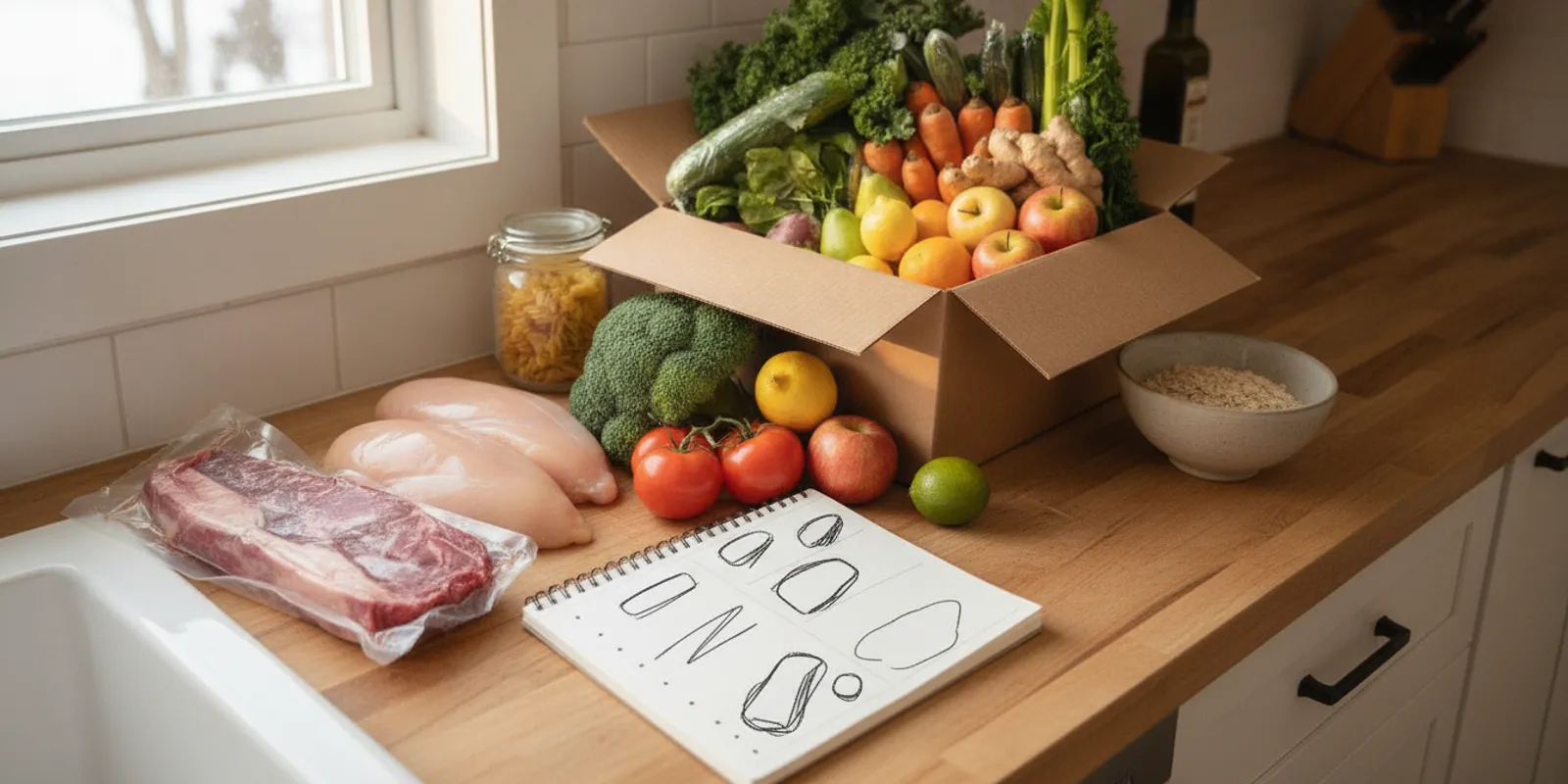
When comparing the best meal kits Canada has available, begin with the job you need dinner to do. A recipe-led kit can reduce the question of what to cook by pairing meal ideas with ingredients. Grocery delivery gives you a wider shop to shape around your own routines. The right choice depends on your time, kitchen confidence, storage space and appetite for planning.
This is a practical way to assess formats, not a ranking of every provider. You will compare what arrives, how much planning remains, and how to test an order without overcommitting. Tre'dish is a weekly grocery delivery option serving the Greater Toronto Area. Customers can customize orders and skip or adjust weeks without penalty.
A meal kit is usually organised around selected recipes. Depending on the provider, ingredients may be grouped or portioned for those recipes, with directions for preparation. That structure can help if choosing a meal is the main hurdle. It does not eliminate all work: you still select a plan, check the delivery details, cook, and store food when it arrives.
Before signing up, look at the current menu, servings, delivery area, schedule, fees, and rules for pausing or cancelling. Read the recipe details to see which pantry items or equipment you need to supply. These details differ by service and can change, so use the provider's current information rather than assuming another company's terms apply.
If deciding what to make is the hardest part of your evening, a recipe-led format may offer useful direction. If you already have favourite dishes or like to improvise, groceries can leave more room to use ingredients across different meals. Some households may prefer a mix: use guided recipes on busy nights and flexible staples for breakfasts, lunches and simple dinners.
Count the evenings you expect to eat at home, rather than every weekday on the calendar. Mark late shifts, social plans, takeout nights and occasions when leftovers can cover dinner. For example, if Monday and Thursday are usually busy, avoid choosing a plan that assumes you will cook elaborate meals on both nights. A realistic plan is more useful than an idealised one.
The central difference is who makes the meal decisions. A kit begins with a recipe and supplies ingredients intended for that dish. With grocery delivery, you select products and decide how to connect them across meals, snacks and pantry restocking. Both can bring food to your door; the amount of choice and planning differs by provider and order.
| What to compare | Meal kit | Grocery delivery |
|---|---|---|
| Meal choice | Usually guided by a recipe menu | You decide the meals and uses |
| Ingredient purpose | Selected for particular recipes | Can be shared across several meals |
| Planning task | Choose recipes and a suitable plan | Build a list and connect items to meals |
| Cooking task | Follow steps and prepare selected dishes | Use your own recipes or improvise |
| Check before ordering | Portions, menu, plan rules and area | Product selection, schedule, fees and change rules |
| Often suits | Shoppers seeking recipe direction | Shoppers seeking choice across a broader shop |
Neither format guarantees less effort or better value in every household. Ask whether the contents and instructions fit your habits. You can also compare the different types of grocery boxes to understand how flexible food boxes are structured.

Recipe plans provide structure, but a changing schedule can favour ingredients that move between meals. A bag of greens might be a salad one night and a sandwich filling the next day. Roasted vegetables can accompany a main dish, then join a grain bowl. Eggs and dairy may work for breakfast as well as dinner. These are planning ideas, not guarantees about any product's shelf life or suitability; check package details and quantities.
Try grouping your list by use rather than assigning every ingredient to a fixed date. Choose a few items that can work together, then leave room to change the meal order. Tre'dish provides weekly grocery delivery in the GTA, and customers can customize orders and skip or adjust weeks without penalty. Check the current ordering cut-off and address availability before relying on a date.
Start with two or three meals that share a few components. For example, buy vegetables that can be roasted beside chicken or added to soup, and choose a grain that can serve as a side one day and a bowl base another. Write a planned use beside each fresh item. If an ingredient has only one use and you are unsure you will cook that dish, choose a smaller amount or a more flexible alternative.
Keep one simple backup meal in mind, using ingredients with storage instructions that suit your kitchen. It might be a pantry-based meal or a freezer option already familiar to your household. This gives you an alternative when a late meeting or changed plan makes a longer recipe impractical.
Delivery is useful only when you can receive and store food responsibly. Check the provider's description of packaging, delivery timing and handling. Consider whether someone will be home or whether you can bring the order inside promptly. After it arrives, follow package directions and refrigerate or freeze items as appropriate.
Tre'dish describes deliveries as refrigerated, using insulated boxes and ice packs. This business detail does not replace ordinary safe handling. Health Canada's general food safety tips offer guidance for handling and storing food. You can also review Tre'dish supplier and Canadian partner information when considering where products come from.
These simple steps help turn an order into meals rather than forgotten fridge contents. If you want to improve the rest of your kitchen routine, see how to keep a pantry stocked.
Look at the whole order rather than one advertised price. Compare serving count, included ingredients, delivery or plan fees, and extras you need to supply. Then consider whether the food is likely to be used. A per-serving figure tells only part of the story if portions do not fit your household or a scheduled dinner never happens.
For a grocery order, value can also mean having ingredients that work across household meals and avoiding repeated shopping trips. Tre'dish has no subscription fees; customers pay for products they order. Its approximately 25% average basket savings claim is an average, not a guarantee for an individual basket. Review current item prices and terms, and compare the products you actually expect to buy. Quality, freshness, convenience and fit matter alongside price.
A short review gives you better information than guessing. If greens were left over, schedule an earlier use next time. If a staple ran out, add it to a regular list. If the portions suited two dinners, account for leftovers in the next plan. Over a few cycles, your list can reflect your actual routine instead of a perfect week that rarely happens.
Use this sequence to compare providers and formats before signing up or placing an order. Work through each step with your household's real schedule, not an imagined week with unlimited cooking time.
For a simple explanation of the ordering process, read how Tre'dish works. See also Tre'dish's approach to groceries on autopilot and its guide to grocery subscriptions in Canada.

Keep the first week simple. Choose a few meals you already know how to make, then add a small number of new ingredients. Avoid combining an unfamiliar cooking method, new ingredients and a packed schedule all at once. The purpose is to learn whether portions, delivery timing and the order process suit you.
Before checkout, verify the delivery address and date, review quantities, and remove anything without a plausible use. When the order arrives, store it and make a quick plan for the most perishable items. If you choose a recipe-led kit, read each recipe before cooking so you know what pantry items and equipment it requires.
At the end of the week, ask three questions: Which foods were convenient? What did you need to buy elsewhere? What did not get used? The answers help you compare the format with your actual needs. For grocery delivery, they can also guide your next customized order. Tre'dish customers can skip or adjust weeks, so a changing schedule need not mean ordering the same way every week.
Set a reminder to review the coming week before an order is final. If travel or a busy stretch is approaching, adjust the order or skip that week rather than planning as if every evening were normal. Keep one or two meals flexible so ingredients can be used in a different order when plans change.
Predictable weekly delivery can replace repeated grocery trips, while customization and the ability to skip or adjust weeks leave room for changing needs. Check current terms and ordering cut-off details so you know when to make changes. For questions about ordering or delivery, use the Tre'dish contact page.
A meal kit is centred on recipes and the ingredients intended for them. Grocery delivery lets you select products and decide how to use them across meals.
They may be, if servings, recipe choices and plan rules suit your household. Check portions and decide whether leftovers fit your routine.
Tre'dish customers can customize orders and skip or adjust weeks without penalty. Check current ordering details for the time allowed to make changes.
No subscription fee is charged; customers pay for the products they order. Check checkout for current item prices in your basket.
The confirmed service area is the Greater Toronto Area. Check your address on the site for current availability before placing an order.
Meal kits can help when you want recipes to guide dinner; flexible grocery delivery may suit a household that wants more choice in how ingredients are used. Compare portions, handling, fees, delivery schedules and change rules, then choose a manageable first step for the week ahead.