
Is Organic Milk Delivery Worth It? A Shopper's Guide
Wondering is organic milk delivery worth it? Learn about benefits, costs, and how to choose the best service for your family in this practical shopper's guide.


An affordable produce delivery box should make it easier to keep fresh food at home without adding waste, surprise fees, or another complicated weekly task. If you are comparing an affordable produce delivery box in Ontario, look beyond the advertised price: check what is included, how often it arrives, whether you can tailor or skip a week, and whether the service fits the way your household cooks.
Produce delivery can mean several different things. Some services send a set assortment of fruits and vegetables. Others let you choose items, or include produce as part of a broader grocery order. The right choice depends on how much variety you want, how reliably you use what arrives, and how much control you need over your weekly plan.
A useful box is not simply the one with the lowest price on its sign-up page. It is the one that delivers produce your household will eat, in a quantity you can store and use, on a schedule that works for you. A low-priced assortment can become poor value if it includes items nobody likes or more than you can finish.
Before choosing, look for clear answers to these questions:
These details help you distinguish a produce-only subscription from a general grocery delivery service that also carries fresh fruit and vegetables. If you want a set seasonal assortment, a produce box may suit you. If you prefer to plan a full week of meals and add produce alongside pantry or dairy items, a broader grocery selection may be more practical. Tre'dish is a weekly grocery delivery service, not a promise of a fixed produce-only box. You can learn more about how Tre'dish works before deciding which type of routine fits.
Translate the advertised size into the way you shop. If a provider describes a box by number of items, ask whether those are full-size pieces or smaller portions. If the contents change weekly, look for sample menus or a current selection before ordering. A box intended for several meals may be too much for someone who eats lunch away from home, while a small assortment may not replace a household's regular produce shop.
One simple test is to list the produce you bought last week and mark each item as fully used, partly used, or discarded. Repeat that for another ordinary week if your schedule varies. The pattern gives you a more realistic starting point than guessing at a household-size label. If the service permits selection, build an order from familiar staples first, then add one new ingredient at a time. That lets you try variety without making the whole box depend on recipes you may never cook.
Compare the cost of the food you expect to use, not just the headline amount. Include any delivery or service charges shown at checkout, note the order minimum if there is one, and consider whether the box replaces items you would otherwise buy during a separate trip. These terms vary by provider, so confirm them directly rather than assuming every service handles them the same way.
It can help to track a normal week before signing up. Write down the produce your household buys, what gets eaten, and what is often left in the fridge. Then compare that list with the service's assortment and order terms. If a box gives you more of the ingredients you already use, it may help simplify planning. If much of it would go unused, the lower listed price may not translate into useful value.
| Option | How selection usually works | What to check for value | May suit |
|---|---|---|---|
| Set produce box | The provider chooses a recurring assortment, sometimes based on season. | Box size, sample contents, substitutions, delivery charges, and skip rules. | Households comfortable cooking with a changing selection. |
| Choose-your-own produce order | You select individual fruit and vegetables from the available list. | Per-item prices, minimum order, availability, and time needed to build the order. | Shoppers who want more control over varieties and quantities. |
| Full grocery delivery with produce | You add fresh items to a broader grocery order. | Selection, delivery schedule, order terms, and whether it replaces other shopping trips. | Households planning produce and other weekly groceries together. |
| Farmers' market shopping | You choose from vendors and seasonal offerings in person. | Travel time, market schedule, seasonal choices, and how much you will carry home. | Shoppers who enjoy browsing and selecting produce face to face. |
The table is a starting point, not a price ranking. Compare the same kind of basket where possible: similar quantities, similar product types, and the fees that apply to your location. If a service shows a per-item price or savings estimate, use it as one part of the comparison rather than assuming every item is cheaper than every alternative.
Use a short basket worksheet rather than comparing a large headline offer with a small store purchase. Choose a few items your household buys most weeks, note the quantity and quality or variety you want, and record the total at checkout for each option. Add delivery charges and any order minimum that affects what you would actually spend. If one service requires a larger order, include only products you know you can use; padding a basket with items you would not otherwise buy distorts the comparison.
You can also compare the non-price parts separately. Estimate how long each option takes, including travel, browsing, order building, receiving the delivery, and putting food away. A service that costs a similar amount but replaces a separate trip may have practical value for a busy household. Keep the comparison specific to your own basket and schedule, since products, availability, and fees change by location and time.
A Farmers Market Coalition shopper survey from 2012 reported that some Central Ontario shoppers turned to supermarkets when farmers' markets were off season, while some budget-constrained shoppers were pushed toward cheaper food sources. That finding is a reminder that seasonality and budget both shape where people shop; it does not establish what a current delivery box costs. Read the survey report.
Freshness is part of value because produce needs to arrive in condition you can store and use. Look for a service that explains its handling and delivery approach, and check what it asks customers to do after delivery. At home, unpack produce promptly, separate items that need different storage conditions, and use delicate or ripe items first.
Seasonality can shape both availability and variety. A local supplier may have different produce at different times of year; a box that changes with the season is not necessarily inconsistent. The important question is whether the provider makes its approach clear and gives you enough information to plan meals around the assortment.
Tre'dish describes its deliveries as refrigerated and uses insulated boxes and ice packs. Its grocery selection includes Canadian-made products, and the company works with more than 200 local Ontario farmers and producers. Check the current storefront for available items and delivery eligibility, since selection and service area can vary. You can explore Tre'dish suppliers and Canadian partners to learn more about its sourcing relationships.
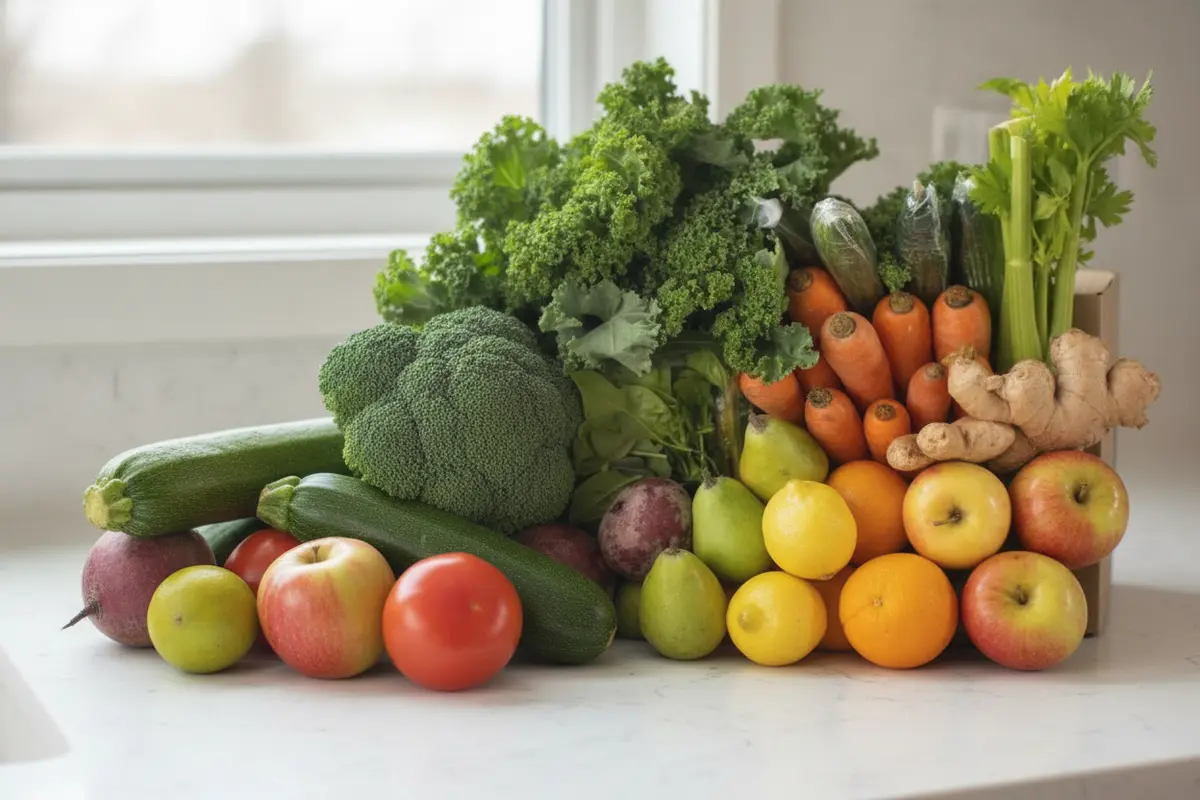
When comparing freshness claims, focus on details you can verify: whether delivery is refrigerated, how products are packed, whether the service identifies suppliers, and how it communicates about substitutions or availability. These are more useful than broad claims that a box is always the freshest. A well-planned routine also helps: choose a delivery day when someone can bring the order inside, and make a quick meal plan before the week begins.
Make a quick check before putting everything away. Compare the items with the order information, note any substitutions or missing products, and follow the provider's process if something needs attention. Then sort the produce according to how soon you expect to use it. Put fragile greens and ripe fruit where you will see them; place longer-lasting items where they will not be forgotten behind other groceries.
Think about preparation carefully. Washing and cutting all the produce at once can make busy evenings easier, but some items keep better when left whole and dry until needed. Choose the approach that works for your kitchen, and keep a small reminder of the ingredients that should be used first. That visible cue turns freshness from a delivery promise into a practical household habit.
A regular delivery can be convenient when the timing matches your household's rhythm. Consider when you shop now, which days you cook, and how much fridge space you have. A box delivered before your main meal-prep day may be useful; a delivery that arrives when you are away or already stocked may be less so.
Start with a short list of the produce your household reliably eats in a typical week. Separate everyday items, such as fruit for snacks or vegetables for lunches, from ingredients you buy only for a specific recipe. Compare those habits with the box size or ordering controls. It is better to begin with a manageable quantity than to choose a large assortment because it appears to offer more for the price.
For example, a household that cooks several dinners at home might use root vegetables, onions, and apples across multiple meals, while leafy greens and berries may need to be used quickly. A shopper who eats out often may need a smaller order even if the household has several people. The best estimate comes from what is actually eaten, not simply the number of people sharing the kitchen. If portions or plans change week to week, choose an order schedule that gives you room to adjust.
Ask how far ahead you need to make changes and whether pausing a delivery creates a fee. Flexible ordering matters when you travel, have a full fridge, or need to change meal plans. Tre'dish has no subscription fees; customers pay for products, and orders can be skipped, modified, or canceled. Review the current terms and timing before placing an order so you know when changes need to be made.
Plan two or three meals around ingredients you expect to receive, then keep a simple backup plan for anything left over. Use tender greens and ripe fruit earlier in the week; save sturdier vegetables for later meals. Wash or prepare items only as needed if that helps them keep better in your kitchen. A delivery routine works best when its quantity and variety reflect your real habits, not an idealized meal plan.
Make the plan flexible rather than assigning every ingredient to a single recipe. If a vegetable remains at the end of the week, look for a way to add it to soup, a grain bowl, an omelette, or a side dish you already make. Keep a short list of reliable combinations that use up odds and ends. This is especially useful when a seasonal assortment includes something unfamiliar: use a small portion in a familiar meal before deciding whether to order it again.
For shoppers in the Greater Toronto Area, Tre'dish positions its service around dependable weekly delivery and the ability to adjust the order. Check Groceries on Autopilot for an overview of the routine, and confirm your postal code and current schedule through the shopping site. Do not assume that a delivery service covers every Ontario community; service areas are provider-specific.
Use this checklist to compare a few options side by side:
Before committing to a recurring routine, get concrete answers about what can change and when. Ask whether the listed assortment is guaranteed or illustrative, how substitutions are handled, and how the provider communicates an unavailable item. Confirm whether your delivery address is in the service area and whether a safe drop-off is possible if nobody is home. If packaging is reused or insulated, check whether you should return or keep any components.
Also check the order cutoff in relation to your week. A weekly schedule is only useful if you can remember when the next order locks, and whether you can make changes through the website. Save the first delivery confirmation and review the total after checkout; it provides a baseline for later comparisons. These small checks can prevent mismatched expectations about portions, delivery timing, and what a recurring order means.
Tre'dish highlights an average basket savings claim of approximately 25%, but savings depend on the products and comparison being made. Treat any stated average as a point to investigate, not a guarantee about your personal basket. For a broader view of the company's approach and grocery options, visit About Tre'dish or read its guide to local fruit and vegetable boxes.
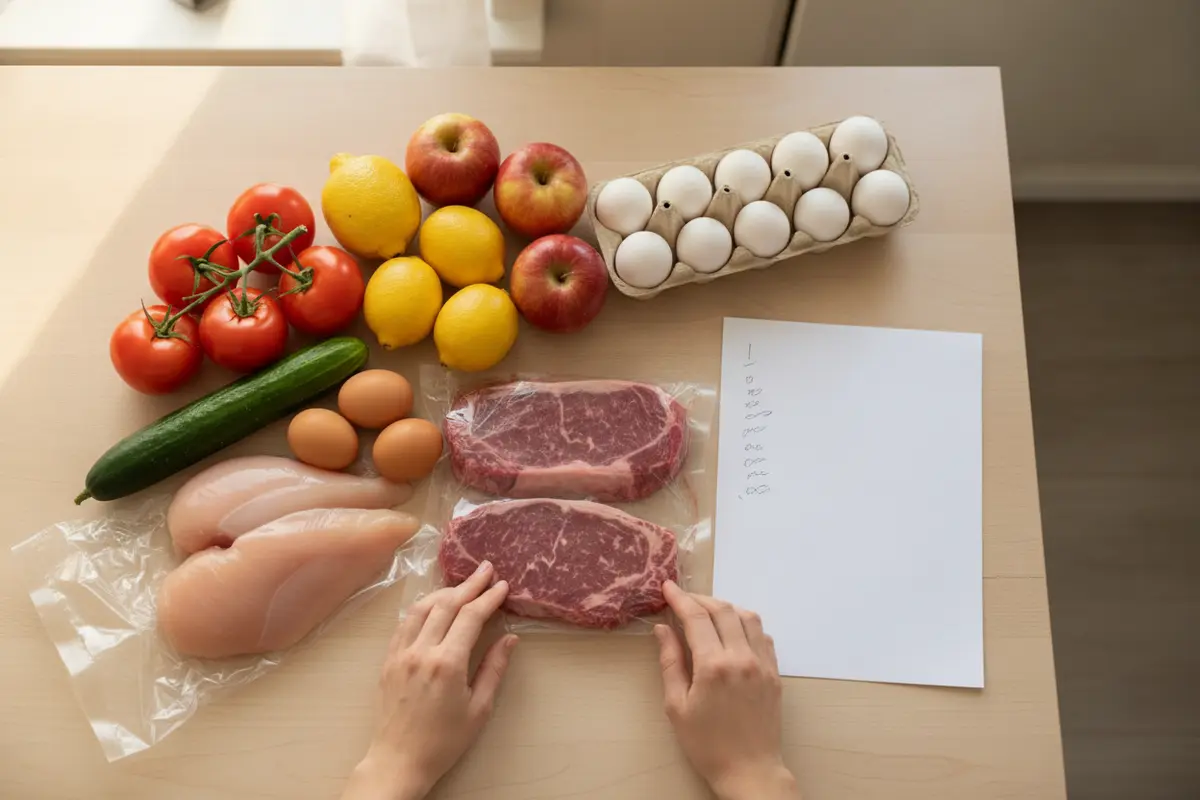
Tre'dish may fit GTA households that want fresh produce as part of a wider weekly grocery order, value Canadian and Ontario sourcing, and prefer delivery they can adjust to their schedule. It is not described as a fixed, produce-only subscription box, so shoppers looking specifically for a preset fruit-and-vegetable assortment should compare that distinction before ordering.
The service has no subscription fees, and customers pay for products. Orders can be modified, skipped, or canceled. Tre'dish also says its average basket savings are approximately 25%; actual value depends on what you choose and the alternatives you compare. Its refrigerated delivery approach uses insulated boxes and ice packs. Together, these details may suit shoppers who want convenience without giving up the ability to shape their grocery order.
For other perspectives on building a routine, see this guide to produce box home delivery and this Ontario seasonal produce guide. The best option is the one whose selection, delivery terms, and quantities make sense for your home through more than one week of shopping.
It is a delivery option that brings fruit and vegetables to your home at a price and quantity that work for your household. Some services offer a preset produce assortment; others let you select produce within a broader grocery order. Compare the full checkout cost, selection, and flexibility rather than relying only on a starting price.
Use your recent grocery habits as a guide. Estimate how much produce your household finishes in a normal week, then compare that with the provider's stated box size or ordering controls. If you are unsure, begin with a modest amount and adjust based on what gets used.
Availability depends on the provider, season, and delivery area. Tre'dish works with more than 200 local Ontario farmers and producers and serves the Greater Toronto Area. Check the current selection and confirm your postal code before ordering.
No subscription fee is stated: customers pay for the products they order. Tre'dish says customers can modify, skip, or cancel orders. Check the current order schedule for any change deadlines.
Compare the current produce selection with the meals you plan to make, and confirm that delivery is available in your area.
With a clear plan for quantity, timing, and the foods your household enjoys, produce delivery can become a practical part of a fresh and flexible weekly grocery routine.