Is Farm Direct Meat Better? Pros, Cons & What to Know
Curious is farm direct meat better? Learn the pros, cons, and what to expect when buying meat straight from local farms for your table.


Choosing a meat-only box can simplify one part of grocery planning, but it may leave you arranging separate orders for produce, dairy, pantry staples, and other weekly needs. The better choice depends on how much freezer space you have, how predictable your household's meals are, and whether you want a fixed selection or control over each order.
A meat subscription box Canada shoppers consider typically delivers a recurring selection of meat, while flexible grocery delivery lets you choose meat and poultry alongside the rest of your groceries. Compare product choice, delivery handling, labels, commitment terms, and how easily you can adjust the order before deciding.
Start by understanding what these boxes usually include and where a curated meat delivery model differs from a broader grocery subscription. That distinction makes it easier to judge whether a recurring box fits your routine or whether a more adaptable weekly order makes more sense.
A meat subscription box is a recurring delivery of selected meat products sent to your home on a set schedule. Instead of choosing every item during a regular grocery shop, you receive a curated assortment designed around a theme, household size, or cooking routine. Some boxes focus on one category, such as beef, while others combine ground meat, steaks, poultry, pork, seafood, sausages, or specialty items.
You typically choose a box size or product bundle, select a delivery cadence, and receive a new shipment at each interval. The box may contain a fixed assortment, or it may offer a limited choice between different cuts and proteins. Recurring delivery can make meal planning more predictable, but it also means you need to consider freezer space, portion sizes, and whether the next box will match what your household actually eats.
The details vary by provider. Some services offer monthly curated boxes, while others use a different schedule or let customers change orders before the next shipment. Read the commitment and skip policy carefully. A box that looks convenient may be less useful if it regularly sends products you do not cook or quantities you cannot store.
The main alternative is a broader grocery subscription. Rather than receiving meat alone, you select meat and poultry alongside produce, seafood, dairy, pantry items, and other staples. Tre'dish follows this model in the Greater Toronto Area. Customers can choose individual products or bundles and customize weekly grocery orders, including modifying, skipping, or canceling deliveries without a subscription fee.
In practical terms, a meat-only box suits shoppers who want a planned protein delivery and enjoy working meals around the selection. A broader grocery service may fit households that want meat included in one flexible weekly shop, without separating protein orders from the rest of the grocery routine.
A good box should fit the way your household actually cooks. Look beyond the size of the package and check whether the selection, delivery rhythm, and commitment make sense for your freezer and routine.
Start with the practical details below. They will tell you more than a large product photo or a broad "best" label.
If you prefer to select meat alongside everyday staples, a broader grocery subscription may be a better fit than a fixed box. Tre'dish lets GTA shoppers customize weekly grocery orders, then modify, skip, or cancel them as needed. That model can reduce the pressure to plan around a predetermined assortment.
Freshness is not only about how meat looks when it arrives. A reliable delivery process should keep products cold from dispatch through handoff, provide clear storage guidance, and give you enough information to decide what to refrigerate, freeze, or use first. Before ordering, ask whether the service uses insulated packaging, temperature-controlled vehicles, frozen packs, or another method suited to the delivery distance. Also confirm what happens if a package arrives warm, damaged, or later than expected.
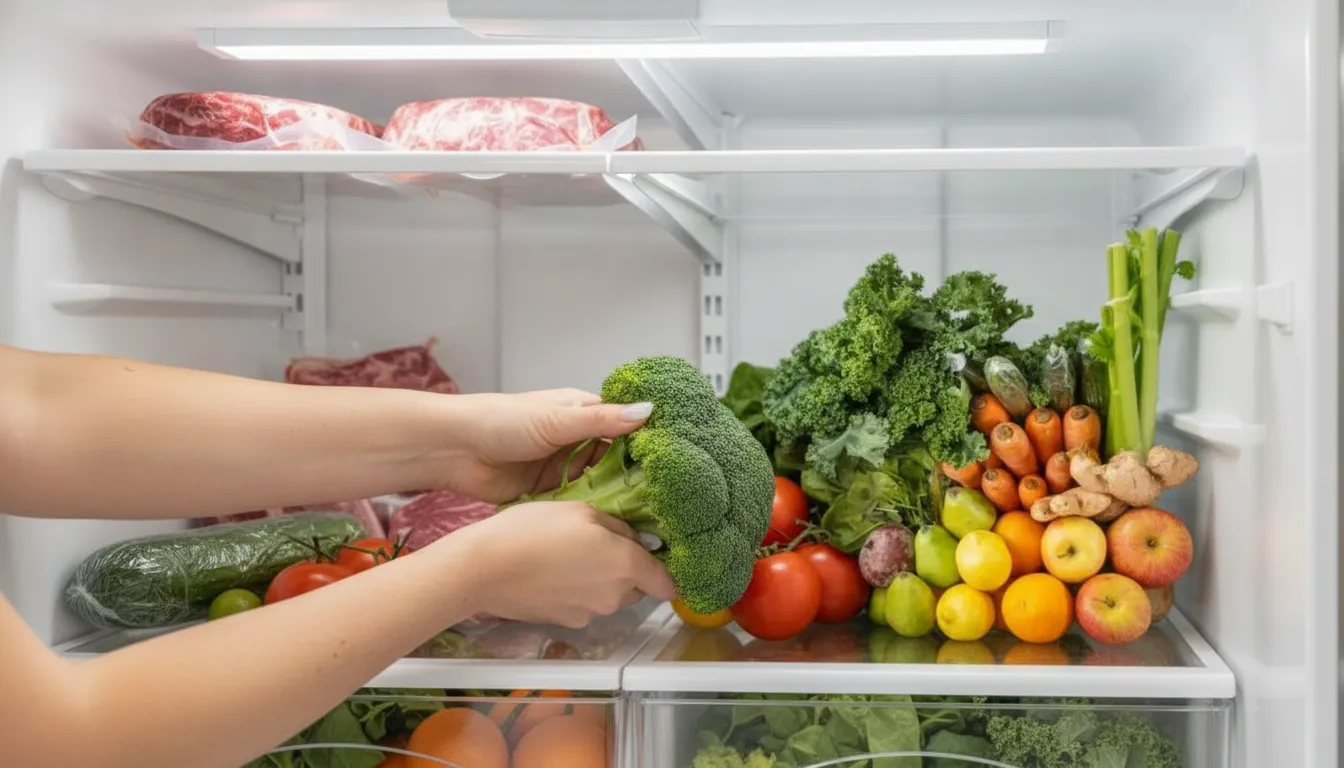
Move raw meat into the refrigerator or freezer promptly after delivery. Health Canada recommends refrigerating or freezing raw meat, poultry, fish, and seafood as soon as you get home. It also recommends setting your refrigerator to 4 C (40 F) or lower and your freezer to -18 C (0 F) or lower. See its safe food storage guidance for the full advice.
Keep packages sealed until you are ready to prepare them. Place raw meat where leaks cannot reach other foods, and follow the date and storage instructions on the label. If you will not use an item soon, freeze it promptly rather than relying on appearance or smell alone. A separate thermometer can help you confirm that your refrigerator is holding a safe temperature.
Cold storage matters because chilling slows or stops the growth of microorganisms and slows chemical and enzymatic changes that affect preservation, according to the CFIA guidance on refrigerating red meat products. For more practical context, compare the questions to ask about online meat delivery in Ontario, including delivery timing, packaging, and what to do when your order arrives.
A clear label helps you understand what you are buying before it reaches your freezer. Start with the basics: the species and the cut. "Beef roast," "chicken thighs," and "pork loin" communicate different cooking methods, portions, and storage needs. CFIA guidance identifies meat cut nomenclature and species-specific common names as key labelling topics, so a useful label should not leave those details vague (CFIA meat and poultry labelling guidance).
Read claims at the product level rather than assuming they describe every item in a box. Terms such as grass-fed, organic, local, or Canadian may have specific meanings or may depend on the supplier and product. Look for supporting details on the package or product page, including the stated origin and any relevant production information. If you are comparing grass-fed beef delivery options, treat the claim as specific to the listed beef unless the seller clearly explains a broader standard. Tre'dish offers meat and poultry alongside other groceries, but sourcing should still be verified for the individual item.
Next, check the country-of-origin information. Canadian shoppers may care where meat was produced, processed, or packaged, and those details should not be inferred from a brand name or delivery location. CFIA labelling guidance includes country of origin as well as date markings and storage instructions. Look for a best-before or packaged-on date when provided, then follow the stated refrigeration or freezing directions.
Finally, make sure the package gives you enough information to use it safely: storage temperature, handling directions, and any preparation notes. A reliable label supports a practical decision about whether the cut fits this week's meals, your freezer space, and your expectations for sourcing.
The better choice depends on how you plan meals and how much control you want over each order. A meat-only box can make protein shopping simple by delivering a curated selection on a set schedule. Flexible grocery delivery is broader: you can choose meat and poultry alongside the produce, dairy, pantry items, and other staples needed for the week.
Use the comparison below to assess the practical differences. A dedicated box may suit a household that enjoys planning meals around a recurring selection. A flexible service may work better when preferences change, household size varies, or one delivery needs to cover the whole grocery list.
| Factor | Meat-only box | Flexible grocery delivery |
|---|---|---|
| Selection | Usually centres on a curated mix of meat, poultry, or other protein products. The exact choices may be limited by the box design. | Lets you select individual meat and poultry items, plus the other groceries you need. Some services also offer bundles. |
| Cadence | Often follows a recurring monthly or other scheduled delivery pattern. | Supports a weekly grocery routine, with the order shaped around that week's meals and household needs. |
| Commitment | Terms vary. Check whether the plan requires a minimum period or limits changes between deliveries. | Tre'dish has no subscription fee. Customers can modify an order, skip a week, or cancel without fees. |
| Freezer planning | You need room for the delivered assortment, including items you may not cook immediately. | You can choose quantities and products with your available refrigerator and freezer space in mind. |
| Household fit | Works well for people who enjoy a planned protein selection and are comfortable adapting meals around it. | Works well for households with changing schedules, varied preferences, or different dietary needs. |
| Non-meat staples | You may still need a separate grocery trip or order for vegetables, dairy, pantry goods, and breakfast items. | Tre'dish combines meat and poultry with produce, seafood, dairy, pantry items, and other groceries in a customizable weekly order. |
For GTA households comparing a meat subscription box Canada search with a complete weekly routine, the broader model can reduce the need to coordinate several shopping trips. Tre'dish is not a meat-only service, but it gives shoppers control over what goes into each order. That distinction matters if you want dependable delivery without committing every week to a fixed assortment.
For households in the Greater Toronto Area, Tre'dish can fit into the weekly shop without turning every order into a fixed meat box. The service combines meat and poultry with produce, seafood, dairy, pantry items, and other groceries, so you can plan around the meals and staples your household actually needs.
That broader format is useful when a meat-only delivery leaves you with another grocery trip to arrange. You can select individual products or use bundles, then customize the order for the coming week. Someone planning family dinners might add chicken, ground beef, vegetables, milk, and pantry staples in one order. Another week might call for different cuts or less meat. The point is control, rather than receiving the same contents on a preset schedule.
Tre'dish is currently available in the GTA, not across Canada. For local shoppers, the Tre'dish grocery delivery service is designed to reduce repeated grocery trips while keeping weekly choices in your hands. It is also different from a meal kit: you are choosing groceries, not receiving a fixed recipe with pre-portioned ingredients.
Yes. Orders can be modified during the available ordering window, and you can skip a week or cancel without fees when your routine changes. There is no subscription fee; you pay for the products in your order. That makes it easier to adjust around travel, holidays, a fuller freezer, or a week when you are cooking less at home.
For planning ideas, see this guide to grocery delivery for meal prep. If you are comparing broader Canadian shopping models, this overview of online grocery delivery in Canada provides a useful separate context, while Tre'dish's current availability remains GTA-focused.
Before choosing a meat subscription box, check the details that affect how well it will work in your kitchen.
For meal planning, compare the box format with meats for Ontario grilling and explore grass-fed beef delivery options as separate sourcing questions, not automatic promises about every subscription.
The best option depends on how much control you want. A curated meat box can simplify ordering if you are happy with set bundles and a recurring delivery. A flexible grocery service may fit better if you want to choose individual cuts, add produce and pantry staples, and adjust your order from week to week.
Check the delivery area, delivery schedule, product selection, portion sizes, packaging, storage instructions, and the rules for changing or skipping an order. Also confirm how product labels identify the cut, species, origin, date markings, and safe storage information.
Move refrigerated meat into a refrigerator promptly and follow the storage instructions on the package. Health Canada recommends keeping the refrigerator at 4 C or lower. If an order arrives warmer than expected or the packaging is damaged, contact the provider before using the product. Source: Health Canada food safety guidance.
Yes, some grocery delivery services let you combine meat and poultry with produce, dairy, pantry items, and other household staples. Tre'dish serves the Greater Toronto Area and lets customers customize weekly orders, modify them during the open window, skip weeks without penalty, or cancel without fees.
Whether you want meat and poultry alongside everyday staples or more flexibility than a fixed box provides, Tre'dish lets you choose groceries for your household and adjust your order as your routine changes.