A Guide to the Best Canadian Food Subscription Boxes
Find the best Canadian food subscription boxes for fresh ingredients, flexible plans, and reliable delivery. Compare top options to fit your lifestyle and budget.


Choosing beef for an Ontario household is about more than finding a package with the right label. You want to know where it comes from, select cuts that fit the way you cook. And receive it cold and ready to store without adding another stop to the week.
Grass-fed beef delivery can make that process simpler by bringing thoughtfully selected cuts to your door while you compare sourcing, freshness, and fit for your meals. With Tre'dish, groceries arrive on a predictable weekly schedule, so quality food can become part of your routine rather than another item to remember.
Tre'dish offers more than 2,000 products, including Canadian-made options, pairing local sourcing with refrigerated delivery in insulated packaging and ice packs. That combination gives busy shoppers a practical way to build a better grocery order. You might need ground beef for a weeknight meal, a steak for the weekend, or a roast for planned leftovers. Start by looking at what makes grass-fed beef distinct, then use that information to choose with confidence.
The difference starts with what the cattle eat and how the product is described. Grass-fed beef generally comes from cattle raised on a grass-based diet, while conventional beef may include grain in the finishing phase. For shoppers, that distinction can affect flavour, texture, colour, and the way the beef fits into a meal plan. It is not a guarantee of one universal eating experience, because breed, cut, ageing, preparation, and the producer's practices also matter.
Grass-fed is also not a substitute for asking sourcing questions. Labels can use related terms such as grass-finished. So check the product description to understand whether grass was the primary diet throughout the animal's life or only during part of the process. A transparent description should help you understand the source and give you enough information to choose confidently, without relying on broad promises about health, sustainability, or animal welfare.
Research suggests that grass-based diets can change the fatty acid composition and antioxidant content of beef, although the results vary. These findings should not be treated as a health claim for every package. One academic review found that grass-finished beef tends to have a higher proportion of stearic fatty acid and lower proportions of some other saturated fatty acids. The same review describes studies finding higher levels of certain antioxidant-related compounds in beef from grass-based diets. These findings describe trends across research, not a promise about a specific cut or a reason to replace balanced dietary advice.
For everyday shopping, the practical takeaway is simple: treat grass-fed beef as a sourcing and eating preference, then evaluate the actual cut. Lean ground beef may suit burgers, meatballs, or tacos. A steak may be better for a quick dinner, while a roast or stew cut rewards slower cooking. The label matters, but so does matching the product to how you plan to use it.
Tre'dish helps Ontario shoppers bring that quality-first approach into a regular grocery routine by offering more than 2,000 products, including Canadian-made options. When comparing options, read the description, look for the cut you will use, and consider dependable delivery alongside the sourcing details. For more context on choosing from local producers, see our guide to grocery meal planning guide.
Quality starts with knowing what is behind the label. When comparing grass-fed beef delivery options in Ontario, look for clear information about the farm or producer. The animal's feeding practices, the cut, the package size, and how the order is kept cold. A polished label is less useful than straightforward details you can actually use.
Start by checking whether the description says grass-fed or grass-finished. These terms are not interchangeable in every product listing. Grass-fed generally describes part of an animal's diet, while grass-finished is commonly used to indicate that the animal continued eating grass through the finishing period. If the wording is unclear, look for additional sourcing information or contact the seller before ordering.
Source transparency matters too. A trustworthy listing should identify the farm, producer, or region when that information is available. Tre'dish offers more than 2,000 products, including Canadian-made options. But shoppers should still review each product description rather than assume every beef item has the same origin or feeding practice. For more context on choosing nearby meat providers, see this guide to local meat subscription guide.
Check the cut name first, then confirm the package weight and number of portions. Ground beef, steaks, roasts, and stew meat suit different meals and cooking methods. A smaller pack may fit a couple's weekly plan, while larger packs can be useful for family meals or batch cooking. If the listing provides trim level, bone-in or boneless status, or approximate individual package weights, use those details to compare like with like.
Do not judge quality from a product photo alone. The more useful signals are specific product information, a clearly identified producer, and packaging that protects the meat during delivery. Freshness is part of that equation. Refrigerated delivery with insulated boxes and ice packs helps maintain cold conditions while an order travels to your door. Once it arrives, check that the packaging is intact and move the beef into your refrigerator or freezer promptly according to your household's plan.
The best beef cut for a busy evening is usually the one that matches the time and cooking method you have available. Tender cuts can be cooked quickly, while tougher cuts need gentle, longer cooking to become tender. Choosing with that difference in mind makes weeknight meals easier and helps you get more from each package.
Ground beef is one of the most flexible choices for a weeknight. Use it for tacos, burgers, meatballs, stuffed vegetables, pasta sauces, or a simple skillet meal. It cooks quickly and takes well to bold seasonings. If you are planning several meals, ground beef can also be portioned before freezing, so you can thaw only what you need.
Steaks are another quick option. Look for cuts marketed for grilling, pan-searing, or broiling, then keep the preparation simple with salt, pepper, and a finishing sauce or compound butter. Thinner steaks can suit especially busy nights, while thicker cuts give you more flexibility if you have a few extra minutes. Since tenderness varies by cut, follow the package guidance rather than treating every steak the same way.
Stew meat is a good fit when you can let dinner cook while you handle other tasks. Smaller pieces of beef work well in a covered pot, slow cooker, or pressure cooker with stock, vegetables, and seasoning. These cuts are generally less tender at the start, but low, moist heat helps soften the connective tissue over time. They are useful for stews, curries, chili-style dishes, and other one-pot meals.
Roasts are best when dinner can be planned ahead. A larger roast may need more time than a steak, but it can provide leftovers for sandwiches, grain bowls, tacos, or next-day lunches. Choose a cooking method that suits the cut. Some roasts are better for slow cooking, while others are intended for roasting and slicing. If your evening schedule is unpredictable, prepare the roast on a day off and repurpose it during the week.
Consider the number of servings, the cooking time, and whether you want one meal or leftovers. A practical grass-fed beef delivery order might combine ground beef for flexible staples. A quick-cooking steak for one evening, and stew meat or a roast for a planned meal. Treat these as general shopper guidelines, since available cuts and package sizes can vary. Keep the label and storage instructions with the product, and choose cuts that fit the way your household actually cooks.
Freshness depends on more than the quality of the cut. It also depends on how the order is packed, transported, received, and stored. Tre'dish uses refrigerated delivery with insulated boxes and ice packs to help protect groceries while they make their way to Ontario households. That packaging supports a practical cold-chain approach without asking customers to make another trip to the store.
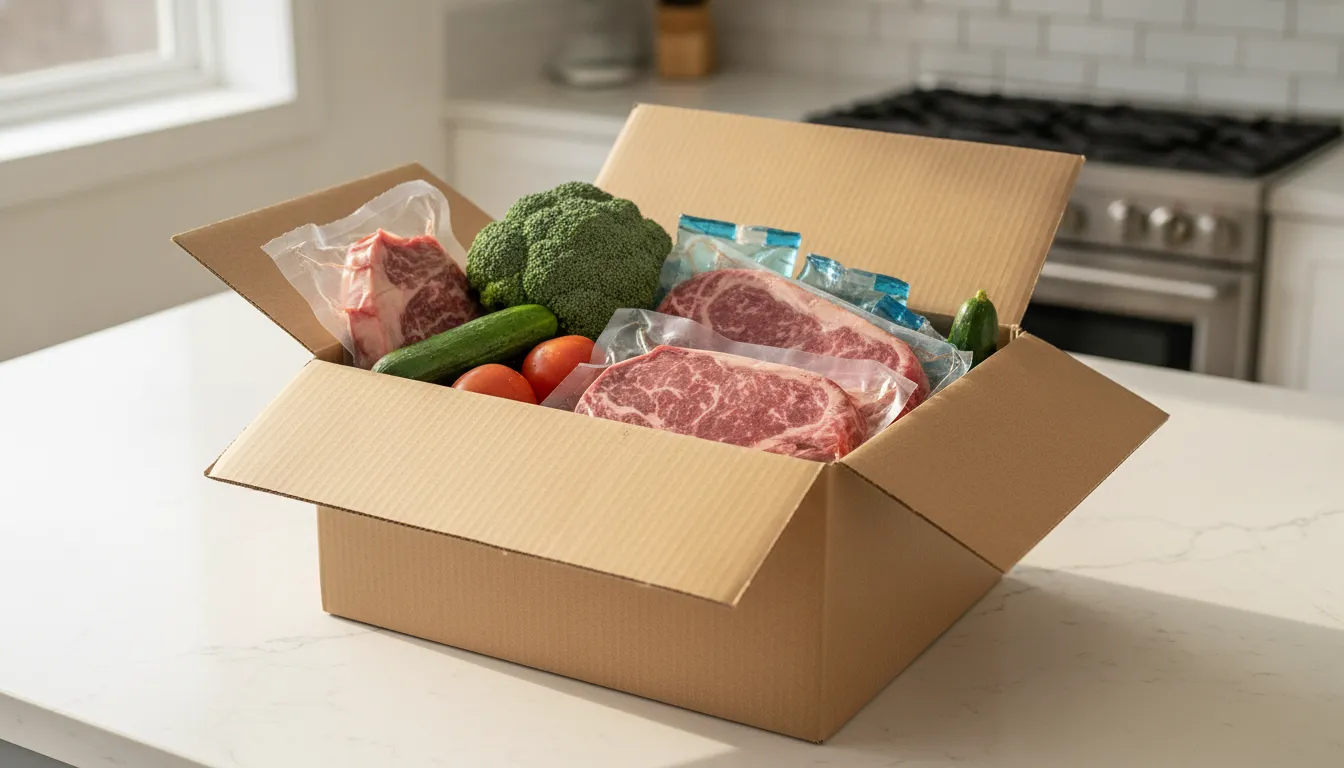
Plan to bring the box indoors soon after delivery. If you know you will be away, arrange for someone to receive it or choose a delivery time that fits your routine. The goal is simple: move the order from the delivery box into your refrigerator or freezer as soon as reasonably possible.
Open the box on a clean counter and unpack the meat first. Keep the insulated packaging and ice packs together while you sort the rest of the groceries. Check each package for its product name, use-by guidance, and any visible damage to the seal. If something does not look right, set it aside and contact Tre'dish before using it.
Refrigerate the cuts you plan to cook soon. Freeze the rest according to your meal plan, especially larger roasts or extra packages that will not be used in the next few days. Store raw beef securely so it cannot leak onto ready-to-eat foods, produce, or prepared meals. A shallow tray or sealed container can add another layer of protection on a crowded refrigerator shelf.
Insulated packaging and ice packs help keep the order protected during refrigerated delivery, while making the handoff easier for busy households. You do not need to schedule a separate farm pickup or repeat a supermarket trip just to restock the freezer. Instead, you can unpack the groceries as part of a predictable weekly routine, then customize future orders around the cuts your household actually uses.
Tre'dish also uses eco-friendly packaging, bringing freshness and sustainability into the same delivery experience. Because orders can be modified, skipped, or canceled, you can adjust the amount of beef you receive as your plans change. That flexibility helps prevent forgotten packages from sitting in the refrigerator and makes grass-fed beef delivery fit real household schedules.
The best option depends on how you want to shop. Farm pickup can offer a direct connection to a producer, but it usually means planning around pickup hours and travelling to a specific location. A supermarket trip is familiar and flexible in the moment, yet it adds another stop to a busy week and may not make sourcing details easy to compare.
Grass-fed beef delivery brings the product choice to the same routine as the rest of your groceries. Tre'dish delivers to Toronto, North York, Vaughan, Markham, East York, Scarborough, Etobicoke, Guelph, Mississauga, Brampton, Oakville, Burlington, Milton, and Hamilton. Its selection includes Canadian-made options, giving shoppers a way to support regional producers while building a dependable grocery schedule without making a separate farm trip for every order.
The delivery model is also designed for real household changes. You can set up weekly orders, then modify, skip, or cancel an order when your plans change. There are no subscription fees, so the recurring schedule is a convenience rather than a commitment to pay for access. You still choose the products that suit your household and can adjust the order before delivery.
| Shopping option | What it offers | What to consider |
|---|---|---|
| Farm pickup | Direct connection with a local producer and a focused product selection. | Travel, pickup windows, and advance planning may be required. |
| Supermarket trip | Immediate access to a broad selection during a regular shopping visit. | Requires another store trip, and sourcing information can vary by product. |
| Tre'dish delivery | GTA-area grocery delivery, recurring customization, and access to a broad selection that includes Canadian-made products. | Orders need to be selected and updated before the delivery schedule. |
Freshness is part of the delivery experience. Tre'dish uses insulated packaging and ice packs to support refrigerated delivery. Groceries can arrive ready to unpack rather than requiring a same-day trip to a farm or store. For households that want quality groceries without repeating the same shopping run. Grass-fed beef delivery can make a specialized choice easier to manage alongside the rest of the weekly shop.
For more context on choosing a direct-to-home option, see this guide to freezer-friendly grocery shopping guide.
Making grass-fed beef part of a regular grocery routine does not require planning every meal around one delivery. Treat it like any other household staple: review what is available. Choose cuts that fit the meals you already make, and add the order to a schedule that matches your week. Tre'dish is designed for flexible weekly grocery delivery in its current GTA service area, so you can build a dependable routine without giving up control.
Choose the cuts and quantities that fit your meals, place your order online, and have the groceries delivered to your door. Tre'dish uses insulated packaging and ice packs to support refrigerated delivery, so grass-fed beef can fit into a regular grocery routine without another store trip.
Tre'dish currently delivers in Toronto, North York, Vaughan, Markham, East York, Scarborough, Etobicoke, Guelph, Mississauga, Brampton, Oakville, Burlington, Milton, and Hamilton. Availability can vary by product and current inventory, so check the storefront for grass-fed beef cuts available for your address. You can also build the order around other groceries instead of arranging a separate meat delivery.
Start with the cooking method and the time you have. Ground beef works well for quick skillet meals, steaks suit fast cooking, and roasts or stew meat are better for longer, slower preparation. Check the product details for the cut, package size, and handling instructions before ordering.
There is no simple answer that applies to every product or diet. Grass-fed describes how cattle were fed, not a guarantee about the overall nutrition of a meal. Focus on the source, product details, preparation method, and the balance of your overall eating pattern rather than treating the label as a health promise.
Yes. Tre'dish orders can be skipped, modified, or canceled, and there are no subscription fees. That flexibility lets you adjust the amount of beef around your meal plans, travel, or changing household needs while keeping convenient grocery delivery on autopilot.
Choosing quality beef is easier when it fits into the rest of your grocery routine. Tre'dish helps Ontario shoppers explore grass-fed beef delivery options alongside the groceries they already need, with a focus on freshness, selection, and dependable delivery.