Best Groceries Delivered to Me: 5 Services Compared
Compare top services for groceries delivered to me. Find out which grocery delivery option fits your needs for quality, price, and convenience.

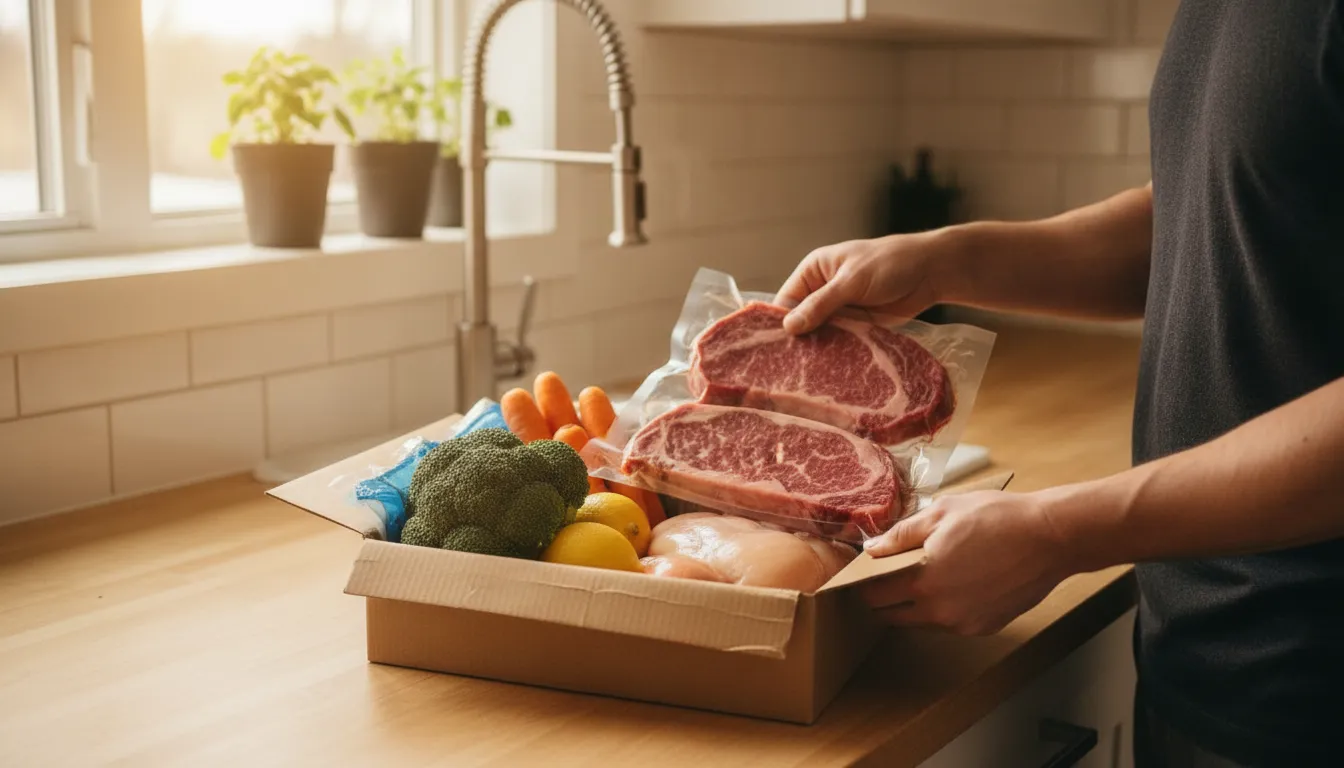
Ordering meat online can save a grocery trip, but convenience only matters if the food arrives fresh, well protected, and ready to store. For Ontario households, the real questions are practical: how is the cold chain maintained. Where does the meat come from, and what should you expect from the cuts and packaging?
Start Shopping for high-quality meat and groceries delivered on autopilot across Ontario.
With online meat delivery, expect dependable ordering and delivery designed to bring high-quality meat to your door without the time commitment of repeated shopping trips. A trustworthy service should explain how it protects freshness, handles products safely, and delivers consistent quality.
Tre'dish is built around high-quality groceries on autopilot, with reliable weekly or bi-weekly delivery for Ontario customers. The details behind that promise matter, starting with the journey from farm to door and the systems that keep meat fresh along the way.
Reliable online meat delivery depends on more than a delivery box arriving on schedule. Freshness is protected through a cold chain, a connected set of refrigeration, packaging, handling, and transport steps that keeps meat at safe temperatures from sourcing to your kitchen. For raw red meat, the Canadian Food Inspection Agency identifies refrigeration as a critical control point for maintaining food safety and quality throughout the supply chain. Learn more about refrigeration for red meat products.
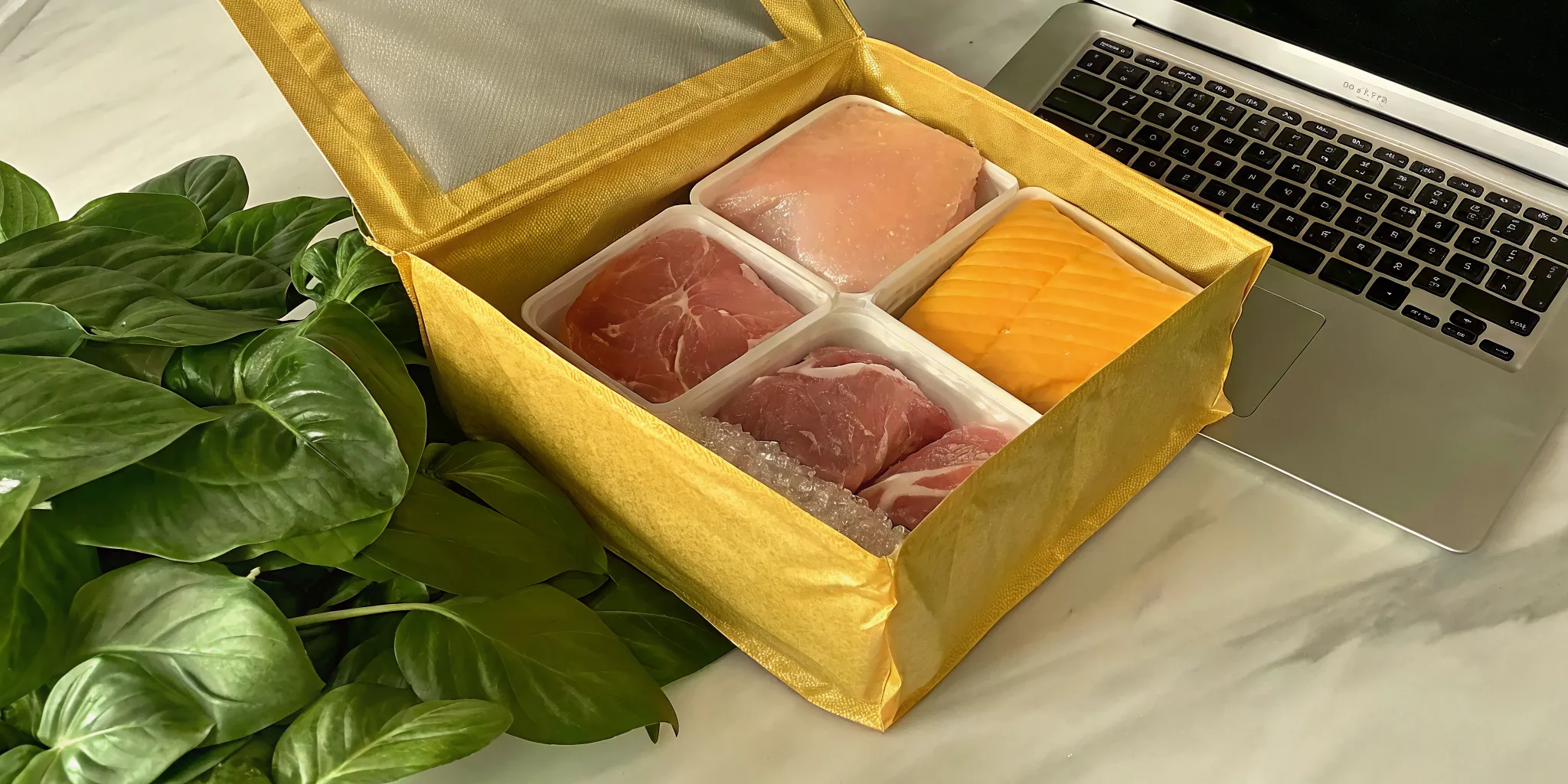
Online meat delivery services use food-grade insulated packaging and cold packs to slow temperature changes while an order is in transit. Tre'dish delivers orders in insulated boxes with ice packs, using refrigerated, eco-friendly packaging designed to protect freshness until the customer retrieves the order. The packaging is not a substitute for refrigeration, but it helps maintain the cold environment across the last mile. When an order moves from the delivery vehicle to your door.
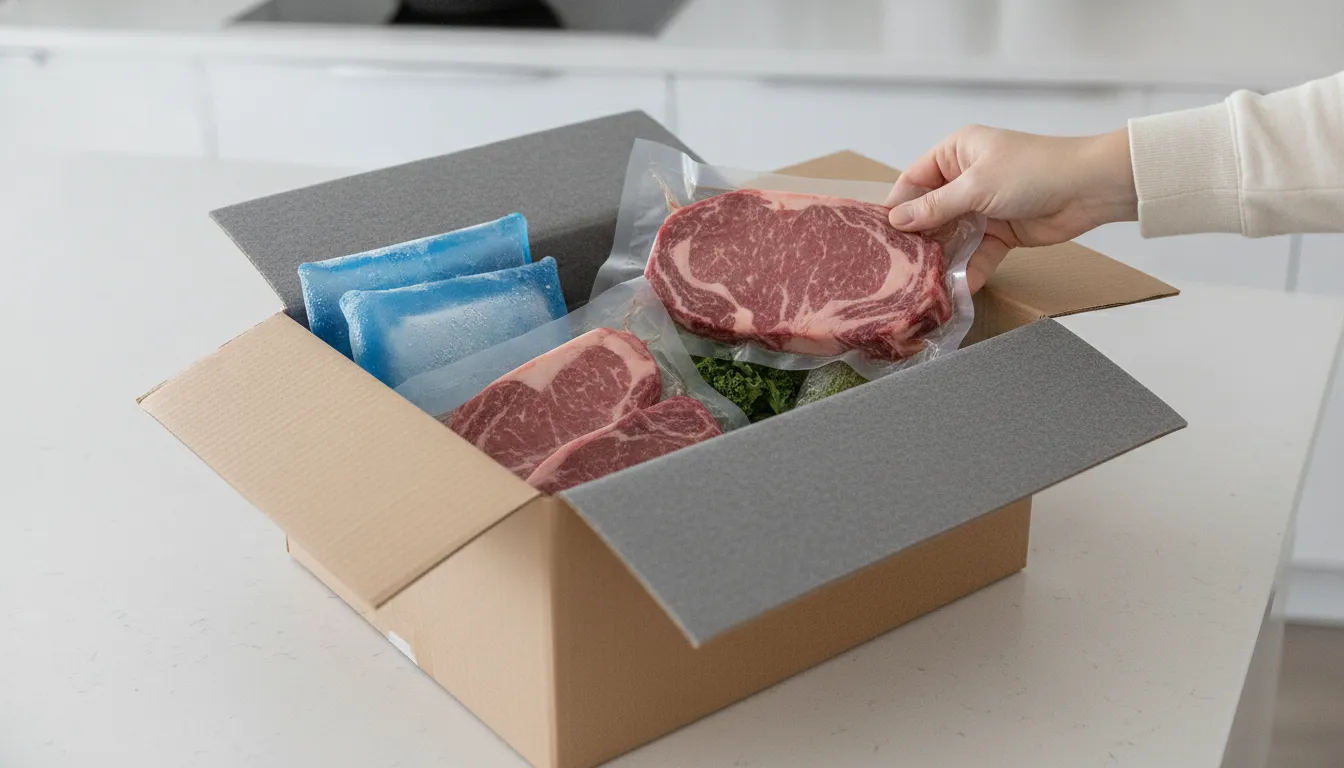
Temperature control also depends on timing and logistics. Agriculture and Agri-Food Canada explains that improved temperature monitoring and streamlined distribution can help conserve food across Canada's supply chain. Consistent control matters because meat quality can decline when products warm and cool repeatedly. A well-managed cold chain reduces that risk by keeping conditions stable through handling, transport, and delivery.
Yes. Buying food online does not lower the safety requirements that apply to physical grocery stores. The business remains responsible for storing and transporting food under conditions that prevent contamination and keep it safe to eat. Federal guidance also points to preventive control plans and validated cooling procedures for meat businesses. You can review the CFIA guidance on preventive controls for meat for more detail.
That means a dependable service should be clear about how it handles perishables, what packaging it uses, and when customers should expect delivery. It is also important to choose a time when someone can receive the order promptly. Once the box arrives, move the meat into the refrigerator or freezer rather than leaving it outside or in a hallway. Health Canada recommends keeping the refrigerator at 4C or lower, with raw meat stored separately from ready-to-eat foods to reduce cross-contamination risks.
Tre'dish combines this practical cold-chain approach with sourcing from more than 200 local Ontario farmers and producers. Shorter regional supply routes can support freshness while refrigerated packaging protects the order during delivery. The result is a grocery experience built around quality and dependable handling, not simply convenience.
Quality online meat delivery should feel like a thoughtful extension of your grocery shop, not a compromise made for convenience. That starts with the cuts themselves. You should be able to understand what you are ordering, choose options that suit the way you cook. And feel confident that the product has been handled carefully from sourcing through delivery.
Cut quality is more than appearance in a product photo. A dependable service should provide clear product descriptions, recognizable cuts, and enough detail for you to plan a meal without guessing. Whether you are choosing ground beef for a weeknight dinner, chicken for batch cooking, or a larger cut for a family meal. The product should match the description and arrive in condition that supports the cooking method you have in mind.
Temperature control is part of that quality. Canadian food safety guidance identifies refrigeration as essential to preserving the safety and quality of raw red meat throughout the supply chain. In practice, shoppers should expect refrigerated handling and packaging designed for perishable food, rather than meat sitting loose in a box. Tre'dish deliveries use insulated boxes and ice packs to help keep products refrigerated and fresh during delivery. The packaging is also designed with an eco-friendly approach, so convenience does not have to mean ignoring the impact of the delivery itself.
At home, the final step still matters. Plan to receive the order promptly, then refrigerate or freeze the meat according to your meal plan. Keeping the cold chain intact protects both food safety and the texture you expect when it is time to cook.
Local selection is not limited to a single farm or one fixed cut. Tre'dish sources from more than 200 local Ontario farmers and producers, giving shoppers access to a broader network of regional products while keeping the focus on Canadian households. That sourcing model can also help shorten the distance between producer and customer compared with products that travel through longer supply chains. Less time in transit can support freshness, although the quality of any delivery still depends on proper storage and refrigerated handling.
Ontario-wide delivery makes this local network available beyond one neighbourhood or farmers' market. It gives households across the province a practical way to include locally sourced meat in a regular grocery order, alongside the other foods they already need. Selection may vary with availability, season, and producer supply, which is normal when a service works with local farms rather than relying on an unlimited warehouse assortment.
That variation can be useful rather than frustrating when the service makes choices clear. Look for product information that helps you compare cuts, identify the kind of meal each one suits. And decide whether to order it now or add it to a future shop. Tre'dish is built around dependable weekly or bi-weekly grocery delivery that customers can customize. So meat can fit into a broader routine instead of becoming a separate shopping task. For readers comparing formats, this guide to local meat subscription boxes offers more context on how local sourcing and recurring delivery can work together.
A useful comparison starts with more than price or the number of cuts in a product catalogue. The best online meat delivery service should make its sourcing, handling, delivery terms, and ordering flexibility easy to understand. That gives you a clearer way to judge quality and fit, whether you are comparing Tre'dish with Voila by Sobeys or reviewing other Ontario options.
Use the table below as a practical checklist. Then look for details behind each claim, especially when the service delivers perishable food.
| Factor | What to look for | Why it matters |
|---|---|---|
| Sourcing transparency | Clear information about farms, producers, origin, and product quality. | You can make an informed choice and understand what stands behind the meat you receive. |
| Packaging and cold chain | Insulated, food-grade packaging, ice packs, and a delivery process designed to protect temperature. | Refrigeration is central to both food safety and quality. The Canadian Food Inspection Agency says online food sellers must store and transport food under conditions that prevent contamination. Learn more about buying food online safely. |
| Delivery area and timing | Coverage in your Ontario community and a delivery window you can plan around. | Meat should be retrieved promptly. Choose a service that lets you be available when the order arrives, rather than leaving a perishable box outside. |
| Customization | Options to adjust products, quantities, and delivery frequency. | Your order can match your household instead of forcing you into a fixed box or recurring purchase you do not need. |
| No hidden fees | Plain language about subscription fees, product pricing, delivery costs, and cancellation terms. | Convenience should come with fair, transparent value, not surprises at checkout or a difficult cancellation process. |
Tre'dish addresses several of these points directly. It sources from more than 200 local Ontario farmers and producers, and orders are delivered in insulated boxes with ice packs. Its grocery subscription has no subscription fees, and customers pay for the products they choose. You can also skip, modify, or cancel an order as your needs change. Those details matter if you want the convenience of regular delivery without losing control of your grocery plan.
Packaging is only part of the evaluation. Check whether the service explains how delivery timing protects the cold chain. Whether its coverage includes your address, and whether its product information is specific enough to support a confident choice. For a broader look at alternatives, compare these details alongside other Canadian butcher box services, rather than judging every provider by the same fixed box model.
Where meat comes from affects more than the story on the label. A shorter journey can mean less time in transit, fewer handoffs, and a better opportunity to protect quality from farm to kitchen. For Ontario households using online meat delivery, local sourcing can make convenience feel much closer to shopping with a trusted regional supplier.
Tre'dish sources from more than 200 local Ontario farmers and producers. That regional network helps reduce the distance between producers and customers, compared with products that travel long distances before reaching a grocery shelf. Fewer kilometres do not guarantee freshness on their own, but they can reduce the time meat spends moving through the supply chain.
Temperature control still matters at every stage. The Canadian Food Inspection Agency identifies refrigeration as a critical control point for maintaining the safety and quality of red meat during transport and storage. Local sourcing works alongside that cold chain. Meat that begins with a shorter route has less transit time to manage, while refrigerated handling helps keep the product protected throughout delivery. Learn more about refrigeration for red meat.
Buying locally sourced meat also keeps more of the food system connected to the regional economy. Ontario farmers and producers play a direct role in supplying the meals households cook each week. Choosing products from that network supports the people and businesses behind local agriculture, while giving customers a clearer connection to where their food comes from.
That connection is part of why many shoppers prefer Ontario meat. They are looking for dependable quality, regional sourcing, and a practical way to make better grocery choices without adding another stop to the week. Tre'dish delivers across Ontario, making locally sourced options available beyond the communities closest to the farms.
Local sourcing is most useful when it is paired with reliable delivery practices. Tre'dish orders arrive refrigerated in insulated boxes with ice packs, helping maintain freshness during the delivery window. Customers should still retrieve perishable food promptly and refrigerate it when it arrives.
For a closer look at how regional sourcing fits into a recurring grocery routine, explore these local meat subscription boxes. Tre'dish also contributes to the wider community through its partnership with Feed Ontario, donating a portion of profits. The result is a delivery model that connects freshness, Ontario producers, and community impact in one practical service.
The cold chain does not end when your online meat delivery reaches the door. Plan to be home during the delivery window, bring the order inside promptly, and make refrigeration your first priority. This simple routine protects quality and gives the insulated packaging and ice packs less time to warm up.
Give the delivery a short routine so the cold chain stays intact all the way to your kitchen.
Place meat in the coldest part of the refrigerator, ideally at 4C or lower. Health Canada recommends keeping the refrigerator at or below this temperature to slow bacterial growth. You can verify the setting with an appliance thermometer, especially if your fridge is crowded or the door has been opened frequently. Health Canada's safe food storage guidance offers the same baseline for meat received at home.
Keep raw meat separate from ready-to-eat foods, produce, dairy, and prepared meals. Store packages on the lowest refrigerator shelf or inside a tray so juices cannot drip onto other ingredients. Use a separate cutting board for raw meat, wash your hands before and after handling it. And clean surfaces that come into contact with the package or its contents. These steps remain important even when the meat has arrived in carefully managed refrigerated packaging.
If you will not cook the meat soon, freeze it while it is still properly chilled. Leave factory-sealed packaging intact when practical, or transfer portions to airtight freezer bags or containers. Press out excess air, label each package with the cut and date, and freeze flat when possible so it stacks neatly and thaws more evenly. Dividing larger orders into meal-sized portions also means you only thaw what you plan to use.
Choose a delivery time when someone can receive the order and put perishable items away promptly. That small bit of planning helps preserve the temperature control maintained during transit and makes online meat delivery easier to manage safely. With the right receiving, refrigeration, separation, and freezing habits, quality groceries can fit smoothly into a busy household routine.
For a busy household, planning dinner is only one part of the grocery problem. Someone still needs to remember what is running low, make time for a store visit, choose fresh meat, and get everything home safely. Online meat delivery turns that repeated task into a dependable part of a grocery routine, so quality ingredients are available without another rushed trip.
Tre'dish is built around high-quality groceries on autopilot. Customers can arrange weekly or bi-weekly delivery and customize what arrives, including the meat and other staples their household actually uses. That rhythm is useful for families balancing work, school, caregiving, and changing schedules. It gives the household a reliable starting point without locking anyone into the same order every week.
Meat is one of the easiest grocery categories to forget until the last minute. Keeping it in a regular delivery plan makes meal planning more predictable, while refrigerated packaging helps protect freshness between dispatch and arrival. Tre'dish deliveries use insulated boxes and ice packs, and customers can choose a delivery time when they will be able to receive the order promptly. That combination supports the cold chain instead of leaving a perishable order waiting outside.
The model is also designed for real life rather than a fixed shopping schedule. You can skip a delivery when you are travelling, modify an order when plans change, or cancel when the service no longer fits your needs. There are no subscription fees. You pay for the products you choose, with fair and transparent value rather than a trade-off between convenience and quality.
Tre'dish sources from more than 200 local Ontario farmers and producers. For Ontario households, that local focus connects convenience with a clearer sense of where groceries come from, while shorter regional supply chains can support freshness. Delivery is available across Ontario, making the same approach practical beyond one neighbourhood or city.
This is not just a way to order a box of meat. It is a way to reduce the number of decisions and errands surrounding meals while keeping quality, freshness, and flexibility in view. Tre'dish also partners with Feed Ontario, donating a portion of profits to support the community. For shoppers comparing online meat delivery companies, those details help distinguish a dependable grocery routine from a service focused only on convenience.
Start Shopping for high-quality meat delivered on autopilot across Ontario.
A reliable service protects the cold chain with refrigerated handling, insulated packaging, and ice packs through the delivery window. Tre'dish uses insulated boxes and ice packs. Canadian guidance says online food sellers must store and transport food in conditions that prevent contamination. Canadian Food Inspection Agency
Bring the order inside promptly, check that the packaging is intact, and refrigerate or freeze the meat based on when you plan to use it. Keep raw meat separate from ready-to-eat foods, and set your refrigerator to 4 degrees C or lower, as recommended by Health Canada.
Local services may source from regional farms and producers, which can support Ontario agriculture and shorten the journey between supplier and customer. Tre'dish works with more than 200 Ontario farmers and producers, so shoppers can look for clear sourcing information rather than assuming every delivered product follows the same path.
Compare sourcing transparency, refrigerated packaging, delivery windows, cut selection, and the amount of order control offered. It is also worth checking whether you can skip, modify, or cancel an order. So the service fits your household instead of creating waste or forcing deliveries you do not need.
Tre'dish makes it easier to keep high-quality meat and groceries in your routine without another trip to the store. Set up your next order around the foods your household actually enjoys, then let dependable delivery do the rest.
Start Shopping to get high-quality meat and groceries delivered on autopilot across Ontario.