
Meal Kits Canada: A Practical Guide for Shoppers
Compare meal kits Canada shoppers can consider, from recipe structure and prep time to grocery delivery flexibility, local sourcing, and weekly planning.


A grocery delivery service can use the word local without making its producer relationships easy to verify. For Ontario shoppers, the useful questions are practical: Where do the groceries come from, and who grows or makes them? How far does the service deliver, and how is freshness protected on the way to your door?
Genuine local food grocery delivery should make its sourcing and regional coverage clear, show meaningful relationships with producers, and explain how it protects freshness through delivery. Tre'dish applies those checks through its Ontario producer network, refrigerated delivery, and community focus. Look for evidence, not just a farm-inspired label.
That evidence can include named producer partnerships, Ontario-wide logistics, refrigerated packaging, and a visible connection to the communities the service serves. The first step is defining what local should mean before comparing those signals.
Local food grocery delivery in Ontario starts with clear sourcing, practical delivery details, and evidence of community impact.
Local food grocery delivery is more than ordering groceries online from a nearby warehouse. It describes a supply chain where food is produced, gathered, processed, and distributed within a defined locality or region, then delivered to the households it serves. The exact boundary can vary by business and product, so a clear service should explain what it means by local rather than relying on the label alone.
At its most useful, local means you can understand where products come from and how they reach your kitchen. The United States Department of Agriculture describes local food as a product raised, produced, aggregated, stored, processed, and distributed in the locality or region where it is marketed. You can read the full definition in the USDA guide to why local food matters.
That definition highlights an important distinction: local sourcing is not the same as local delivery. A company may deliver to Ontario addresses while sourcing most of its food from far outside the province. Conversely, a service may work with Ontario producers but deliver only within selected communities. Ask two separate questions:
Origin transparency also matters because "local" should help you make an informed choice. A trustworthy service gives shoppers useful context about its producers and, where available, farming or production practices. That information makes it easier to assess freshness, seasonality, and the relationship behind the product instead of treating local as a vague marketing promise.
For Ontario households, local food grocery delivery can combine regional sourcing with the convenience of scheduled delivery. Tre'dish sources from more than 200 local Ontario farmers and producers, while serving households across Ontario. In other words, the service can have a broad delivery footprint and still maintain a local producer network. The relevant question is not whether the delivery van travels a short distance to every door. It is whether the food's origin, producer relationships, and route to the customer are explained clearly.
Before ordering, look for producer information, a defined geographic claim, and practical details about how groceries are handled after they leave the farm or producer. Those checks turn "local" from a feel-good phrase into something you can evaluate.
A local label is more useful when a grocery service can show where its products come from and how it works with the people who produce them. Use the following checks before you place an order.
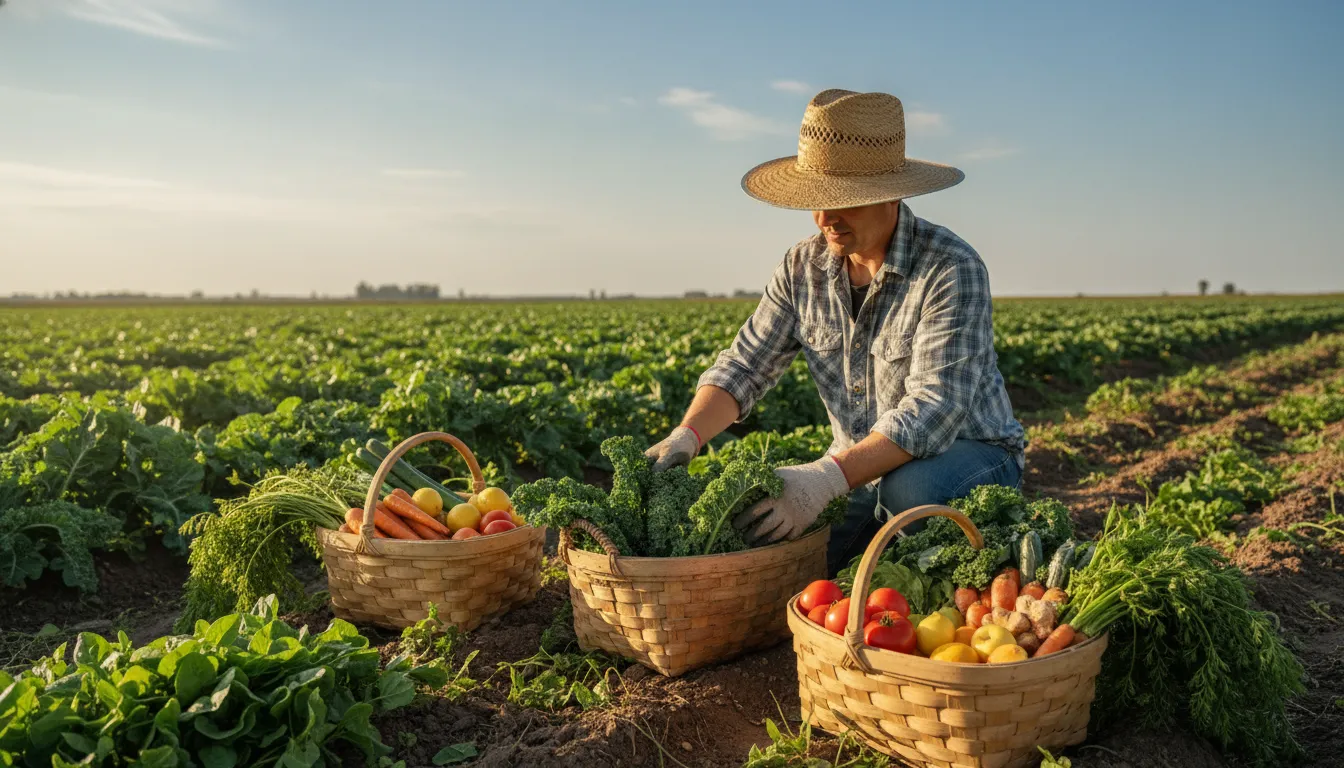
These checks do not require a service to source every product from one nearby farm. They help you distinguish a defined, transparent producer network from a local-sounding claim with no supporting detail.
Local does not have to mean a service operates in only one town. It can also describe the relationships behind the food: who supplies it, where those producers are based, and how the service connects their products with nearby households. A company can serve a large province while keeping its sourcing network rooted in the region it knows best.
For Tre'dish, the local connection starts with its sourcing network. The service works with more than 200 local Ontario farmers and producers, giving shoppers access to groceries connected to the province's farming and food community. That is a more useful measure of localness than the delivery radius alone. When evaluating any local food grocery delivery service. Look for clear information about producer relationships and product origins rather than assuming that a local label tells the whole story.
The delivery operation matters too. Tre'dish serves households across Ontario, but it does not present that coverage as national or borderless. Its focus is Ontario households, with refrigerated deliveries and insulated boxes and ice packs designed to help protect freshness on the way to the customer. This combination of regional sourcing and a defined service area gives the model scale without losing its Ontario focus.
Ontario-wide coverage also makes the service practical for people who want local connections without planning every grocery trip around a farmers' market schedule. A dependable delivery routine can bring fresh, carefully selected groceries into a weekly or bi-weekly household rhythm. You can learn more about the ordering and delivery process through Tre'dish's flexible grocery subscription. For another perspective on recurring grocery routines, compare the guidance in automatic grocery delivery in Canada.
Flexibility is part of what keeps that routine useful. There are no subscription fees, and customers pay for the products they order. If your needs change, you can skip, modify, or cancel an order instead of being locked into a fixed basket. That matters for busy Ontario households: local sourcing should fit real life, not create another obligation to manage.
Local sourcing is only valuable if groceries arrive in good condition. Before choosing a local food grocery delivery service, ask how it protects chilled items from the producer or fulfilment point to your door. Look for clear information about refrigerated transport, delivery timing, temperature protection, and what happens when nobody is home.
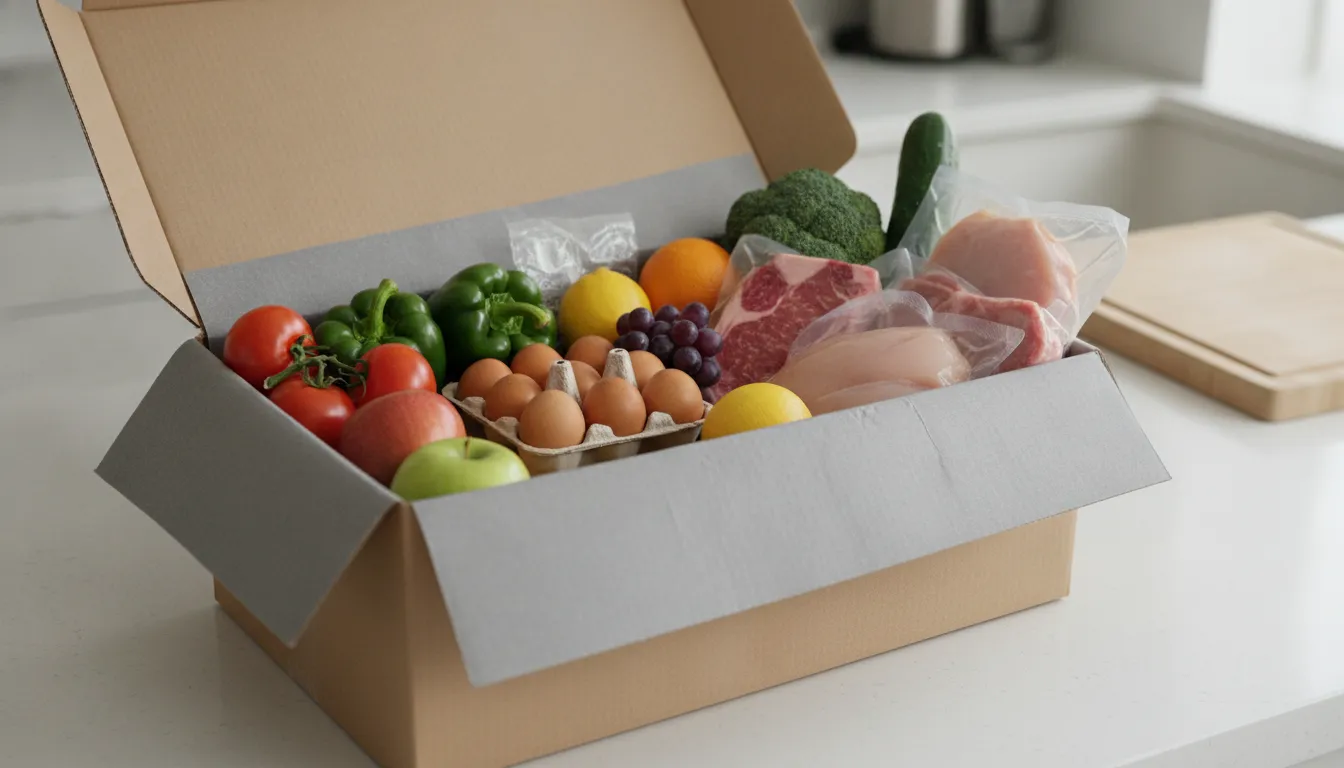
A dependable service should be able to explain how products stay cold during delivery, not simply promise that they are fresh. Tre'dish uses refrigerated deliveries with insulated boxes and ice packs, helping protect groceries while they travel to Ontario households. This packaging also avoids relying on a plain cardboard box for temperature-sensitive items.
It is also reasonable to ask how produce is selected and packed. Local purchasing can support freshness, flavour, ripeness, and shelf life, according to the USDA's overview of why local food matters. That does not mean every item has the same shelf life, so a trustworthy service should set practical expectations rather than make blanket claims.
Make the handoff easier by checking your delivery window and clearing space in the refrigerator before the order arrives. If you will be away, follow the service's instructions for an alternate delivery arrangement. Bring chilled groceries indoors promptly, unpack them from the insulated box, and refrigerate items that require cold storage.
These simple habits complement the delivery system. The best experience combines transparent sourcing with a clear, consistent process for keeping food protected until it reaches your kitchen.
The value of a local grocery service is not limited to what arrives at your door. It also depends on the relationships behind those groceries, the route they take to your kitchen, and the communities supported along the way. For Ontario households, choosing a service with clear producer relationships can make everyday shopping feel more connected to the people and places that grow and make the food.
Tre'dish sources groceries from more than 200 local Ontario farmers and producers. That network gives shoppers a practical way to support regional producers while still using a convenient delivery model. It also makes the supply chain easier to understand. Instead of treating "local" as a vague label, shoppers can look for specific information about where products come from and how a service works with its producer partners.
For more context on assessing farm-fresh claims, see Tre'dish's guide to whether farm-fresh eggs are better. Local food systems may also involve shorter supply chains. The Utah State University Extension explains that local food movements can reduce food miles and the environmental impact associated with distribution: read the overview of local food systems and food miles. That does not mean every local purchase automatically has a smaller footprint. Transportation, storage, packaging, and delivery efficiency still matter. It does mean that origin and distribution are useful questions when comparing grocery options.
Community impact can also be connected to access. A Centers for Disease Control and Prevention study found that delivery-based programs can improve access to fresh produce and help address food insecurity. Read the CDC research on fresh-produce delivery programs. A grocery delivery service is not a replacement for food-security programs, but reliable access and thoughtful partnerships can contribute to a stronger local food network.
Tre'dish partners with Feed Ontario and donates a portion of its profits to support food security in the province. That gives the purchase an impact beyond the individual order, while keeping the customer experience focused on fresh, high-quality groceries delivered reliably. It is a useful distinction: responsible local food shopping should be grounded in transparent sourcing and meaningful action, not broad sustainability claims alone.
When evaluating local food grocery delivery, ask three simple questions: Can the service identify its producer network? Does it explain how groceries are handled from source to home? And does it show how the business contributes to the wider community? Clear answers help you choose convenience that fits both your household and your values.
Before choosing a local food grocery delivery service. Look beyond the words "local" and "farm fresh." A trustworthy service should make it easy to understand where products come from. How they reach your door, and what happens when your plans change. Use these seven checks to compare options with confidence.
| Check | What good evidence looks like |
|---|---|
| Origin | Named farms, producers, regions, or clear product-level sourcing details. |
| Freshness | Refrigerated handling, protective packaging, and practical receiving guidance. |
| Community | Documented producer relationships and a clear local impact commitment. |
| Flexibility | Options to modify, skip, or cancel orders as household needs change. |
Look for specific information about the province, region, farm, or producer behind the products. Vague references to "local suppliers" are less useful than clear origin details. Transparency into product origin and farming practices helps shoppers make informed decisions.
Ask whether the service works directly with farmers and food producers, or simply lists products purchased through a broad distributor. Tre'dish sources from over 200 local Ontario farmers and producers. Review its partnerships with local Ontario farmers and producers to see how those relationships are represented. You can also explore Canadian food subscription options when comparing sourcing models.
"Local" should describe the supply network, not just the neighbourhood where a service operates. Confirm that the service delivers to your Ontario address and explains its coverage clearly. Ontario-wide coverage can still support local producers when the network and sourcing are transparent.
Check how groceries are handled between packing and delivery. Look for refrigerated transport or clear cold-chain procedures, especially for produce, dairy, meat, and prepared foods. A service that explains timing and receiving instructions is showing that quality does not end at the farm.
Packaging should preserve freshness without creating unnecessary waste. Tre'dish uses insulated boxes and ice packs for refrigerated deliveries, alongside eco-friendly packaging. When your order arrives, move chilled items into the refrigerator promptly and check that temperature-sensitive groceries are still properly protected.
Consider where your order supports the broader food system. Shorter supply chains may reduce the environmental impact associated with food transportation. You can also look for partnerships that strengthen community food access. Tre'dish partners with Feed Ontario and donates a portion of profits to support food security.
A good grocery routine should fit changing schedules. Confirm whether you can modify, skip, or cancel an order, and check whether recurring subscription fees apply. Tre'dish has no subscription fees, and customers pay for products while retaining the flexibility to skip, modify, or cancel orders. That makes convenience easier to use without locking you into a rigid routine.
Look for specific evidence, not just the word local. A trustworthy service should explain where products come from, name or describe its producer relationships, show its delivery coverage, and explain how groceries stay fresh. Tre'dish sources from over 200 local Ontario farmers and producers, giving shoppers a clearer connection to the regional supply chain.
Ask how orders are handled between producer, fulfillment, and your door. Refrigerated transport, insulated boxes, and ice packs help protect temperature-sensitive groceries during delivery. Tre'dish uses refrigerated delivery with insulated boxes and ice packs, so convenience does not mean giving up freshness.
It can, if the service sources through a genuinely regional network rather than using "local" only to describe its delivery address. Ontario-wide coverage means shoppers across the province can access the same Ontario producer network, while the exact selection and delivery timing may vary by location.
Producer relationships make a service's sourcing easier to verify and can support freshness, flavour, ripeness, and shelf life. The USDA explains that local purchasing can provide these quality benefits, while transparency helps shoppers understand product origin and farming practices.
Consider whether the service supports local farmers and has a clear community commitment beyond selling groceries. Shorter supply chains can reduce food miles and transportation impact, and delivery programs may improve access to fresh produce, according to the CDC. Tre'dish also partners with Feed Ontario and donates a portion of profits to support food security.
If you want a simpler way to explore local food grocery delivery in Ontario, take the next step at your own pace. Review the available groceries, see how the service fits your routine, and choose what works for your household.