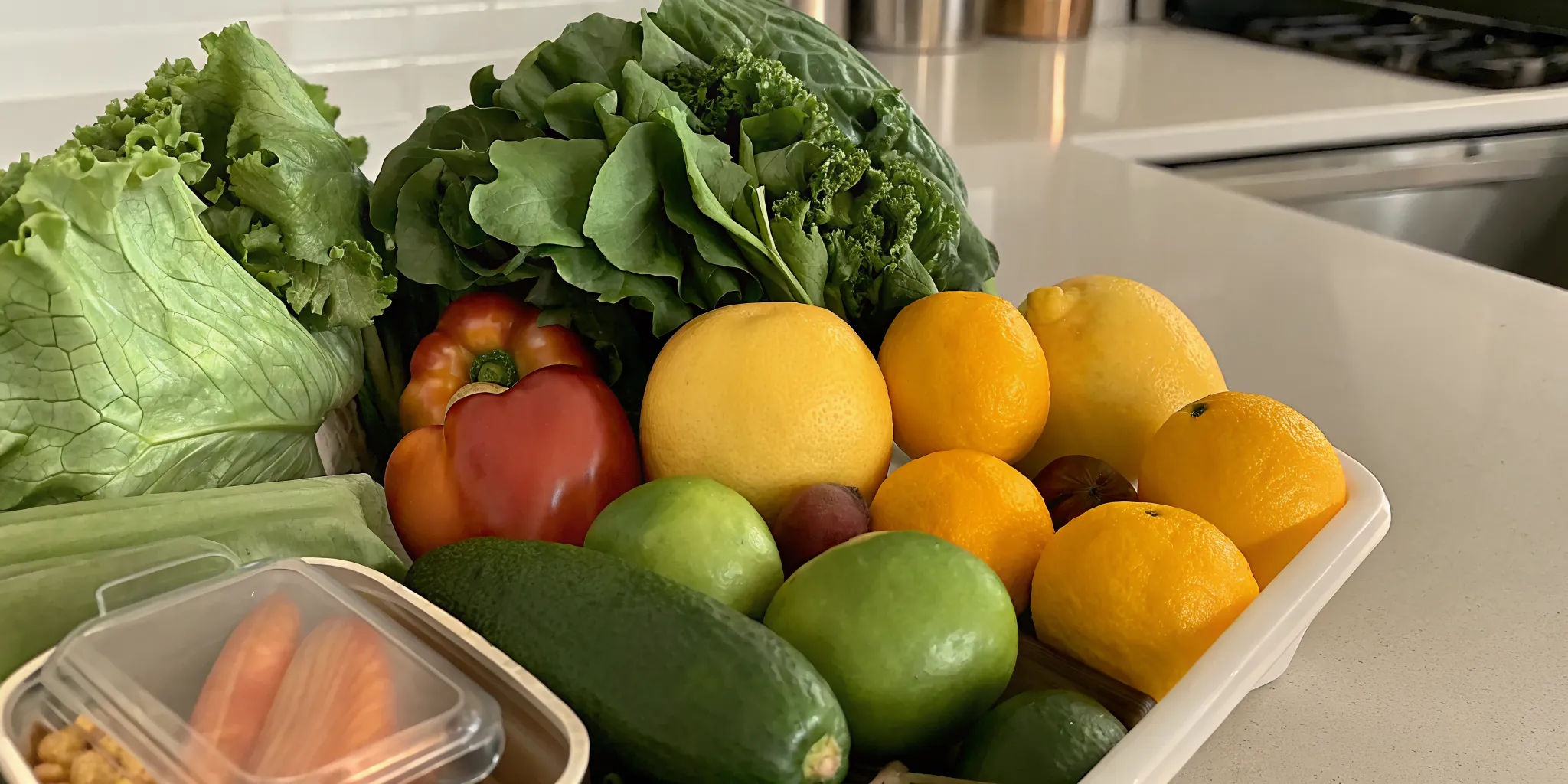
How to Choose an Organic Produce Home Delivery Service
Find the best organic produce grocery in home doorstep delivery service with tips on quality, flexibility, and supporting local Canadian farms.


Want to buy Canadian groceries online without turning convenience into a costly upgrade? Start by checking what Canadian claims actually mean, comparing the total cost of a realistic basket, and choosing a delivery model you can adjust as your week changes. This guide gives you a practical way to support Canadian producers while keeping quality, convenience, and value in balance.
Start Shopping for Canadian groceries
Buying Canadian is not about placing every item with a maple leaf into your cart. It is about making informed choices across the full order. A useful shopping routine helps you identify genuinely Canadian products, avoid surprise fees, and spend less time repeating the same grocery trip.
A Canadian flag, a familiar brand name, or a local-looking package can be a helpful clue, but none is enough on its own. The strongest online grocery listings make sourcing details easy to find and give shoppers enough information to compare products confidently.
Canada has specific guidance for country-of-origin claims. A product labelled Product of Canada must have virtually all of its major ingredients, processing, and labour from Canada. A Made in Canada claim can include imported ingredients, so it should appear with a qualifying statement such as "Made in Canada from domestic and imported ingredients." The Canadian Food Inspection Agency's origin-claim guidance explains the distinction.
These labels answer different questions. Product of Canada tells you that almost the entire product is Canadian. Made in Canada tells you meaningful production happened here, but some ingredients may have come from elsewhere. Both can support Canadian jobs, yet the first is the stronger local-sourcing signal.
When a listing is unclear, review the product description, ingredient information, producer name, and place of production. For produce, dairy, meat, and eggs, look for the province or farm where available. For prepared foods, check whether the listing identifies where the food was made and whether its ingredients are domestic or imported.
A transparent retailer should also make it easy to learn about the businesses behind the food. Before adding products to your cart, you can meet Tre'dish's Canadian suppliers and see how local producer relationships fit into the assortment.
The best way to judge value is to compare a full basket that reflects how your household actually shops. A single sale price can make one retailer look inexpensive even when the final order costs more after markups, fees, minimums, and impulse purchases.
Choose 15 to 25 staples you buy regularly, such as milk, eggs, bread, produce, meat, pantry basics, and household essentials. Keep sizes and quality levels as similar as possible. Comparing organic apples with conventional apples or a family pack with a single portion will distort the result.
Record each item's price, package size, and unit price when available. Then add delivery charges, service fees, memberships, small-order fees, and tips. This creates a fair total that you can revisit monthly instead of chasing whichever item happens to be on promotion.
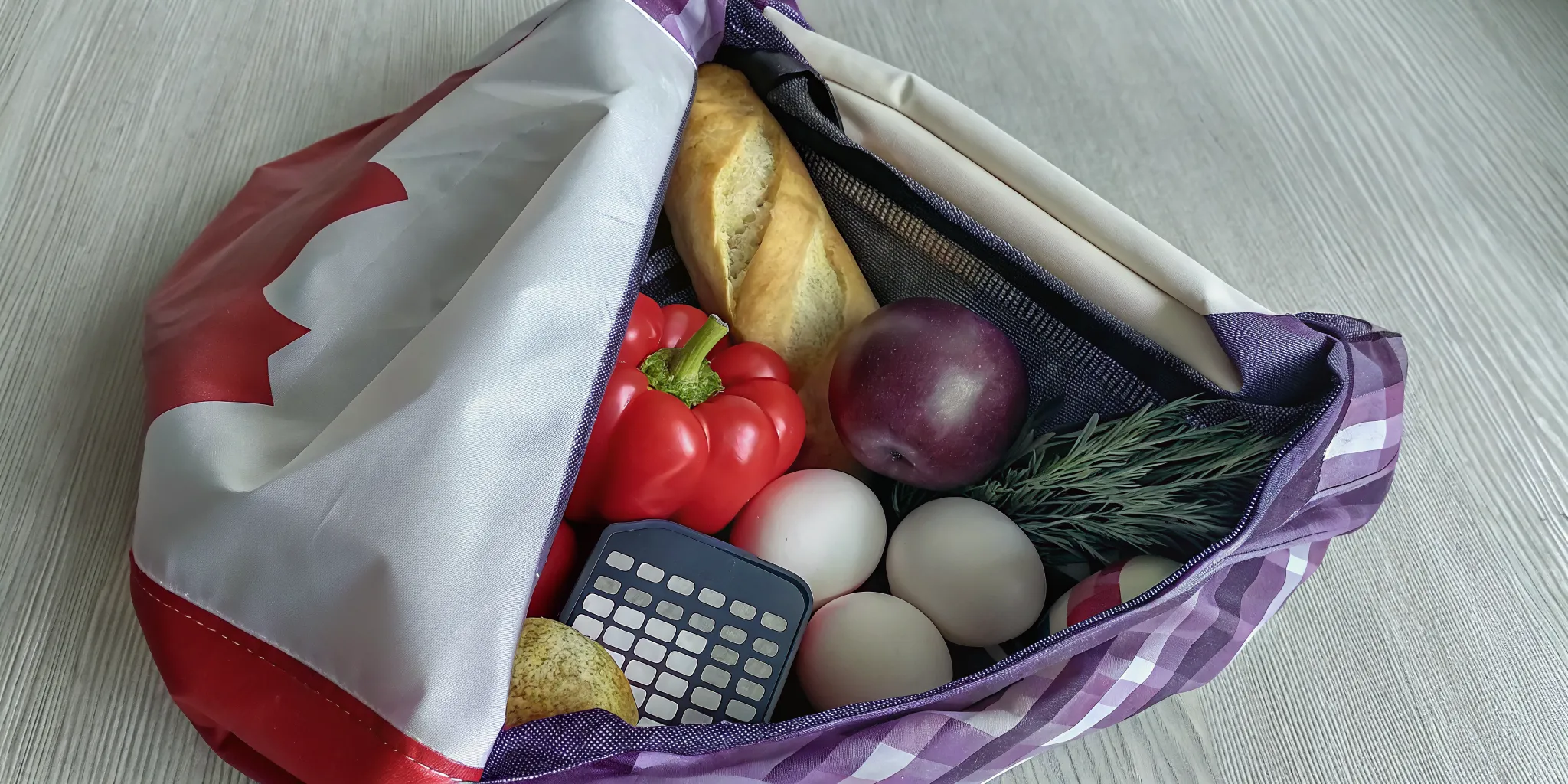
A store trip also costs time, transportation, and attention. Driving, parking, walking the aisles, waiting at checkout, and carrying groceries home can consume hours each month. These costs are personal, so give them a realistic value rather than pretending they do not exist.
Waste matters too. Buying extra to reach a delivery minimum or stocking up on a promotion can backfire if food expires. A slightly smaller, well-planned order may cost less than a larger basket with a lower apparent unit price.
| Cost to compare | Traditional store trip | Flexible online delivery |
|---|---|---|
| Product prices | Compare the full basket, not only flyer deals | Compare identical sizes and quality levels |
| Extra charges | Transportation and parking may apply | Check delivery, service, and membership fees |
| Time | Travel, shopping, checkout, and unloading | Ordering, editing, and receiving the delivery |
| Waste risk | Promotions may encourage overbuying | Recurring orders need regular review |
| Flexibility | Shop whenever the store is open | Confirm orders can be changed, skipped, or cancelled |
A good online grocery service should make the entire buying decision easier. Product quality and price matter, but so do delivery reliability, sourcing transparency, order flexibility, and the rules around recurring purchases.
Ask how often deliveries arrive, when the order window closes, and whether you can change an upcoming basket. If your plans shift, you should know how to skip, modify, or cancel an order. Also confirm the current delivery area before building a large cart, since availability can differ by location.
Tre'dish is designed around dependable weekly or bi-weekly grocery delivery that customers can customize. There are no subscription fees, and customers pay for products rather than paying for access. You can review how ordering works before deciding whether the model fits your routine.
The cart should show what you are paying before checkout. Look for visible product prices, fees, order minimums, and any recurring-order conditions. Be cautious when savings claims are difficult to verify or when a retailer compares unlike package sizes.
Sourcing should be equally clear. A service that highlights producer relationships and identifies Canadian products helps you make deliberate choices without researching every item from scratch.
Browse Canadian groceries and compare your usual basket
Once you know how to compare products and services, the goal is to create a routine you can maintain. Tre'dish combines Canadian producer partnerships with a flexible grocery subscription that puts recurring essentials on autopilot without locking customers into subscription fees.
Tre'dish replaces repeated grocery runs with predictable delivery. Customers can select products, adjust their basket, and receive groceries at a regular cadence. That structure can help busy households keep staples on hand while reducing last-minute shopping and the takeout orders that sometimes follow an empty fridge.
The assortment includes groceries from Canadian farms and producers, making it easier to support local businesses as part of a normal weekly order. This is not a discount-store model. The focus is quality, freshness, and fair value without requiring customers to sacrifice convenience.
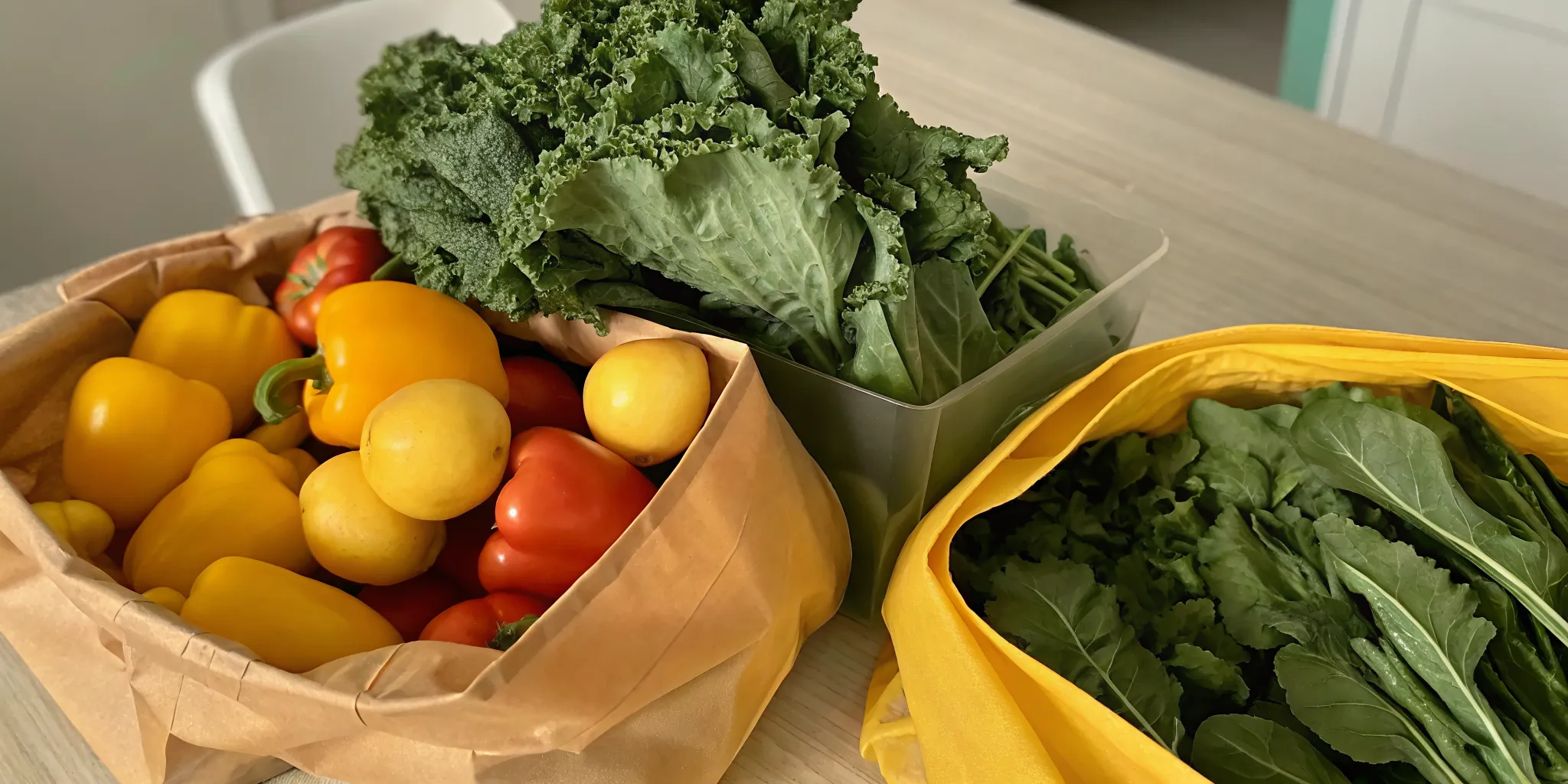
Tre'dish customers save approximately 25% on the average basket. The model reduces costs associated with traditional retail and passes value to shoppers while keeping the emphasis on high-quality groceries. Because there are no subscription fees, the cost comparison stays focused on the products in the order.
Customers can skip, modify, or cancel orders as needs change. That flexibility is important because the most useful grocery routine should adapt to travel, busy weeks, changing household size, and whatever is already in the pantry.
Supporting Canadian producers is easier when it is built into the shopping process. Instead of visiting several specialty stores or researching every purchase, you can select Canadian-made staples alongside the rest of your groceries. The routine becomes practical enough to repeat.
If you are new to recurring delivery, begin with the products your household uses predictably. Add bread, eggs, milk, produce, proteins, and pantry staples first. Review each order before its deadline, then adjust quantities based on what remains at home.
A convenient service should make your budget easier to manage, not easier to ignore. A few simple habits can preserve the time savings while reducing waste and unnecessary additions.
Use your first normal order as a baseline. Note the total, the number of meals it supports, and any products that run out early or remain unused. For the next order, adjust quantities rather than rebuilding the cart from memory.
Keep a short list of flexible meal components, such as eggs, seasonal vegetables, grains, and proteins. They make it easier to use what arrives and reduce the temptation to place expensive last-minute orders elsewhere.
Check the fridge, freezer, and pantry before confirming each delivery. Remove duplicates, add only what is running low, and skip an order when you already have enough. A recurring schedule is most valuable when it reduces decision fatigue without removing control.
Finally, compare your basket again every few months. Prices and household needs change. A short review will show whether the service still provides the right mix of Canadian products, quality, flexibility, and total value.
A cart full of individually useful groceries can still leave you without complete meals. Before confirming an order, connect each fresh ingredient to at least one meal you expect to prepare. If you add chicken, decide whether it will become tacos, a sheet-pan dinner, or lunches. Then make sure the supporting ingredients are already at home or in the cart.
This habit also makes substitutions easier to handle. When one vegetable is unavailable, you can select another that works in the same meal. You preserve the plan without adding an extra trip to the store.
Flexible grocery delivery works best when the freezer supports your schedule. Portion proteins before freezing, keep a few frozen vegetables available, and freeze bread that will not be used promptly. These small steps protect freshness and give you backup meals during unusually busy weeks.
Review frozen food before placing a new order. Using what you already have lowers the next basket total and makes room for products you truly need. Over time, this turns online ordering into a dependable household system rather than another source of forgotten purchases.
Yes. Look for an online retailer that clearly identifies Canadian products and suppliers, explains its delivery area, and gives you full pricing before checkout. Review Product of Canada and Made in Canada claims to understand what each product label means.
No. Compare the total basket rather than assuming local products carry a premium. Include item prices, fees, transportation, time, and potential waste. Tre'dish customers save approximately 25% on the average basket while shopping for high-quality groceries.
Read the exact origin claim and product description. Product of Canada is the strongest signal that nearly all major ingredients, processing, and labour are Canadian. Made in Canada indicates meaningful Canadian production and should include a qualifying statement about domestic or imported ingredients.
Confirm the delivery area, schedule, total fees, order deadline, substitution policy, and how to skip, modify, or cancel. Start with a normal basket of household staples, then assess freshness, final cost, reliability, and time saved.
Buying Canadian groceries online can support local producers, simplify the weekly routine, and deliver fair value when you compare the right details. Tre'dish makes it easier to keep high-quality groceries on hand with predictable delivery, no subscription fees, flexible orders, and approximately 25% average basket savings.