A Guide to Automatic Grocery Delivery in Canada
Automatic grocery delivery in Canada makes shopping simple. Learn how to set up recurring orders, compare services, and save time on your weekly groceries.


Choosing grocery delivery Toronto households can rely on is about more than getting a bag to the door. The right service should make weekly shopping simpler while keeping freshness, product quality and control over your order in view. Compare the delivery routine, sourcing, packaging and flexibility before deciding what fits your home.
Start with the parts of grocery shopping you want to improve. Some households want to avoid a weekly store trip. Others want dependable access to fresh food, Canadian products or a way to keep staples on hand. A useful service should answer those needs without making the order hard to manage.
Use this checklist to compare options:
Convenience is only valuable when the service fits your real routine. If you cook most evenings, a broad selection of ingredients may matter more than a narrow produce box. If your schedule changes, easy order adjustments may be essential. Write down your three most important needs before comparing providers. It will keep a polished website or a long product list from distracting you from the things you will actually use.
It is also useful to separate must-haves from nice-to-haves. A household that relies on a particular dairy product may need to confirm that item is available every week. Someone who mainly wants to cut out a midweek store stop may care more about household staples and a reliable delivery window. These priorities lead to different choices, even when both households live in Toronto.
Compare services using the same household list and the same priorities. A simple side-by-side check helps separate useful features from claims that do not affect your week. Consider these dimensions before you place a first order:
| What to compare | Questions to ask | Why it matters |
|---|---|---|
| Freshness handling | Are chilled items packed for delivery? What packaging is used? | Helps you understand how perishable groceries are handled on the way to your home. |
| Selection | Can one order cover fresh food and pantry basics? | A suitable range can reduce the need to complete the same shopping trip elsewhere. |
| Delivery schedule | Is delivery weekly, and can you choose or manage the timing? | A predictable rhythm makes meal and household planning easier. |
| Flexibility | Can you modify, skip or cancel an order? | Plans change; flexibility helps the service fit your life rather than dictate it. |
| Total cost | Are product prices and any charges clear before checkout? | Lets you compare the complete order instead of focusing on one item or promotion. |
| Coverage | Does the service confirm delivery to your postal code? | Availability can vary by address, even within a large city. |
For a fair comparison, list the groceries you normally buy in a week and note the items each service carries. Then check the delivery terms and order controls. If one service offers a convenient schedule but cannot cover your regular staples, you may still need another shopping stop.
Make the comparison concrete by using a representative basket rather than browsing a few appealing items. Include the groceries you buy repeatedly: perhaps milk, eggs, fruit, vegetables, bread, a protein, and two or three pantry staples. Record the sizes, brands or product qualities that matter to you, then compare the available equivalents and the final order total. If a service does not show a clear answer about substitutions, fees or delivery windows, treat that as a question to resolve before relying on it for the week's essentials.
Online grocery delivery can also change how trips are organized. The U.S. Environmental Protection Agency recommends flexibility in delivery timing so trucks can optimize their routes and avoid extra trips. That is useful context when considering delivery windows, though the details of each service's routing and environmental impact vary. Read the EPA's overview of online grocery delivery and trips.
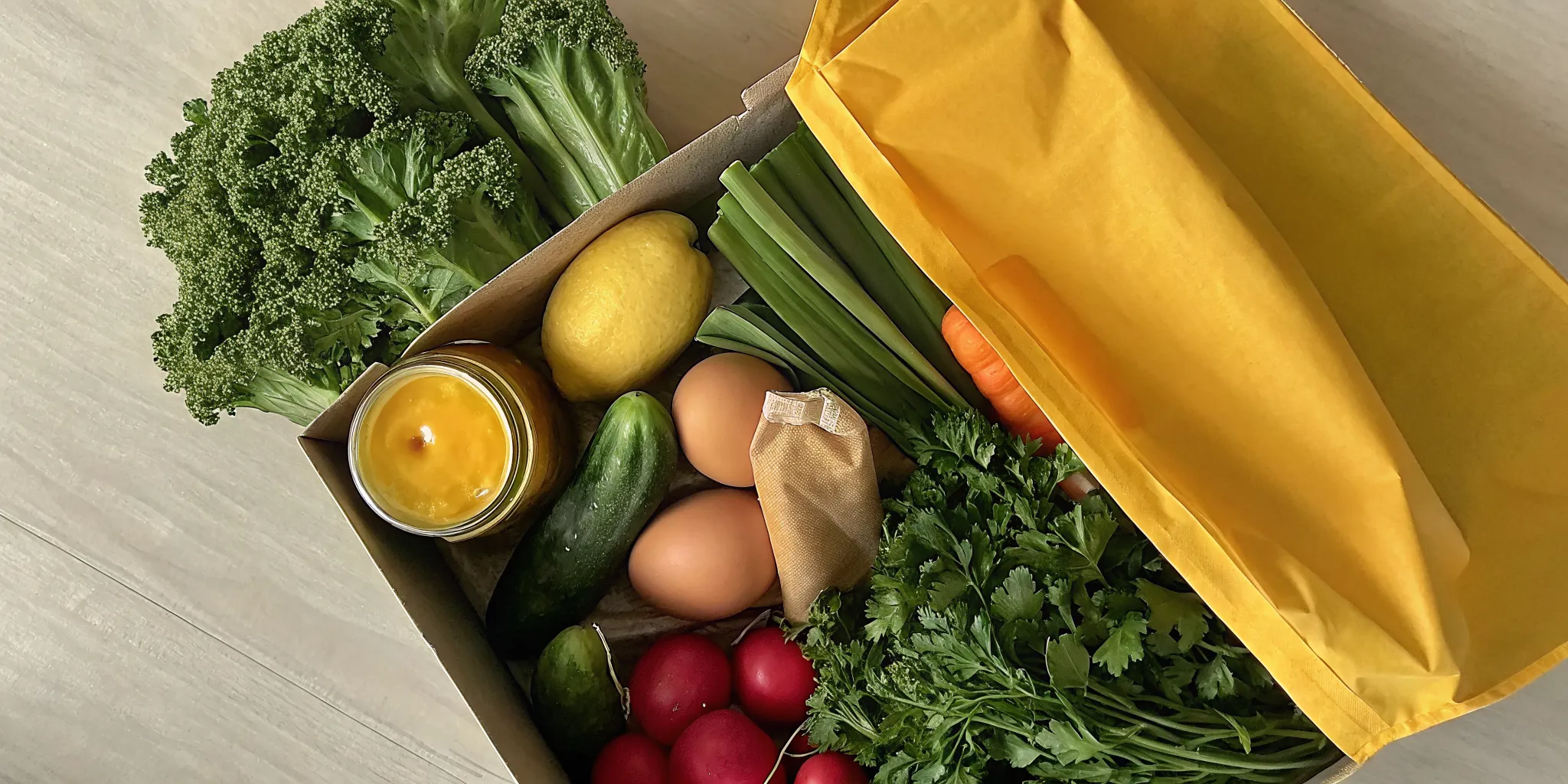
Freshness depends on more than how produce looks when you order. Pay attention to how the service describes handling for chilled items and what happens at the doorstep. Refrigerated delivery, insulated packaging and ice packs are details worth checking when your basket includes dairy, meat or other items that need to stay cold.
Tre'dish deliveries are refrigerated and use insulated boxes and ice packs. When groceries arrive, bring perishable items inside promptly and put chilled and frozen products away first. Keep produce in the storage conditions that suit each item, and check the package guidance for products that need special handling.

It can help to unpack in a consistent order: cold items first, then produce, then pantry goods. Keep a quick note of anything you want to use early in the week. That simple habit helps you see what is on hand and makes meal planning less of a guessing game.
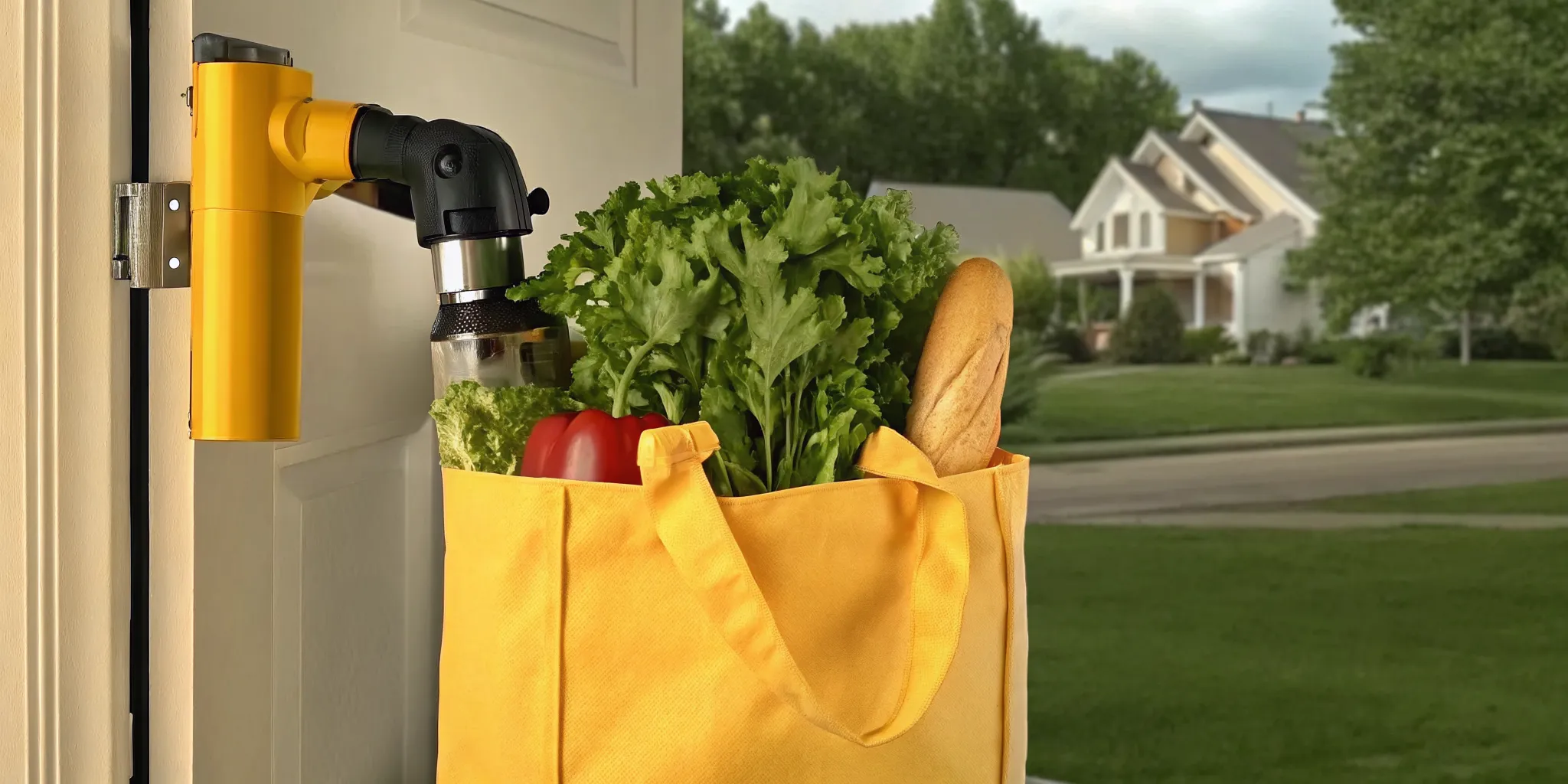
For a household with a busy arrival window, decide in advance who will bring the delivery inside. Clear space in the refrigerator before delivery day, and avoid leaving temperature-sensitive groceries in a warm entryway while you finish another task. If you live in a condo, check your building's delivery instructions and make sure the unit number and access details are accurate. These are small steps, but they make the handoff smoother and help you put the groceries away promptly.
For more on how a scheduled order works, read how Tre'dish works. You can also review the company's Canadian suppliers and partners to learn about the products and producers represented in its selection.
For many Toronto shoppers, sourcing is part of the decision. Buying from local Ontario farmers and producers can make it easier to find regionally sourced items alongside everyday groceries. It also gives shoppers a reason to look beyond a delivery service's convenience claims and ask who makes or grows the products.
Tre'dish sources from more than 200 local Ontario farmers and producers and offers Canadian-made groceries. Product availability can vary, so look at the current assortment when you shop. The about Tre'dish page provides more background on the service, while the company's story describes its approach to grocery delivery.
Local sourcing does not mean every item in a basket will be local or seasonal. It is a way to make more informed choices when those products are available. If local origin matters to you, check item details and build your list around the products that are currently offered.
A practical way to shop with sourcing in mind is to choose a few categories where origin is a priority, then fill the rest of the basket with the products that best fit your household. For example, you might look for Ontario produce when it is in season, choose a Canadian-made pantry item, and still keep familiar staples on the list. This is more realistic than expecting every item to come from one place, and it lets you make deliberate choices without turning routine shopping into a research project.
When you review a product, look for its listed origin and producer details rather than assuming that a local grocery service means every item is local. Supplier information can help you understand the range behind the catalogue. If a specific origin is important for a purchase, confirm it on the current product page before placing the order.
A weekly delivery works best when it follows a small, repeatable planning habit. You do not need to map out every meal. Start by checking what is already in your fridge and pantry, choose a few meals, and add the ingredients and staples you are running low on.

Here is one simple example. A household planning pasta, a vegetable stir-fry and a quick lunch can start with a short inventory: pasta and rice in the pantry, half a bag of greens in the fridge, and only one egg left. The order can then fill the actual gaps—fresh vegetables, eggs, a protein and milk—rather than duplicate food already at home. Planning a few meals around shared ingredients reduces waste and makes a delivery feel more useful than an unstructured browse.
Tre'dish is designed around predictable weekly delivery, while allowing customers to modify or skip weeks or cancel without a subscription fee. Customers pay for the products they order. This arrangement can suit households that want a recurring grocery routine but do not want every week to look exactly the same.
For a broader look at planning, see this guide to saving time on grocery shopping. If you are comparing recurring services, this Canadian grocery subscription guide explains what to consider when reviewing a subscription-style model.
Keep the first basket practical. Choose familiar products you already use, then add only a few items you are curious to try. This makes it easier to assess how well the selection matches your preferences without changing your whole routine at once. If a particular brand, size or ingredient matters to your household, check the product details before adding it.
Think about where groceries will go when they arrive. Clear a little refrigerator and pantry space, and consider whether someone will be home to bring chilled items inside. For a condo or apartment, check any building delivery instructions and make sure the delivery address and contact details are current. Small preparations can prevent the first delivery from becoming a last-minute scramble.
After the order arrives, note what worked: whether the range covered your basics, whether the schedule suited you, and which items you would reorder. Use that feedback when you adjust the next basket. A recurring service is most useful when each delivery reflects what your household actually eats, not a fixed list you no longer need.
If the first basket misses an item you expected, treat it as useful information rather than a reason to repeat the same list unchanged. Check whether it was unavailable, outside the service area, or simply not included in the current selection. Then decide whether you can substitute another product or whether that item is important enough to buy elsewhere. A short review after each delivery helps the next order become more personal and predictable.
Value is the combination of the groceries you receive, the quality you expect, the time the service saves and the complete cost. Do not compare a delivery basket with an in-store receipt until you have accounted for similar quantities and product types. A lower price on one item does not necessarily make an entire basket a better fit.
Tre'dish has no subscription fees; customers pay for products. Its average basket savings claim is approximately 25%, but your own order will depend on the items and quantities you select. Review current prices and the checkout total for your basket rather than assuming every product has the same comparison.
To compare value fairly, set the same limits for each option: match product types and quantities, include any listed delivery or service charges, and consider the time and extra trip that may be involved. Keep quality in the comparison too. If you usually buy a certain kind of bread or produce, compare like with like instead of treating different sizes and product types as interchangeable. The point is not to force every household into the same budget; it is to know what you are paying for and whether the routine is worthwhile to you.
Packaging and delivery are part of the overall experience, too. Tre'dish uses eco-friendly packaging and refrigerated delivery. If you want to understand the service model before ordering, the how-it-works information is a helpful starting point. For questions about a particular order or delivery area, you can contact Tre'dish.
Tre'dish may be worth considering if you want weekly grocery delivery, a selection that includes Canadian products, and the flexibility to change or skip an order. It serves the Greater Toronto Area; delivery availability depends on your location, so confirm your address before planning around a delivery.
The service brings together groceries across categories, refrigerated delivery and a recurring schedule. That can be useful for busy households that want to replace repeated grocery trips with a planned order. It is not a meal kit: you choose groceries for your household rather than receiving a fixed set of meal ingredients.
The range includes produce, meat and poultry, seafood, dairy and eggs, bakery, pantry staples, frozen foods, beverages, household and personal care items. A broader catalogue can make a weekly order more convenient, but the current assortment and your postal code are the details that matter. Check the items you regularly use and confirm local delivery availability before relying on a service to cover the full shop.
The customer testimonials page offers additional customer perspectives, while the service details and current assortment should guide your own choice.
Tre'dish's confirmed service area is the Greater Toronto Area. Check whether your address is eligible before placing an order; do not assume delivery is available throughout the province.
Yes. Customers can modify or skip weeks, or cancel, without a subscription fee. Review your account and order timing so changes are made before the relevant order window closes.
No. Tre'dish customers pay for the products they order, and there are no subscription fees.
Tre'dish deliveries are refrigerated and use insulated boxes and ice packs. Bring perishable items inside promptly and follow any storage instructions on the product packaging.
Tre'dish offers groceries across multiple categories, including produce, meat and poultry, seafood, dairy and eggs, bakery, pantry staples, frozen foods, beverages, household and personal care items. Check the current assortment for availability.
Choose a service by checking its delivery area, freshness practices, range, schedule, flexibility and total order cost. If Tre'dish fits your address and routine, you can create an account and explore the current grocery selection.
A thoughtful weekly grocery routine can save time while keeping the quality and choice your household cares about in reach.