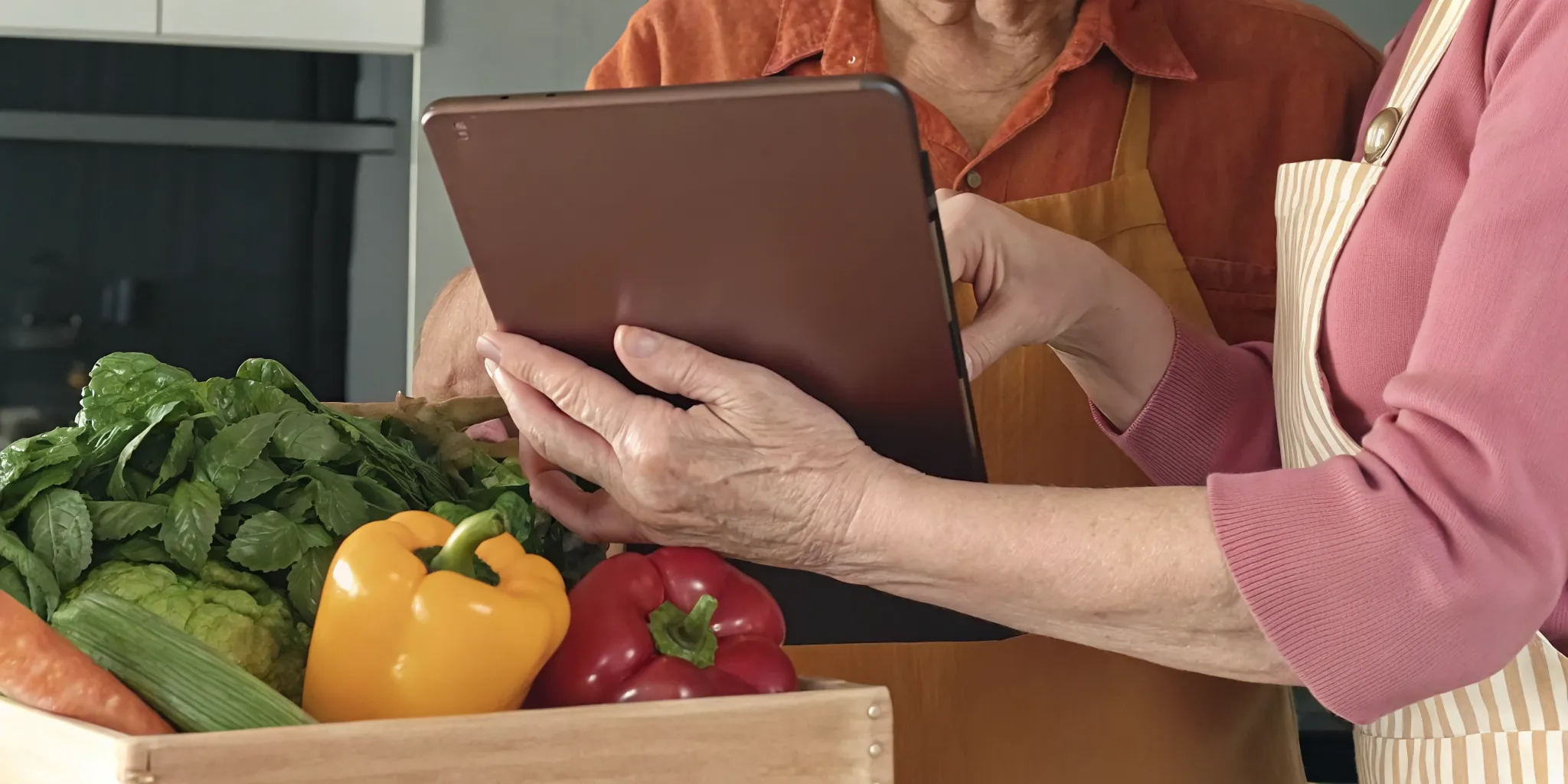
You value high-quality food. You want fresh produce and proteins you can trust, and you love the idea of supporting local Canadian producers. The reality, however, often involves settling for whatever the big-box grocery store has in stock. It can feel like a compromise between quality and convenience. This is where grocery subscriptions enter the conversation, promising access to a curated selection of top-tier, locally sourced ingredients delivered to your door. But can a box truly deliver on that promise of freshness and quality? We're here to explore if are grocery subscription boxes worth it for shoppers who refuse to compromise on what they feed their families, and how to find a service that aligns with those values.
Key Takeaways
- Put Your Groceries on Autopilot: A subscription handles your recurring shopping list for you, giving you back the time and energy you would normally spend on weekly grocery runs.
- Save Money Without Compromising: The right service offers real savings and predictable costs by operating more efficiently, proving you don't have to pay more for the convenience of delivery.
- Stay in Control of Your Order: Look for a service that gives you total flexibility to customize your cart, swap items, and skip deliveries, ensuring you only get high-quality food you actually want.
What Is a Grocery Subscription Box?
Let's be honest, the weekly grocery run can feel like a part-time job. Between the planning, the trip to the store, and the checkout lines, it eats up precious time. A grocery subscription box is designed to give you that time back. Think of it as putting your grocery shopping on autopilot. It’s a service that delivers a customized list of food items right to your door on a recurring schedule, like every week or every two weeks.
Instead of building a shopping list from scratch every single time, you create a baseline order of your essentials. Then, you can tweak it before each delivery, adding items you need or removing things you’re already stocked up on. The goal is to create a seamless, predictable system for keeping your fridge and pantry full of high-quality food, so you can focus on the more enjoyable parts of your week. It’s about getting the right groceries to show up when you need them, without the extra hassle.
How Do They Work?
Getting started with a grocery subscription is usually pretty straightforward. First, you sign up for a service and create your account. From there, you’ll browse their online aisle and fill your virtual cart with the produce, proteins, and pantry staples your household runs on. The real magic happens when you set your delivery schedule. You can choose how often you want your box to arrive, typically weekly or bi-weekly, to match your household's rhythm. Before each delivery, you’ll get a reminder to make any adjustments, so you’re never stuck with too much kale or not enough coffee. It’s a simple setup that makes grocery shopping feel less like a chore and more like a background task that just gets done.
Meal Kits vs. Grocery Subscriptions: What's the Difference?
It's easy to confuse grocery subscriptions with meal kits, but they serve very different purposes. Meal kit delivery services send you pre-portioned ingredients and recipe cards to create a specific dish. They’re great for trying new recipes and can make you feel like a chef, but they’re not designed to stock your entire kitchen and can be more expensive than buying the ingredients yourself.
A grocery subscription, on the other hand, is like having your personal shopper go to the grocery store for you. You order individual items—a carton of eggs, a bunch of bananas, a pound of ground beef—to restock your fridge and pantry. It’s about getting your weekly staples without the trip to the store, giving you the freedom to cook whatever you want.
Types of Grocery Subscriptions
Grocery subscriptions aren't a one-size-fits-all solution. Some services are highly specialized, focusing only on organic produce, high-quality meat, or even just coffee. These are great if you want to supplement your regular shopping with specific, high-quality items.
Other services, like Tredish, aim to be your all-in-one grocery solution. These subscriptions offer a comprehensive selection that covers everything from fresh fruits and vegetables to meat, dairy, pantry staples, and even household cleaning supplies. This allows you to consolidate the bulk of your shopping into one convenient, recurring delivery. The best service for you depends on whether you're looking to fill a specific need or replace your traditional grocery run entirely.
The Perks of a Grocery Subscription
The idea of a grocery subscription sounds great, but what are the actual, tangible benefits you'll see in your daily life? It’s about more than just getting food delivered; it’s about fundamentally changing how you approach your weekly routine, your budget, and the quality of the food you eat. From getting back your precious weekend hours to discovering amazing local products you wouldn't find otherwise, the perks can be pretty compelling. Let's get into what makes a grocery subscription a smart move for so many busy households.
Save Time and Effort
This is the big one for most people. Think about your typical grocery run: making the list, driving to the store, finding parking, walking the aisles, waiting in line, and then hauling everything home. A grocery subscription lets you put your groceries on autopilot. You can set up a recurring order for your staples and have them arrive at your door on a predictable schedule. This convenience allows you to skip those time-consuming trips to the store, making your week so much more efficient. It’s not just about saving an hour or two; it’s about reclaiming your evenings and weekends for things you actually enjoy.
Discover High-Quality, Local Foods
One of the best parts of a good subscription service is the quality of the food. Instead of picking from whatever is available at a big-box store, you get access to high-quality, locally sourced food that might otherwise be hard to find. Many services partner directly with local farms and producers, which means you get fresher ingredients while supporting your community's economy. This can completely change your cooking experience, introducing you to incredible produce and proteins you can trust. It’s like having a curated farmers market delivered right to your door.
Enjoy Predictable Costs and Savings
Budgeting for groceries can feel like a moving target, with prices changing from week to week. A subscription brings a welcome level of predictability. You know what you’re spending each week or bi-weekly, which makes managing your household budget much simpler. And it’s not just about predictability; it’s about real value. Because services like Tredish cut out the retail middleman, they can offer significant savings, often around 25 percent on a typical basket. This isn’t about chasing temporary deals; it’s about getting fair, transparent pricing on high-quality food every single time you shop for groceries.
Get Flexibility and Customization
If you think a subscription means getting a box of random items you won’t use, think again. Modern grocery subscriptions are incredibly flexible. You’re in the driver’s seat, with the ability to customize your order to fit your family’s needs and tastes. Don't need celery this week? Swap it out. Going on vacation? Skip a delivery with a few clicks. Many services also allow you to filter for specific dietary preferences. This level of control ensures you get exactly what you want, reducing food waste and making the service a perfect fit for your lifestyle. You can easily create an account to see just how much you can tailor your experience.
Potential Downsides to Consider
While grocery subscriptions offer a lot of perks, it’s smart to go in with your eyes open. Some services come with drawbacks that can be dealbreakers for certain households. Let's walk through the most common concerns so you can decide what to watch out for and find a service that truly fits your life. Being aware of these potential issues is the first step to finding a subscription that avoids them altogether.
Are They More Expensive?
This is probably the biggest question on your mind. The honest answer is: it depends on the service. Some subscriptions, especially pre-portioned meal kits, can cost more than buying the ingredients yourself because you're paying a premium for the convenience of recipe creation and portioning. However, not all subscriptions follow this model. Some services are built to help you save money by cutting out the retail middleman and reducing food waste. Before you sign up, look at the pricing structure. A great service will be transparent about how they offer value, whether it's through direct sourcing or smarter logistics that lead to real savings on your weekly bill.
What About All the Packaging?
It’s true that some subscription boxes can feel like a never-ending stream of cardboard and plastic. The issue of excessive packaging is a valid concern, with individual plastic wraps and single-use cold packs contributing to household waste. If sustainability is important to you, this is a key area to investigate. Look for companies that are conscious of their environmental footprint. Do they use recyclable materials? Do they consolidate items instead of wrapping everything individually? A service that prioritizes thoughtful packaging shows it cares about more than just getting food to your door; it cares about the impact it leaves behind.
How Much Control Do You Have?
A common complaint about some grocery subscriptions is the lack of flexibility. Nobody wants to receive a box full of beets if they can’t stand them, as that just leads to food waste and frustration. This is often a problem with rigid, pre-set boxes where you have little to no say in what you get. The best grocery subscriptions put you in the driver's seat. They should allow you to customize your order, swap items, and easily pause or adjust your delivery schedule. Having that control ensures you only get the foods you and your family love, making the entire experience feel more personal and less wasteful.
Will Your Groceries Be Fresh?
Quality concerns are completely valid, especially when you’re not picking out the produce yourself. You might worry about receiving bruised apples or less-than-perky lettuce. The freshness of your groceries often comes down to the company’s supply chain. Services that work directly with local farms and producers can often deliver higher-quality, fresher food because it spends less time in transit and storage. Before committing, check where the service sources its products. A company that is proud of its partnerships with local suppliers is usually a good sign that they prioritize quality and freshness you can trust, week after week.
Grocery Subscriptions vs. Other Ways to Shop
A grocery subscription is just one of many ways to fill your fridge, and it’s smart to see how it stacks up against your other options. Whether you’re a die-hard in-store shopper, a fan of local farm boxes, or a regular user of on-demand delivery apps, each method has its pros and cons. The best choice really depends on what you value most: Is it total control, the lowest possible price tag, or saving time? Let's break down how a subscription model compares to the other ways you can get your groceries, so you can figure out what makes the most sense for your household and your budget. Understanding the key differences will help you see where you can get the most value, not just in terms of money, but also your time and energy.
Subscription vs. In-Store Shopping
The biggest argument for sticking with in-store shopping is the belief that it’s cheaper. Many of us assume that any service that adds convenience must also add cost. When you’re walking the aisles yourself, you have complete control over every item that goes into your cart, and you aren’t paying extra service or delivery fees. The trade-off, of course, is the time and effort it takes to plan, travel, shop, and haul everything home. Plus, those in-store "deals" and impulse buys at the checkout can quickly add up. A well-designed subscription service challenges this assumption by working differently. Instead of just adding a delivery fee to retail prices, it can offer savings by streamlining the supply chain, which means you get fair, consistent pricing without the surprise costs.
Subscription vs. CSA Boxes
Community Supported Agriculture (CSA) boxes are a fantastic way to get super-fresh, seasonal produce directly from local farms. I love that they connect you to the people growing your food. The catch is that you don’t have much say in what you get; you receive a share of whatever the farm is harvesting that week. This requires a lot of flexibility and creativity in the kitchen, which can be fun for some but a challenge for others. A grocery subscription can offer the best of both worlds. You can still get high-quality, locally sourced produce but with the power to choose exactly what you need. It combines the farm-fresh quality you want with the customization required for practical, everyday meal planning.
Subscription vs. Online Grocery Delivery
It’s easy to confuse grocery subscriptions with on-demand delivery services, but they operate on a different principle. Online delivery is typically a one-off service where you pay someone to shop for you at a local supermarket and bring it to your door. It’s convenient for sure, but you’re still paying standard retail prices plus service fees, delivery charges, and a tip. A grocery subscription is designed to put your recurring shopping list on autopilot. It’s a system built for efficiency, saving you the mental energy of placing an order every single week. Instead of just outsourcing the task, you’re automating the entire process for the staples you buy regularly, which often leads to better value and predictability.
Weighing the Convenience and Cost Trade-Offs
Ultimately, the decision often comes down to the classic trade-off between convenience and cost. Many services that save you time end up costing you more money, forcing you to choose one over the other. But true value isn’t just about the sticker price on a carton of eggs; it’s about the total weekly expense, including your time, your gas, and the cost of food waste from impulse buys. The smartest grocery solutions don’t make you compromise. They use a better model to deliver both convenience and real savings. Before committing, it’s a good idea to create an account with a service to see the pricing for yourself and decide if the value proposition holds up for your family.
So, Is a Grocery Subscription Worth It?
Deciding whether to commit to a grocery subscription is a personal choice, and the honest answer is: it depends. The value really comes down to your lifestyle, priorities, and what you’re looking for in your shopping experience. Let's break down how to figure out if it’s the right move for you and what makes a service truly worthwhile.
Is a Grocery Subscription Right for You?
Opinions on grocery subscriptions can be mixed. Some people worry about the cost or potential for food waste, while others can't imagine their week without one. A subscription might be right for you if you find yourself constantly short on time, overwhelmed by meal planning, or just tired of the weekly grocery store grind. If you want to reclaim your evenings and weekends while still putting fresh, quality food on the table, it’s definitely worth considering. It’s a great fit for busy households that want to automate the repetitive parts of grocery shopping without sacrificing the quality of their food.
What to Look For in a Subscription Service
Not all subscriptions are created equal. If you want convenience without being locked into specific recipes like a meal kit, a grocery subscription service offers the perfect middle ground. The best services give you complete control. Look for one that lets you fully customize your order, so you can pick your own ingredients and adjust your cart based on what you actually need for the week. This ensures you’re only paying for what you’ll use. A great service should also offer flexibility, allowing you to easily skip a week or change your delivery date without any hassle.
Why Tredish Is a Smarter Way to Shop
Tredish was designed to check all the right boxes. We put you in control, letting you put your groceries on autopilot without giving up flexibility. You get to hand-pick high-quality, Canadian-sourced produce and proteins, ensuring you receive groceries you can trust, week after week. Our transparent pricing gives you a clear view of your spending and helps you save an average of 25% on your basket. It’s not about being a discount service; it’s about providing fair, consistent value. You get the time-saving convenience of a subscription with the quality and control you’d expect from picking the items yourself.
Related Articles
Frequently Asked Questions
Am I locked into a contract with a grocery subscription? Not with a good one. The idea of a subscription can sound like a big commitment, but modern services are built for flexibility. You should be able to easily pause your deliveries if you're going on vacation or just have a fully stocked fridge. The goal is to make your life easier, not to trap you. Before signing up for any service, look for the ability to skip weeks or cancel your account without any hassle.
What if I'm picky? Can I choose exactly what I get? Absolutely. This is a major difference between a true grocery subscription and a more rigid CSA-style box. A quality service puts you in complete control of your virtual cart. You should be able to build your order from scratch, adding the specific brands and items you love and swapping things out whenever you want. The service is there to serve your needs, so you should never have to settle for a box of random ingredients you won't use.
Will a subscription actually save me money compared to the grocery store? It really depends on the service's business model. While some services pass retail prices on to you with added fees, others are designed to offer better value. By working directly with producers and cutting out the costs of a physical retail store, services like Tredish can offer significant savings on your total basket. It’s less about chasing weekly sales and more about getting fair, consistent pricing on high-quality food every time you shop.
How do you ensure the produce and meat are fresh if I'm not picking them myself? This is a completely fair question. The key to freshness is a short and efficient supply chain. Services that prioritize sourcing from local Canadian farms and producers have a huge advantage. Because the food travels a shorter distance, it gets to your door faster and fresher. A company that is transparent about where its food comes from is showing you that it stands behind the quality of its products.
Is this just for my main grocery shop, or can I use it for smaller top-ups? You can use it however it best fits your life. Many people use a subscription to automate the bulk of their weekly shopping, covering all their staples from produce and protein to pantry goods. Others might use it to supplement their regular shopping with specific high-quality items, like getting a recurring delivery of excellent meat and fresh vegetables. A flexible service allows you to adjust the size of your order to match what you need that week.