6 Best Affordable Meat Delivery Services in Canada
Find the best affordable meat delivery service in Canada for quality, convenience, and savings. Compare top options and enjoy fresh meat delivered to your door.

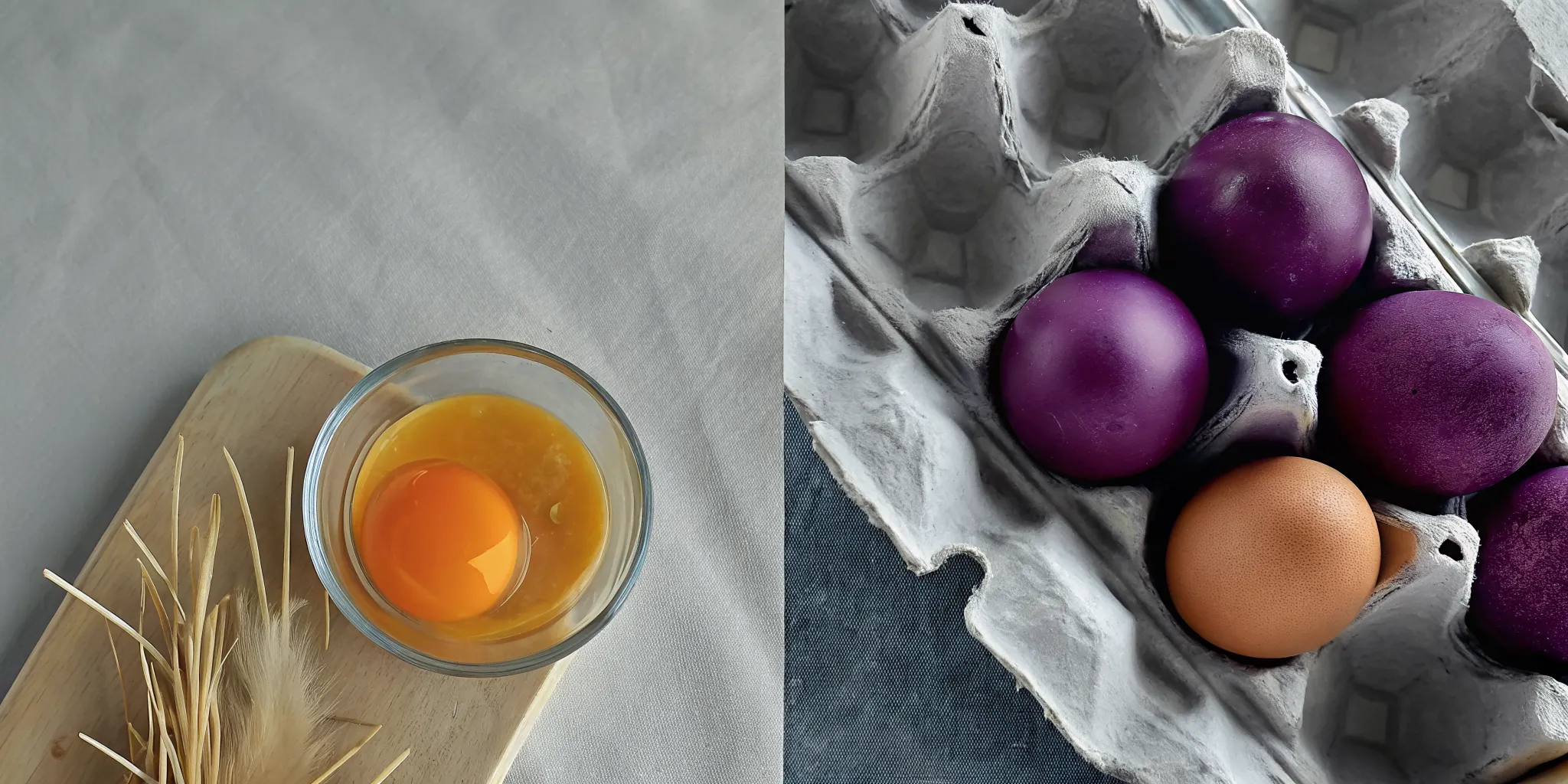
The vibrant, deep orange yolk of a farm-fresh egg is often the first thing people notice. It’s a stark contrast to the pale yellow you might be used to, and it’s a sign of something more. That rich color hints at a richer flavor, a creamier texture, and a story that begins on a local Canadian farm, not in a massive processing plant. When you see that difference in your frying pan, it’s hard not to wonder, are farm fresh eggs better for your everyday cooking? This isn't just about aesthetics; it's about quality you can taste. We're going to explore how a hen's life directly impacts the food on your plate, from the flavor of your morning scramble to the structure of your weekend baking.
When you’re making your grocery list, "eggs" probably seems like a simple item to check off. But once you’re standing in the dairy aisle, the options can feel endless. Beyond the labels like "free-range" or "omega-3," one of the biggest distinctions is between the eggs you find at a large supermarket and those that come straight from a local farm. The difference goes far beyond the carton. It’s a story of freshness, natural protection, and the journey each egg takes to get to your kitchen. Understanding these key differences can change not just how you shop for eggs, but how you cook with them, too. Let's crack open the truth about what really separates a farm-fresh egg from its store-bought counterpart.
Have you ever noticed that farm-fresh eggs are sometimes stored right on the counter? There’s a fascinating reason for that, and it’s called the "bloom." When a hen lays an egg, it has a natural, invisible protective coating called the bloom, or cuticle. This microscopic layer seals the egg's pores, preventing bacteria from getting inside and keeping moisture from getting out. It’s nature’s way of keeping the egg fresh and safe.
Most store-bought eggs are washed in commercial facilities, a process that removes this protective bloom. While this makes the shells look clean and uniform, it also means they lose their natural defense system and must be refrigerated immediately to prevent bacterial growth. Farm-fresh eggs with their bloom intact don't require immediate refrigeration, giving them a longer shelf life right on your countertop.
The word "fresh" on a carton can be a bit misleading. Due to the time it takes for collection, washing, packing, and shipping to a distribution center and then to the grocery store, a store-bought egg can be several weeks old by the time you buy it. While they are perfectly safe to eat, they have lost some of that peak freshness you get from a just-laid egg.
In contrast, farm-fresh eggs from local producers, like the ones we source at Tre’dish, close that time gap significantly. They often travel from the hen to your hands in just a matter of days. This incredible freshness makes a noticeable difference in the egg's quality, from a firmer white to a richer, more vibrant yolk. You can even learn to test an egg's freshness at home with a simple bowl of water.
The journey an egg takes has a huge impact on its final quality. Store-bought eggs typically come from large commercial farms where the process is highly standardized. After being laid, they are collected and sent to a processing plant. Here, they are washed, candled (checked for defects with a bright light), graded by size and quality, and packed into cartons. As we mentioned, the washing process removes the protective bloom, which is why they need to be kept cold.
Farm-fresh eggs follow a much simpler path. They are often gathered by hand, gently cleaned (or left unwashed to preserve the bloom), and sold directly to consumers or local suppliers. This minimal handling helps maintain the egg’s natural state, resulting in a product that is as close to the source as possible. It’s a less-is-more approach that prioritizes the egg's inherent quality over uniform appearance.
It’s easy to think of eggs as a simple commodity, but the story behind each one is unique. The quality, flavour, and nutritional value of an egg are all directly shaped by the life of the hen who laid it. From her living conditions to her daily diet and even her stress levels, every aspect of her well-being is reflected in the final product. When you understand what goes into making a great egg, you can make choices that not only taste better but also align with your values. It’s all about knowing the source and trusting that the hens are living happy, healthy lives.
Imagine the difference between living in a small, crowded apartment and having a spacious backyard to enjoy. That’s a good way to think about the contrast between caged and free-range hens. Hens that are free to roam outdoors get to do what comes naturally: scratch for bugs, peck at greens, and soak up sunshine. This access to the sun helps them produce Vitamin D, which can then be passed into their eggs. A hen’s environment has a huge impact on her health, and a healthier, happier hen simply lays a better egg. Understanding the different egg carton labels can help you choose eggs from hens that are raised with the space and freedom they deserve.
You’ve probably heard the saying, "you are what you eat," and the same is true for chickens. A hen with access to a pasture enjoys a varied, nutrient-rich diet of grass, seeds, worms, and insects. This natural buffet is a stark contrast to the monotonous, grain-based feed typically given to hens in conventional factory settings. A diverse diet directly impacts the egg's quality, often resulting in yolks with a deeper, more vibrant colour. More importantly, it can change the nutritional makeup of the egg itself, leading to higher levels of omega-3 fatty acids, vitamin E, and vitamin A. So, a better diet for the hen means a more nutritious egg for you.
Just like us, chickens can get stressed out. Living in overcrowded, confined spaces without natural light or the ability to forage can take a toll on a hen’s well-being. This chronic stress doesn't just affect the hen; it can also impact the quality of her eggs. A stressed hen might lay eggs with thinner, more fragile shells or produce fewer eggs overall. By choosing eggs from farms that prioritize low-stress environments and good animal welfare practices, you're supporting a system that respects the animals. A calm, contented hen is more likely to lay the kind of high-quality, delicious eggs you want to feed your family, making it a win-win for everyone.
When you crack open an egg, you’re probably thinking about breakfast, not biochemistry. But the nutritional profile of that egg is directly tied to the life of the hen that laid it. While the term "farm-fresh" can mean many things, eggs from hens raised in healthy, natural environments often have a nutritional edge over their conventional counterparts. It all comes down to two key factors: the hen’s diet and her lifestyle. A hen that spends her days foraging in a pasture, eating a varied diet of grasses, seeds, and insects, is simply getting a wider range of nutrients. This diverse diet, combined with fresh air and sunshine, allows her to produce eggs that are more nutritionally dense.
In contrast, most conventional eggs come from hens raised indoors on a standardized diet of corn and soy meal. While this is efficient, it doesn't provide the same spectrum of nutrients found in nature. Studies have shown that eggs from pasture-raised hens can contain a richer array of vitamins and healthy fats compared to eggs from hens raised on a standard grain-based diet. So, when we ask if farm-fresh eggs are healthier, what we’re really asking is how the hen lived. The difference in environment and diet creates a tangible difference in the food that ends up on your plate, making a strong case for choosing eggs from happy, healthy hens.
You’ve likely heard about the importance of omega-3 fatty acids for brain and heart health. These essential fats are a big reason why health experts recommend eating fatty fish, but eggs can be a great source, too. Research suggests that eggs from hens raised on pasture can contain significantly more omega-3 fatty acids than conventional eggs. This is because a hen’s natural diet of greens and insects is much richer in omega-3s than a simple corn or soy-based feed. When a hen eats better, she passes those benefits directly into her eggs, giving you a more nutritious start to your day.
That vibrant, deep orange yolk in a farm-fresh egg isn’t just for looks; it’s a sign of a richer nutrient content. This colour comes from carotenoids like beta-carotene, which our bodies convert into Vitamin A. One study found that eggs from pastured hens can contain up to 75% more beta-carotene. These eggs also tend to be higher in Vitamin E, a powerful antioxidant that helps protect our cells from damage. A hen gets these nutrients from munching on fresh grass and other plants, something a caged hen simply doesn’t have access to. Choosing eggs with those beautiful golden yolks means you’re getting more of these vital vitamins and antioxidants.
Just like us, hens produce Vitamin D when their skin is exposed to sunlight. This is why it’s often called the "sunshine vitamin." Hens that live outdoors and soak up the sun can pass on more of this essential nutrient into their eggs. Vitamin D is crucial for bone health and immune function, yet it’s a nutrient many of us don't get enough of. By choosing eggs from hens that have had time to roam freely under the sun, you’re getting a natural source of Vitamin D that you won’t find in eggs from indoor-raised hens. This, combined with a better diet, contributes to an all-around more nutritious and wholesome egg.
Beyond nutrition and ethics, the big question for any home cook is simple: do farm-fresh eggs actually make a difference in your kitchen? The answer you'll get from chefs and food lovers is a resounding yes. The vibrant yolks and rich flavor aren't just for show; they translate into better-tasting meals and can even change how you cook. When you start with a superior ingredient, you can let its natural quality do the heavy lifting. This is where the real magic happens, turning a simple breakfast into something special without any extra effort on your part.
Sourcing high-quality, fresh eggs from local Canadian farms means you're getting a product that hasn't spent weeks in transit and storage. That freshness directly impacts everything from the texture of your scrambled eggs to the rise of your soufflé. It’s the difference between a flat, watery fried egg and one with a firm, bouncy white that holds its shape perfectly. We're going to explore exactly how these differences play out on your plate, from the richer taste and creamier texture to the practical ways freshness affects your cooking techniques. Let's crack open the details of what makes these eggs a game-changer for your everyday meals.
Many people describe the taste difference between farm-fresh and store-bought eggs as night and day. Farm-fresh eggs often have a richer, more complex flavor that stands out, especially in simple preparations like a classic fried egg on toast. The texture is noticeably different, too. You’ll often find that farm-fresh eggs have firmer whites that hold their shape better in the pan and creamier yolks that are less likely to break. This isn't just a matter of opinion; the hen's diet and living conditions directly contribute to a more delicious and satisfying egg.
The age of an egg can significantly affect its performance in the kitchen. Extremely fresh eggs have tight, gel-like whites that are perfect for poaching, as they hold together beautifully in the water. On the other hand, if you’re planning to make hard-boiled eggs, it’s better to let them age for a week or so. As an egg gets older, the membrane separates slightly from the shell, making it much easier to peel once cooked. Knowing these little tricks helps you get the best results from your eggs, no matter what you’re making.
That beautiful, deep orange yolk you see in a farm-fresh egg isn't just a fluke; it's a direct result of the hen's diet. Chickens that roam freely and eat a varied diet of grasses, seeds, and insects consume more carotenoids, which are the natural pigments that give yolks their vibrant color. These well-fed hens produce eggs with richer, deeper-colored yolks that are also often creamier in texture. A golden yolk is a great visual cue that you’re about to enjoy a more flavorful and nutrient-dense egg.
When you have truly exceptional eggs, you don't need complicated recipes to make them taste amazing. Simple dishes allow their rich flavor and creamy texture to be the star. Think of a perfectly fluffy omelet, silky carbonara, or a simple fried egg sandwich. For a weekend breakfast, you can’t go wrong with French toast or pancakes, which use several eggs to create a rich, custardy base. Even something as simple as avocado deviled eggs can be transformed by using high-quality eggs. These easy egg recipes are perfect for showcasing the superior taste of a fresh-from-the-farm egg.
It’s the question on everyone’s mind when they see a carton of beautiful, unwashed eggs from a local farm: are they actually safe to eat? The short answer is a resounding yes, provided you know how to handle them correctly. The safety of any egg, whether from a farm or a grocery store, comes down to proper storage and preparation. Let's walk through the key things you need to know to enjoy your farm-fresh eggs with complete confidence.
The main concern with eggs is Salmonella, a type of bacteria that can cause foodborne illness. Here’s some good news: farm-fresh eggs often have a lower risk of contamination if they’re handled properly. This is thanks to the bloom, that natural, invisible coating we talked about earlier. It seals the egg’s pores, acting as a barrier against bacteria entering the shell. Store-bought eggs are washed, which removes this protective layer. While this cleaning process is meant to be a safety step, it can sometimes inadvertently push bacteria into the egg, increasing the risk if not handled perfectly. The key takeaway is that an egg’s natural state is its best defense.
Proper handling is simple. The number one rule for farm-fresh eggs is to not wash them until right before you plan to cook them. This keeps that protective bloom intact for as long as possible. Because they are so well-protected, you can safely store unwashed farm-fresh eggs on your kitchen counter for several weeks. If you want them to last even longer, pop them in the fridge. They’ll stay fresh for a few months in there. Just remember to give them a quick rinse under warm water right before you crack them open.
While farm-fresh eggs are perfectly safe for most cooking, there are times you might want an alternative. If you’re making recipes that call for raw or lightly cooked eggs, like a classic Caesar dressing, homemade mayonnaise, or a delicate mousse, some people prefer to use pasteurized eggs for extra peace of mind. Pasteurization is a process that uses gentle heat to kill off any potential bacteria without actually cooking the egg. It’s a great option when you want the texture of a raw egg in your dish without any of the worry. For all your scrambled, fried, and baked recipes, your farm-fresh eggs are the star.
Deciding between farm-fresh and store-bought eggs comes down to what you value most for your family. It’s a mix of budget, taste preferences, and your desire to support local producers. There’s no single right answer, but understanding the key differences helps you make an informed choice that feels good. Whether you’re grabbing a carton during your weekly shop or seeking out the best local options, thinking about cost, community impact, and your family’s needs will guide you to the perfect dozen.
When you’re standing in the grocery aisle, it’s easy to let price be the deciding factor. Farm-fresh eggs can sometimes cost more than their conventional counterparts, but that’s not always the case. It's more helpful to think in terms of overall value. While the core nutrition is often similar, a hen's diet and lifestyle greatly affect the quality of the egg, influencing everything from yolk color to shell strength. You’re paying for a premium product that often delivers a richer taste and the peace of mind that comes from knowing the hens were well-cared-for.
Choosing eggs from local farms is about more than just what’s in your fridge; it’s an investment in your community. When you buy from Canadian producers, you’re helping to create and sustain jobs, especially in rural areas where farming is the backbone of the local economy. This choice strengthens our food system by keeping food dollars circulating closer to home. Plus, buying local often means more transparency. You can get to know the farmers, understand their practices, and feel more connected to your food source. Following local farms on social media is a great way to see their operations and learn about the people behind your breakfast.
Ultimately, the best eggs for your family depend on your priorities. If you’re looking for rich, flavorful yolks for your weekend brunch, eggs from pasture-raised hens with a varied diet are an excellent choice. If supporting ethical and sustainable farming is important to you, look for producers who are transparent about their practices. For many busy Canadian families, the challenge is finding high-quality, local eggs without adding another stop to their errands. That’s where a service that curates the best local products can make all the difference. A grocery subscription can deliver trusted, farm-fresh quality right to your door, giving you convenience without compromise.
Why can I leave farm-fresh eggs on the counter but not store-bought ones? The secret is a natural, invisible coating called the "bloom." When a hen lays an egg, this layer seals the shell's pores, protecting it from bacteria. Store-bought eggs are commercially washed, which removes this protective layer, so they must be refrigerated. Farm-fresh eggs with their bloom intact are naturally sealed and can stay fresh right on your counter for several weeks.
I've noticed the yolks in farm-fresh eggs are a much deeper orange. What does that mean? That vibrant color is a great sign. It comes directly from the hen's diet. Hens that roam freely and eat a variety of grasses, seeds, and insects consume more natural pigments called carotenoids. These pigments not only create that beautiful orange yolk but also indicate a higher concentration of nutrients like beta-carotene, which our bodies convert to Vitamin A.
Are farm-fresh eggs better for certain types of cooking? Yes, their freshness can make a real difference in the kitchen. Because their whites are firmer, very fresh eggs are fantastic for poaching and frying since they hold their shape beautifully. The rich, creamy yolks can also make a noticeable improvement in custards, sauces like carbonara, and baked goods. The one exception is hard-boiling; eggs that have aged for a week are much easier to peel.
Is it safe to eat eggs that haven't been commercially washed? It is perfectly safe. That unwashed coating is the egg's natural defense system, sealing it off from potential bacteria. The best practice is to keep the eggs unwashed during storage and give them a quick rinse just before you crack them open. For recipes that call for raw eggs, like a Caesar dressing, using pasteurized eggs is always a good option if you have any concerns.
Is the extra cost for farm-fresh eggs really worth it? It’s best to think about it in terms of overall value rather than just the price tag. With farm-fresh eggs, you are often getting a product with a richer flavor, a superior texture, and a better nutritional profile. You are also supporting local Canadian farmers and more humane animal welfare practices. For many families, that combination of better quality and community support makes it a worthwhile choice.