Ice Cream Delivery Service in Ontario: Frozen Favourites
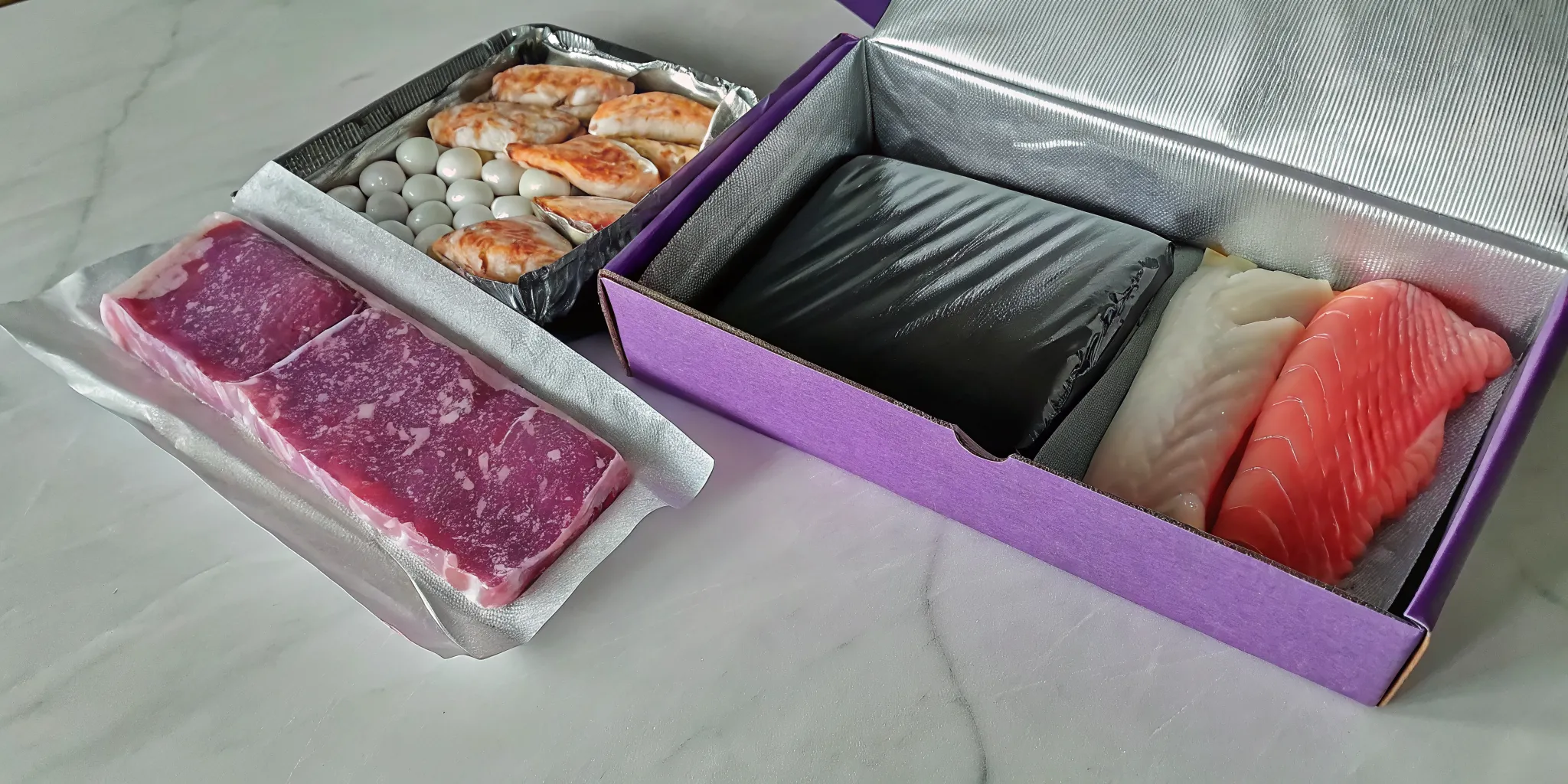
An ice cream delivery service in Ontario keeps frozen treats cold with careful cold-chain handling, so you can add favourites to a regular grocery delivery.


Start Shopping with Tre'dish today and make every grocery trip work for your family and the planet.
Sustainable grocery delivery Ontario reduces environmental impact by replacing thousands of individual car trips with optimized delivery routes from centralized warehouses. By sourcing from local farms and using demand forecasting to minimize waste. This model cuts transportation emissions by 22-65% compared to conventional shopping while supporting the province's agricultural economy.
Sustainable grocery delivery is not merely about convenience. It represents a structural shift in how food moves from producers to consumers, eliminating inefficiencies baked into the traditional retail model. For Ontario families looking to reduce their carbon footprint without sacrificing quality or convenience. Understanding the mechanics of this system reveals why it outperforms conventional grocery shopping on multiple environmental metrics.
The most significant environmental advantage comes from mileage consolidation. The Environmental Protection Agency estimates that passenger vehicle trips to and from retail locations generate more than 17 million metric tons of CO2 annually in the United States alone. By routing a single delivery vehicle to serve multiple households in one loop, delivery models eliminate the multiplicative effect of individual car trips.
Peer-reviewed research published on PubMed demonstrates that direct-to-home grocery delivery can reduce greenhouse gas emissions by 22% to 65% compared to conventional shopping. The variance depends on route density, vehicle type, and order consolidation. Critically, the same study found that halving shopping frequency reduces food-related emissions by approximately 44%. For households that adopt a weekly or bi-weekly subscription model, the cumulative reduction over a year is substantial.
Trip chaining further amplifies these savings. When a delivery vehicle serves a dense cluster of homes in a single optimized route, per-stop emissions drop significantly. In the Greater Toronto Area, where population density supports efficient route planning, the environmental advantage is particularly pronounced. Less traffic, fewer cold starts, and optimized logistics combine to make delivery a genuinely greener alternative.
Food miles represent a hidden environmental cost in most grocery purchases. Produce shipped from across the continent or overseas requires significant fuel for transportation and often extensive packaging for preservation. Tre'dish addresses this by prioritizing partnerships with Ontario farms and producers, sourcing more than 200 local products from over 200 Ontario farmers. The result is a supply chain measured in kilometers rather than thousands of kilometers.
Ontario's agricultural sector is among the most diverse in Canada, producing everything from field vegetables and fruits to meat and dairy. By connecting consumers directly to this network, Tre'dish supports the local economy while delivering fresher, more nutritious food. The shorter supply chain also means less packaging waste, as food traveling shorter distances requires fewer preservatives and protective materials. As detailed in our farm-to-door delivery model, this direct sourcing approach is central to how we reduce environmental impact while maintaining quality.
Food waste is a major contributor to global greenhouse gas emissions, with decomposing organic matter in landfills producing methane. Traditional grocery stores overstock shelves to maintain visual appeal, leading to significant spoilage. Online grocery services operate on a fundamentally different model, using demand data to forecast what customers will order each week. This precision reduces overproduction and ensures that more food ends up on tables rather than in landfills.
Subscription models amplify this efficiency. When a service knows its members' purchasing patterns, it can work with growers to align supply with actual demand. This approach reduces waste at every stage of the supply chain, from the farm to the fulfillment center to the customer's refrigerator. According to research highlighted in the National Library of Medicine, waste reduction is one of the most impactful levers for lowering the carbon footprint of food systems.
Understanding why sustainable grocery delivery Ontario matters requires looking beyond the individual shopping trip to the systemic inefficiencies of conventional retail. A typical supermarket consumes enormous amounts of energy for lighting, refrigeration, and climate control across thousands of square feet of retail space. An e-grocery warehouse eliminates this overhead entirely, concentrating the environmental cost into a single, efficiently managed facility.
The EPA's analysis of last-mile delivery logistics found that online grocery orders can reduce greenhouse gas emissions by roughly half compared to individual car trips. This efficiency gains is not speculative. It is a direct consequence of replacing N individual round trips with one optimized delivery route. When that single vehicle serves 10, 20, or 30 households in one loop, the emissions per household drop proportionally.
A PubMed-indexed study on grocery logistics confirms that direct-to-home delivery achieves 22-65% lower emissions than conventional shopping. The upper end of that range is achieved in dense urban environments with high order consolidation rates, precisely the conditions Tre'dish operates under in Ontario's population centers.
The "last mile" represents the most emissions-intensive segment of any delivery operation. Tre'dish addresses this by concentrating its delivery footprint within Ontario, where route density allows for efficient order grouping. Rather than running sparse routes across vast distances, the company serves concentrated clusters of households, maximizing the environmental benefit of each delivery run. This geographic focus is what makes Ontario grocery delivery genuinely sustainable from an operational standpoint.
Tre'dish was designed from the ground up to minimize environmental impact while maximizing convenience for Ontario households. Every component of the supply chain, from sourcing to packaging to last-mile delivery, has been optimized for sustainability.
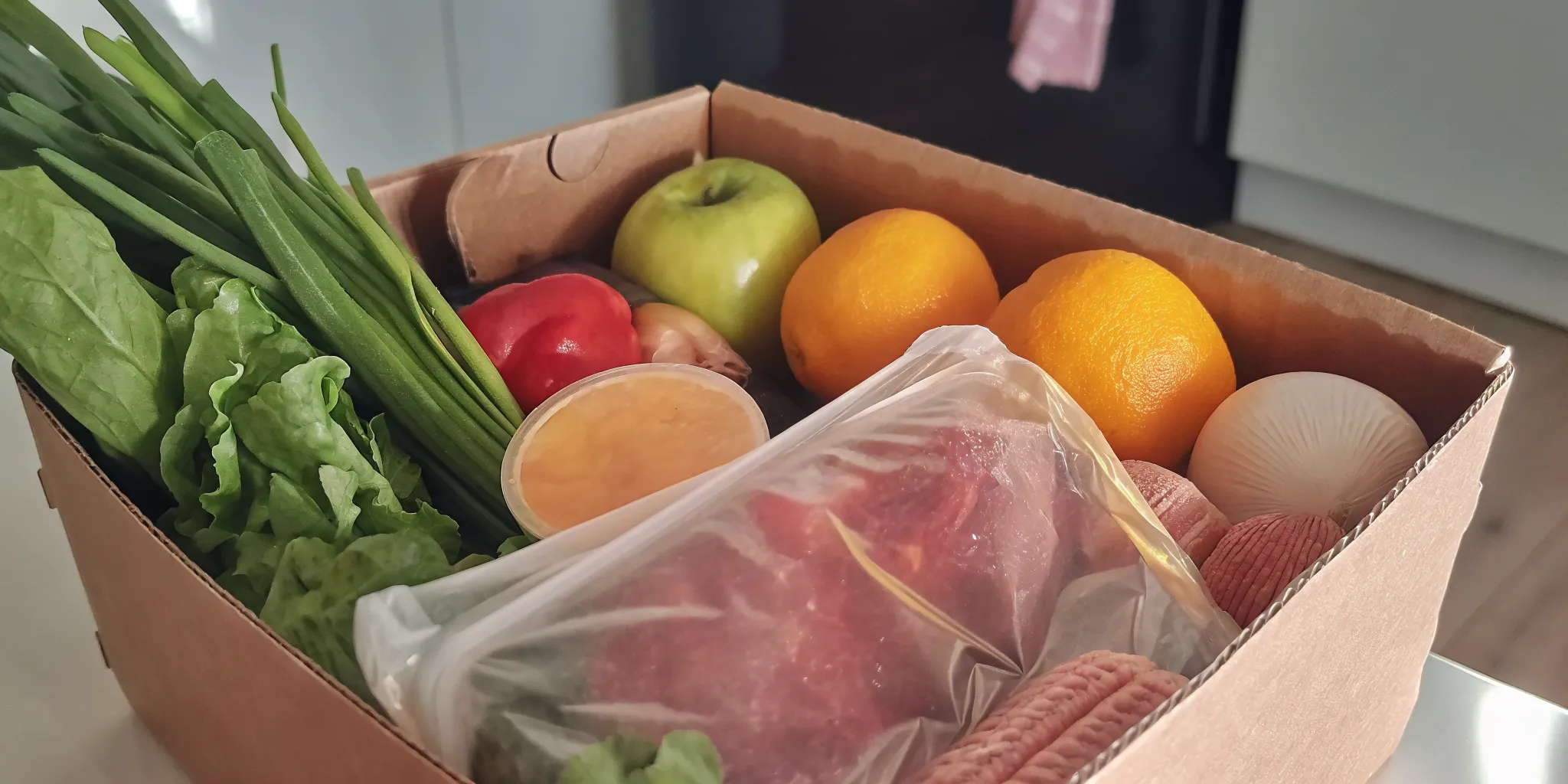
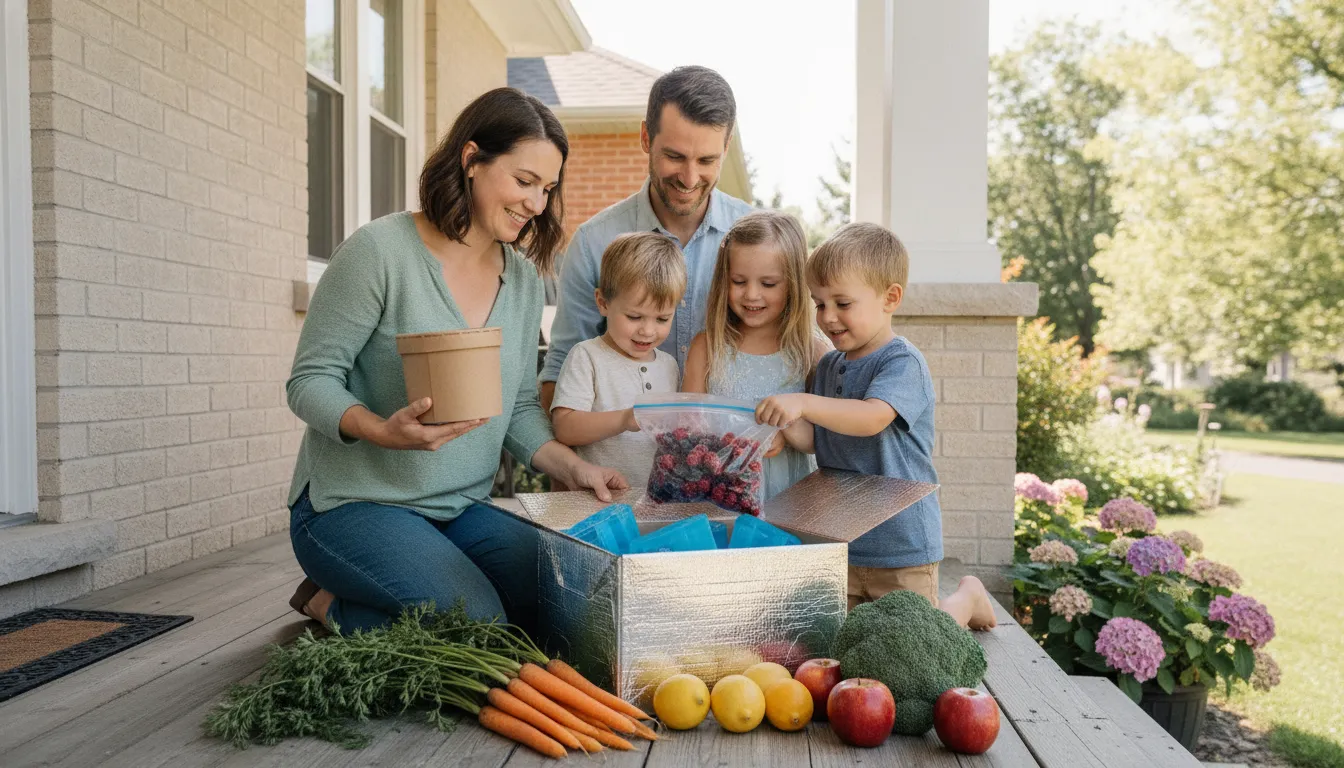
Rather than sourcing new packaging materials for every order, Tre'dish uses repurposed boxes from partner businesses. This circular approach reduces demand for virgin paper, keeps materials out of landfills, and lowers the carbon footprint of each delivery. Insulated liners and reusable ice packs ensure that fresh and frozen items arrive in perfect condition without single-use alternatives.
The warehouse-first model, as described on our delivery page, eliminates the shelf-spoilage problem entirely. Without retail shelves to keep full, Tre'dish only orders what its members have committed to purchase. Irregular produce that traditional retailers reject is often accepted and distributed, further reducing farm-level waste.
A typical supermarket requires constant HVAC, refrigeration, and lighting across a large public space. Tre'dish operates out of efficient fulfillment centers designed specifically for order processing. Research from the National Institutes of Health, accessible via PubMed, shows that micro-fulfillment centers can reduce the carbon footprint of online grocery by 16% to 54% compared to traditional retail.
Demand forecasting plays a critical role here. By analyzing member purchasing patterns, Tre'dish predicts exactly how much inventory to hold at any given time. This lean approach prevents overproduction and ensures that food moves from supplier to customer efficiently, with minimal waste at every step.
Tre'dish carries over 200 Canadian-made items and partners with more than 200 local Ontario farmers and producers. This commitment to local sourcing dramatically reduces the distance food travels from farm to table. Beyond the environmental benefits, local sourcing supports Ontario's agricultural heritage and ensures customers receive the freshest possible produce.
Partnerships with heritage brands like Gryfe's (est. 1915) and Hewitt's (est. 1887) demonstrate how Tre'dish preserves local food traditions while building a more sustainable supply chain. More details on this approach can be found in our local grocery delivery article.
Choosing between sustainable grocery delivery Ontario and traditional supermarket shopping affects far more than your weekly schedule. The two models have fundamentally different environmental profiles, cost structures, and social impacts. Understanding these differences helps Ontario households make an informed choice aligned with their values.
| Feature | Tre'dish Delivery | Traditional Grocery |
|---|---|---|
| Emissions per shop | 22-65% lower impact per order | High impact from individual car trips |
| Packaging approach | Repurposed boxes, insulated liners, reusable ice packs | New plastic and single-use retail packaging |
| Food waste management | Demand forecasting minimizes overproduction | Shelf spoilage from overstocking |
| Price value | ~25% average savings vs retail | Higher costs from retail overhead |
| Product sourcing | 200+ local Ontario products | Mixed global supply chains |
| Supply chain length | Farm-to-warehouse-to-door | Farm-to-distributor-to-store-to-car-to-home |
The most consequential difference is transportation emissions. Each traditional shopping trip represents a dedicated round trip. Delivery consolidates dozens of these trips into one optimized route. The EPA's analysis of online grocery emissions confirms that widespread adoption of delivery could reduce total grocery-related vehicle miles by billions annually.
Traditional retail generates waste at multiple points: overstocked shelves that spoil, single-use packaging for individual items, and the energy cost of operating large retail spaces. Delivery models address each of these through warehouse efficiency, demand-driven ordering, and reusable or repurposed packaging. The result is a system that produces measurably less waste per item delivered.
Environmental sustainability and social responsibility are interconnected. Tre'dish's partnership with Feed Ontario ensures that every order contributes to fighting food insecurity across the province, creating a model where sustainable grocery shopping directly supports community well-being.
Tre'dish donates 1% of every purchase to Feed Ontario. These funds help food banks purchase fresh produce, meat, and pantry staples for families in need. In December 2024 alone, the Tre'dish community helped deliver over 10,000 pieces of fresh food to neighbors facing hunger. This contribution is particularly significant given that more than one million Ontarians now experience food insecurity, a 25% increase year-over-year.
Approximately 43% of food bank visitors are first-time users who have never previously needed assistance. By choosing a sustainable grocery delivery service that actively funds food relief, customers create a virtuous cycle: their own grocery needs are met while simultaneously supporting those who cannot afford nutritious food.
The Feed Ontario partnership is complemented by Tre'dish's support for local food producers. By providing platform access to more than 15 Ontario food makers, Tre'dish helps preserve heritage brands that have served the province for generations. Gryfe's (est. 1915) and Hewitt's (est. 1887) are among the Ontario institutions that reach new customers through the Tre'dish platform, keeping local food traditions alive and reducing food miles simultaneously.
Transitioning from conventional grocery shopping to sustainable grocery delivery Ontario requires only a few minutes of setup, after which your weekly groceries arrive on autopilot. No membership fees, no minimum commitments, and the flexibility to skip, modify, or cancel orders at any time.
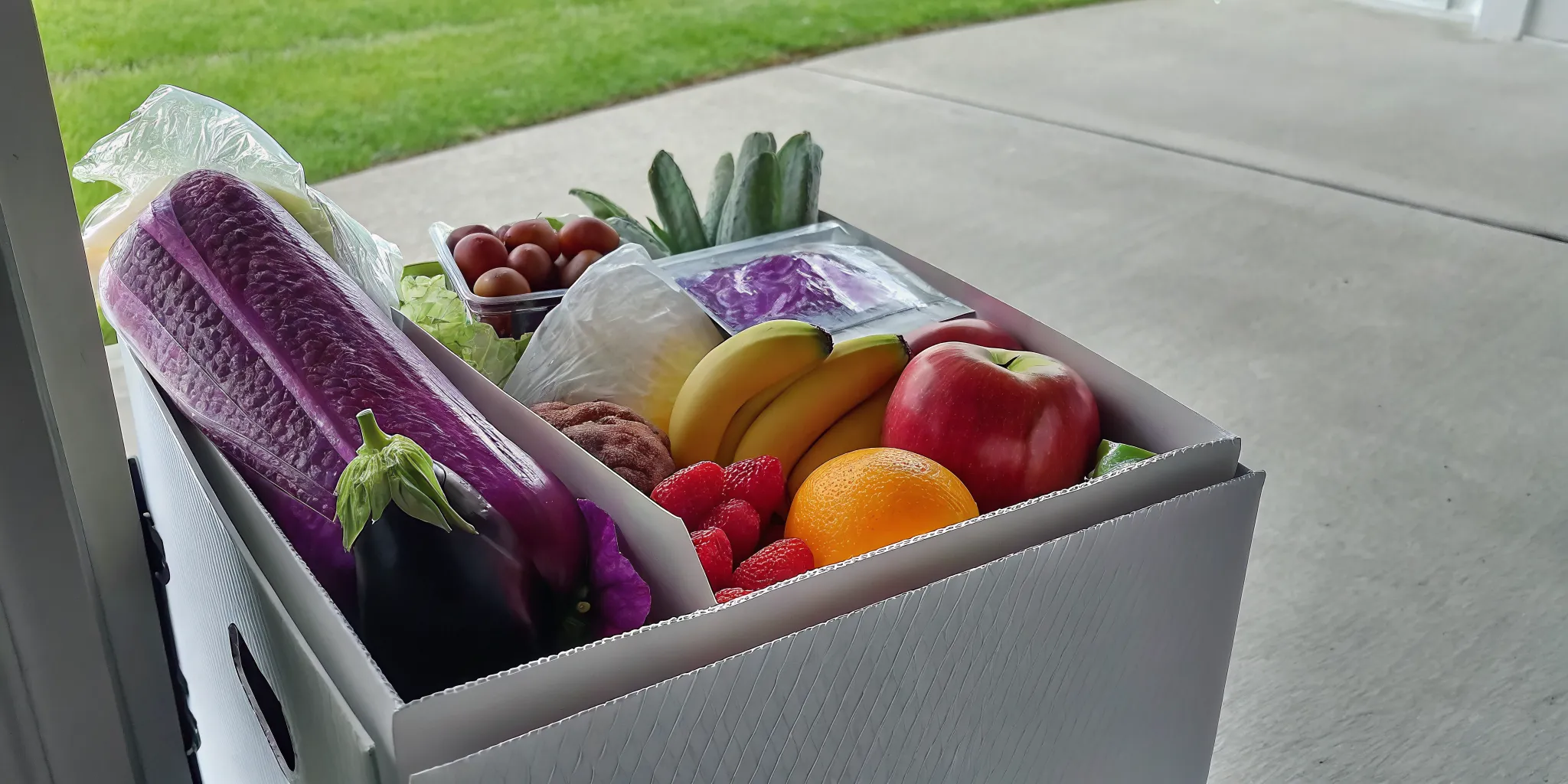
Tre'dish charges no subscription fees. You pay only for the products you order, and you can skip a week, modify your order, or cancel entirely through your account dashboard at any time. This flexibility makes sustainable grocery delivery accessible for households with varying schedules and budgets.
Every purchase contributes 1% to Feed Ontario, meaning your regular grocery routine directly supports food relief for Ontario families. The EPA's emissions data confirms that choosing delivery over individual car trips cuts greenhouse gas output approximately in half. As noted on our how it works page, this model was designed to make sustainability effortless for busy households.

Every order strengthens Ontario's agricultural economy. By purchasing through Tre'dish, you support over 200 local farmers and producers who supply the province with high-quality food. This direct connection between consumers and producers shortens supply chains, reduces packaging waste, and ensures that more of your food dollar stays within the local economy. Research from PubMed confirms that micro-fulfillment centers can reduce the carbon footprint of grocery operations by up to 54% compared to conventional retail. Making this choice one of the most impactful changes a household can make.
Sustainable grocery delivery reduces environmental impact by consolidating individual car trips into optimized delivery routes. Services like Tre'dish use warehouse-based fulfillment rather than retail stores, partner with local Ontario farms to reduce food miles, and employ demand forecasting to minimize waste. The EPA confirms this model can cut transportation emissions by approximately half compared to conventional shopping.
Households typically save approximately 25% compared to traditional retail prices. These savings come from the elimination of retail overhead, reduced impulse purchases, and efficient supply chain operations. You also save on fuel from fewer car trips and gain back the time spent on weekly supermarket visits.
No. Tre'dish uses insulated boxes with ice packs to keep perishables fresh, so orders can be left in a safe location of your choosing. This makes sustainable grocery delivery practical for households where no one is home during delivery hours. Visit Tre'dish for more details on delivery options.
Yes. There are no membership fees or long-term contracts. You can pause, modify, or cancel your orders at any time through your account dashboard. This flexibility ensures that sustainable grocery delivery works for your schedule.
Tre'dish uses demand forecasting to order only what members have committed to purchase, eliminating overstocking. The warehouse model also accepts irregular produce that traditional stores might reject. This data-driven approach reduces waste from farm to table.
Every conventional grocery trip adds to Ontario's carbon footprint. Every week of sticking with the old model is a week of avoidable emissions, avoidable food waste, and missed opportunities to support local farmers and families in need. Tre'dish offers a proven alternative: sustainable grocery delivery Ontario that cuts emissions by up to 65%. Donates 1% of every purchase to Feed Ontario, and delivers fresh local groceries on your schedule with no subscription fees.
The choice is clear. Switching to Tre'dish means reducing your household carbon footprint, saving approximately 25% on groceries. Supporting over 200 Ontario farmers, and contributing to food relief for families facing insecurity across the province. All without changing your weekly routine.
Start Shopping or Create an Account to begin your sustainable grocery journey with Tre'dish today.