Is a Local Produce Box Worth It? The Honest Truth
Curious if a local produce box is worth it? Get the honest truth on costs, benefits, and what to expect before you sign up for a local produce box.

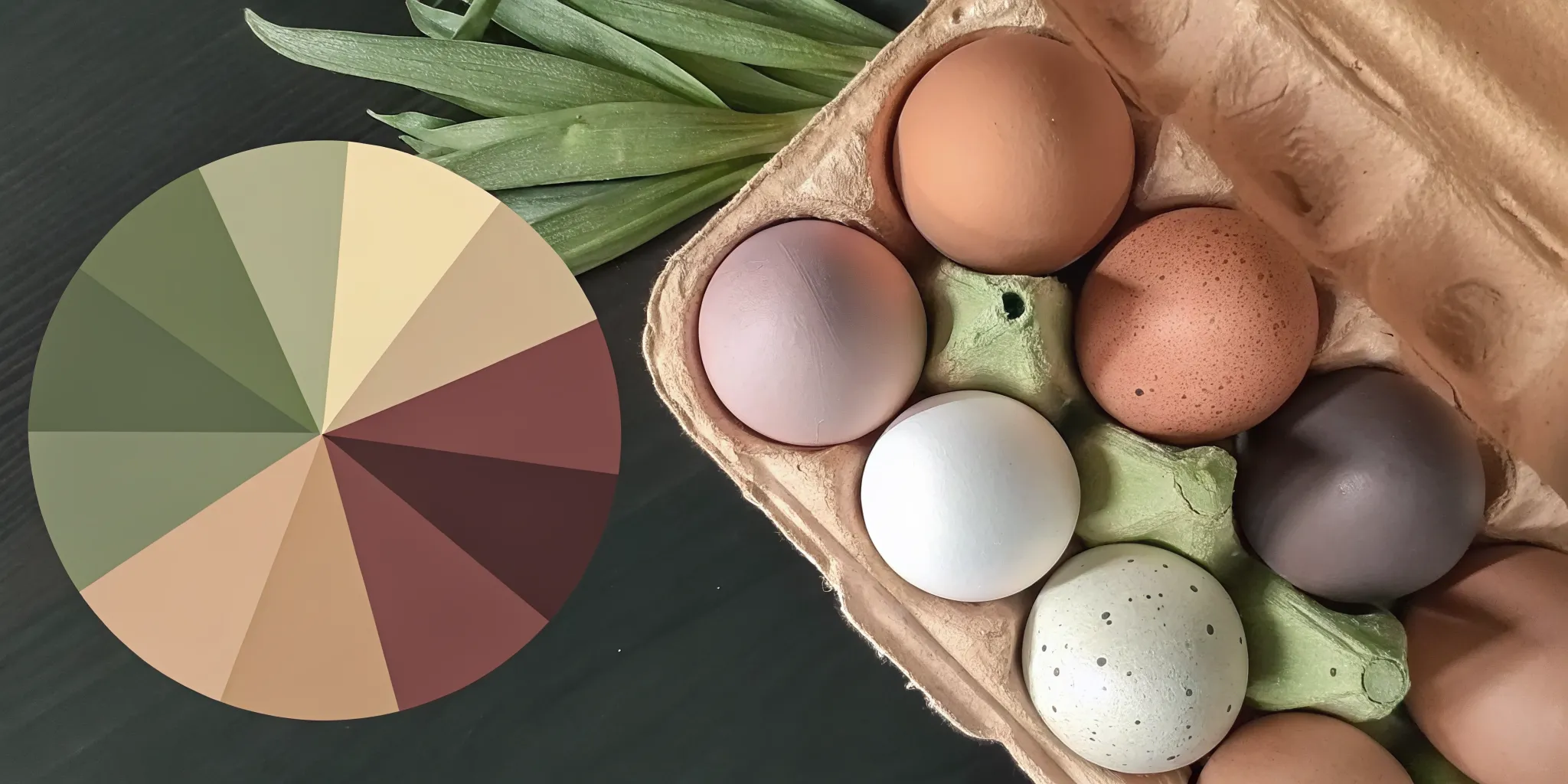
The first time you crack open a true farm-fresh egg, the difference is undeniable. The yolk is a vibrant, deep orange, the white is firm, and the flavour is richer and more complex. That superior quality often comes with a higher price tag, which naturally leads to the question: is it really worth it? The answer is packed into the story of how that egg was produced. The farm fresh eggs price per dozen is a reflection of a hen’s healthy diet, her freedom to roam on pasture, and the sustainable methods used by the farmer. Let's go behind the carton to explore what you're truly investing in when you choose farm-fresh, from unbeatable taste to superior nutrition.
Ever wonder why one carton of farm-fresh eggs costs more than another? The price you see isn't arbitrary; it’s a reflection of the care, quality, and effort that goes into producing every single egg. From the hen’s daily meals to the journey it takes to get to your kitchen, several key factors play a role. Understanding what’s behind the price tag helps you appreciate the true value of high-quality, locally sourced eggs. It’s about more than just breakfast; it’s about supporting sustainable farming practices and enjoying a more nutritious, flavorful product. Let's break down exactly what contributes to the cost of farm-fresh eggs.
You are what you eat, and the same goes for chickens. The single biggest expense for most egg farmers is feed. As one farmer noted, "The cost of chicken feed can make egg prices higher." Hens that produce the most nutritious and delicious eggs are often fed a premium diet, which can include organic grains, seeds, and greens. This high-quality feed is more expensive than the conventional corn and soy pellets used in large-scale operations. When farmers invest in better food for their flock, that cost is naturally reflected in the price of their eggs. It’s a direct investment in the flavour and nutritional quality you get in every bite.
How a hen lives has a huge impact on the price of her eggs. Many farm-fresh eggs come from hens that are raised humanely, with plenty of space to roam, peck, and forage. Methods like "pasture-raised" or "free-range" require more land and labour than conventional cage systems. Farmers also invest in maintaining healthy pastures and ensuring their flocks are safe from predators. Furthermore, obtaining official certifications like "organic" involves a rigorous and costly process for farmers. These higher standards lead to happier hens and better eggs, but they also contribute to a higher price point.
Egg prices can be a classic lesson in economics. The price for a dozen eggs can be very different depending on where you live in Canada. In rural areas with many small farms, a healthy supply can lead to more competitive pricing. In contrast, urban centres often have higher demand and fewer local producers, which can drive prices up. This dynamic means there isn't one standard price for farm-fresh eggs across the country. It’s all about the local market, which is why you might see prices vary from one farmers' market to the next.
Did you know that egg production is seasonal? Hens naturally lay more eggs in the spring and summer when there are more hours of daylight. As the days get shorter in the fall and winter, their production naturally slows down. This dip in supply can cause prices to climb during the colder months. The cost of eggs can feel like a "rollercoaster" throughout the year, influenced by these natural cycles. Demand also plays a part, with spikes around holidays known for baking and brunch, like Christmas and Easter, which can also temporarily affect prices.
The final price of your eggs also includes the cost of getting them from the farm to you. This includes expenses for grading, washing, and packaging the eggs in cartons. Transportation is another key factor, especially for small, local farms that may deliver directly or supply to nearby markets. Choosing farm-fresh eggs often means you're supporting a shorter, more transparent supply chain. This not only connects you more closely to your food source but also helps reduce the environmental footprint compared to large-scale production. Services like Tre'dish help streamline this journey, bringing incredible Canadian-made groceries right to your door.
Figuring out a fair price for farm-fresh eggs can feel like a moving target. The truth is, there’s no single answer. The cost for a dozen eggs depends heavily on where you live, the type of farm they come from, and even whether you’re shopping in the city or the countryside. Understanding these factors helps you spot a good deal and know exactly what you’re paying for. Let’s break down what you can expect to see on the price tag across Canada.
One of the biggest factors in egg pricing is your postal code. Prices can vary quite a bit from one province to another due to local production costs, supply chains, and demand. For example, recent data shows that shoppers in British Columbia might pay the highest average price, with a dozen eggs costing around $5.40. Meanwhile, if you’re in Alberta, you could find extra-large and large eggs for closer to $2.92 per dozen. This difference shows just how much location matters when you’re trying to budget for quality groceries.
It’s not just about your province; your specific location within it matters, too. You’ll often find a price difference between urban centres and rural areas. In the city, higher demand and extra distribution costs can drive prices up. If you head out to the country, you might find better deals directly from the source. For instance, some local farms in rural Ontario offer their farm-fresh eggs for as low as $5.00 a dozen. So, if you’re on a weekend drive, stopping at a farm stand could be a great way to stock up and save.
Not all eggs are created equal, and their price tag reflects that. The cost can swing dramatically based on how the hens were raised. On the premium end, you’ll find certified organic and pasture-raised eggs that can cost as much as $9.00 per dozen. These prices reflect the higher costs of organic feed and providing hens with ample outdoor space. On the other end of the spectrum, conventional eggs can be found for as little as $2.25. This wide range means you can choose what fits your budget and your values, giving you control over your grocery cart.
When you're standing in the grocery aisle, it’s easy to reach for the cheapest carton of eggs and call it a day. But if you’ve ever wondered what you’re really getting for your money, it’s worth looking closer. The difference between a standard store-bought egg and a farm-fresh one isn't just a few dollars; it’s a difference you can see, taste, and feel. Let's break down what you're actually paying for.
The most affordable eggs at the supermarket are usually from conventional, large-scale farms. While the low price is tempting, it often reflects a lower investment in the hen's diet and living conditions. This can impact the nutritional value of the eggs themselves. In fact, studies show that compared to their farm-fresh counterparts, these eggs can have less vitamin A, E, and D, and fewer omega-3s. So, while you might be saving a little at the checkout, you might not be getting the most nutritious option for your family’s breakfast.
Take a step up from the basic carton, and you’ll find premium options like "free-range" or "organic" eggs. These come with a higher price tag, and while they are often a better choice than conventional eggs, the labels can sometimes be confusing. These eggs are an improvement, but they may not match the quality of those from a small, local farm where hens roam freely on pasture. Finding true farm-fresh quality in a big grocery store can be a challenge, but a great grocery subscription can connect you directly with high-quality producers without the guesswork.
The real value of farm-fresh eggs becomes clear when you crack one open. You’ll often notice a vibrant, deep orange yolk, which is a sign of a hen's nutrient-rich diet. This translates directly to better nutrition for you. Eggs from pastured hens can have twice as much vitamin E and omega-3 fatty acids. You’re not just buying eggs; you’re getting a more flavourful and nutrient-dense food. When you put your groceries on autopilot, you get that incredible quality delivered right to your door, making it simple to invest in better food.
When you see farm-fresh eggs next to conventional ones, the price difference can make you pause. It’s easy to wonder if they’re truly worth the extra cost. The short answer is yes, and the reasons go far beyond just breakfast. The value of a farm-fresh egg is packed into its nutritional profile, its incredible flavour, the welfare of the hens, and its impact on the environment. Let's break down what you're really paying for.
Farm-fresh eggs often pack a bigger nutritional punch. The key is the hen's diet. Hens that forage on pasture, eating a natural mix of greens, seeds, and insects, produce eggs with a richer nutrient profile. Studies have shown that eggs from pasture-raised hens can contain less cholesterol and saturated fat, along with more vitamins A, E, and D. They are also a fantastic source of omega-3 fatty acids, which are essential for brain health. When you choose farm-fresh, you're not just getting an egg; you're getting a more nutrient-dense food that reflects the health of the hen that laid it.
If you've ever cracked open a farm-fresh egg, you’ve probably noticed the difference immediately. The yolks are often a vibrant, deep orange, and they stand up tall instead of spreading out. The whites are firmer and less watery. This isn't just for looks; it translates directly to superior flavour and texture in your cooking. The rich, creamy taste comes from the hen's varied diet. Whether you’re making a simple scramble or a delicate soufflé, the quality of the egg makes a noticeable difference. It’s the kind of quality that reminds you how delicious simple, real food can be.
The price of farm-fresh eggs often reflects a higher standard of animal welfare. The hens are typically raised in humane conditions, with plenty of space to roam, peck, and forage as they would naturally. This lifestyle is a world away from the cramped, stressful conditions of many large-scale commercial egg operations. By choosing eggs from local farms, you are supporting farmers who prioritize the health and happiness of their animals. It’s a conscious choice to invest in an ethical food system where animal welfare is a key part of the process, leading to a better quality product for you and a better life for the hens.
Buying farm-fresh eggs from local producers is a simple way to reduce your environmental impact. These eggs don't travel long distances in refrigerated trucks, which significantly cuts down on food miles and carbon emissions. Small-scale farms also tend to use more sustainable practices that promote biodiversity and soil health. When you shop for local groceries, you're not just getting fresher food; you're also supporting a more resilient and environmentally friendly local food system. It’s a small change in your shopping habits that contributes to a healthier planet for everyone.
Have you ever noticed the price of a dozen eggs seems to shift throughout the year? It’s not your imagination. The cost of eggs is tied to a few key factors that change with the seasons, from the natural rhythms of the hens themselves to our own holiday traditions. Understanding these shifts can help you plan your grocery budget and appreciate what it takes to get those beautiful, farm-fresh eggs to your kitchen.
Hens are sensitive to daylight, and their egg-laying follows a natural rhythm. They lay the most eggs during the long, sunny days of spring and summer. With a greater supply available, prices tend to dip. As the days get shorter and cooler in the fall and winter, hens naturally slow down their production. This decrease in supply often causes prices to climb a bit. It’s a simple cycle of nature that has a direct effect on the carton of eggs in your shopping cart.
Just like us, hens aren't big fans of extreme weather. A summer heatwave or a harsh Canadian winter can cause stress for the birds, leading them to lay fewer eggs. Weather also impacts the cost and availability of their feed. Beyond the daily forecast, larger events can have a massive effect on supply. For example, an outbreak of Avian Influenza can unfortunately lead to the loss of many hens, creating a shortage that drives prices up significantly across the market.
Getting eggs from a local Canadian farm to your fridge involves a few important steps. The journey relies on transportation and logistics running smoothly. When disruptions happen, whether from bad weather, road closures, or labour shortages, it can create delays and bottlenecks in the food supply chain. These challenges can lead to temporary shortages on store shelves and, as a result, higher prices. It’s a reminder of how interconnected our food system is and the hard work that goes into every delivery.
Think about your grocery list before a big holiday. If you’re like most of us, it probably includes an extra dozen eggs for baking cookies, making quiche for brunch, or preparing a big family breakfast. This collective spike in demand around holidays like Easter, Thanksgiving, and Christmas puts pressure on the available supply. When everyone wants eggs at the same time, prices often rise to match that increased demand. It’s a classic case of supply and demand playing out in the grocery aisle.
When you pick up a carton of farm-fresh eggs, you’re holding more than just your next breakfast. The price reflects a story of how the hens were raised, the standards the farm upholds, and the values you’re supporting with your purchase. Understanding these factors helps you see the true value behind the cost and make choices you can feel good about.
These terms get used a lot, but what do they really mean for the hens and the eggs they lay? Farm-fresh eggs often come from genuinely free-range chickens that get to live a more natural life. This means they can roam outdoors, forage for food, and soak up the sun. This healthier, lower-stress environment doesn't just contribute to their well-being; it also directly impacts the quality of their eggs. When you choose free-range, you’re paying for a higher standard of living for the hens, which often results in a better, more flavourful egg for you.
Seeing an "organic" label on a carton of eggs means the farm has gone through a rigorous process to earn that certification. The official Canadian Organic Standards ensure that hens are raised without synthetic pesticides, herbicides, or GMOs in their feed. This commitment to natural farming practices can increase production costs for the farmer. In return, you get eggs that are not only free from unwanted chemicals but are often more nutritious. Studies have shown that eggs from pastured hens can have twice as much vitamin E and beneficial omega-3 fatty acids.
Choosing to buy from small, local farms is a powerful way to vote with your wallet. These farms are often the backbone of our communities, and they tend to prioritize sustainable practices that are kinder to the environment. Supporting them helps reduce the carbon footprint associated with large-scale, industrial egg production and long-distance transportation. While the price might be a bit higher, you’re investing in a more resilient local food system, preserving green space in your community, and getting a product that is fresher and more transparently sourced.
Many of us want to know that the animals providing our food were treated with care and respect. High animal welfare standards are a cornerstone of ethical farming. This means providing hens with plenty of space to exhibit natural behaviours like roaming, pecking, and dust-bathing. Creating and maintaining these humane conditions requires more resources, space, and labour from the farmer, which is reflected in the final price. That extra cost ensures the hens live happy, healthy lives, and it allows you to enjoy your eggs with a clear conscience.
Finding incredible, farm-fresh eggs is easier than you might think. Whether you love the idea of visiting a farm, browsing a weekend market, or having them delivered right to your door, there’s an option that fits your lifestyle. It’s all about knowing where to look. Getting your hands on fresh, local eggs is a great way to connect with your food and support Canadian producers. Here are some of the best places to find them.
Going straight to the source is one of the most rewarding ways to buy eggs. You get to see where your food comes from and often meet the farmers who raise the hens. Many local farms, like Meadow Creek Farms in Alberta, sell eggs directly from their farm gate. They prioritize giving their hens plenty of space to roam, which results in healthier birds and higher-quality eggs. A quick search for "egg farms near me" can point you to a local producer, giving you access to the freshest eggs possible, sometimes gathered that very morning.
Farmers' markets are a fantastic weekend activity and a one-stop shop for all things local, including eggs. You’ll find a variety of vendors selling eggs from hens raised in different ways, from free-range to pasture-raised. Markets like the North Oshawa Farmers' Market and Whitby Farmers' Market bring together the best local producers, so you can chat with them about their farming practices while you stock up on produce, baked goods, and of course, a carton of fresh eggs. It’s a great way to support your local economy and enjoy the community atmosphere.
If convenience is your top priority, you don’t have to miss out on quality. Many services now deliver farm-fresh eggs right to your home. While apps like Instacart can offer quick delivery from local stores, a dedicated grocery subscription is another great way to get consistent quality. At Tredish, we partner with Canadian producers to bring you top-quality groceries, including fresh eggs, on a predictable schedule. It’s the perfect way to put your weekly shopping on autopilot without ever sacrificing freshness or supporting local.
Joining a Community-Supported Agriculture (CSA) program is a wonderful way to invest in a local farm and receive a share of its harvest. You typically pay a fee at the beginning of the season and in return, you get a weekly or bi-weekly box of fresh, seasonal produce. Many farms, like Forsythe Family Farms, offer eggs as an add-on to their vegetable boxes. This model creates a strong connection between you and the farmer, giving you a true taste of seasonal eating and the satisfaction of directly supporting sustainable agriculture in your community.
Getting the best value on farm-fresh eggs isn’t just about finding the lowest price. It’s about striking the perfect balance between cost, quality, and convenience. You want incredible flavour and nutrition without spending a fortune or driving all over town. The good news is, with a few smart strategies, you can consistently fill your fridge with high-quality, delicious eggs that fit your budget. It all comes down to knowing where to look and how to shop. From buying in larger quantities to embracing the rhythm of the seasons, here are a few simple ways to make farm-fresh eggs a regular, affordable part of your grocery routine.
If your household goes through a lot of eggs, buying in bulk is one of the easiest ways to save. Many small-scale farmers have a surplus of eggs, especially during peak laying seasons, and are happy to offer a better price for a larger purchase. Instead of buying a single dozen, ask if they sell by the flat (which is usually 2.5 dozen). This saves the farmer time and packaging, and they can pass those savings on to you. If a whole flat feels like too much, consider splitting it with a friend or neighbour. You both get a great deal on fresh, local eggs, and nothing goes to waste.
For ultimate convenience and predictable savings, a subscription service is a game-changer. When you subscribe to your groceries, you put your weekly staples on autopilot, ensuring you never run out of essentials like farm-fresh eggs. Services like Tre’dish build relationships with local Canadian producers to bring you consistent quality at a fair price, often lower than what you’d find at a premium grocery store. You get the freshness of the farm delivered right to your door on a predictable schedule, saving you time and mental energy. It’s the perfect way to lock in value and make high-quality food an effortless part of your life.
Just like produce, eggs have a natural seasonality. Hens lay more eggs during the longer, sunnier days of spring and summer. Shopping in tune with these natural cycles can sometimes lead to better prices and availability. During these peak months, farmers often have an abundance of eggs. Beyond potential savings, buying seasonally supports a more sustainable food system. You’re aligning your consumption with the natural rhythm of the farm, which often means a lighter environmental footprint compared to large-scale operations that rely on artificial lighting to force year-round production.
Building a relationship with the people who grow your food is incredibly rewarding. When you buy directly from a local farmer, you can ask questions about their practices and learn exactly how the hens are raised. This transparency gives you confidence in the quality of your eggs. Visiting a local farmers' market or a farm stand is a great way to start these conversations. Over time, you become a valued customer, which can sometimes lead to better deals or first dibs on fresh stock. Plus, you get the satisfaction of knowing your money is directly supporting a small, local business and humane farming in your community.
Why is there such a big price difference between farm-fresh and regular supermarket eggs? The price gap really comes down to the cost of care and quality. Farm-fresh eggs often come from hens that eat a more expensive, nutrient-rich diet. Farmers also invest more in providing humane living conditions, like open pastures, which require more land and labour than conventional cage systems. These higher standards for the hen's health and happiness are reflected in the final price you see.
Are expensive 'organic' or 'pasture-raised' eggs actually better for me? Yes, they often are. The way a hen is raised directly impacts the nutritional quality of her eggs. Hens that forage on pasture tend to lay eggs with more vitamins A and E, and significantly more heart-healthy omega-3 fatty acids. You'll also notice a difference in the kitchen: the yolks are typically a richer orange and the flavour is much more pronounced, which can make a simple scramble feel like a gourmet meal.
How can I find a reliable source for farm-fresh eggs near me? You have some great options. Visiting a local farmers' market is a wonderful way to meet producers and ask them about their farming practices. You can also look for farms in your area that sell directly to customers from a farm stand. For a more convenient choice, a grocery subscription service can connect you with high-quality Canadian producers and deliver those fresh eggs right to your door on a regular schedule.
Is it always cheaper to buy eggs directly from a farm? Not always, though it can be a great way to find a good deal. Prices often depend on your location; you might find lower prices at a rural farm stand compared to what's available in a city. When you factor in the time and gas money for the drive, the costs can sometimes even out. The real value in buying direct is the incredible freshness and the connection you build with the person who produces your food.
My egg prices seem to go up in the winter. Why is that? That's a completely normal seasonal shift. Hens naturally lay fewer eggs when the days get shorter and colder. This natural dip in production means there are fewer eggs available, which causes prices to increase to meet demand. It’s a simple cycle of supply and demand that follows the rhythm of the seasons.