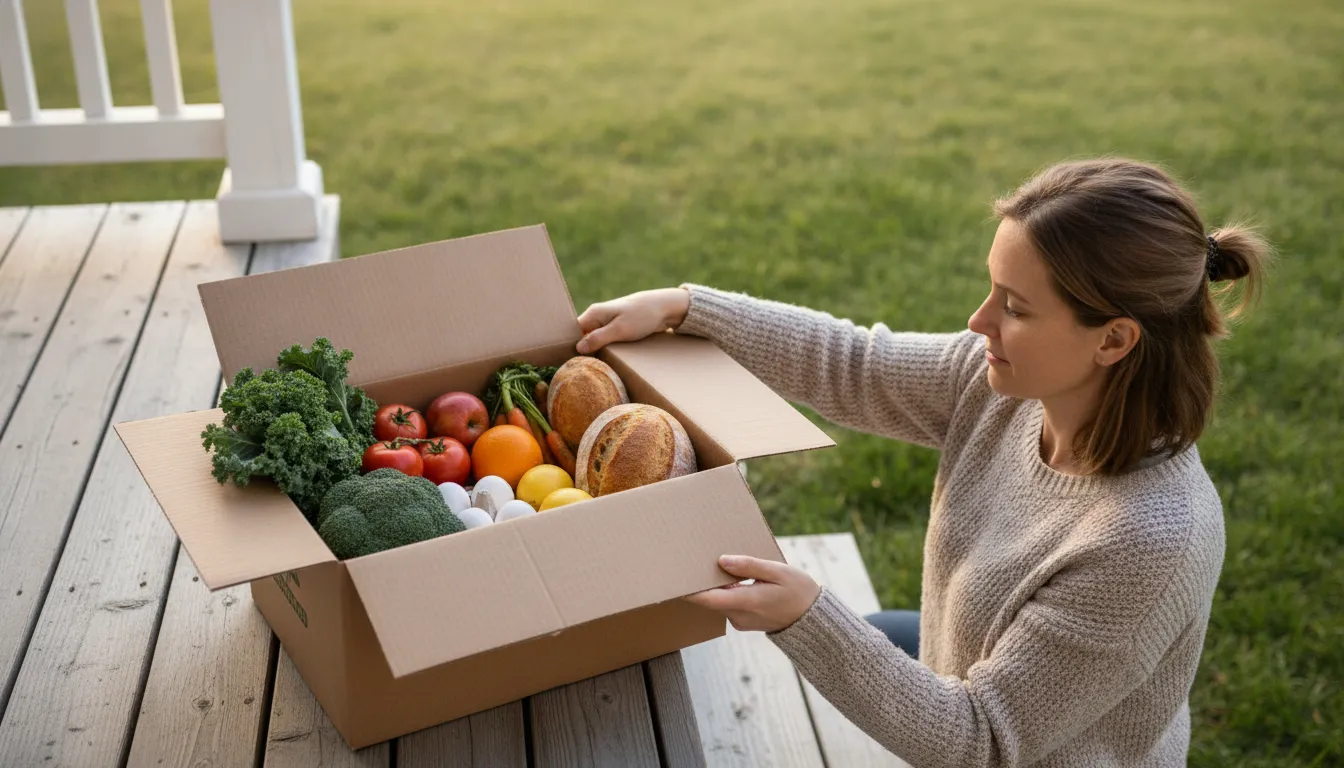
10 Best Organic Produce Delivery Services for 2026
Find the best organic produce delivery services for fresh, high-quality fruits and vegetables brought right to your door. Compare top options for every need.

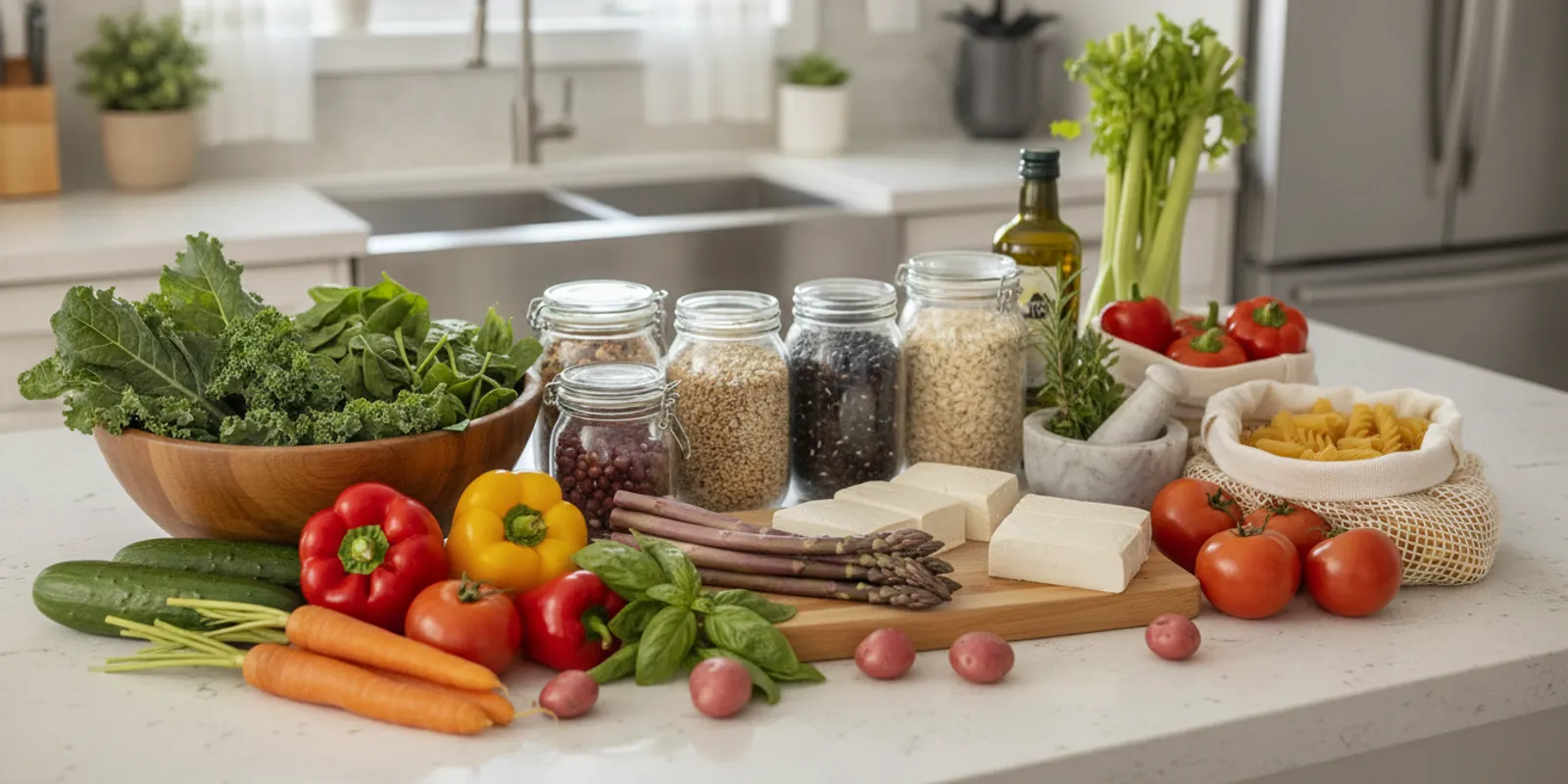
A vegan food subscription box in Canada can make plant-based cooking easier, but boxes differ in what they include and how much choice they offer. Before signing up, decide whether you want produce, pantry staples, ready-to-eat meals, or ingredients for recipes—and whether the delivery schedule suits your household.
The phrase can describe several distinct services. Some send a set selection of fruits and vegetables. Others focus on meal kits with recipe portions, prepared meals, or curated pantry products. Confirm the box type before comparing price or variety, since these options solve different needs.
A produce box may help you bring vegetables into your routine, while a pantry box can replenish staples such as grains, legumes, and sauces. A meal kit is more structured: it generally centres on recipes and measured ingredients. A flexible grocery order gives you a different kind of choice: you select products for your own menu instead of receiving a fixed assortment.
That distinction matters when you already have ingredients at home or cook for people with different preferences. A preset box might introduce unfamiliar foods, but it can also include items you would not choose. A flexible order can let you focus on the ingredients you know you will use, while a recipe-led kit may be more useful when you want guidance for particular meals.

Look for a clear list of included items, not only a general description such as “plant-based favourites.” Check whether the provider identifies ingredients and allergens, explains package sizes, and distinguishes fresh items from shelf-stable products. If a box includes prepared foods, review storage and reheating instructions as well.
For fresh produce and other groceries, clear product information helps you plan rather than guess. Tre'dish describes its grocery model and ordering process on its How it works page; you can also browse its Canadian suppliers and partners to understand the local-product focus.
For a vegan diet, read the actual product details rather than relying on a broad category label. Some households avoid particular ingredients for preference or allergy reasons, and “plant-based” descriptions do not replace checking the item itself. Review ingredient lists each time, especially when seasonal substitutions or changing box contents are possible.
Fresh ingredients are only useful when they arrive in good condition and fit your cooking schedule. Check the delivery area, delivery day, packaging approach, and what happens if you are not home. For produce, ask how the service communicates seasonal changes. For refrigerated items, look for information about insulated packaging and cold handling.
Think through the path from delivery to meal. Do you have room in the fridge for a large produce selection? Will delicate greens be used early in the week? Are pantry goods separated from items that need refrigeration? A box that sounds convenient can still create extra work if its contents arrive in quantities that do not fit your storage or meal plans.
Tre'dish delivers groceries weekly in the Greater Toronto Area, using refrigerated delivery with insulated boxes and ice packs. Its packaging is designed to be eco-friendly. Service area and delivery details matter, so verify that your address is eligible before planning around a recurring order. The Tre'dish contact page is available for questions about coverage or an order.
There is no single box format that suits every kitchen. The USDA's Food Plans resource outlines foods, amounts, and associated costs for nutrient-dense eating on a limited budget; it can be a useful reference when thinking about how grocery choices fit household needs, rather than a recommendation for any one subscription.
Compare the practical differences before committing. The best fit depends on whether you value recipe guidance, convenience, ingredient choice, or the ability to adjust a regular grocery order. Consider how often you cook, who eats the food, and whether you enjoy choosing individual items.
| Format | Usually suited to | What to verify |
|---|---|---|
| Produce box | Households that want a planned selection of fruits and vegetables | Contents, seasonal substitutions, quantities, and delivery schedule |
| Vegan meal kit | Cooks who want recipe-led meals with ingredients grouped for dishes | Recipes, portion count, prep time, allergens, and skip options |
| Prepared vegan meals | People seeking meals that need little preparation | Storage, heating instructions, dietary details, and delivery handling |
| Flexible grocery subscription | Households that want to choose groceries for their own menus | Product range, order changes, weekly delivery, fees, and service area |
Tre'dish is a grocery subscription rather than a vegan-only meal kit. Shoppers can choose from groceries across categories, including produce and pantry items, and customize their orders. The service has no subscription fee; customers pay for products and can skip, modify, or cancel. Review its Groceries on Autopilot overview and Canadian grocery subscription guide to see how the model differs from a fixed-content box.

For shoppers who prefer to decide what goes into the basket, a customizable grocery subscription can support plant-based meals without requiring every order to be vegan-only. Choose suitable items across categories and build around the dishes you already make. Tre'dish's guide to weekly vegan staples can help with planning the pantry side of that routine.
A recurring order should match the weeks you actually need groceries. Check how far ahead you can adjust an order, whether skipping a week carries a penalty, and when payment is processed. Look for subscription charges separately from product prices and delivery terms. Compare the total for items you would use, rather than judging a box only by its advertised item count.
For a fair comparison, make a short list of the foods you would buy anyway. Then check whether each option covers those needs, how much unwanted food it may leave, and how much planning it saves. A lower-looking box price does not tell you whether the portions, ingredients, or delivery schedule are useful to your household. The relevant measure is fit: the food you will use, the work it removes, and the terms you can manage.
Tre'dish lets customers skip or adjust weeks, and there are no subscription fees. Its weekly delivery model is intended to replace repeated grocery trips with a dependable order that shoppers can customize. For a practical example of managing a regular shop, see how to keep a pantry stocked and this guide to saving time on grocery shopping.
Use one typical week as your test rather than imagining an idealized menu. Write down breakfasts, lunches, dinners, and snacks that your household expects to eat. Mark which ingredients are already in the cupboard, then identify the produce and pantry items you still need. This simple exercise shows whether a fixed box would complement your staples or duplicate them.
Next, look at the service rules beside your calendar. A weekly delivery may be convenient when it arrives before your main cooking days, but less helpful if you are away or have plans to eat out. Check the cutoff to make changes, note the delivery date, and decide how you will handle a week when you need less. Flexible skip or edit options can matter as much as the initial product selection.
A little preparation makes the first delivery easier to use. Take stock of your fridge, freezer, and pantry before choosing quantities. If you already have lentils, pasta, or sauces, prioritize fresh items or ingredients that fill a specific gap. A box should support your meals, not force you to reorganize the week around food you did not want.
After delivery, unpack chilled items promptly and put them away according to the product instructions. Plan to use delicate produce first and keep longer-lasting ingredients for later meals. If a box includes unfamiliar items, choose one simple preparation method rather than letting them sit unused. Small habits like these help turn a recurring delivery into a practical routine.
For more context on produce choices, Tre'dish has a guide to local fruit and vegetable box delivery and an overview of produce box home delivery. These can help you decide whether a produce-led option or a broader grocery order better fits your week.
A grocery subscription may include plant-based products, but it is not necessarily vegan-only. Check the product descriptions and select items that meet your needs.
No. A vegan box may contain produce, pantry items, prepared meals, or recipe ingredients. Confirm the format and contents before ordering.
Yes. Tre'dish customers can skip or adjust weeks, and there are no subscription fees. Check the ordering details for the applicable timing of changes.
No. Its confirmed service area is the Greater Toronto Area. Check whether your address is eligible before making plans around delivery.
Choose a box if its set format and contents suit your needs. Choose flexible groceries if you would rather select individual items for your own menus and adjust the order week by week.
Take a moment to match the box format, ingredients, delivery terms, and flexibility to the way you cook each week, so the food you receive supports the meals you want to make. To expand the article substantively, compare how a fixed box and a flexible basket play out across meal planning, household needs, and the delivery-to-storage routine. A sample planning method can also make the choice less abstract: start with meals you already cook, then see what the service must supply to complete them.
Think in ingredients rather than trying to make every delivery dictate the menu. Choose a few dependable meal patterns, such as a grain bowl, soup, pasta, or a stir-fry. Then identify the items that can work across more than one dish. Greens can go into salads or cooked meals; beans can become a soup component or a quick lunch; grains can serve as a base for several combinations.
This approach is especially useful with seasonal produce boxes, where the exact mix may change. Before delivery, keep one or two flexible recipes in mind rather than a rigid seven-day plan. When the items arrive, assign the most delicate produce to the earliest meals and save sturdy roots or pantry goods for later. If a box contains ingredients your household has not tried, select one low-effort use and keep the rest of the menu familiar.
Check the freezer and pantry before placing an order, then write down what is already available. A simple list of staples—grains, canned beans, oils, sauces, and frozen vegetables—can prevent repeat purchases. For a fixed box, compare the announced contents with this list; for a flexible grocery order, use the list to choose only the missing pieces. This turns the order into a complement to your kitchen rather than a second inventory.
Convenience depends on more than the checkout process. Consider who will be home, where groceries can be left, how quickly chilled products can be stored, and whether delivery arrives before the days you usually cook. A predictable weekly schedule can make meal planning easier, but only if it lines up with your routines and the service's change deadline.
Set a small repeatable arrival routine: check the order against the receipt, put cold items away first, group pantry items by meal, and note anything that should be used soon. If your week changes, review the next order early enough to edit or skip it. These steps help preserve freshness and prevent a delivery from becoming an unplanned pile of food on the counter.
A fixed box is straightforward when you are happy to accept its planned assortment and enjoy discovering seasonal ingredients. It may be a poor fit if you need specific quantities, already keep a full pantry, or want control over each product. A grocery basket gives you the ability to select items for your own meals, though it asks you to do more of the menu planning yourself.
There is no universal winner. Compare how much decision-making you want to hand over, how much variety your household can use, and how much room you have for storage. For a shopper seeking vegan groceries rather than a strictly vegan subscription brand, the useful question is whether a service lets you select suitable products and manage the weekly order on your terms.
Tre'dish serves the Greater Toronto Area with weekly grocery delivery, rather than claiming a Canada-wide vegan-only box. Its order flexibility lets customers choose groceries and skip or adjust weeks; shoppers pay for products without a subscription fee. Read the guide to personalized food boxes with local items for another perspective on balancing choice with a curated assortment, and review the main grocery box types before deciding what format makes sense.
Choose the service that makes it easiest to get the plant-based ingredients you actually use, delivered on terms that fit your week.