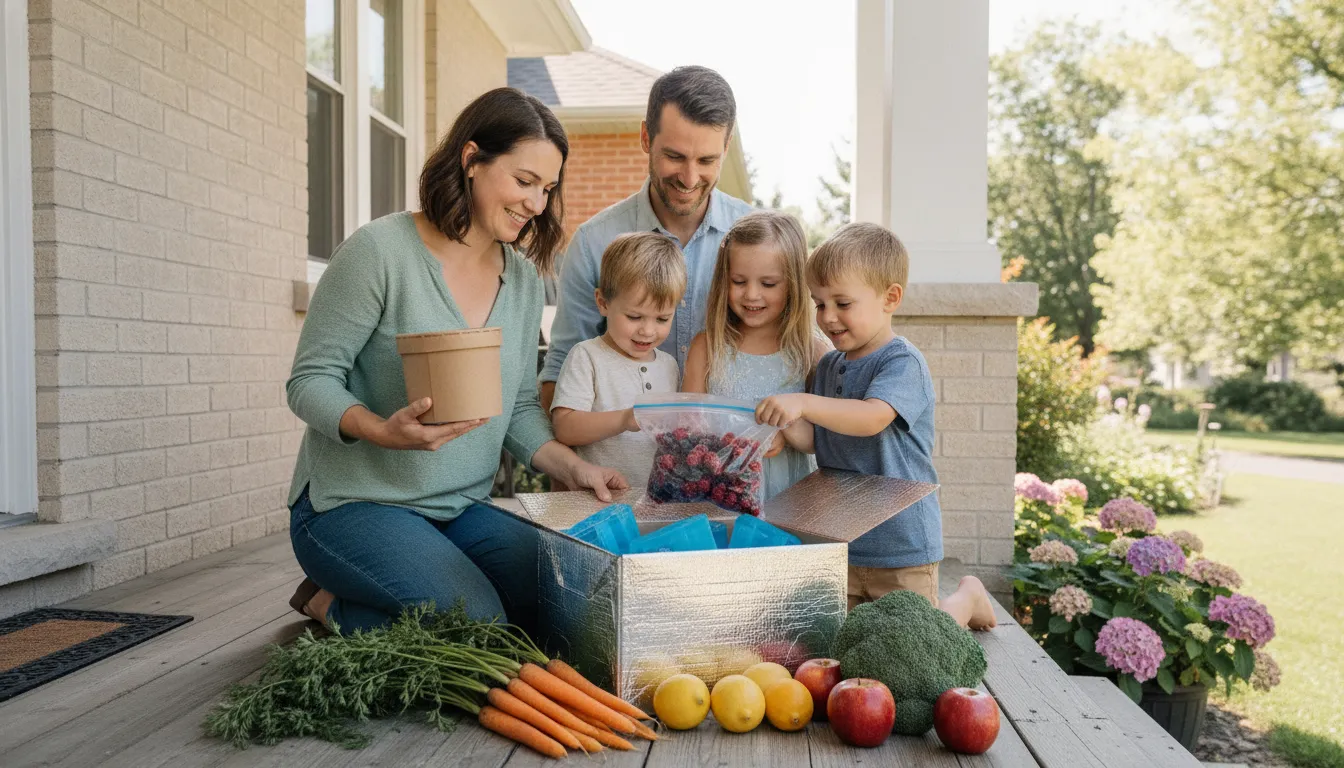
Ice Cream Delivery Service in Ontario: Frozen Favourites
An ice cream delivery service in Ontario keeps frozen treats cold with careful cold-chain handling, so you can add favourites to a regular grocery delivery.


Learning how to reduce food waste grocery shopping starts with a simple system: check what you have. Plan realistic meals, order only what you need, and store food where you can see it. Tre'dish supports that routine with customizable recurring grocery delivery that lets you change or skip orders as life changes.
Wasting food is a big problem for many homes. About 30 percent of good food in the U.S. is wasted. Most of this waste happens in our own kitchens. It costs homes money and hurts the planet. You can learn how to reduce food waste grocery shopping by using a few steps. Taking charge of your shopping is the best way to save money.
The first part of a smart plan happens before you go to the store. Most waste starts when we buy things we already have. Checking your pantry helps you avoid buying extra items. It also keeps your food fresh and prevents items from hiding in the back. A clear view of your kitchen makes it simple to stay on your budget.
A good routine stays flexible. Life changes, and your plans might change too. You may need to skip a meal or change an order. A flexible grocery model lets you change your cart before the window closes. This stops you from buying too much and keeps your kitchen clean. You get fresh food when you need it without any clutter.
Reducing waste is not just about the planet. It is also about keeping more money in your pocket. Smart shoppers often save about 25 percent by planning ahead. Using a direct model cuts out the costs of a normal store. This gives you better food for a lower price. Start your new plan today to save time and money while you help the earth.
Quick answer: Check your fridge, freezer, and pantry before making a list. Build meals around food you already own, then add only the missing ingredients in quantities your household will realistically use.
The best way to know how to reduce food waste grocery shopping is to look in your home first. Many people buy new food before they finish what is already in the kitchen. This leads to a lot of waste. The NIH says that about 30 percent of the food we produce is never eaten. Much of that waste happens at home. By checking your fridge before you shop, you can save money and keep good food out of the trash.
Before you make a list, spend five minutes looking at your shelves. Look for cans of beans, bags of rice, or pasta that you forgot about. You can build your meals around these items instead of buying more. This habit helps you use up what you own before it gets old. It also keeps your buying habits lean and simple.
Check your freezer for meat or frozen greens too. Frozen items stay good for a long time, but they can still get freezer burn if left too long. Plan to use one or two frozen items each week. This simple move keeps your stock fresh and ensures you only buy what you truly need for the next few days.
A good list is the spine of a smart shop. When you know what you have, you can write down only the things you lack. Be honest about how much your family eats in a week. Buying big bags of greens might seem smart, but if you only eat half, it is a waste of cash. A steady grocery delivery helps you stay on track by letting you adjust your order as your needs change.
Try to plan for five days of meals instead of seven. Most families have at least one or two nights of extra food or quick snacks. By planning for five days, you give yourself room for change. This prevents you from over-buying fresh items that might spoil before you can use them. Using proper storage habits also helps these items last longer.
Stores are built to make you buy things you did not plan for. Bright signs and end-cap deals tempt you to add extra items to your cart. These impulse buys are a major cause of food waste. When you shop with a strict list or use a set delivery service, you cut out these traps. You stay focused on your plan and avoid the stress of a crowded aisle.
If you see a great deal on a bulk item, ask yourself if you will use it all this week. If the answer is no, it is probably not a deal for you. True savings come from buying exactly what you will eat. This is how you can reduce food waste and keep your grocery bill low at the same time.
Quick answer: Put older food at the front, group similar items, label leftovers, and freeze extras before quality drops. Visibility and simple storage zones make it easier to use groceries in time.
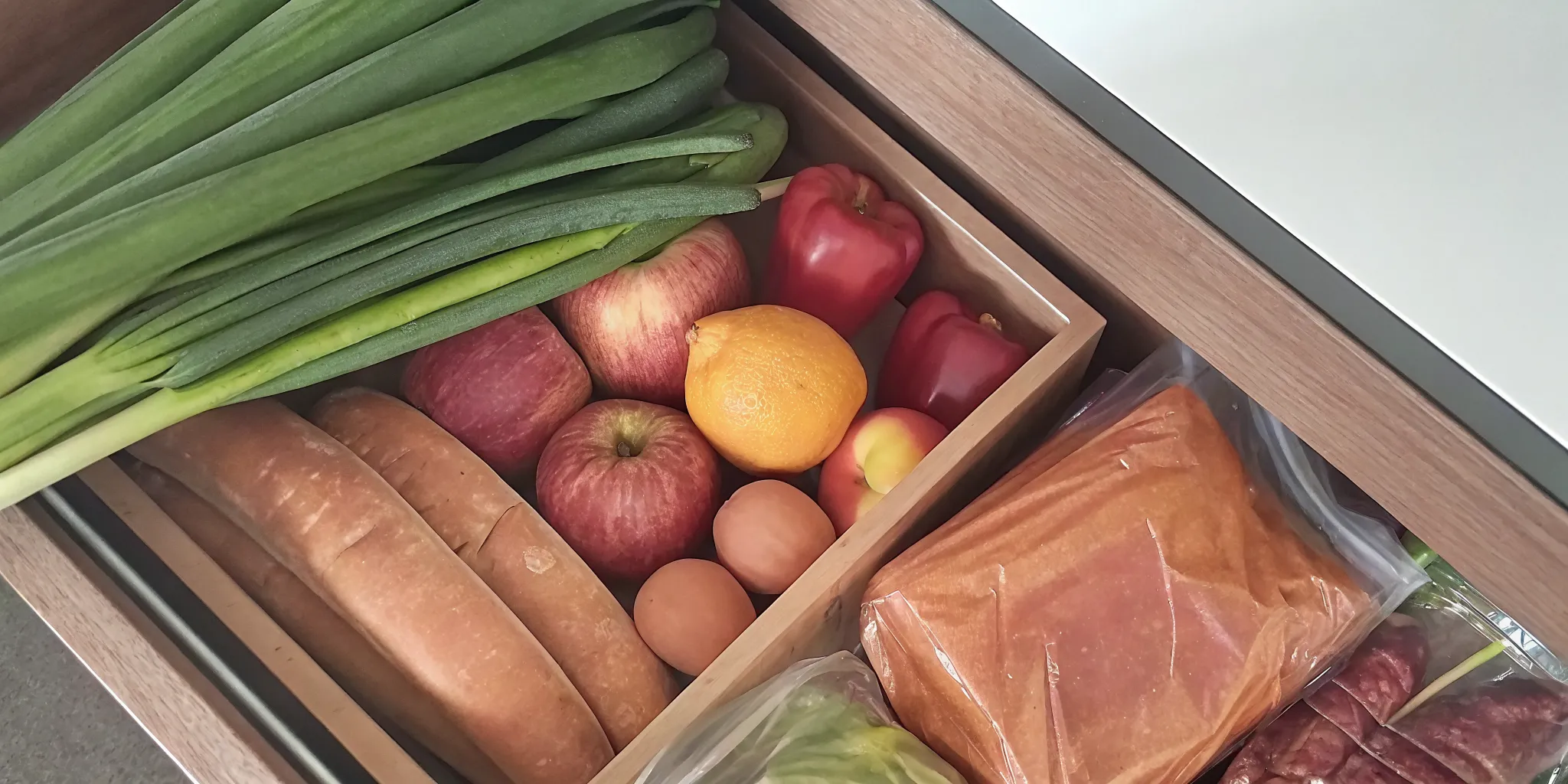
Buying the right food is only half the battle. Once your order arrives, how you store it decides if it feeds your family or ends up in the bin. Proper storage habits help you reduce food waste by keeping items fresh and easy to find. When you know what you have, you are less likely to buy things you do not need.
Research shows that food waste at home has a big impact on the planet and your wallet. In fact, about 30 percent of the food made for people to eat in the United States is wasted. Much of this waste happens right in our own kitchens. Learning a few simple tricks can help you save money and keep your food good for a longer time.
Start by opening your groceries as soon as they reach your door. This is key for items that need to stay cold. Put older items near the front of the fridge or shelf. Place newer items behind them. This "first-in, first-out" way of doing things helps you use older food before it goes bad.
You should also keep items where you can see them. Use clear bins for small snacks or loose produce. When food is hidden in the back of a drawer, it is easy to forget it is there. A clean fridge makes it easier to track what you need to eat next. This helps you avoid buying the same items twice during your next shopping trip.
Date labels can be hard to read, but they are a big part of how to reduce food waste grocery shopping. Many people throw away good food because they do not know the dates on the pack. Most dates are about quality, not safety. If a product looks and smells fine, it may still be good to eat past the "best by" date.
To stay on top of things, set up a "use me first" zone in your fridge. Use a small box or a specific shelf for items that will spoil soon. This could include open yogurt, loose greens, or food from last night. Tell everyone in the house that food in this zone should be eaten first. This simple shift in habits can save many meals from the trash.
If you have more food than you can eat, use your freezer. You can freeze almost anything, from bread and meat to fruit and herbs. Cut up fruit that is getting soft and save it for smoothies. Freeze extra bread so it does not get moldy on the counter. Label your frozen bags with the date so you know how long they have been there.
Some produce needs special care to stay crisp. Wrap leafy greens in a damp paper towel to keep them from wilting. Keep potatoes and onions in a cool, dark place, but keep them apart so they do not rot. Prepping your veggies as soon as you get them can also help. When food is washed and cut, you are more likely to use it in a quick meal.
Most food waste happens right in the kitchen. In the United States, about 30 percent of all edible food is never eaten. A large part of this waste occurs at the household level. When you know how to reduce food waste grocery shopping, you can save money and help the planet. Direct grocery delivery helps by making your shopping list more stable and steady.
Wasting food is costly. It also uses up natural resources like water and soil. When you buy food that spoils, you are throwing away your hard-earned cash. For example, if you buy ten items for ten dollars but only eat five, you have wasted five dollars. Many people do not see this cost because it happens slowly over time.
Normal grocery trips often lead to impulse buys. You might see a deal on a big bag of fruit and grab it without a plan. These extra items often spoil before you can use them in a meal. Direct delivery changes this by letting you build your cart over several days. You can see your total cost and each item before you pay. This helps you skip the snacks and treats you do not really need.
Planning your meals is much easier when you use a recurring service. You can set up a base list of items you use every week. This steady grocery delivery model keeps you from buying too much at once. It also ensures you always have the basics for your meals. When you buy only what you have planned to eat, less food ends up in the trash bin.
Your grocery needs change from week to week. Some weeks you may have a full fridge, while other weeks it is empty. A good delivery service gives you the freedom to change your order. You can skip a week if you are going away or just have too much food left over. You can also change your cart or stop your service at any time before the order window closes.
This freedom is key to keeping waste low. If you see your fruit bowl is still full, you can remove fruit from your next box. This stops you from adding fresh food on top of items that are still good. Using these tools helps you maintain proper storage habits by not overfilling your fridge or pantry. You only get what you will actually use.
| Shopping Method | Impulse Buys | Planning Tools | Freedom to Change | Waste Risk |
|---|---|---|---|---|
| Usual Store Trips | High risk from deals | Mostly manual lists | Hard to adjust mid-trip | Higher from over-buying |
| Direct Delivery | Low with cart control | Set on autopilot | Easy to skip or change | Lower with planned lists |
Direct delivery also helps reduce waste before the food even gets to your house. Normal stores must keep their shelves full to look good for shoppers. This leads to a lot of food being tossed out when it does not sell in time. A warehouse-based model is different. It only ships what people have already ordered. This demand-led supply means less food sits on a shelf waiting for a buyer.
The path from the farm to your door is much shorter. Products often arrive fresher because they spend less time in a retail store or on a truck. When food stays fresh longer in your home, you have more time to cook and eat it. This simple change can save a lot of money for your family each month. By choosing a leaner path, you help make the whole food system less wasteful for everyone.
Quick answer: Start with the staples your household reliably finishes, choose a practical weekly or bi-weekly rhythm, and review the basket before each delivery. Skip, remove, or add items whenever plans change.
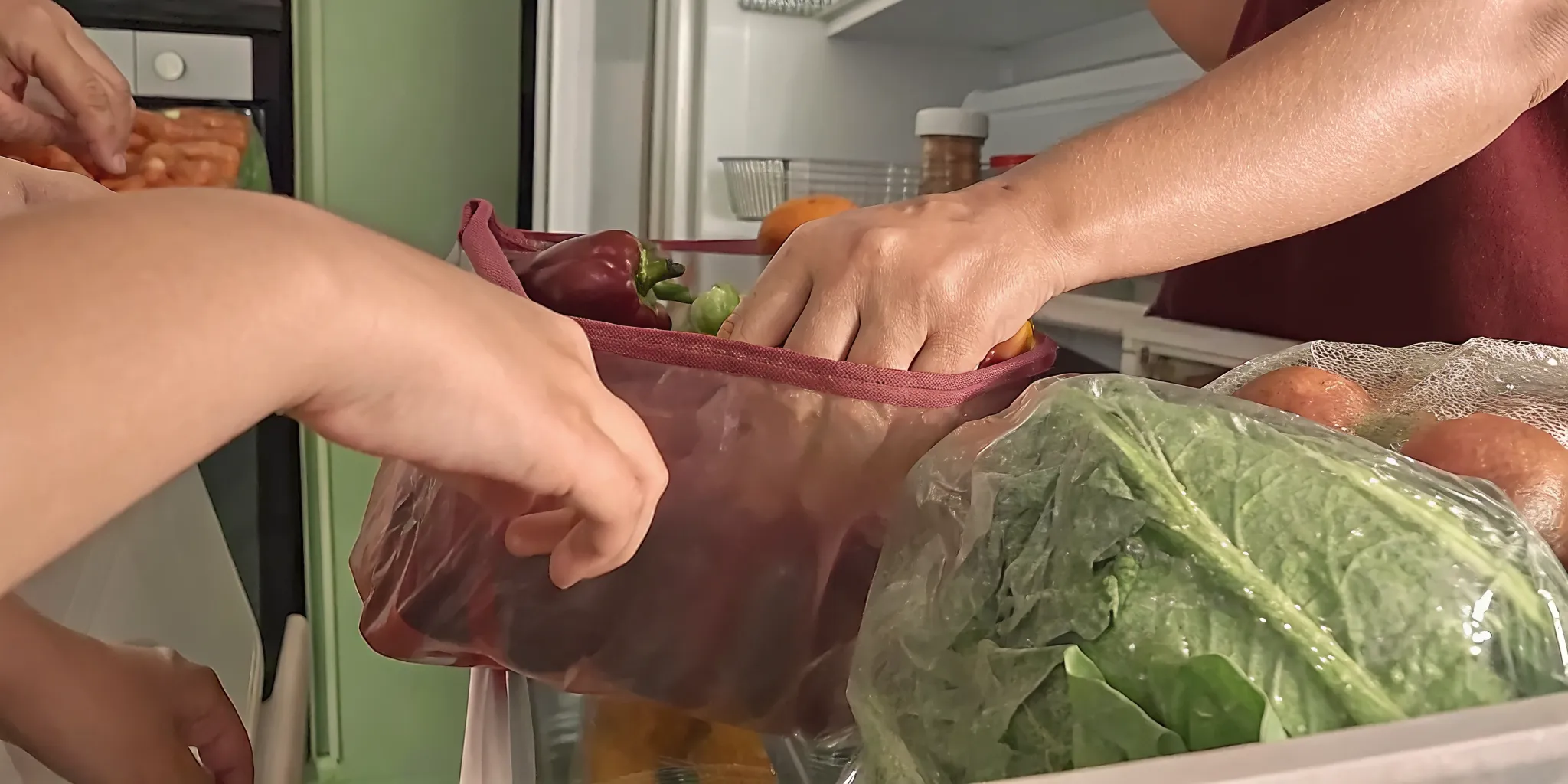
Planning helps you learn how to reduce food waste when you shop. With a plan, you buy only what you need. In the US, people waste about one pound of food per person every day. A repeat order helps you avoid this. It stops impulse buys and gives you food that matches your meal plan.
A good grocery habit starts with a steady timing. Many homes find that a weekly or bi-weekly schedule works best. This cycle keeps your kitchen stocked with fresh goods. It also helps you stay on top of what you have in the fridge. When you use predictable grocery delivery, you do not have to rush to the store. You know exactly when your food will arrive. This lets you plan your meals around your delivery day.
A steady rhythm makes it easier to track your food use. You will soon see which items you eat fast and which ones sit too long. Over time, you can change your list to match your life. This keeps your bins empty and your fridge full of food you love. It also saves you money by cutting out trips to the store that lead to impulse buys.
Real life is not always the same from week to week. You might go out for dinner or go away for a trip. Your grocery order should be able to change with you. A system that is easy to change lets you swap items before each delivery. You can add more greens for a healthy week or skip an order if you still have plenty of food. This level of control is key to a demand-led grocery supply that works for you.
Staying flexible helps you avoid the trap of "too much food." Here are a few ways to keep your order in check:
It is easy to buy food because it looks good or seems healthy. But if you do not like the taste, it will likely end up in the trash. The goal is to fill your cart with things your home will truly enjoy. Look at your past ordering habits to see what works. If your kids love apples but will not touch kale, change your order to show that. Buying what you eat is a simple but powerful way to stop waste.
Focusing on your needs saves money. You stop paying for food that spoils. Tre'dish shoppers can save about 25% on their bill compared to other stores. This smart style leads to better health and a better budget. It is a win for your home and the planet.
Reducing food waste at home is about more than just buying the right items. It takes a plan to use what you have before it goes bad. In the United States, about 30 percent of edible food is wasted. Much of this happens in our own kitchens. A solid routine helps you save money and make the most of your grocery budget.
One of the best ways to reduce food waste is to set a day each week to clear out your fridge. Look for items that are near their end, such as wilted greens or soft fruit. These "use-it-up" meals do not have to be fancy. A simple stir-fry or a large soup can handle many types of produce at once. This habit ensures that you eat what you bought before your next delivery arrives.
When you have a predictable grocery delivery, you can plan these meals around your drop-off day. For example, make your "fridge raid" the night before your new box of groceries comes. This keeps your shelves clear. It also stops older food from getting pushed to the back where it might be forgotten.
Strict recipes can lead to waste if you only need a small amount of an item. Instead, try to cook dishes that allow for easy swaps. Grain bowls, pasta bakes, and frittatas are great choices. They work with almost any vegetable or protein. If a recipe calls for kale but you have spinach, use the spinach. This flexibility is key to using every part of your grocery haul.
You can also find more help with proper storage habits to keep your food fresh for longer. Knowing which items should stay on the counter and which need to be chilled can buy you extra days to finish them. Small changes in how you store and use your food can lead to big savings over time.
Keep a close eye on your fresh items. Rotate them so the oldest food is always in front. If you see that you cannot finish something in time, use your freezer. Most fruits and vegetables can be blanched and frozen for later. You can use them in smoothies or cooked meals. Freezing portions is a smart way to stop waste. It also builds a stock of quick ingredients for busy nights.
Direct delivery helps you cut waste by letting you plan orders from your home inventory. Unlike store shopping, you can check your fridge while you build your cart. This prevents buying items you already have. Services like Tre'dish use a warehouse model that removes retail overhead and store shelf time. This direct path keeps food fresher for longer once it reaches your kitchen, so you have more time to eat it before it spoils.
Yes, planning is a key step to stop food loss. Research from the National Library of Medicine shows that about 30 percent of food in the U.S. is wasted, mostly at the household level. When you plan, you buy only what you need for specific meals. This habit keeps extra food out of the trash. It also saves money by ensuring you use every item in your basket before its quality starts to fade.
The 5-4-3-2-1 rule is a simple plan to limit over-buying. You pick five types of vegetables, four fruits, three proteins, two grains, and one treat. This method creates a balanced basket without too much excess. By using a set list, you avoid the urge to grab random items that often go bad. It works well with recurring delivery, as you can set these amounts to arrive on a schedule that fits your real eating habits.
To reduce waste, start by checking your pantry and making a strict list. Stick to your plan and avoid buying in bulk unless you have a clear use for the items. You can also use a subscription service to automate your core needs. This helps you skip the store aisles where marketing often leads to impulse buys. Most food waste happens when we buy more than we can eat, so buying just enough is the best way to save.
See how Tre'dish grocery delivery works
Every week you wait to change your habits is another week of wasted food and lost cash. Old food sits in the back of your fridge until it rots, and you lose money each time you throw away those soggy greens. It feels bad to toss out items you just bought a few days ago, but you can end this cycle right now with a simple choice. Setting up a new plan today means your next order will match what you really need and stay fresh for much longer. Learning proper storage habits helps, but a better plan is the best way to stop making last minute trips for things you do not need. Your home will have the right food at the right time.
Ready to start shopping? Start Shopping to book your first grocery order today.