Organic Grocery Delivery for Canadian Households
Compare organic grocery delivery options by sourcing, freshness, flexibility and value, then build a weekly order that fits your household.

For many of us in Canada, grocery shopping is about more than just filling the fridge; it’s a chance to support our local farmers and producers. But when you switch to delivery, it can feel like you lose that connection. How can you be sure you’re still getting fresh, high-quality Canadian products? Finding the best grocery delivery service means looking for one that values local sourcing as much as you do. It’s about finding a service that offers the convenience of delivery without forcing you to compromise on quality or your values. This article will guide you through the options available to Canadians, highlighting how to identify services that prioritize transparency, support local communities, and deliver incredible, fresh food you can feel good about.
Switching to grocery delivery is all about making your life easier, but not all services are created equal. To make sure you’re getting a service that truly saves you time, money, and stress, there are a few key things to evaluate. Before you commit to a service, look closely at these four factors to find the one that best fits your household’s needs.
This is the big one. The whole point of grocery shopping is to get delicious, fresh food, and a delivery service shouldn't change that. You want produce that looks like you picked it yourself and proteins you can trust. When you’re choosing a service, look for one that prioritizes sourcing high-quality ingredients. Some services are known for delivering very fresh ingredients by sourcing from local stores or directly from producers. Don’t be afraid to ask where the food comes from. A service that is transparent about its suppliers is usually a good sign that they are confident in their quality. After all, convenience means nothing if the food isn’t great.
No one likes surprise charges on their bill. A trustworthy grocery delivery service should be upfront about its costs. Unfortunately, some services have been known to charge more for items ordered online compared to their in-store prices. On top of potential markups, you also need to watch for hidden delivery fees, service charges, and driver tips that can quickly inflate your total. Look for a service with a clear pricing model. Whether it’s a flat subscription fee or a pay-per-order structure, you should be able to understand exactly what you’re paying for without needing a calculator and a magnifying glass.
A key benefit of grocery delivery is predictability. You’re planning meals and your week around that order, so it needs to show up when you expect it to. The best services provide a clear and reliable delivery window, so you aren't left waiting around all day. Some apps even offer real-time updates and photos to keep you in the loop. This level of delivery reliability is what separates a stressful experience from a seamless one. When your groceries arrive on a predictable schedule, you can truly put that part of your life on autopilot and focus on more important things.
Imagine planning a week of meals, only to find that half the ingredients you ordered are missing or incorrect. It’s frustrating and completely defeats the purpose of saving time. While mistakes can happen, a high rate of order accuracy should be the standard. You should expect to receive exactly what you added to your cart. Most top services have a good track record, ensuring that orders were correct for the most part. Before signing up, check reviews or ask other users about their experience with order accuracy. A dependable service will get it right consistently, making your weekly grocery run truly effortless.
When you start looking into grocery delivery, you’ll find a few big names pop up again and again. Each service has a slightly different approach, so it helps to know what makes them unique before you commit. To give you a lay of the land, publications like Fortune regularly review the best grocery delivery services and a few key players consistently stand out. Here’s a quick rundown of what each one offers.
Hungryroot Hungryroot is built around healthy eating and convenience. It provides a mix of prepared meals and what it calls "shoppable recipes." You can pick a recipe you like, and all the necessary ingredients are added to your cart automatically, which can make meal planning a little easier. There’s no membership fee, and delivery is free on orders over $70; otherwise, a $6.99 fee applies.
Instacart Think of Instacart as a personal shopping service. It partners with a huge network of local grocery stores, making it a popular choice if you want fresh produce and pantry staples delivered quickly. You don't need a membership to use it, but they offer an optional Instacart+ subscription for $9.99/month or $99/year, which gives you free delivery on orders over $10.
Amazon Fresh If you’re an Amazon Prime member, this service is designed to be a seamless experience. Amazon Fresh is integrated directly into your Prime account, making it a go-to for many, particularly for its selection of meat products. The service is included with a Prime subscription ($14.99/month or $139/year), or you can get grocery delivery on its own for $9.99/month.
Walmart+ Walmart+ is a comprehensive membership program that goes beyond just groceries. For members, it includes free grocery delivery on orders over $35, along with other benefits from the retail giant. The membership costs $12.95/month or $98/year, positioning it as a strong all-in-one option for regular Walmart shoppers.
If you're tired of the weekly grocery grind, Tredish offers a refreshing alternative. Instead of being another on-demand delivery app, Tredish is a subscription service designed to put your groceries on autopilot. It’s built for busy Canadian households that want to replace repeat grocery trips with a dependable weekly or bi-weekly delivery. The whole idea is to give you back your time while ensuring you get high-quality food at a fair price, without having to hunt for deals.
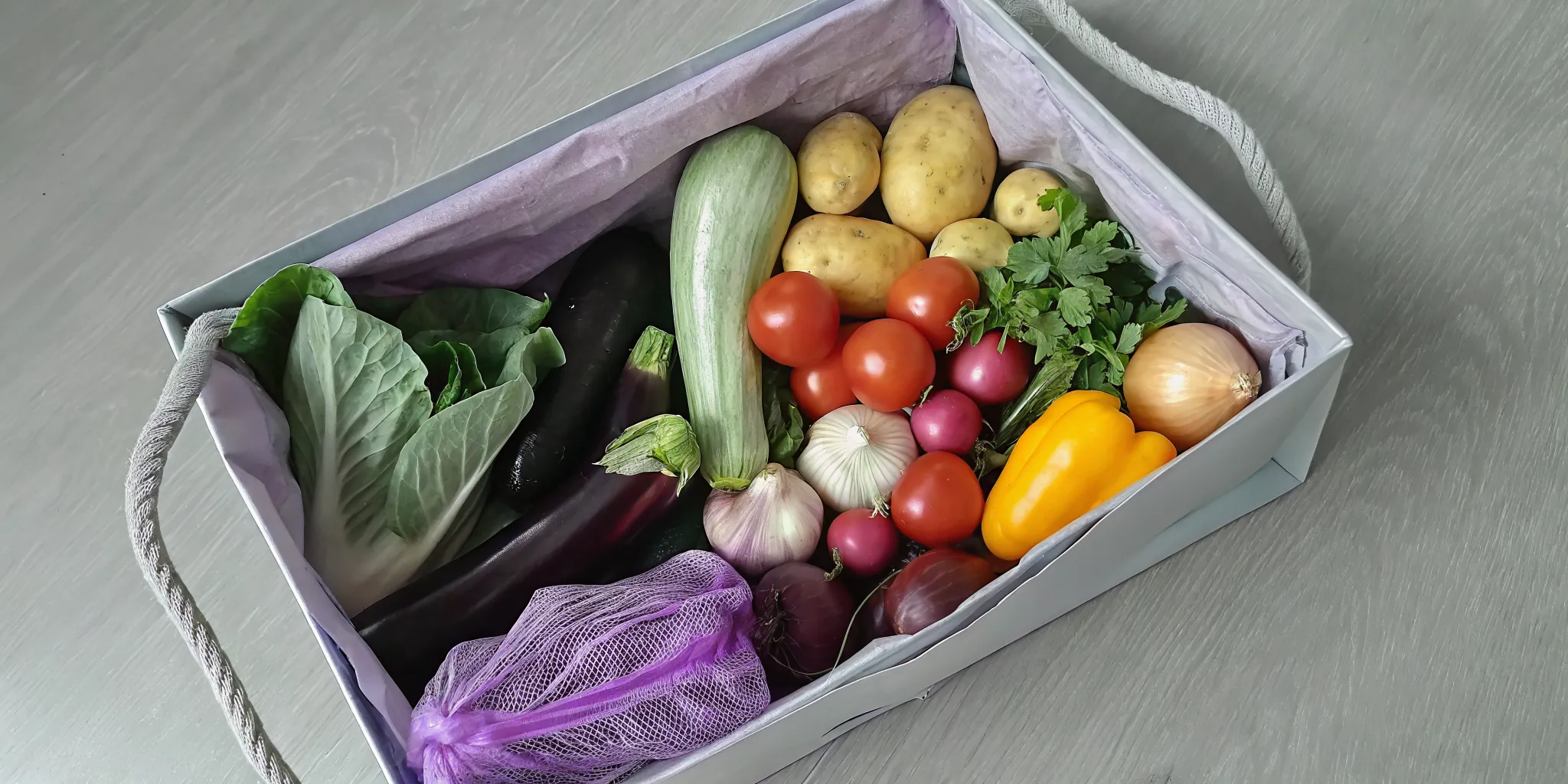
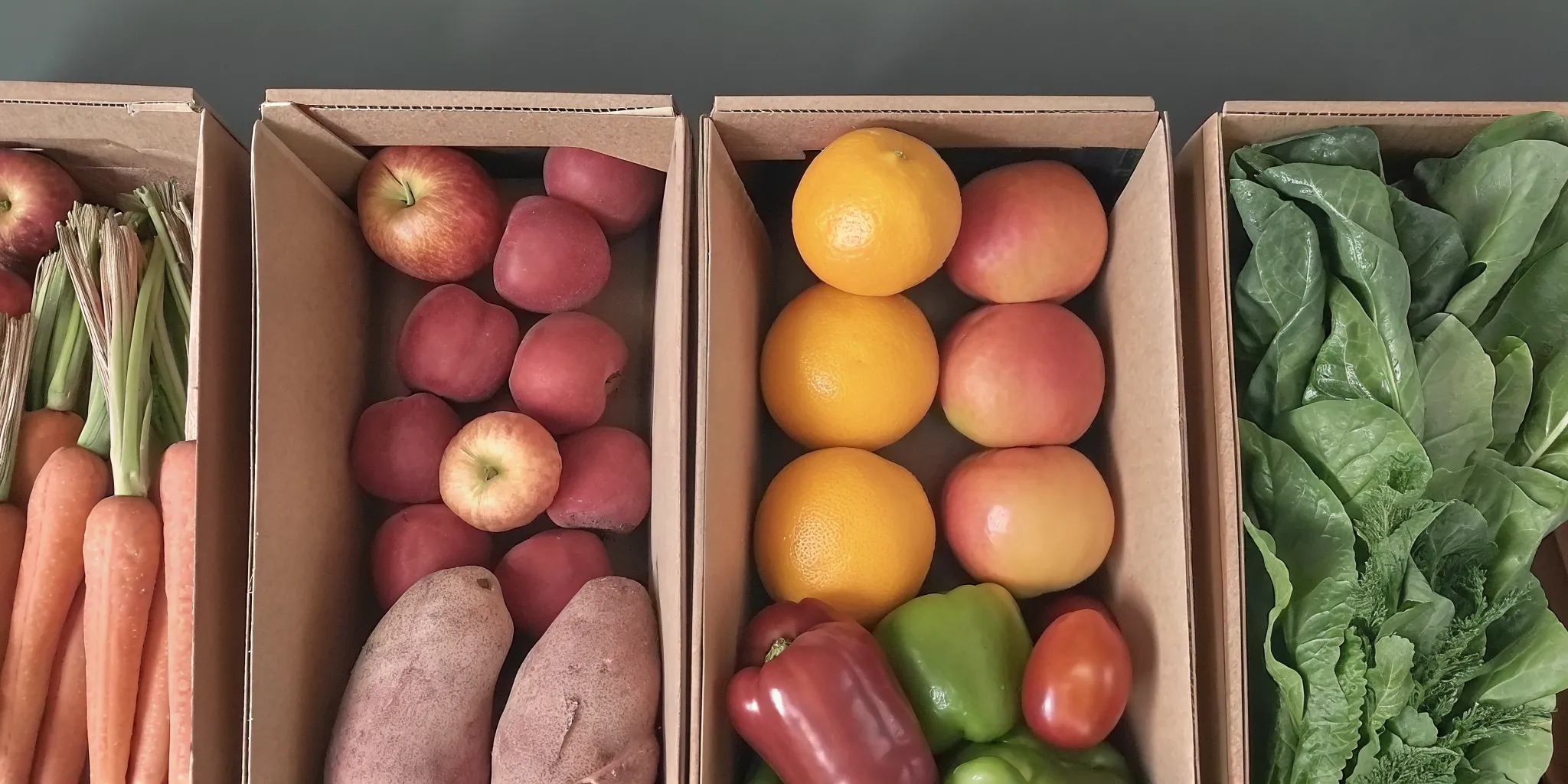
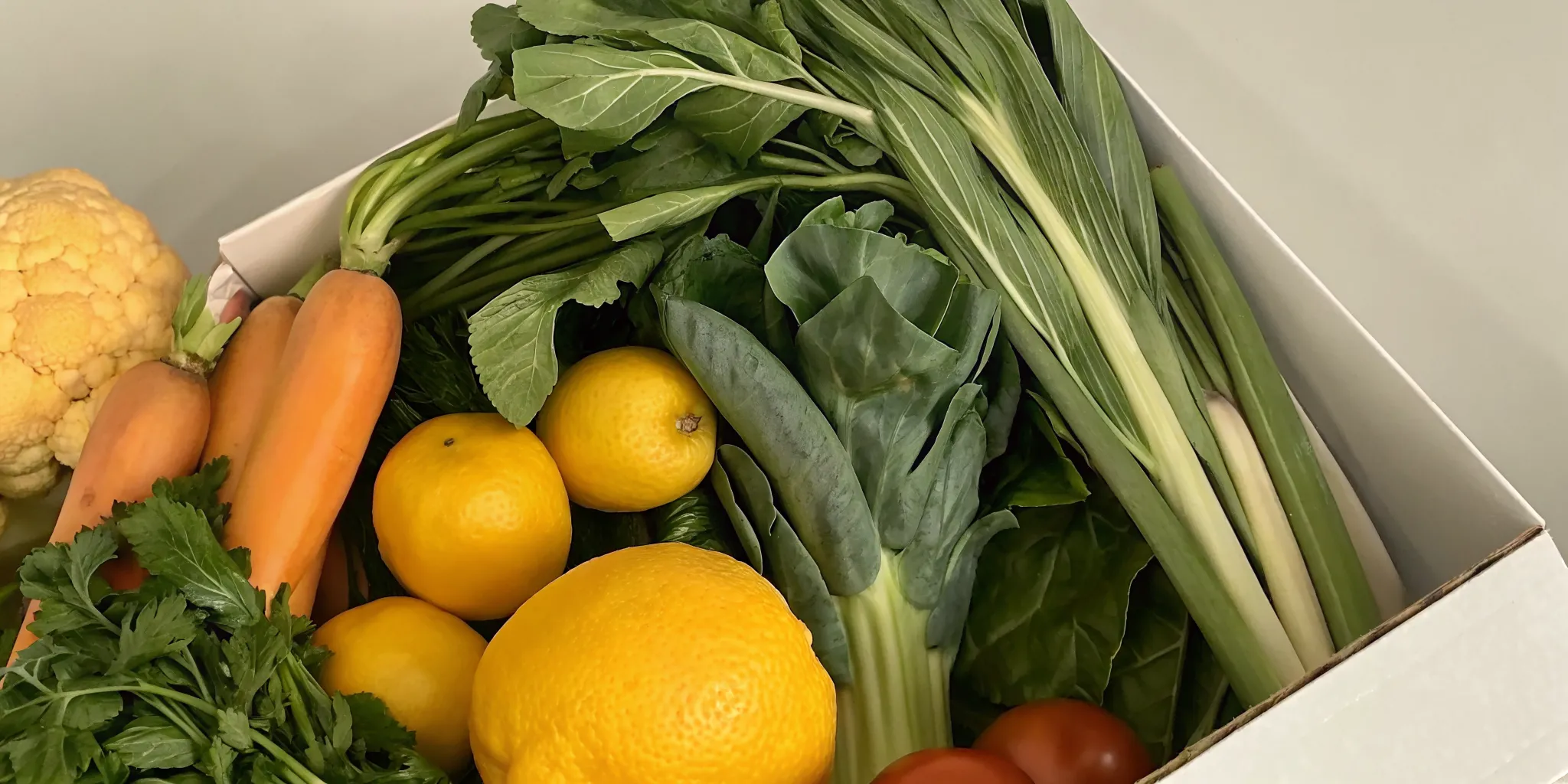
One of the best things about Tredish is its commitment to local sourcing. The service partners directly with Canadian farmers and producers to fill your box with fresh, high-quality food. This farm-to-doorstep approach means you get produce and proteins that are often fresher than what you’d find on a typical grocery store shelf. It’s a difference you can taste. Plus, it feels good knowing your grocery budget is supporting local communities and Canadian businesses. You can shop their selection of seasonal produce and quality meats, knowing exactly where your food comes from.
Tredish isn't a discount grocer, but it delivers serious value by cutting out the middlemen and retail markups. As you shop, their Transparent Pricing tool shows you how their prices stack up against major grocers in real-time. This transparency is a core part of their model, which helps customers save an average of 25% on their grocery bill. You aren't paying a premium for convenience. Instead, you’re getting fair, predictable pricing on high-quality food, which makes budgeting for your weekly essentials much simpler.
The service operates on a subscription model called Groceries+, which is the key to the whole "autopilot" experience. For a monthly or yearly fee, you get free delivery on all your orders over $30 and earn 1% cash back in loyalty points with every purchase. This structure encourages you to consolidate your shopping into one predictable, recurring order. You can set your delivery schedule for every week or every other week, adjust your order as needed, and trust that your essentials will show up at your door. You can create an account to see how the subscription can fit into your routine.
The world of grocery delivery is full of options, and each service is built to solve a different problem. While Tredish focuses on putting your weekly shop on autopilot with a curated subscription, other services act more like personal shoppers, grabbing what you need from various stores on demand. Understanding how the big players like Instacart, Amazon Fresh, and Walmart+ operate can help you see what kind of service fits your life best. They offer a different experience from a subscription that prioritizes predictable quality and savings. Let's look at how they compare on the things that matter most: selection, speed, quality, and cost.
If you love having endless aisles at your fingertips, services like Instacart are designed for you. Instacart partners with a huge number of local grocery stores, so you can get items from your favorite spots all in one order. Similarly, Amazon Fresh offers a massive inventory that includes fresh produce alongside other household goods. Walmart+ also provides a one-stop shop, letting you add both groceries and non-grocery items to your cart. These platforms are great when you need a wide variety of specific brands or want to browse different retailers from your couch, which is why they often top lists of the best grocery delivery services.
When you need groceries in a hurry, on-demand services are built for speed. Instacart is well-known for its quick turnarounds, often offering a two-hour delivery window and providing real-time updates as your order is shopped and delivered. Amazon Fresh and Walmart+ also compete on speed, with both offering delivery windows as short as one to two hours. This flexibility is perfect for those times when you've forgotten a key ingredient for dinner or your fridge is unexpectedly empty. These services excel at getting you what you need, right when you need it, catering to immediate shopping trips rather than planned weekly runs.
Ensuring your produce arrives fresh is a top priority for any grocery service. With Instacart, the quality of your items often depends on the store you choose and the individual shopper who picks your order. To help maintain freshness, Amazon Fresh delivers its groceries in insulated bags, which is especially helpful for keeping meat, dairy, and frozen foods at the right temperature during transit. Meanwhile, Walmart+ has earned high marks from customers for the freshness of its produce, making it a reliable option if top-quality fruits and vegetables are a must-have for your household.
Each service structures its pricing and access differently. Instacart is flexible, allowing you to place orders without a membership, though you’ll pay a delivery fee each time. For frequent users, its optional Instacart+ membership at $9.99 per month offers benefits like free delivery on qualifying orders. Access to Amazon Fresh is typically bundled with an Amazon Prime membership, which costs $14.99 per month. To get the most out of Walmart+, a membership is essential. It’s priced at $12.95 per month and unlocks key perks like free delivery.
Figuring out the true cost of a grocery delivery service can feel like solving a puzzle. The advertised price is rarely the final number on your bill, and the convenience you’re paying for can come with a confusing mix of fees, markups, and minimums. To make a smart choice that actually saves you time and money, you need to look past the marketing and understand exactly where your dollars are going. It’s not just about the membership fee; it’s about delivery charges, potential item markups, and other costs that can quietly inflate your grocery budget.
Think of it like this: you wouldn’t buy a car without knowing the total cost, and the same principle applies here. Getting clear on the full financial picture helps you find a service that aligns with your household budget and avoids any unwelcome surprises at checkout. Let’s break down the common costs you’ll encounter so you can compare your options with confidence and find a service that offers real, transparent value. After all, the goal is to make your life easier, not more expensive.
The most straightforward cost is the membership fee, which acts as your entry ticket to many popular services. Think of it as an annual or monthly pass that unlocks benefits like "free" delivery. For example, services like Instacart+ and Walmart+ typically run about $99 per year. An Amazon Prime membership, which includes Amazon Fresh, is a bit higher at $139 annually. While this fee can feel steep upfront, it might be worth it if you order frequently. The key is to honestly evaluate your shopping habits to see if the savings on individual delivery fees will outweigh the annual cost.
Here’s where things get a little more complex. That "free delivery" you get with a membership almost always comes with a condition: you have to meet a minimum order total. For some services, this might be as low as $35, while others require you to spend $100 or more to waive the delivery fee. If you don’t have a membership or your order is too small, you’ll pay a per-delivery charge, which often ranges from $4 to $12. These individual fees can add up fast, especially if you place small, frequent orders throughout the month instead of one consolidated weekly shop.
Beyond the obvious fees, there are other costs that can sneak onto your bill. Many third-party services add a "service fee," which is separate from the delivery fee and tip. This is often a percentage of your subtotal. You might also see extra charges for heavy items. And then there’s the tip, which is customary for the personal shoppers who fulfill your order. While optional, it’s an expected expense that you need to factor in. If you’re paying around $12 in various fees and tips per weekly order, that’s over $600 a year just for the convenience of delivery.
This is the biggest hidden cost of all and the one most people miss. Many grocery delivery platforms, especially third-party apps that shop from various stores, mark up the price of individual items. An item that costs $4.50 on the shelf might be listed as $5.25 in the app. These small increases can add 15% or more to your total grocery bill before any fees are even applied. Some retailers are open about this, stating that online prices may be higher than in-store prices. It’s a crucial detail to be aware of, as it directly impacts whether a service is truly providing good value.
Every grocery delivery service comes with its own set of strengths and weaknesses. What works perfectly for one person might not be the right fit for another. It really comes down to what you value most: speed, selection, price, or quality. Maybe you need groceries delivered in an hour for a last-minute dinner, or perhaps you prefer to plan ahead and have a predictable weekly delivery of high-quality essentials. Some services act like personal shoppers, grabbing items from your favorite local supermarket, while others operate from their own warehouses with a more curated inventory.
Understanding these differences is key to finding the service that genuinely makes your life easier. One service might offer unbeatable convenience with lightning-fast delivery, but the prices could be slightly higher than what you'd pay in-store. Another might provide incredible value and quality but requires you to plan your orders in advance. There's no single "best" option for everyone. It's all about matching the service's features to your household's needs and budget. Let's break down the pros and cons of the top contenders so you can see how they stack up and decide which one aligns with your shopping style and priorities.
Pros: Tredish is built for shoppers who want to put their weekly groceries on autopilot without compromising on quality. The biggest advantage is getting access to high-quality, often Canadian-sourced produce and proteins at prices that are, on average, 25% lower than typical grocery stores. The subscription model means your essentials arrive on a predictable schedule, saving you time and mental energy. Plus, you can shop for your groceries knowing you’re supporting local producers.
Cons: Because Tredish is a subscription service, it’s not designed for one-off or last-minute orders. If you enjoy browsing different stores or need an item in an hour, this model might feel restrictive. The selection is curated for quality and value, so you won’t find the endless aisles of a big-box store.
Pros: Instacart’s main draw is its convenience and speed. You can get items from a wide variety of local stores, from supermarkets to pharmacies, often within a couple of hours. The platform is straightforward, and you can even choose backup items in case your first choice is out of stock. It’s a great option if you need something quickly or want to shop from a specific retailer you already know and love.
Cons: That convenience can come at a cost. Prices on Instacart are often higher than in-store prices, and service fees can add up. The quality of your order can also depend on the individual shopper, and delicate items like produce or frozen goods might not always arrive in perfect condition.
Pros: If you’re already an Amazon Prime member, using Amazon Fresh is an easy transition. The service is known for its competitive pricing, which often matches or beats in-store prices. They use insulated packaging to help ensure your cold items stay fresh during transit, and the selection of both fresh groceries and pantry staples is quite large.
Cons: Availability for Amazon Fresh is still limited to certain major cities in Canada, so it may not be an option for you. To get free delivery, you often need to meet a fairly high order minimum, which can be a challenge if you’re just doing a small top-up shop. Delivery windows can also be less flexible than some other services.
Pros: Walmart+ offers a membership that bundles free grocery delivery with other perks. A huge plus is that the prices you see online are the same as the prices in the store, so you don’t have to worry about markups. They offer a wide selection of items, and many users report that the quality of fresh produce is consistently good, making it a reliable choice for your weekly Walmart grocery order.
Cons: To get the most value, you need to commit to a membership. While standard delivery might be free for members, express delivery for faster service comes with an extra fee. Like other services, there can be delivery fees for smaller orders that don't meet the minimum threshold, even with a membership.
This is the big question, isn't it? With so many delivery options out there, it can be tough to decide if committing to a subscription is the right move for your wallet and your schedule. The honest answer is that it depends entirely on your household's shopping habits. For some, a subscription is a total game-changer that saves both time and money. For others, the flexibility of ordering on-demand is a better fit. Let's break down when a subscription makes sense and when you might be better off sticking with pay-per-order.
If you find yourself ordering groceries for delivery every week, a subscription is almost always the smarter financial choice. Those individual delivery fees, which often run from $12 to $15, add up much faster than you'd think. Over a year, you could easily spend over $600 on fees alone. A subscription service like Tredish rolls that cost into one predictable fee, putting your grocery shopping on autopilot. You get the convenience of regular deliveries without the surprise of per-order charges, making it much easier to budget for the month and stick to your financial goals.
If you only need groceries delivered once in a while, or if your schedule is too unpredictable for a regular delivery, a pay-per-order service might be more your speed. Subscriptions are designed for consistency, so they may not be the best fit if you only need a few items in a pinch. It's also worth noting that some on-demand services mark up the prices of individual items, so you might pay a hidden premium for that flexibility. If your main goal is to replace your routine weekly grocery run with a dependable, high-quality delivery, a subscription is the way to go. But for the occasional stock-up, paying per order can make more sense.
Choosing the right grocery delivery service comes down to what you value most. Is it getting groceries delivered in a flash, finding the absolute lowest price on every item, or supporting local producers? Each service is built to solve a different problem. By understanding your own priorities, you can find the one that fits seamlessly into your life, saving you time, money, or mental energy. Let’s break down the options based on three common goals, so you can find the perfect match for your household.
If your week is a whirlwind of school runs, work deadlines, and family commitments, you need a service you can count on. On-demand platforms like Instacart are great for last-minute needs, offering quick delivery within a two-hour window. But if you want to take grocery planning off your plate entirely, a subscription model is your best friend. With Tredish, you can put your groceries on autopilot. You set a recurring schedule for your weekly staples, like fresh produce and proteins, and trust that quality items will arrive on time, every time. It’s a set-it-and-forget-it approach that gives you back your weekends.
When you’re focused on value, the sticker price is only part of the equation. A great way to compare costs is to build a sample cart with five or six of your go-to items on each app. You might find that a service with lower item prices ends up costing more once you add delivery fees, service charges, and driver tips. Tredish simplifies this by offering transparent pricing that’s about 25% less than typical grocery stores on average. Because we work directly with producers, we cut out the retail markups, giving you consistent savings without the need to hunt for deals or worry about hidden fees.
Making a conscious choice to support Canadian producers is a powerful way to shop. While many services offer a wide selection, it can be difficult to know where your food is actually coming from. Some platforms focus on specific diets but may have a limited overall selection. At Tredish, sourcing from Canadian farms and producers is at the heart of what we do. We partner with local suppliers to bring you fresh, high-quality groceries you can feel good about. When you shop with us, you’re not just feeding your family; you’re investing in our country’s food community.
Choosing the right service is a great first step, but how you use it makes all the difference. No matter which platform you land on, a few smart habits can help you get the most value from every order. Think of it like bringing your savvy in-store shopping skills online. These strategies work with nearly any service and put you in control of your grocery budget, helping you save time and money without sacrificing quality. From taking advantage of introductory deals to creating a predictable routine, here are a few simple ways to make your grocery delivery service work harder for you.
One of the easiest ways to save is by looking for new customer promotions. Most grocery delivery services offer a special deal to get you to try them out, like free delivery or a discount on your first purchase. This is a fantastic, low-risk way to see if a service fits your needs before you commit. For example, Tredish welcomes new members with a free premium product in their first order, giving you a little something extra for giving them a try. These offers let you test the food quality, delivery experience, and overall convenience, so you can make an informed decision.
If you’re ordering groceries weekly, those individual delivery fees can add up fast. This is where a subscription model can be a real money-saver. Take a moment to do the math: if the annual or monthly subscription fee is less than what you’d pay in per-order charges over the same period, it’s a clear win. Some services, like Tredish, build even more value into their model. A grocery subscription doesn't just waive delivery fees; it also provides consistent savings on the food itself, giving you a predictable bill and better value on every item in your cart.
Consolidating your shopping into one recurring weekly order is a game-changer for both your budget and your schedule. It helps you stick to a list, avoid impulse buys, and cut down on last-minute trips to the store for forgotten items. When you put your groceries on autopilot, you reduce decision fatigue and free up mental space for more important things. This approach also makes it easier to meet the minimum spend for free delivery. By creating a predictable routine, you ensure your kitchen is always stocked with essentials, which simplifies meal planning and keeps your week running smoothly.
How is a subscription service different from an on-demand app like Instacart? Think of it this way: on-demand apps act like personal shoppers who go to existing grocery stores for you, which is great for speed and variety. A subscription service, like Tredish, is designed to replace your routine weekly shop with a predictable delivery of high-quality essentials. It puts the recurring parts of your grocery list on autopilot, saving you the mental energy of planning a trip every week.
Will I really save money with a subscription, or are there hidden fees? It’s smart to be skeptical about costs. With many on-demand apps, you often pay item markups plus delivery and service fees on every order. A subscription model can save you money in two ways: first, by waiving those per-order fees, and second, by offering lower prices on the food itself. Services that partner directly with producers can cut out retail overhead, passing those savings on to you with more transparent pricing.
I'm particular about my produce. How can I be sure the quality will be good? This is a completely valid concern, as convenience means nothing if the food isn't fresh. The key is to look for a service that makes quality its main focus. While the freshness from a personal shopping app can depend on the store and the individual shopper, a service that sources directly from farmers and producers has more control over its supply chain. This often means you get produce and proteins that are even fresher than what you might find in a big grocery store.
What if I don't need the same things every week? Is a subscription still a good fit? A subscription doesn't mean you're locked into the exact same order forever. Most modern services are built for flexibility. The "autopilot" aspect is about having a reliable, recurring delivery slot, but you can almost always adjust the items in your cart before each order, skip a week when you're away, or pause your plan. It gives you the structure of a routine without the rigidity.
Why does it matter if a service sources from Canadian producers? Choosing a service that supports Canadian producers has a few great benefits. First, it often means your food is fresher because it has a shorter distance to travel from the farm to your door. It also means your grocery budget is helping to support local farmers and strengthen our country's food community. It’s a simple way to get high-quality ingredients while also making a positive impact.