How to Get Fresh Farm Dairy Delivered to Your Doorstep
Find out how to get fresh farm dairy delivered to your doorstep and enjoy high-quality milk, cheese, and more from trusted local Canadian producers.

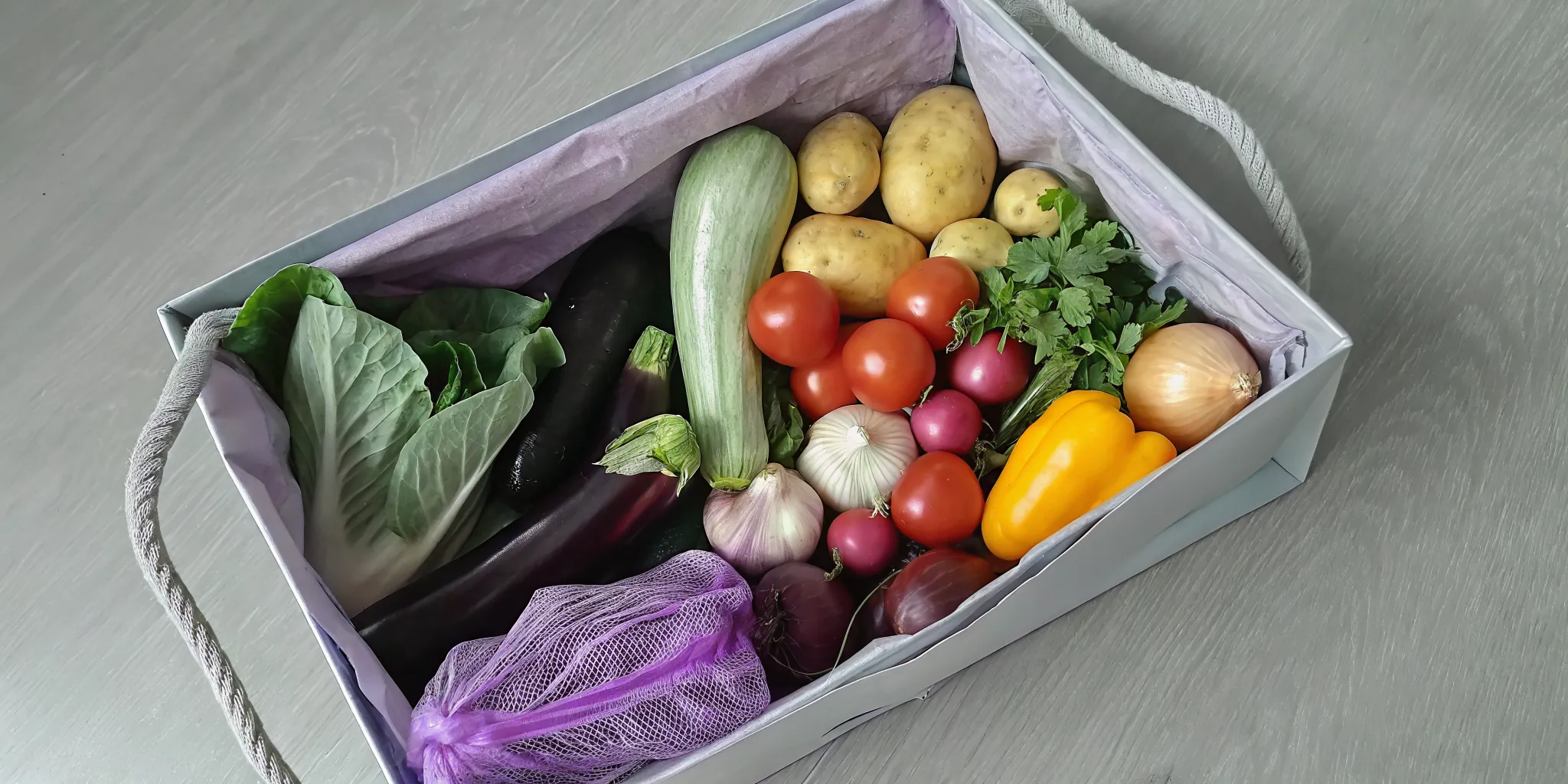
If you ever feel like you’re stuck in a cooking rut, making the same handful of meals week after week, a CSA could be the perfect way to shake things up. The magic of this model is the element of surprise and discovery. Each week, you receive a curated box of what’s fresh and in-season from a local farm, often including unique vegetables you’d never find at the grocery store. A csa produce box is more than just a grocery delivery; it’s a weekly invitation to get creative in the kitchen, try new recipes, and taste produce at its absolute peak of flavour.
Have you ever wondered where your food really comes from? A CSA box is one of the most direct ways to find out. It’s a subscription model that connects you straight to a local farm, bringing the freshest seasonal produce right to your kitchen. Think of it as becoming a partner with a farmer for the growing season. This approach is all about building a stronger, more transparent food system, one delicious box of veggies at a time. It’s a fantastic way to support Canadian agriculture and rediscover what truly fresh food tastes like.
CSA stands for Community Supported Agriculture, and the name says it all. It’s a model built on mutual support between a farm and its community. Here’s the simple breakdown: at the beginning of the growing season, you pay a local farm an upfront fee for a "share" of the upcoming harvest. This early payment gives farmers the capital they need for seeds, equipment, and supplies without having to take out loans. In return for your investment, you receive a weekly or bi-weekly box filled with whatever the farm is harvesting. It’s a simple, powerful exchange that forms the foundation of many local food systems.
Joining a CSA is about more than just getting vegetables; it’s about building a relationship with the people who grow your food. This model guarantees that farmers have a stable market for their crops, allowing them to focus on sustainable growing practices. For you, it means getting incredibly fresh produce directly from the source, often picked just a day or two before it lands on your doorstep. You get to taste the difference that local, seasonal eating makes while knowing your money is directly supporting a family farm in your community. It’s a transparent system where you can trust the quality and care that goes into every item in your box.
One of the most exciting parts of joining a CSA is the weekly surprise of opening your box. While the contents change with the seasons, you can generally expect a curated mix of fresh, locally grown items. Think of it as a direct pipeline from the farm's harvest to your kitchen. The exact items will vary from farm to farm and week to week, but most boxes follow a similar pattern, balancing familiar staples with exciting new discoveries.
This model is quite different from a customizable grocery service where you choose every item. With a CSA, you’re putting your trust in the farmer to provide the best of what’s available. This means you get to experience produce at its absolute peak of freshness and flavour. Let’s take a closer look at what you can typically expect to find inside.
The core of any CSA box is a diverse array of seasonal fruits and vegetables. Farmers put a lot of thought into their crop planning to ensure you get a good variety throughout the entire growing season. As the Vegan Family Kitchen blog explains, "When CSA farmers plan for their year, they make sure to include a diversity of crops so that there is something to fill the boxes every week." This means your box in early spring might feature asparagus and rhubarb, while a late summer box could be overflowing with tomatoes, corn, and zucchini. This rotation not only keeps your meals interesting but also connects you directly to the rhythm of the seasons in Canada.
Get ready to expand your culinary horizons. CSA boxes are famous for including unique or heirloom vegetable varieties that you’d be hard-pressed to find in a typical grocery store. Have you ever cooked with garlic scapes, kohlrabi, or purple carrots? A CSA gives you the chance to experiment with these special items. Of course, you’ll still get plenty of familiar staples. One farm notes that a typical box might include "potatoes, carrots, onions, apples and something green like Mesclun mix, Spinach or Microgreens." It’s this mix of everyday essentials and unique treasures that makes each delivery an adventure for your taste buds.
A great CSA box often goes beyond just fruits and vegetables. Many farms will tuck in bunches of fresh herbs like basil, dill, or cilantro, which can instantly brighten any dish. Depending on the farm's offerings, you might also find other specialties. Some programs include items like "vibrant vegetables to fresh fruits, microgreens, herbs, and pantry staples." Imagine receiving farm-fresh eggs, a jar of honey, or even freshly baked bread alongside your produce. These special touches add incredible value and give you a more complete taste of what the farm has to offer, similar to the high-quality Canadian-made groceries you can find from local producers.
Thinking about signing up for a CSA is exciting, but let's talk about the bottom line: the cost. The price of a CSA box can vary quite a bit, but understanding the factors that influence it will help you find the perfect fit for your budget and your kitchen. It’s not just about buying vegetables; it’s an investment in fresh, locally grown food that connects you directly to the source. When you join a CSA, you're paying for a "share" of the farm's harvest for the season. This means you get a portion of whatever the farm produces, which is a pretty cool way to eat seasonally and support your local food system. The cost reflects the farmer's hard work, from planting seeds to harvesting your produce, ensuring you get the best quality possible.
On average, you can expect a CSA box to cost around $40 per week. However, this number can shift depending on a few key things. The farm's location, the size of the box you choose (often small, medium, or large), and the variety of produce included all play a role. Many farms offer different CSA options to suit everyone from single-person households to large families. Think of it less like a fixed price and more like a flexible plan you can tailor to your needs, ensuring you get the right amount of fresh produce without overspending.
Most CSA programs run on a subscription model, which makes planning and budgeting much easier. You typically have the choice to pay for the entire season upfront (sometimes at a slight discount) or pay on a weekly or bi-weekly basis. This structure gives farmers financial stability and gives you a predictable grocery expense. One of the best parts is the flexibility. If you’re heading out of town for a week, many programs let you pause your delivery so you don't pay for a box you can't use. This kind of subscription management puts you in control of your grocery schedule.
This is the big question for any smart shopper. In many cases, yes, a CSA box can offer better value than buying the same quality of organic, local produce from a grocery store. You’re often getting more for your money because you’re cutting out the middleman. However, the real value depends on you. If you’re not used to cooking with seasonal vegetables, there’s a risk of food waste if you don’t use everything in your box. For those who want predictable savings on high-quality groceries they know their family will love, a grocery subscription service can put your weekly shop on autopilot, combining convenience with clear value.
Joining a CSA program is more than just a convenient way to get your vegetables. It’s a choice that can reshape your relationship with food, connect you to your community, and bring a little adventure to your kitchen. By subscribing to a share from a local farm, you’re not just buying groceries; you’re participating in a food system that values freshness, sustainability, and direct support for Canadian growers. If you're curious about the benefits of getting your produce straight from the source, here are a few of the biggest reasons people fall in love with their weekly CSA box.
When you join a CSA, you're making a direct investment in a local farm. Your subscription provides farmers with the financial security they need to plan for the growing season, purchase seeds, and manage their harvest. It’s a partnership that cuts out the middleman, ensuring more of your money goes directly to the people growing your food. This model helps build a more resilient local food system and keeps small-scale Canadian farms thriving. By committing to a share, you become a vital part of the farm's success for the season, creating a tangible connection between your table and the land.
Have you ever noticed how much better a tomato tastes when it’s picked straight from the garden? That’s the experience a CSA delivers every week. The produce in your box is often harvested just a day or two before it reaches your kitchen, which is a world away from produce that travels for weeks to reach a grocery store shelf. This incredible freshness means your fruits and vegetables are at their peak in both flavour and nutritional value. It’s a simple way to get higher-quality groceries that taste amazing, simply because they haven't spent unnecessary time in transit or sitting in storage.
Choosing a CSA is also a vote for a healthier planet. Because the food travels a much shorter distance from the farm to your table, you significantly reduce your "food miles" and the carbon footprint associated with your groceries. Many CSA farmers also use sustainable and regenerative farming practices that protect the soil, conserve water, and promote biodiversity. By shortening the supply chain, you’re participating in a more environmentally friendly way of eating that benefits both you and the local ecosystem. It’s a small change in your shopping habits that contributes to a big positive impact.
If you ever feel like you’re stuck in a cooking rut, a CSA box is the perfect way to shake things up. Farmers often include a wide variety of crops to ensure there’s always something to fill the boxes, which means you’ll likely encounter vegetables you’ve never tried before, like kohlrabi, garlic scapes, or purple carrots. This encourages you to get creative in the kitchen and expand your culinary horizons. Most programs even include newsletters with recipes and cooking tips to help you make the most of your weekly haul, turning unfamiliar produce into your next favourite meal.
Joining a CSA can be a wonderful experience, but it’s smart to go in with your eyes wide open. Like any commitment, it has its challenges, and it’s not the right fit for every household. Understanding the potential drawbacks can help you decide if the CSA model truly aligns with your lifestyle, budget, and how you like to cook and eat. Let's get into some of the common hurdles you might encounter so you can make the best choice for your family.
The surprise of a CSA box is part of its charm, but it can also be its biggest challenge. You don’t get to pick and choose what you receive; you get what’s ripe for harvesting that week. If your family has picky eaters or you’re a dedicated meal planner who needs specific ingredients, this lack of control can be frustrating. You might find yourself with a mountain of kale when you were hoping for carrots. Plus, you’re entirely dependent on the farm's growing season and success. A difficult season for tomatoes means you might not see many in your box, which can be a real letdown.
That beautiful box of farm-fresh produce can quickly become a source of guilt if you don't use it all. Many CSA boxes include less common vegetables like kohlrabi, celeriac, or garlic scapes. While it's a great way to try new things, it also requires you to find recipes and make time to cook them. As one writer at Vegan Family Kitchen points out, the biggest risk is "filling the fridge with amazing...produce on Wednesday, only to toss half of it into the compost bin on the following Tuesday." If you’re short on time, those good intentions can easily lead to food waste.
Joining a CSA is a true commitment, both in terms of time and money. Most programs require you to pay for the entire season upfront, which can be a significant financial investment. This model helps farmers secure their income, but it offers little flexibility for you. If you go on vacation, you’ll likely have to find a friend to pick up your share or forfeit it entirely. There’s usually no "pause" button. This rigid structure can be a dealbreaker for busy families whose schedules can change at a moment's notice, unlike more modern grocery subscriptions that offer more control.
If you love the idea of a CSA but want more flexibility over what goes in your box, it's worth seeing how Tre'dish's produce delivery works, you pick from 2,000+ products, set your own schedule, and pay no subscription fees.
Finding the right CSA program is a bit like dating. You want to find a farm that shares your values, fits your lifestyle, and, of course, delivers the goods. A little research upfront can make all the difference between a frustrating experience and a season full of delicious, farm-fresh produce. When you find the right match, it’s a fantastic way to eat well while supporting your local food system. Let’s walk through how to find the perfect fit for you and your family.
Your search for the perfect CSA starts close to home. Begin by looking for farms in your area using online resources. A great starting point is a Canadian farm directory that lets you search by province to see what’s available nearby. You can also check with your local farmers' market, as many vendors there also run CSA programs. Once you have a shortlist, spend some time on each farm’s website and social media pages. This will give you a feel for their growing practices, their community, and how they communicate with members. A farm that prioritizes clear and engaging communication is often a sign of a well-run program.
Before you sign up, it’s important to ask a few key questions to make sure the program aligns with your household's needs. The biggest potential downside of a CSA is food waste, so you want to be realistic about what you can use. Start by asking about share size and flexibility. Do they offer different sizes for singles, couples, or families? Can you pause your share if you go on vacation? Also, find out about the pickup or delivery logistics. Is the location convenient and is the schedule something you can stick to? Finally, ask about the types of produce they typically grow. If your family has picky eaters, a program that offers some level of customization might be a better fit.
Once you’ve narrowed it down to a few promising farms, it’s time to compare them. Look at what makes each one unique. Some farms now offer customizable shares that give you more control over what you receive each week, which can be a huge plus. Don’t hesitate to ask about the farm’s history, either. A farm with a long, reliable track record is more likely to provide a consistent supply of produce throughout the season. Search for reviews or testimonials from past and current members on local community forums or social media groups. Hearing about others' experiences can provide valuable insight and help you make a confident decision that you’ll be happy with all season long.
Getting your first CSA box is exciting, but it can also feel a little overwhelming. What do you do with all that kohlrabi? Don't worry. With a few simple habits, you can reduce food waste, save money, and enjoy every last bite of your farm-fresh haul. Think of your CSA box as a fun, weekly challenge that connects you directly to local Canadian farms and fills your fridge with the best seasonal produce. Here’s how to become a CSA pro and make the most of your subscription.
The key to success with a CSA is to flip your meal planning script. Instead of deciding on recipes and then buying ingredients, let the contents of your box guide your menu. When your box arrives, take a quick inventory of what you have. Farmers plan their crops to ensure a good variety each week, so you’ll always have a diverse mix to work with. Group items by how quickly they need to be used (leafy greens first, root vegetables later) and sketch out a few meal ideas. A quick search on a recipe website using your main vegetable as the keyword can give you all the inspiration you need for the week ahead.
Proper storage is your best friend for extending the life of your produce and preventing waste. Many vegetables last longer with a little TLC. For leafy greens and herbs, wrap them loosely in a plastic bag with a paper towel inside before putting them in the fridge; the paper towel absorbs excess moisture. If your greens look a bit sad or wilted, you can often revive them by soaking them in a bowl of cold water for an hour. For a complete rundown, check out a comprehensive produce storage guide to learn the best way to store everything from asparagus to zucchini, ensuring you get to enjoy every item in your box.
One of the best parts of a CSA is discovering vegetables you might not normally buy. If you get something unfamiliar, don’t be intimidated. Think of it as a culinary adventure! A great starting point for almost any vegetable is to chop it up, toss it with olive oil, salt, and pepper, and roast it at 400°F until tender and slightly browned. This simple method brings out the natural sweetness in vegetables like beets, turnips, and squash. You can also find countless resources online to help you identify and cook any mystery produce. It’s a fantastic way to expand your palate and add new favorites to your cooking routine.
What if I get a vegetable I really don't like? This is a common concern, and it's part of the CSA adventure. Many programs have a "swap box" at the pickup location where you can trade an item you're not fond of for something someone else left. If that's not an option, consider it a chance to get creative. Roasting almost any vegetable with olive oil and salt is a great starting point. You could also ask a friend or neighbor if they'd like to trade with you.
Is a CSA box actually cheaper than shopping at the grocery store? It can be, but it's not a simple yes or no. You often get a larger volume of high-quality, local produce for your money compared to buying the same items at a specialty store. However, the real value depends on whether you use everything in the box. If you find yourself composting a lot of produce, you might not be saving money. It's best to think of it as paying for premium freshness and a direct connection to a farm, with potential cost savings as a bonus if you're diligent about using it all.
How is a CSA different from a grocery subscription service? The main difference comes down to choice and purpose. A CSA is a partnership with a specific farm where you receive a share of their seasonal harvest, whatever that may be. It’s about supporting local agriculture and embracing the surprise. A grocery subscription service gives you control and predictability. You choose the high-quality items you want, create a recurring order for your weekly staples, and know exactly what you're getting, which is often better for busy families or dedicated meal planners.
What happens if I go on vacation and can't pick up my box? This depends entirely on the farm's policy, so it's a great question to ask before you sign up. Most CSA programs require you to find a friend or family member to pick up your share for you. Since your payment helps fund the farm for the entire season, they generally don't offer refunds or pauses for missed weeks. Think of it as a subscription to the season's harvest; the vegetables will be ready whether you're there or not.
Do I have to be an expert cook to enjoy a CSA box? Not at all, but you should be open to cooking regularly. A CSA box will definitely encourage you to spend more time in the kitchen. You don't need advanced skills, just a willingness to try simple recipes and new ingredients. Most farms provide newsletters with cooking tips and easy meal ideas to help you use unfamiliar items. It's a fantastic way to build your confidence as a cook and learn to appreciate simple, seasonal food.