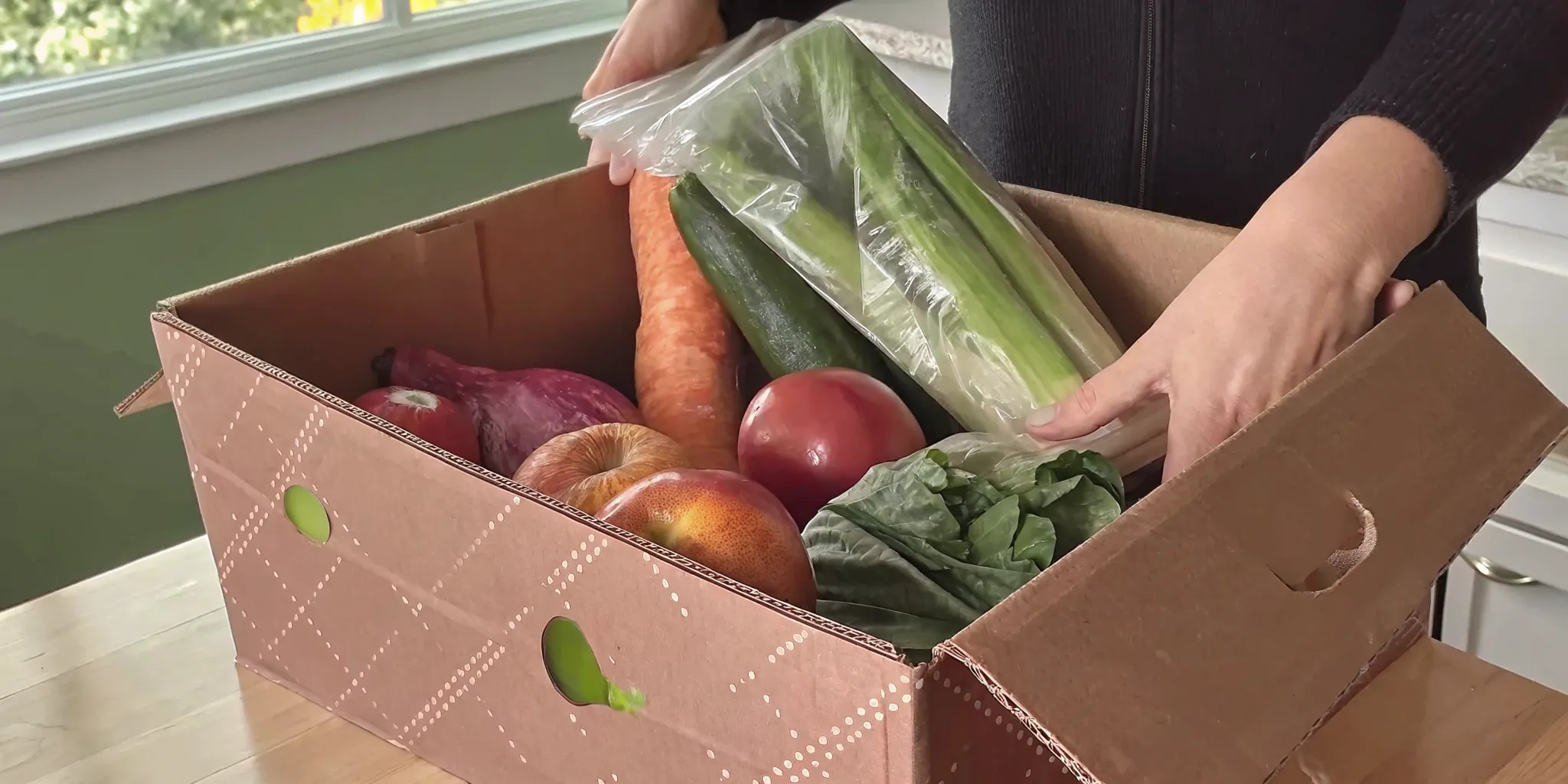
The Best Fresh Fruit and Vegetables Delivered to Your Door
Get fresh fruit and vegetables delivered to your door with top Canadian services. Enjoy quality produce, flexible options, and easy weekly grocery solutions.


Are meat subscription boxes worth it? The honest answer depends on how often you cook, how much freezer space you have, and how much control you want over each cut. A recurring delivery can remove a weekly errand, but a fixed assortment can create waste when it does not match your meal plan.
Are meat subscription boxes worth it? They can be worthwhile when predictable delivery, reliable product information, and less time spent shopping matter to your household. They may be a poor fit when you need a specific cut immediately, have limited storage, or dislike preset quantities. Tre'dish offers a broader grocery autopilot model, so customers choose their products, pay no subscription fees, and can skip, modify, or cancel orders.
The most useful way to evaluate a meat box is to look beyond the amount of food in one shipment. Consider sourcing, freshness, delivery conditions, quantity, flexibility, and whether the box replaces enough shopping to justify its place in your routine. This guide applies those questions to shoppers in the Greater Toronto Area, where Tre'dish currently delivers on a weekly schedule.
Meat subscription boxes are usually worth considering for regular cooks who value planned delivery and have enough storage for the quantity shipped. They are less compelling for people who buy meat occasionally, shop for one meal at a time, or prefer to select every item in person. A recurring box should make your routine easier, not turn freezer management into another chore.
Household size matters, but it is not the only factor. A family may use a larger shipment quickly, while a couple may prefer smaller product-by-product orders. Cooking style matters too. People who repeat a few reliable meals may appreciate scheduled replenishment. People who plan around seasonal ingredients or changing schedules may need more control than a preset box provides.
Recurring meat delivery is most useful when it replaces a task you would otherwise repeat. Busy parents, professionals, and regular home cooks may value having familiar proteins arrive on a predictable weekly schedule. The benefit is time and planning consistency. It is not simply receiving more food at once.
Before choosing a service, list the proteins your household actually uses in a normal month. If the shipment contains those items in useful quantities, the format may fit. If it includes products you rarely cook, a broader catalog with item-level selection is likely more practical.
Tre'dish puts groceries on autopilot rather than limiting the order to a fixed meat assortment. Customers can choose meat alongside produce, dairy, pantry staples, and other groceries. They pay for the products they select, with no subscription fees, and can skip, modify, or cancel orders when plans change.
This approach is helpful when the goal is to simplify the weekly grocery run, not only restock one category. You can review the Tre'dish grocery delivery process to see how the service is organized, then decide whether a wider grocery order fits your household better than a meat-only shipment.
Look for specific product, sourcing, delivery, and flexibility details before ordering. A provider should explain what arrives, how much arrives, how it is protected, and what happens when your plans change. Vague quality language is not enough to judge whether a box will work for your kitchen.
Start with the product page or box description. Look for the cut, approximate weight, portion format, origin, and any relevant production or certification information. If terms such as organic, grass-fed, pasture-raised, or free-range matter to you, check whether the description explains how the term applies.
Local and Canadian sourcing can also be part of the decision. Tre'dish emphasizes Canadian-made groceries and partnerships with local farms and producers. That does not mean every item has the same origin, so read individual product details rather than assuming a broad company statement applies to every cut.
Good sourcing information helps you compare a meat box with a local butcher or a regular grocery order. It also gives you a better chance of matching the shipment to meals you already plan to cook.
Estimate how many meals the shipment will support and how much room the packages will occupy. Empty freezer space is not the same as usable space. You still need room to stack, reach, label, and rotate products. You may also need to store vegetables, prepared food, and other frozen items.
Think about the timing of the next shipment as well. If the first box is still taking up most of the freezer when the next one arrives, the delivery cadence may be too aggressive for your household. A smaller, flexible order can be more useful than a larger box that looks efficient on paper but encourages over-ordering.
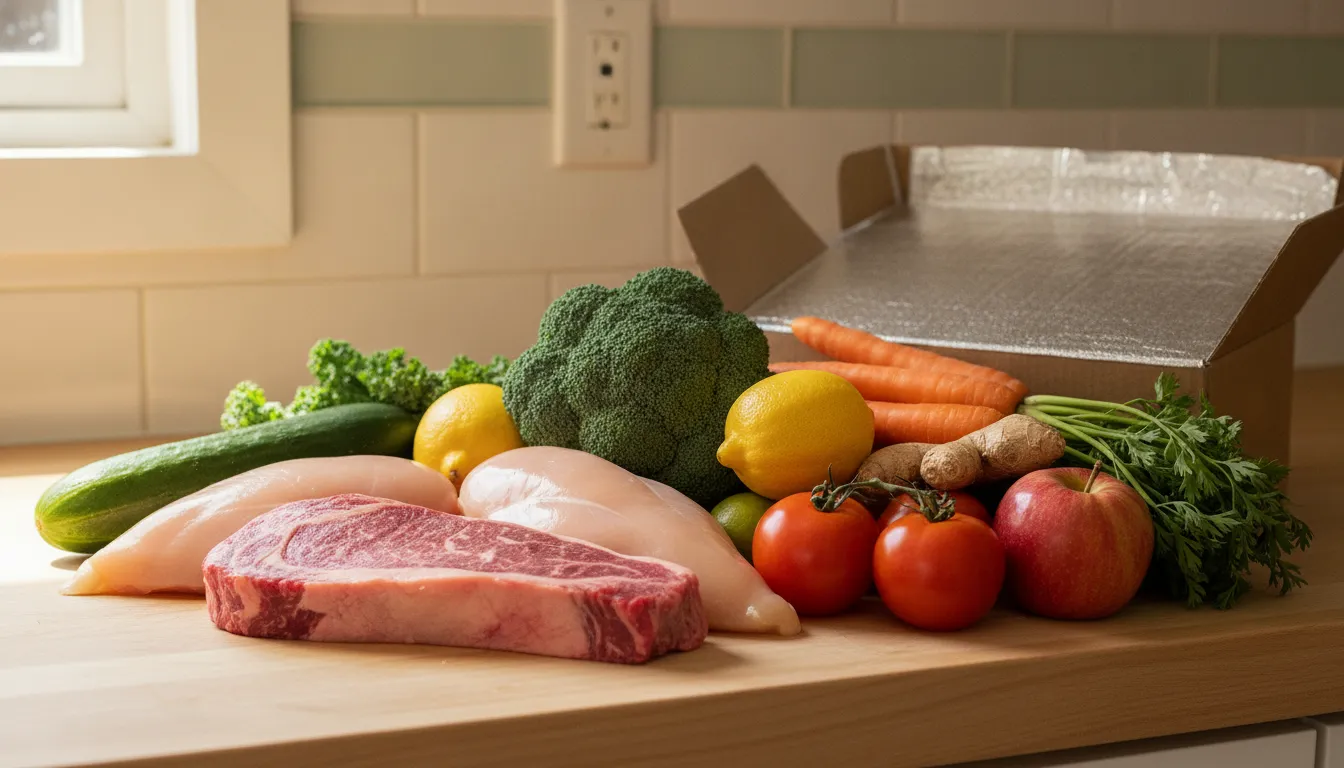
A trustworthy ordering experience should make the practical details easy to find. Review the item name, quantity, price, delivery timing, and any order cutoff. If the service uses a recurring schedule, confirm how changes are handled before the window closes. These details matter more than a polished box description because they determine whether the order works at home.
Freshness depends on the product, packaging, delivery timing, and how quickly the order is stored after arrival. A delivery service should protect temperature-sensitive groceries in transit, but customers still need a plan for receiving and putting away the order.
Tre'dish uses insulated packaging and refrigerated delivery practices to help protect groceries on the way to the customer. The packaging supports the delivery process, but it does not remove the need for prompt handling. Clear space before delivery and refrigerate or freeze meat according to the product guidance when the order arrives.
Weekly delivery can be convenient because it creates a repeatable habit. It can be inconvenient when the schedule is treated as an obligation rather than a tool. The best fit is a service that gives you a predictable rhythm while still allowing reasonable control.
Customization and skip controls keep a recurring grocery routine useful when your household changes. Travel, holidays, a full freezer, guests, and changes in work schedules can all affect what you need. A service that cannot accommodate those changes may create more planning work than it removes.
Many meat boxes are built around a preset assortment. That can be enjoyable if you like trying different cuts and have enough room to store them. It is less useful when your meals depend on a specific protein, portion size, or dietary preference.
Tre'dish takes a product-choice approach. Customers can select the groceries that fit their plans instead of accepting only a fixed meat assortment. Meat can be combined with produce, dairy, pantry staples, and other items in one broader order. This can reduce the need for a second grocery trip after the meat arrives.
For another look at the category, read Tre'dish's meat subscription box comparison. The purpose of this guide is different: it focuses on the decision criteria behind the format, including control and delivery fit.
Tre'dish customers pay for products rather than a separate subscription fee. Orders can be skipped, modified, or canceled. That flexibility is useful when a household is away, has enough food on hand, or wants to adjust the next order. Always check the ordering window and cutoff before assuming a change can be made.
Browse the Tre'dish grocery catalog to see how a product-by-product order compares with a fixed box. If meat delivery is your main interest, the meat delivery service guide provides another related planning resource.
The right option depends on whether you value personal advice, immediate selection, preset convenience, or a broader planned grocery order. No single format is best for every household. The comparison below shows the practical tradeoffs.
| Option | Selection control | Sourcing | Delivery and cadence | Flexibility |
|---|---|---|---|---|
| Tre'dish | Choose meat and other groceries from a broader catalog. | Canadian-made products and local producer partnerships are part of the assortment; check each item. | Predictable weekly delivery in the current GTA service area. | No subscription fees; skip, modify, or cancel orders. |
| Local butcher | Often strong control over cuts, quantities, and requests, depending on the shop. | Ask the butcher about origin and suppliers. | Usually requires an in-person visit, though some shops deliver. | Personal service can be flexible, but there is no standard autopilot routine. |
| Curated meat box | Convenient, but the assortment may limit item-level control. | Policies vary, so review the source and product descriptions. | Recurring shipments may follow a preset schedule. | Skip and change rules vary by provider. |
| Standard grocery store | Immediate choice depends on inventory and location. | Information varies by product and retailer. | Requires a trip unless delivery is available. | Buy only what you need without a recurring order. |
Choose a butcher when cut-specific advice, custom quantities, or a counter relationship matters most. Choose a standard grocery store when you need a small amount today or enjoy spontaneous shopping. A curated box may suit you when you welcome a planned assortment and have enough storage.
Tre'dish is a practical middle ground for shoppers who want scheduled grocery delivery without giving up product choice. You can select meat alongside complete groceries and adjust the order when life changes. The service also has a community focus through its partnership with Feed Ontario.
For a closer look at the butcher-focused model, read local butcher box delivery. You can also compare the broader grocery delivery subscription guide when deciding whether a recurring order should cover more than meat.
Meat delivery on autopilot is best for regular cooks who want predictable convenience while keeping control over what they buy. It may be less suitable for people who rarely cook at home, have very limited storage, or prefer to choose every cut in person.
Busy households often do not need more meal ideas. They need fewer repeated errands. A weekly grocery routine can help when the same household staples appear on the list again and again. Tre'dish is designed around this autopilot concept, so customers can build a repeatable order around the products they use.
A meat-only box may still leave you shopping for vegetables, dairy, breakfast foods, and pantry staples. A broader order can reduce that split. Tre'dish lets meat be one part of the weekly grocery plan rather than the entire plan.
Before any recurring order, consider household size, cooking frequency, current inventory, and available storage. If you cannot use the food comfortably before the next delivery, choose less or change the cadence. The most convenient box is the one that arrives in a quantity your household can actually use.
Shoppers who want more pantry guidance can explore this grocery delivery pantry guide. It can help you decide whether adding shelf-stable staples would make a weekly meat order more useful.
Meat subscription boxes can be worth it when you cook regularly, have adequate storage, and value predictable delivery. They may be a poor fit when you need specific cuts immediately or dislike preset quantities. Tre'dish offers product choice and flexible order controls, so shoppers can build a broader grocery routine instead of accepting only a fixed meat assortment.
The main benefits are fewer shopping trips, predictable restocking, and a planned supply of proteins. The value is strongest when the shipment matches meals your household already cooks. A broader service such as Tre'dish can add convenience by letting you combine meat with produce, dairy, pantry staples, and other groceries.
Common drawbacks include limited control over cuts, larger quantities than a household can use, freezer pressure, and delivery rules that are difficult to change. Review product details, packaging, delivery timing, and skip policies before ordering. Tre'dish reduces some of the assortment risk by allowing customers to choose products and modify or skip orders.
You need enough usable space for the quantity and packaging arriving at one time, with room left for other food. Check your freezer before ordering and consider how quickly your household uses meat. A product-by-product grocery order may be easier to manage than a fixed bulk box when space or meal plans are limited.
A local butcher usually offers more face-to-face guidance and control over cuts. A subscription service trades some in-person selection for planned delivery. Tre'dish adds flexibility because customers choose products, combine meat with other groceries, and skip, modify, or cancel orders without a separate subscription fee.