Automated Grocery Delivery in Ontario: How It Works
Learn how automated grocery delivery works for GTA households, from recurring orders and cold-chain packaging to flexible changes and quality sourcing.

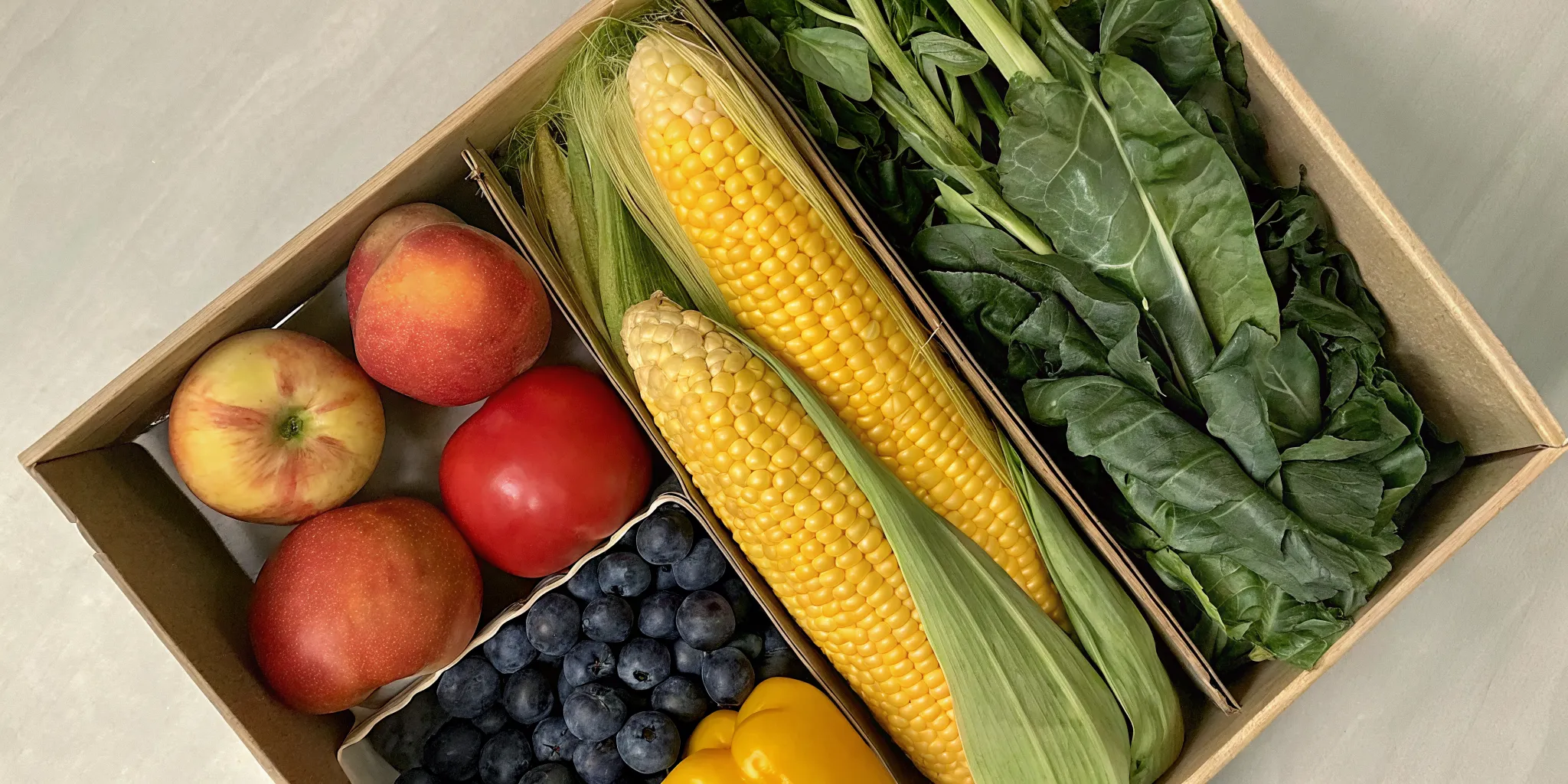
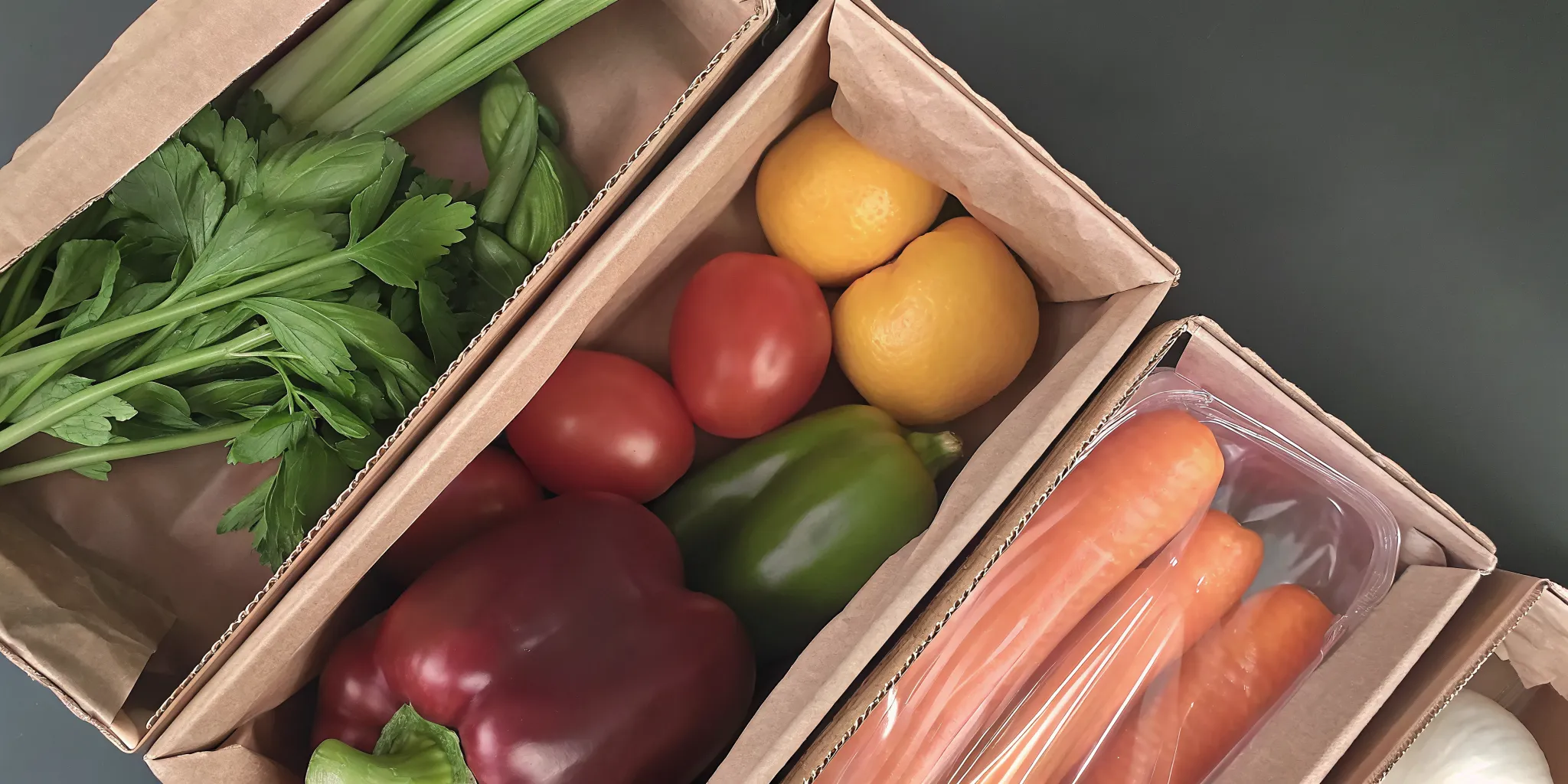
A good food box can mean different things in Canada: a community produce program, a farm or CSA box, a curated produce delivery, or a broader grocery service. The right choice depends on what you want in the box, how much control you need, and whether the delivery routine fits your household.
Good food box options are easiest to compare by checking five details: what is included, where it comes from, how much you can customize, how delivery works, and whether the box fits your household's eating and storage habits. A strong option makes freshness and product information clear without locking you into food you will not use.
Although the phrase sounds simple, good food boxes serve different shopping jobs. Some prioritize affordable seasonal produce and community access. Others are built around farm sourcing, a curated assortment, or the convenience of adding groceries to a recurring order. Use the guide below to compare the model, not just the appearance of the box.
A good food box is a packaged selection of fresh food assembled for pickup or delivery. In Canada, the phrase often describes a produce-focused community program, but it can also refer to a farm box, a curated produce delivery, or a customizable grocery order. The name alone does not tell you how much choice, sourcing information, or delivery flexibility you will receive.
Start by asking what the service is designed to solve. A community program may focus on food access and seasonal value. A farm box may connect your household with a grower's harvest. A curated delivery may make produce restocking easier. A customizable grocery service may give you a wider mix of produce, meat, dairy, pantry staples, and household items in one order.
A good food box usually delivers food for your household to use as you choose. A meal kit is built around specific recipes and normally includes measured ingredients and cooking instructions. If your goal is to decide what to cook after the groceries arrive, look for a box or grocery service rather than a meal-kit subscription.
Canadian shoppers will generally find four good food box formats. The best fit depends on whether you value community access, direct farm relationships, a ready-made assortment, or the ability to select your own groceries. Comparing these formats first prevents a mismatch between what the service delivers and what your kitchen needs.
Community programs often assemble boxes of seasonal fruits and vegetables for local pickup, delivery, or both. They may use bulk purchasing or partnerships with local growers to make fresh produce more accessible. Availability, pickup locations, order deadlines, and box contents can vary by community, so check the current schedule before planning around one.
Farm and CSA boxes connect households with a farm or group of producers. The contents usually follow the growing season, which can be a good fit if you enjoy trying seasonal items and planning meals around what is available. Ask about the share period, delivery or pickup arrangements, substitution rules, and how much of the assortment can be adjusted.
Curated produce boxes are assembled by a retailer or delivery company. They can simplify ordering because someone else selects a group of items, while the service may still offer different sizes or add-ons. Review the assortment description and the process for handling items your household does not eat.
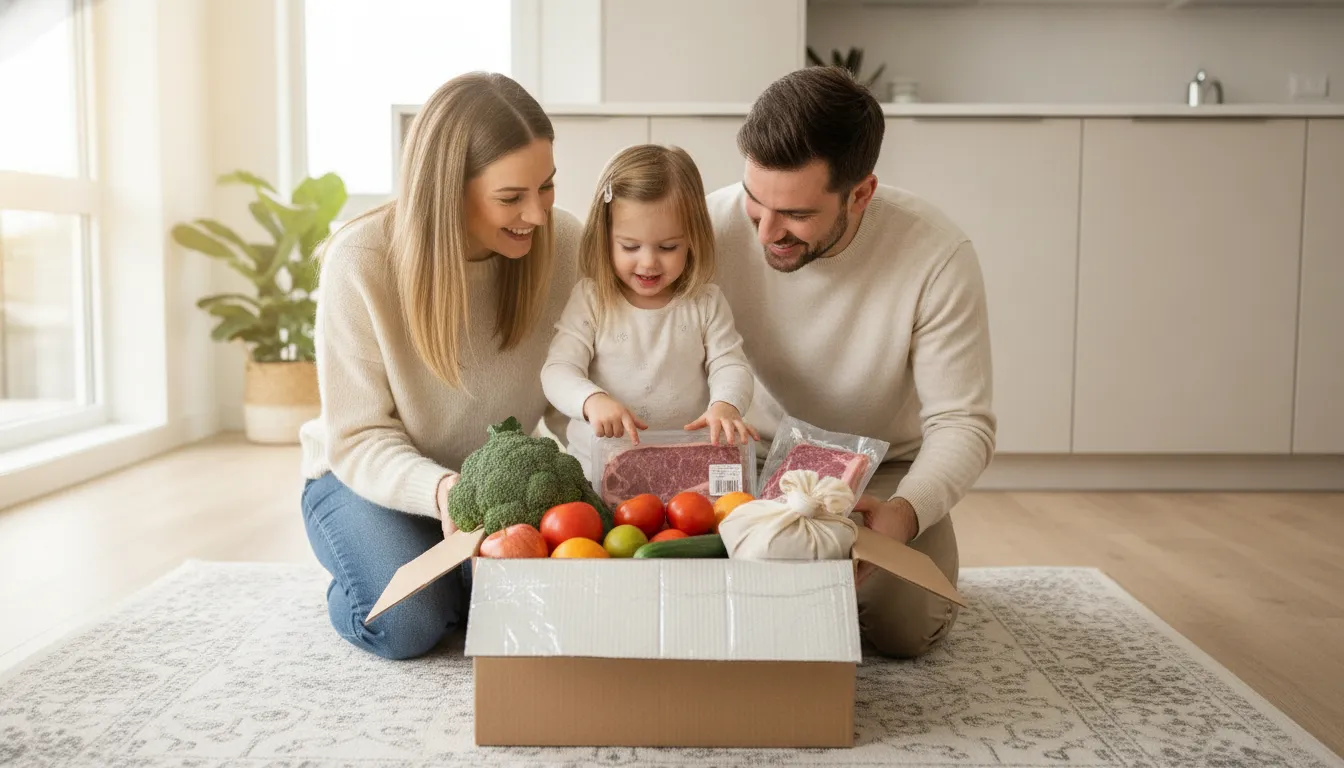
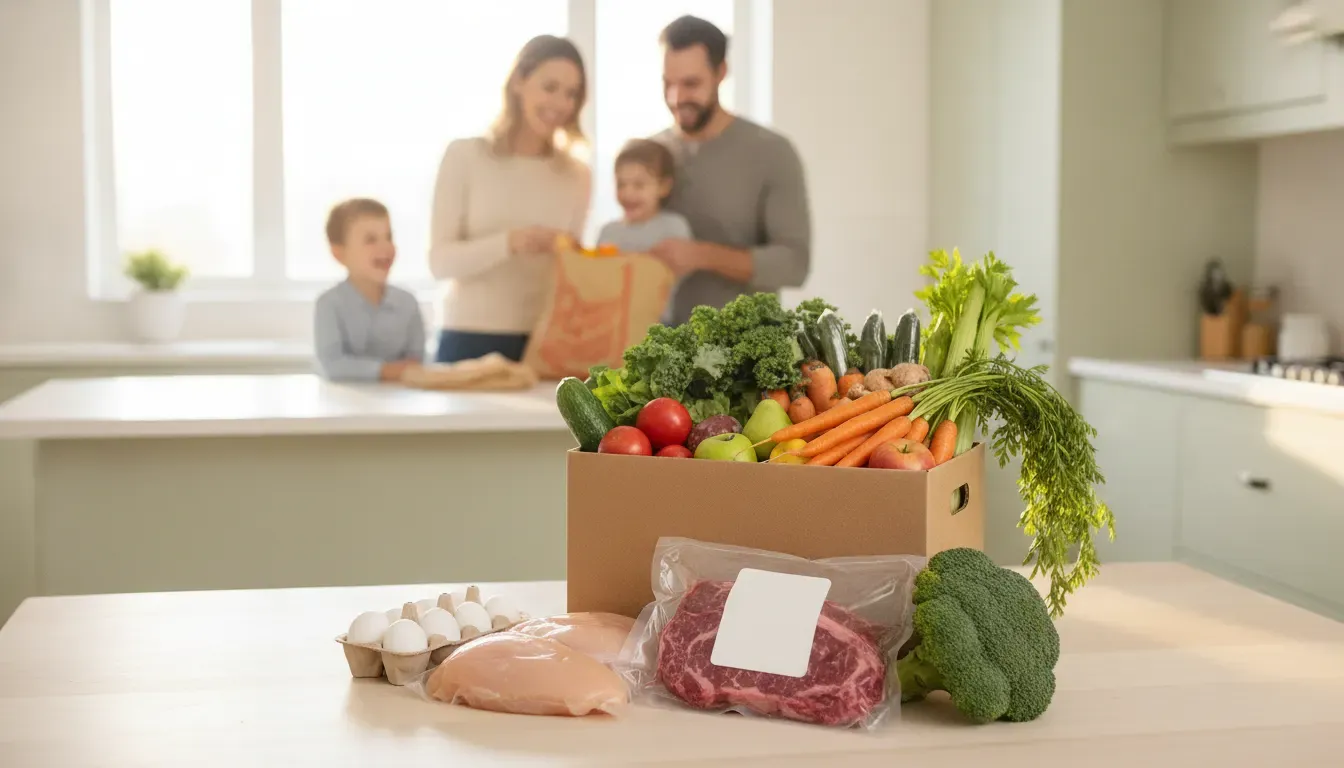
A customizable grocery service gives you more control over the contents of the order. Instead of receiving only a produce assortment, you can build a broader grocery order around your household's staples and preferences. Tre'dish is an Ontario example of this model, with groceries delivered on a weekly or bi-weekly routine and orders that can be modified, skipped, or canceled.
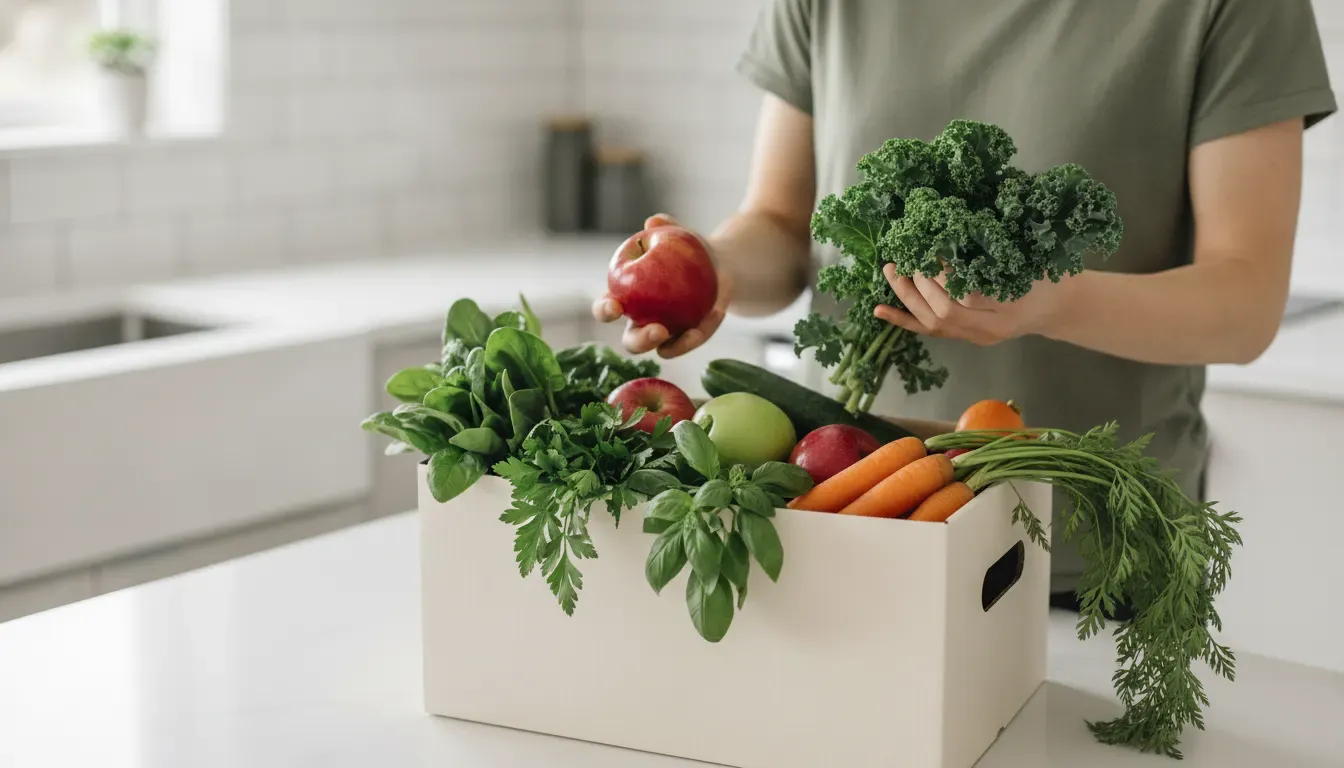
Compare freshness by looking at the service's supply chain, handling process, delivery timing, and product information. A local label by itself is not enough. You want to understand who supplies the food, how it is stored, when it is packed, and whether refrigerated delivery or suitable packaging protects quality on the way to your kitchen.
For Ontario shoppers, local sourcing can also mean more than buying from one nearby farm. Tre'dish works with more than 200 Ontario farmers and producers, and its catalog includes Canadian-made products. The most useful comparison is the one that connects sourcing to the food your household actually wants to eat.
If local sourcing is your main priority, see this guide to local food grocery delivery in Ontario. It covers sourcing, freshness, coverage, packaging, and delivery questions in more detail.
The right assortment is the one your household can use before food quality declines. A produce-only box may work well for people who cook with seasonal vegetables, while a broader grocery order may suit families that also need eggs, dairy, proteins, pantry staples, and snacks. Flexibility matters when tastes, schedules, or household size change from week to week.
| What to compare | Questions to ask | Best fit |
|---|---|---|
| Assortment | Is the box produce-only, or can you add everyday groceries? | Households that want a focused box or a fuller grocery restock |
| Choice | Can you select items, swap them, or only accept the preset contents? | People who want control over preferences and dietary needs |
| Cadence | Is delivery weekly, bi-weekly, monthly, or seasonal? | Households matching a predictable shopping rhythm |
| Adjustments | Can you modify, skip, pause, or cancel an order? | Busy households with changing schedules |
| Size | Does the box size reflect the number of people you feed? | Individuals, couples, and families with different consumption levels |
A box is not more convenient if it regularly includes items that go unused. Before signing up, list the produce and staples your household buys most often. Then check whether the service lets you build around those items or whether it expects you to adapt to a fixed selection.
For a broader explanation of delivery formats, read what a grocery box can mean. This new guide is narrower: it focuses on how to assess good food box options rather than defining every type of grocery box.
Delivery should match both your calendar and your refrigerator. Check the service area, delivery cadence, order deadline, arrival window, and instructions for receiving a refrigerated order. If you live in a smaller household, also consider whether the expected quantity can be used comfortably before the next delivery.
Plan a simple arrival routine. Make room in the refrigerator, bring perishable food inside promptly, and group items by how soon you expect to use them. If you are choosing pickup, confirm the location and pickup window before ordering. A good schedule reduces the chance that a fresh box becomes an inconvenient box.
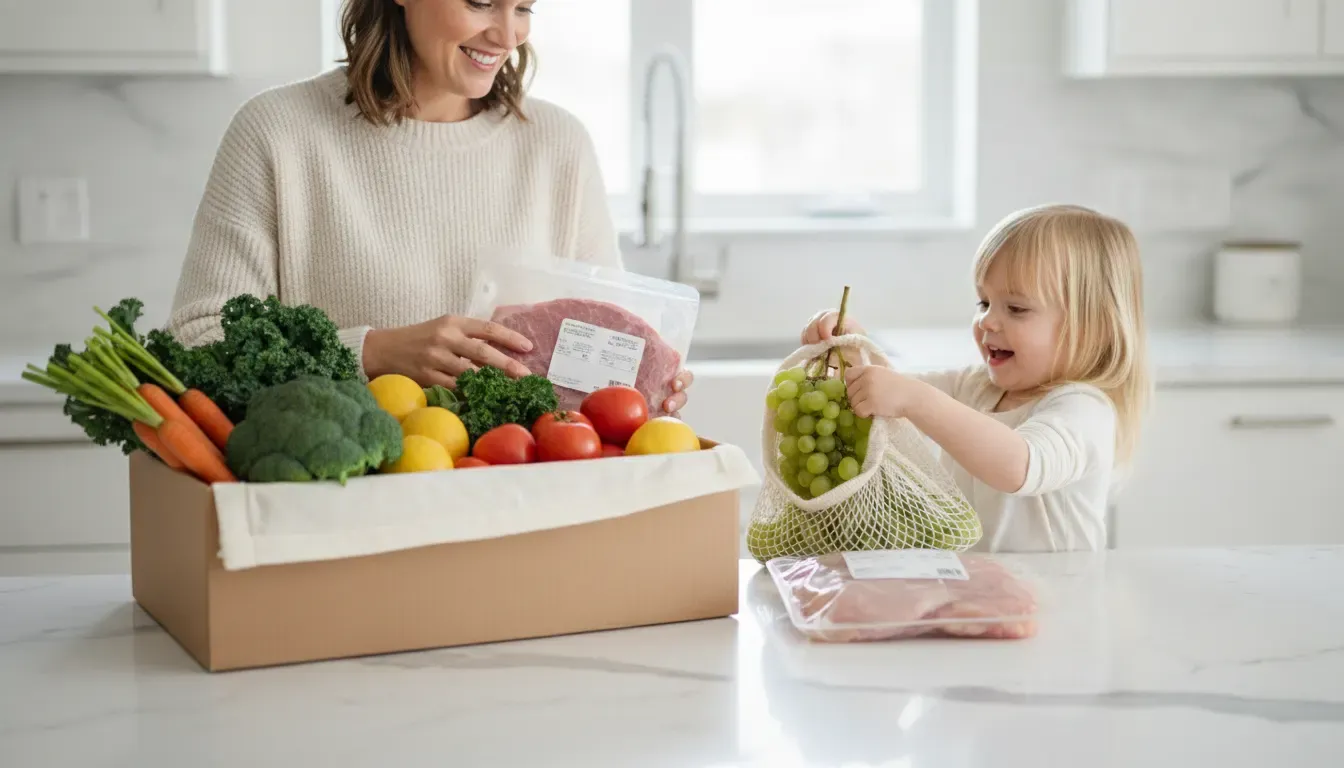
For delivery services, look for clear information about insulated boxes, ice packs, and delivery coverage. Tre'dish describes its deliveries as refrigerated and uses eco-friendly packaging, including insulated boxes and ice packs, to help protect groceries in transit.
A good food box and a meal kit can both reduce grocery-planning effort, but they are built for different routines. A meal kit narrows the decision to a set of recipes. A good food box or customizable grocery order gives you ingredients to use across the meals your household already plans to make.
| Feature | Good food box or grocery delivery | Meal kit |
|---|---|---|
| Primary purpose | Restock food for several meals and occasions | Support specific planned recipes |
| Selection | Often seasonal, curated, or individually chosen groceries | Recipe-based ingredients selected in advance |
| Cooking freedom | Use items in your own recipes | Follow included recipes or adapt them |
| Household fit | Useful when staples and flexible portions matter | Useful when recipe inspiration and measured ingredients matter |
Choose the meal-kit model if your biggest problem is deciding what to cook. Choose a good food box or customizable grocery delivery if your bigger problem is repeating the same shopping trip and carrying a full grocery list home.
Tre'dish is designed for Ontario households that want a customizable grocery routine rather than a fixed meal kit or mystery produce box. Shoppers can browse a broad grocery catalog, choose the products that fit their household, and put recurring essentials on autopilot. Tre'dish works with more than 200 Ontario farmers and producers and supports a portion of purchases through its Feed Ontario partnership.
The service has no subscription fees. Customers pay for the products they order, and orders can be modified, skipped, or canceled. This makes Tre'dish a possible fit for shoppers who value predictable delivery and local sourcing but still want control over what arrives. Coverage, current product availability, and delivery details should be confirmed before creating a routine.
If you want to compare a customizable grocery model with a meal kit, read the Canada guide to grocery subscriptions versus meal kits. You can also review produce box home delivery considerations before deciding whether a broader grocery order makes sense for your household.
Contents vary by service. Many good food boxes focus on seasonal fruits and vegetables, while others include pantry staples, eggs, dairy, meat, or other groceries. Review the current assortment and size options before ordering, especially if your household has dietary preferences or items it will not use.
Compare sourcing, freshness protections, assortment, customization, delivery or pickup, order deadlines, and cancellation rules. The best option is the one that fits your location, storage space, eating habits, and preferred level of control.
No. A CSA box is one type of produce box connected to a farm or group of farms, often with seasonal contents. Good food box is a broader phrase that can also describe community programs, curated produce deliveries, and customizable grocery services.
Some services use a fixed assortment, while others allow substitutions, add-ons, or fully customized grocery orders. Check the service rules before signing up. Tre'dish lets Ontario shoppers choose products and adjust recurring orders instead of receiving only a preset produce selection.
Schedules depend on the provider. Common options include weekly, bi-weekly, monthly, or seasonal delivery and pickup. Confirm the order cutoff, delivery area, arrival window, and skip or pause policy so the schedule works with your household.