The Best Fresh Fruit and Vegetables Delivered to Your Door
Get fresh fruit and vegetables delivered to your door with top Canadian services. Enjoy quality produce, flexible options, and easy weekly grocery solutions.

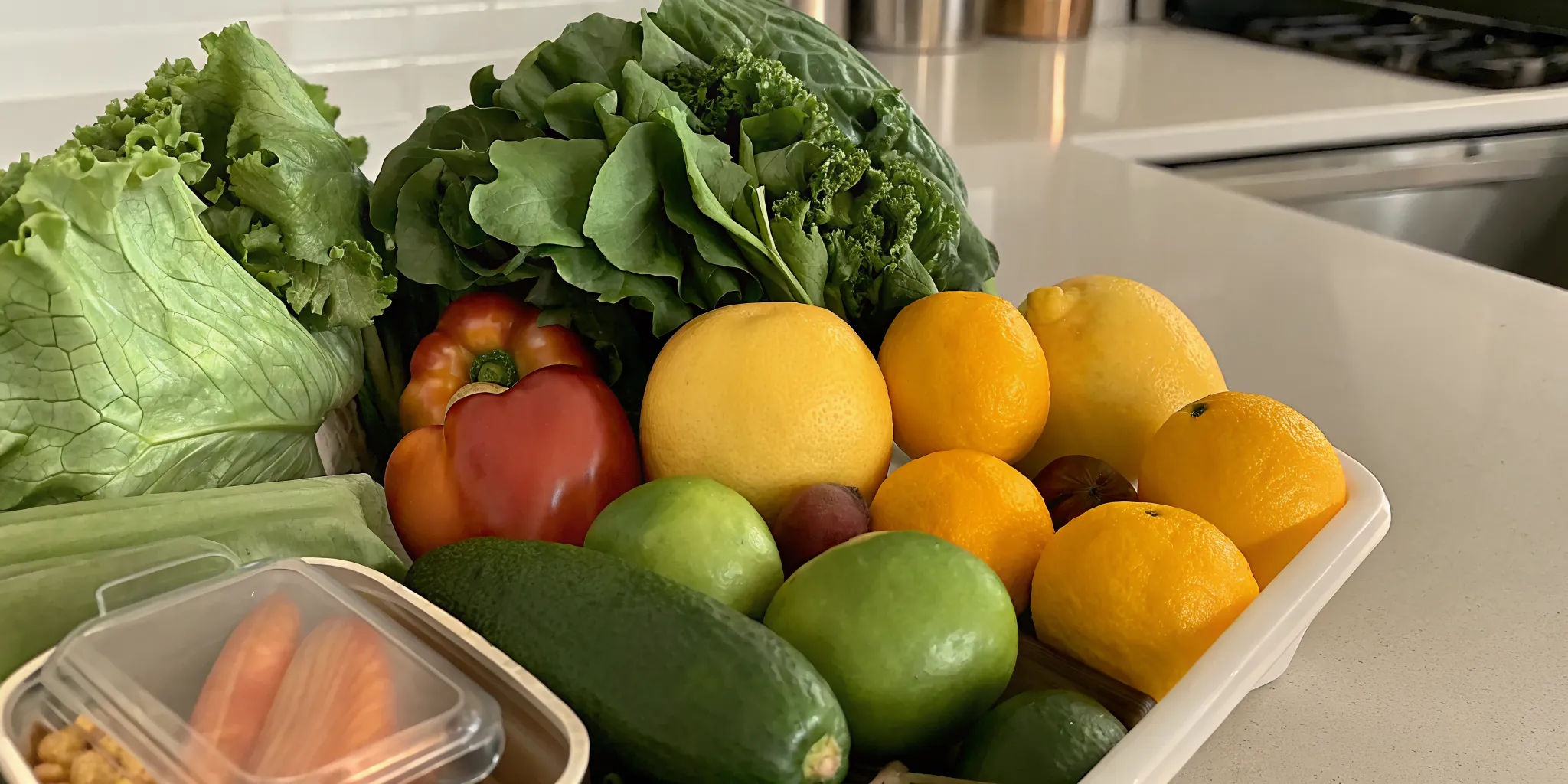
The average Canadian household pays a high price for the convenience of pre-set meal kit boxes. Balancing a busy schedule with a reasonable budget requires a more flexible way to shop.
Start Shopping for flexible groceries that fit your household.
The grocery subscription vs meal kit Canada debate centers on the balance between pre-set recipes and total pantry choice. A meal kit provides pre-set food for specific dishes, which saves planning time but often costs between $8 and $13 per serving. In contrast, a flexible grocery subscription like Tre'dish delivers a full range of fresh produce, meats, and staples that you can use for any meal. This model avoids the high markup of pre-packaged boxes and allows for savings of 20% to 50% compared to normal store prices. While meal kits help new cooks, a grocery subscription works better for families who want to automate shopping without the limits of a fixed menu. You get the same autopilot ease with more control over your budget.
Deciding which service fits your life depends on how much you value recipe help versus grocery choice. To make the best choice, you should understand the Grocery subscription vs meal kit Canada: the core difference. Here is how the two models stack up.
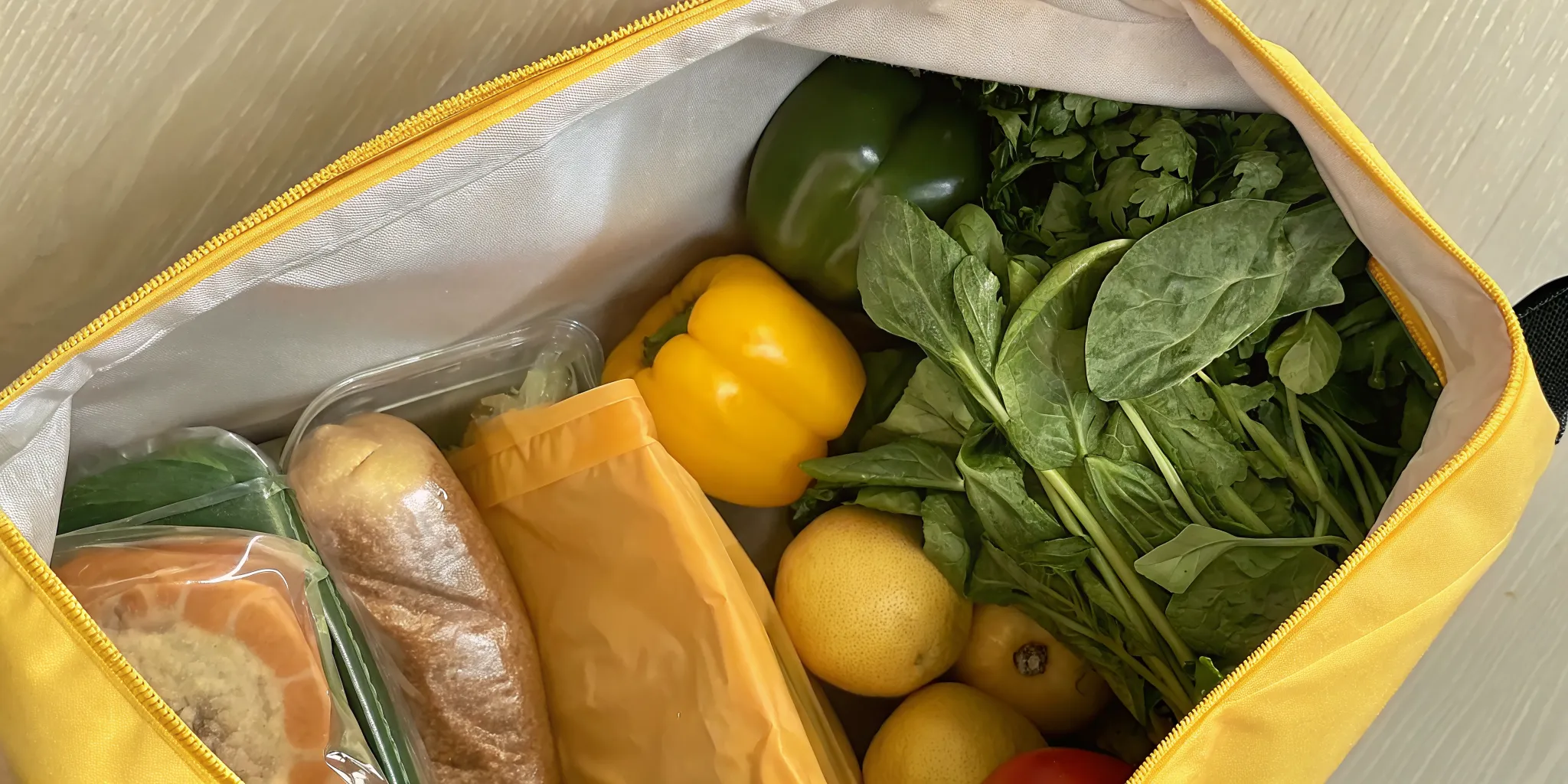
Picking a grocery plan or a meal kit depends on the control you want in your kitchen. Both help you skip the store and save time on your weekly run. But they serve very different needs for Canadian homes. Knowing these gaps can help you save cash and cut food waste. While they seem the same, they offer unique ways to manage your food budget.
A grocery plan works like a web shop on auto-run. You pick the fresh fruit, meat, and pantry items you need each week. There are no set steps to follow. You get the raw goods to cook the meals you love. This model offers more room to move and long-term value. For example, a Canadian grocery subscription guide setup gives you space to change your mind mid-week.
These services often focus on local food and area help. In Canada, many people look for the "Product of Canada" label to support local farms. This helps them find home-grown food they can trust. The USDA says the Canadian food market is mature and relies on five big firms for most sales. Grocery plans offer a new way to get these goods without the high markups. You pay for the food itself rather than a fee for a menu plan.
Meal kits give you a set path to dinner. They send the right amount of items and steps for specific meals. This is good if you want new tastes without the stress of a plan. Most kits aim for a fast cook time. But this ease comes with a high price per plate. You pay for the time someone else spent cutting your greens and measuring your spices.
While meal kits are common, many people find the waste to be a big flaw. Each item often comes in its own plastic bag. Data shows that over 67% of people who quit meal kits did so because of the heavy wrap. They also tend to be rigid. If you go out for dinner, those set items may go to waste fast. Loose items like a bag of spuds or a head of lettuce last much longer in your fridge.
The best choice for your home depends on your life and how much you like to cook. If you have kids, you may find that grocery delivery fits best. Research shows that homes with children often use online stores to keep their food stocks full. Meal kits might work better for young adults who only cook for one or two people and want to try new things.
| Feature | Grocery Subscription | Meal Kit |
|---|---|---|
| What arrives | Full groceries and staples | Pre-cut items and recipes |
| Cooking choice | Total control | Fixed recipes |
| Flexibility | High (change items easily) | Low (must pick from menu) |
| Pantry staples | Broad selection available | Rarely included |
| Waste | Standard food wrap | High plastic and box waste |
| Household fit | Large families and bulk buyers | Singles and couples |
Most grocery plans let you skip or pause your order when you are away. This makes it easy to manage a busy life in the GTA. You can stock up on local meat and home-grown brands while you keep costs low. By cutting out the middleman, you get fresh food on your own terms. This blend of ease and choice is the main edge of a grocery plan over a set kit.
Flexibility is a top reason people try new ways to get food. When you look at a how grocery subscriptions work, your level of control changes. Meal kits help by picking recipes for you, but they can feel very stiff. If you want to cook a family dish or need a snack, a kit may not have it. A grocery model like Tre'dish lets you pick each item. You get the ease of delivery but do not have a set menu. This model helps you cook what your home wants each day.
With a meal kit, you pick from a small list of meals. Some kits have a lot of recipes. For example, Goodfood has over 500 in their library. But you only see a few each week. This is good if you do not want to plan at all. But it can be hard for picky eaters or people with food allergies. If you change your mind on a Tuesday, you cannot swap a steak for a salad. You must use the pre-cut parts for that one dish. This can lead to food waste if you do not feel like eating that meal.
A grocery box vs meal kit model gives you more room. You buy the basic parts of meals, like fresh meat and local greens. This means you can pick what to cook when you are ready to eat. You do not have to follow a card just to use the food before it goes bad. This choice is a big plus for busy homes in the Greater Toronto Area. You can change your plans on the fly without any waste. You get to keep your kitchen habits while saving time on the shop.
Life stays busy and your needs change often. A flexible grocery subscription should let you skip or stop. Many people leave meal kits for a few key reasons. About 78% of people who quit say the cost was too high, per a study by Canadian Grocer. Also, 67.5% stopped because of the heavy boxes and plastic. Some kits make it hard to pause. You may have to click many screens to take a week off. This adds stress when you just want a break.
Tre'dish makes this easy. There are no fees to join or stay. You pay for the food you buy, not for the right to shop. You can skip a week or stop the service with one click. This fits well for people who travel or have a full fridge. You get the help of "autopilot" shopping but keep the power. You can adjust your order at any time to fit your budget. This keeps you in charge of your money and your pantry.
Meal kits use pre-cut food to save time. But they can also limit what you can do. If you use a grocery delivery service, you can still buy items that are fast to cook. You can also buy local brands that kits do not have. For example, Tre'dish works with local shops like Gryfe's or Hewitt's. This lets you bring your favorite GTA tastes home. You are not just getting a box; you are getting the exact items your family loves. This mix of ease and choice is the best way to shop for the long term.
Picking between these two ways often rests on how you live. Both ways aim to save you time and stress in the kitchen. But the way they work inside your home is not the same. One might feel like a treat for a night off. The other acts as a help for your whole week. Here is how each choice fits different types of Canadian homes.
Parents with kids in school often have the most need for help with food shopping. A study shows that parents with young kids are more likely to use online supermarkets than people without kids. If you have children, your food needs change every week. One week you might need extra fruit for a soccer game. The next week you might need more milk and bread for quick school lunches.
A grocery delivery subscription options choice often comes down to this need for change. Meal kits give you set recipes for a few nights. This helps for a quiet dinner, but it does not fill the rest of your fridge. A grocery service lets you buy the exact items your family eats every day. You can get fresh produce and meat while skipping things you do not need. This helps you avoid the high price of fixed kits that your kids might not even like.
Younger adults are the biggest users of meal kits in Canada today. If you cook for one or two, you might like how kits measure every spice and sauce for you. This can help reduce food waste since you do not have to buy a whole jar of something for one meal. But many users find that the waste from boxes is a big downside. Many people who quit meal kits did so because of the heavy packaging that comes with each box.
A grocery box gives you more power over your pantry and your schedule. If you have a busy social life, a set kit might sit in your fridge and rot. With a flexible grocery subscription, you can change your order to fit your plans. You can stock up on quick snacks or just get the basics for a light week. This model keeps your kitchen ready without the stress of wasted food or extra plastic.
If your house has picky eaters or dietary needs, meal kits can be a chore. You may have to swap items or skip weeks when the menu does not fit. Grocery subscriptions fix this by letting you pick every item yourself. You are never stuck with a meal you do not want. Instead, you can focus on the local brands and fresh foods your family likes most. You can find the same quality you would see at a high-end store without the long trip.
The Canadian government helps shoppers find local food through clear food labels for products made in Canada. When you use a grocery service, you can look for these local marks with ease. You can support Ontario farms and heritage brands that might not be in a standard kit. This gives you the best of both worlds. You get the speed of delivery and the high quality of a local market. You can choose the food that fits your house and your values well.
Comparing the cost of a grocery subscription vs meal kit Canada needs you to look at more than just one dinner. Many people start their search by looking for the lowest price for one plate of food. Meal kits often list their prices this way to make them look cheap. But this can hide the real cost of feeding a home for a full week. When you only buy kits, you pay for the time it takes to plan and pack one recipe. This ease is nice, but it may not give the best value for your food budget.
A meal kit usually costs between $8 and $13 for each person. For a home of four, one dinner can cost over $50. While this is cheaper than eating out, it still adds up fast. The main issue is that these kits only cover one meal. You still have to spend time and money at a store to buy food for the rest of the day. A grocery subscription works in a new way. You buy all your food in one place and have it sent to your door on autopilot. This lets you fill your pantry and fridge with the things you use every day.
Most Canadians find that meal kits are too costly to use every night. In fact, price is the top reason people stop using these services. When you switch to a grocery model, you pay for the products you want. You do not have to pay fees to join or pay extra for a plan. This means every dollar you spend goes toward the food you actually eat. By skipping the heavy waste and pre-set kits, you can keep your costs much lower. You get the same fresh quality without the high price tag of a set box.
The best way to see the value is to look at your total weekly basket. Using a grocery box can save you about 25% on your total bill. This is because the service cuts out the steps between the farm and your home. Old stores in Canada are mostly run by a few big firms. According to the United States Department of Agriculture, five firms hold over 65 percent of the grocery market in Canada. This lack of rivals can keep prices high for shoppers. A direct model skips these retail markups to pass the savings to you.
These savings come from better sourcing of fresh meats and produce. You can find local Canadian goods that are fresh and high in quality. The government of Canada helps people find these items by using Made in Canada labels on food products. Buying local is not just good for the farm, it is good for your wallet too. You get food that lasts longer in your fridge, which means you throw less away. Reducing waste is one of the easiest ways to get more value from your grocery budget every month.
Meal kits are built for speed. They are a good choice when you have no time to think about what to cook. But they can be very stiff. You have to follow the recipe exactly as it is written. If you want to change a dish or cook for an extra guest, it can be hard to do. A grocery subscription box in Canada choice often comes down to how much control you want. With a grocery box, you get the staples you need to make many different meals. You can use your eggs for breakfast or as a quick topper for a stir-fry at night.
This range of use is key for homes with kids. Research shows that families with school-aged children are more likely to use online food stores. These homes need a mix of snacks, lunch items, and healthy dinners. A plan that lets you pick your own items fits this life much better than a fixed menu. You can change your order each week based on what your home needs. This choice means you only pay for what you will use. You get the ease of delivery with the choice of a full grocery store.
Finally, think about how the food fits into your life. A meal kit leaves you with no extra food for the next day. A grocery box lets you buy more of the things you love. You can cook a large batch of stew or make lunch to go. This multi-use way is what really drives down the cost of each plate. You are not just buying a meal; you are building a smarter way to eat. When you look at the total value, the choice becomes clear for busy Canadian homes. There is no need to pay for a plan when you can just pay for the food you need.
Finding the right way to stock your kitchen can be hard. In Canada, many people now use online services to get food. About 8.4% of Canadians use a meal kit service right now. But others choose grocery delivery for more freedom. To pick the best one, you must look at how you cook and shop each week. You need to think about your time, your budget, and how much help you want with meal planning.
Do you want someone to pick your recipes for you? Meal kits work well if you do not like to plan what to eat. They give you set amounts of food for one dish. This can help you learn to cook new things. But a grocery subscription is better if you want to choose your own meals. It lets you buy the items you like and use them how you want. This fits people who already have recipes they love or want to use what they have in the pantry.
Most meal kits only cover dinner. They do not help with lunch or snacks. If you still go to the store for bread and milk, a kit may not save you time. A full grocery box covers all your needs in one delivery. This cuts your trips to the shop each month. It also stops you from buying extra items you do not need when you walk through the aisles.
Price is a big deal for most shoppers. Meal kits often cost $8 to $13 for each person for one meal. This can add up fast for a big family. A grocery service can save you more money over time. You can buy larger amounts of the things you use most. This lowers the cost of each serving. Many people switch from kits because they feel the prices are too high. Using a flexible grocery delivery plan helps you stay on a budget while still getting fresh food.
Think about food waste too. Meal kits give you the exact amount for one dish. This helps if you often throw away half-used jars. But grocery boxes give you more value if you use your leftovers. You can plan meals so that one set of items works for two or three dishes. This way, you get the most out of every dollar you spend on your food each week.
Follow these steps to find the best fit for your home:
Choice is key for a busy life. Research shows that families with school-aged children often use online stores to save time. A grocery subscription like Tre'dish gives you the best of both worlds. You get the ease of delivery but you keep the power to pick your own products. You can get farm-fresh meat and produce without being stuck with a set menu. This helps you get high-quality food from local farms without the high price of a pre-set kit.
Look for a service that fits your life. Many people start with a meal kit to learn new skills. But they often move to a grocery box for the better price and more choice. If you want to put your food on autopilot but still be the chef, the grocery model is for you. It sends top-tier Canadian goods right to your door on your own terms.
Start Shopping and build a flexible grocery order around the meals your household already loves.
No, meal kits often cost more per serving than a grocery subscription. While kits save time on planning, they carry a high price for the convenience of pre-portioned items. A grocery box provides better long-term value by letting you buy in bulk and avoid the extra fees of recipe-based services. According to Fresh Prep, kits cost more upfront but may reduce food waste if you do not plan well.
Meal kits send you exact amounts of food for specific recipes, and you get pre-cut vegetables and tiny jars of sauce. A grocery delivery service like Tre'dish sends you full items like a whole head of lettuce or a pack of chicken. This gives you more freedom to cook what you want. Grocery boxes help you stock your pantry, while meal kits only solve one or two dinners at a time.
Many people in Canada pick meal kits to save time on meal planning and shopping trips. It is a quick way to try new recipes without buying large jars of spices you may never use again. A survey from the Agri-Food Analytics Lab shows that about 8.4 percent of Canadians use these services. They are popular for busy professionals who want to skip the store and avoid thinking about what to cook.
The two biggest issues are the high price and the amount of waste. Meal kits use a lot of plastic and cardboard to keep small portions fresh. This can feel bad for the environment, and if you have a large family, the cost adds up fast. Most users find that a flexible grocery box is better for their budget. It lets you buy more food for less money while still getting home delivery.
Repeated grocery trips take time, while a fixed meal kit may not cover breakfast, snacks, or household staples. A flexible grocery order can help you plan more of the week at once while keeping your cooking choices open.
Ready to simplify your next shop? Start Shopping to build a grocery order that fits your household.