How to Find the Best Local Organic Produce Delivery
Find the best local organic produce delivery for your needs. Get tips on choosing fresh, high-quality groceries from trusted local farms, delivered to your door.


Canadian meal kits can simplify dinner planning, but a customizable grocery subscription solves a different problem. A meal kit starts with selected recipes and their ingredients; grocery delivery starts with foods you choose for meals, snacks and staples. The right fit depends on whether you want cooking direction or more control over the week’s groceries.
This guide compares planning effort, recipe flexibility, freshness, pantry coverage and food waste. It also explains what to check before choosing a service and how to build a weekly grocery routine that can bend when plans change.
A meal kit is built around recipes. You select meals, and the provider supplies ingredients intended for those dishes, often with instructions. The menu largely determines what you cook and which ingredients arrive. Grocery delivery is built around your shopping list. You select products for planned meals and other household needs, then decide how to combine them.
A customizable subscription adds a regular ordering rhythm while leaving room to change or skip a week. Tre'dish is a grocery subscription with weekly delivery and product choice, not a fixed recipe kit. Review how groceries on autopilot work to understand the recurring-order idea.
| What to compare | Recipe-led meal kit | Customizable grocery delivery |
|---|---|---|
| Starting point | Choose meals from recipes | Choose products for your household |
| Planning | Less recipe-building; still schedule cooking | Plan a list and decide how to use it |
| Flexibility | Ingredients tied to selected dishes | Ingredients can work across meals |
| Beyond dinner | Usually centered on selected recipes; check inclusions | Can combine meals, snacks, breakfast and pantry goods |
| Food use | Portions connect to recipes, but plans can change | Choose quantities and plan to use perishables |
| Weekly control | Depends on provider terms | Tre'dish customers can modify, skip or cancel orders |
No format automatically prevents waste or removes planning. A kit trades some shopping decisions for recipe structure. Groceries trade some recipe guidance for choice and the possibility of using ingredients in more than one way. Compare the full household shop too. If a kit still leaves you shopping for breakfast and lunch, include that trip in the comparison. If you choose groceries, include the time needed to plan the list.
A meal kit narrows the dinner question: choose from a menu, then follow the recipe. This suits someone who wants defined meals and would rather not build each ingredient list. It does not eliminate planning. You still select recipes, make room for delivery, check which pantry items are excluded and cook the meals while ingredients are in good condition.
Imagine a week with three evenings at home and one late appointment. If you order three kits, check that delivery and cooking dates suit your calendar. Decide which meal can move, and learn the cutoff for changing selections. A recipe plan works best when the schedule is realistic, not idealized. If your household eats together only on certain nights, assign the meals to those slots rather than assuming all evenings are available.
With groceries, decisions happen earlier: what meals might you cook, which ingredients are already on hand, and what needs restocking? Pick two or three dinners, identify ingredients that overlap, then add breakfast, lunch, snacks and staples your household uses.
Try a ten-minute routine. Scan your calendar and count the evenings when someone will cook. Check the fridge and pantry for food to use soon and staples running low. Choose two anchor dinners that share some ingredients, leave one night open for leftovers or a quick meal, then add regular breakfast and lunch foods. This creates structure without requiring a detailed menu for every day.
For two people, a pasta dinner and a vegetable-and-grain bowl might share greens and tomatoes, alongside eggs and fruit for breakfast. A larger family can use the same method while checking package sizes against the meals and lunches needed. The point is to connect the list to actual meals and people. Note how many servings each dinner needs; a list made for two can leave a family short, while oversized packs can create leftovers that need a plan.
Spinach might go into eggs, pasta and salad; carrots can become a side, soup ingredient or lunchbox snack. Overlaps provide options if plans change. Use the most perishable foods first and reserve longer-lasting ingredients for later. For a repeatable routine, read how Tre'dish works and review its ordering terms before setting a weekly rhythm.

Meal kits offer direction. The recipe tells you what to make and gives ingredients a specific job. That can help if you want inspiration or prefer following steps to improvising. The trade-off is that planned dinners are tied to chosen recipes. A change of appetite may leave ingredients that are less convenient to repurpose.
Groceries can move between meals. Tomatoes might go into a salad, then the remainder into sauce. You can change a side dish without changing the whole order. This suits households with shifting schedules, as long as someone is comfortable choosing simple combinations. Ask whether you want recipe guidance or ingredients adaptable to your own plans. Tre'dish’s supplier and Canadian product information helps explain the range available for a grocery order.
Flexibility does not mean every ingredient has to serve several recipes. It means you can decide the use after delivery. For example, a bag of potatoes can support a planned side, then become a soup base if dinner changes. A kit may be more comfortable when the recipe itself is the reason you chose the meal and you want its steps to lead the way.
A meal kit is generally centered on its selected dinners. Check whether you still need breakfast food, snacks, lunch ingredients, beverages or pantry basics. Do not assume a recipe box covers every need. Grocery delivery can combine categories such as produce, dairy, meat or alternatives, frozen foods and pantry staples. Check package sizes, refrigeration needs and storage space before ordering.
Make an inventory before checkout: what is already in the fridge, freezer and cupboard? Which items are running low? Which groceries can serve more than one meal? The Tre'dish overview describes the grocery subscription model, while its Canadian grocery subscription guide discusses the format.
A practical comparison starts with the entire basket, not the number of dinners advertised. Write down the extra items you would buy alongside a kit. Then make a grocery list for the same week and household. The comparison should include staples, lunches and snacks you genuinely need, while avoiding items that would sit unused. This gives you a clearer view of coverage and effort without assuming one format is always cheaper or more convenient.
Neither a meal kit nor a grocery subscription guarantees that food will be used. With a kit, portions may be tied to recipes, yet schedule changes can disrupt the plan. With groceries, you choose items and quantities, but fresh products still need a place in the week’s meals.
Suppose you plan pasta, a vegetable side and lunch salad. Check whether pasta and dressing are already in the cupboard. If you need greens, decide which meal uses them first. If plans change, consider using them in an omelette or soup. With a kit, schedule the most time-sensitive meal earlier. Keep a simple “use first” note after delivery; then make meals around those foods before opening another package.
A second example: if a week suddenly becomes busy, do not add a new recipe that requires several purchases. Use the most perishable items in one-pot meals or assemble a simple plate from ingredients already at home. If a kit meal is delayed, review its storage instructions and prepare it when appropriate rather than assuming it will wait indefinitely. The best waste plan is modest: one or two adaptable meals, a visible note, and quantities matched to likely use.
Food safety matters for chilled and frozen products. The Canadian Food Inspection Agency provides official food safety information; follow applicable handling and storage guidance for the products you buy. Tre'dish deliveries use refrigerated handling, insulated boxes and ice packs. Put chilled foods away promptly after arrival.
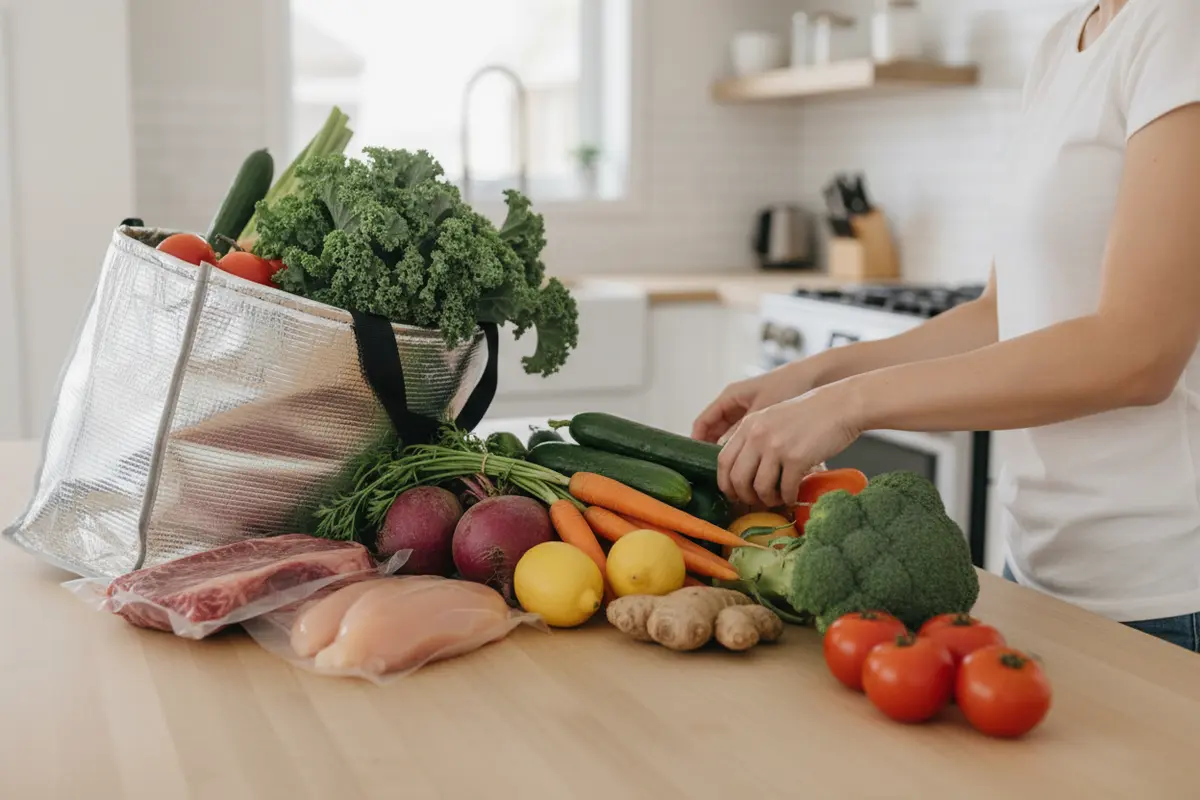
Compare practical details, not just the menu. Confirm that the service reaches your address and learn its delivery schedule. Find the cutoff for changing or skipping an order. Separate recipe ingredients from pantry items and extras. Understand how chilled and frozen products arrive. Compare portions and package sizes with your household. Finally, look at the whole order and any separate shopping still required, not one headline price.
Tre'dish’s confirmed service area is the Greater Toronto Area. It has no subscription fee; customers pay for products and can modify, skip or cancel orders. Weekly deliveries use refrigerated handling and eco-friendly packaging. Check the contact page for current account and delivery details, and use the ordering information to confirm availability for your address.
Freshness depends on more than the label on a box. Check how items are packed, whether cold products remain chilled in transit, and how quickly you can put them away. Make room in the fridge before delivery day, especially if you are ordering dairy, meat or frozen foods. If your household has limited storage, plan smaller, more frequent use of products rather than buying a range that will be difficult to organize.
Start with your actual week. A meal kit may fit if you value recipe guidance, can schedule selected dinners and want to avoid assembling every ingredient list. Flexible groceries may fit if you want to choose products beyond dinner and adapt ingredients when plans change. Ask yourself:
You can use different approaches at different times. Recipe structure may help during a predictable stretch. Familiar groceries may be more practical during a week with shifting plans. Compare the full routine: choosing, receiving, storing, cooking and using leftovers. Explore personalized food boxes with local items and different types of grocery boxes to see how formats vary.
Start with a manageable order rather than replacing every purchase at once. Choose familiar meals, buy supporting ingredients and leave room for familiar staples. After delivery, notice which products were easy to use and which quantities were awkward. At week’s end, review what you cooked, what remains and what you had to buy elsewhere. If breakfast food ran short but dinner ingredients were plentiful, update the next list. A short review is more useful than assuming one order settles the question.
Make the review specific. Mark each item as used, partly used, untouched or replenished elsewhere. If greens were left over, plan one earlier meal around them next week or order a smaller amount if available. If pantry basics were forgotten, add them to a standing checklist. If a product worked well in two meals, keep it as a repeat item. This turns the first order into useful information about your own habits, not a verdict on every grocery subscription.
Consider who cooks and who eats at home. Different work shifts may call for ingredients that can be prepared at different times; regular shared dinners may suit recipe instructions. Check product details and dietary needs rather than relying on broad category labels. Also learn when an order becomes final and how selections can be changed. A dependable weekly rhythm can help planning, while customization keeps the contents responsive to household needs.
Before checkout, do one final pass: compare the list with the calendar, remove duplicate items already in storage, and confirm the delivery address and timing. Keep the first week simple enough that you can tell what worked. When meals are familiar, it is easier to judge whether the delivery routine itself is useful, separate from the novelty of new recipes or products.
No. Meal kits organize ingredients around recipes. Grocery delivery lets you choose products that may serve several meals and household needs.
They reduce recipe and ingredient-list planning, but you still select meals, check delivery terms and schedule cooking. Grocery delivery involves more list planning and more freedom in how items are used.
Yes. Familiar ingredients can support simple meals without a recipe every night. Plan adaptable dishes and use perishables early.
Customers can modify, skip or cancel orders. There is no subscription fee; customers pay for products ordered.
The confirmed service area is the Greater Toronto Area. Confirm availability for your address with the ordering site or team.
Choose the format that makes your real grocery week easier, whether that means recipe structure, adaptable ingredients or a mix of both.
For a customizable weekly grocery routine, learn how Tre'dish works and confirm service details for your address.