Weekly Grocery List for Family of 4 Canada Guide
Start your weekly grocery list for family of 4 Canada with a flexible staples checklist, practical planning tips, and convenient grocery delivery options.

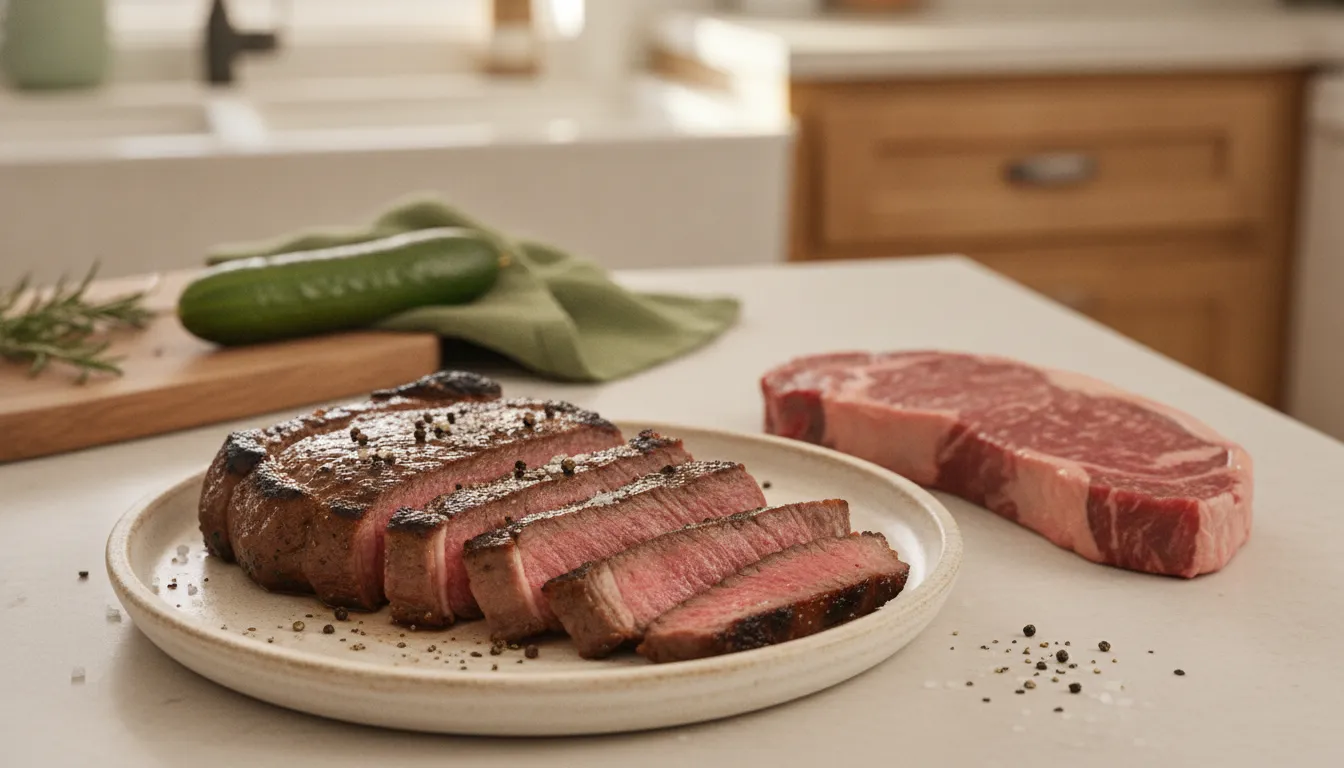
Searching for AAA Canadian steak prices online? The number on a product card is only the starting point. A useful comparison also accounts for the cut, grade, package weight, price per pound, Canadian sourcing, delivery conditions, and how well the steak fits the meal you plan to make.
This guide walks Ontario shoppers through that comparison. You will learn what Canada AAA means, how to compare two packages fairly, what to look for in an online product description, and how refrigerated delivery affects the value of a steak order. The goal is not to chase the lowest displayed number. It is to choose a steak with clear information and a delivery experience you can trust.
Canada AAA is a regulated Canadian quality grade associated with a defined level of marbling and other carcass characteristics. It helps shoppers compare expected eating quality more consistently, but it does not describe every feature of a steak. The cut, thickness, weight, ageing, trim, producer, and preparation still affect the final experience.
The Canadian Beef Grading Agency places Canada AAA below Canada Prime and above Canada AA and Canada A in the Canadian quality-grade sequence. Its grading information explains that quality grading considers characteristics connected with tenderness, juiciness, and flavour. The agency also explains that marbling is assessed by the amount, size, and distribution of fat in the rib-eye area.
That context makes the word AAA useful, but not sufficient. Two packages can both say AAA while offering different cuts and different amounts of meat. A 12-ounce top sirloin and a 12-ounce ribeye may share a grade, yet they serve different budgets, cooking methods, and taste preferences. Grade is one comparison field, not the entire buying decision.
For a deeper look at the official grading system, see the Canadian Beef Grading Agency's explanation of Canadian beef grades. It is a helpful reference when a product description uses a grade without explaining what the label covers.
AAA describes the quality grade, while the cut name describes the muscle and its typical use. Ribeye is known for richer marbling, striploin is often chosen for a classic steakhouse-style meal, and top sirloin can offer a leaner, versatile option. Grade and cut answer different questions, so compare both before looking at the final total.
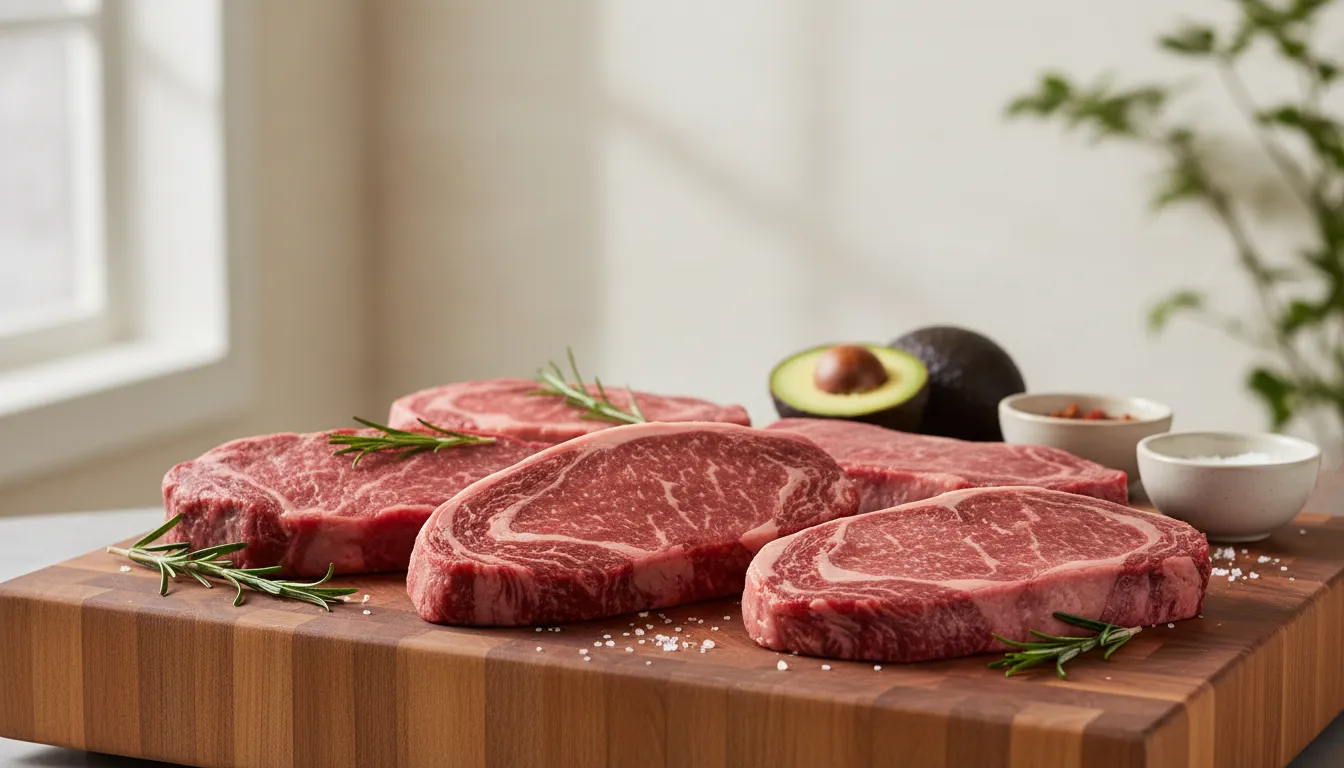
The best-value steak cut is the one that matches the meal, serving plan, and cooking method, not automatically the one with the smallest package price. Compare the amount of edible food, the number of servings, the cooking confidence you have, and whether the cut's texture and flavour suit the occasion.
Use the cut as your first practical filter:
These are general cooking patterns, not guarantees. Thickness, trimming, ageing, and preparation matter. If a product page does not provide enough information to tell how the steak fits your plan, that lack of detail is part of the comparison. Clear product information is valuable because it helps you avoid buying a package that looks appealing but does not suit the dinner you intended.
Think about the meal before you compare prices. For a two-person dinner, a pair of evenly sized steaks may be more useful than a larger mixed package. For meal preparation, a leaner cut that can be sliced into several portions may fit better. For a special occasion, marbling and thickness may matter more than a small difference in the package total.
Match thicker, well-marbled cuts with high-heat grilling or pan-searing, and choose cuts you can slice across the grain when planning fajitas, bowls, or sandwiches. Always follow the product's handling and cooking directions. The right cut reduces guesswork, which is part of the value of buying steak online.
Compare steak packages using both total price and unit price. Total price tells you what will be charged for the package. Price per pound helps you compare packages with different weights. You also need the number of steaks and the approximate weight of each piece to understand how the package will work for your household.
A simple comparison uses three steps:
For example, a package priced at CA$12.69 and weighing 12 ounces is not directly comparable with a larger box priced at a different total. The live Tre'dish product listing checked for this guide identified a Canadian AAA Beef Top Sirloin, Baseball Cut, at 12 ounces, with a listed unit price of $16.92 per pound. Product availability and pricing can change, so confirm the current listing before ordering.
Do not stop at price per pound. A package with smaller portions may suit a household that wants less waste. A thicker steak may be easier to cook to a satisfying result. A bundle can make sense if you already know you will use it, but a larger quantity is not automatically better value if part of it sits unused in the freezer.
When comparing a steak listing with a local store shelf, make the comparison fair. Match the same grade, cut, approximate weight, and condition. If one listing includes delivery as part of a grocery order and another requires a separate trip, note that difference without turning convenience into a vague promise. The useful question is what you receive for the complete effort and cost of the purchase.
| Comparison field | What to check | Why it matters |
|---|---|---|
| Grade | Canada AAA or another clearly stated grade | Sets an expectation for the quality category, including marbling standards |
| Cut | Ribeye, striploin, top sirloin, tenderloin, flank, or another named cut | Shapes texture, flavour, cooking method, and meal fit |
| Package weight | Total weight and number of steaks | Shows how many meals or servings the package may support |
| Unit price | Price per pound or another clearly stated unit | Makes different package sizes easier to compare |
| Source | Country, producer, or Canadian-made indicator | Helps you choose according to sourcing preferences |
| Delivery | Refrigerated handling, insulation, and cold packs | Shows how freshness is protected on the way to your door |
Price per pound does not show the cut's cooking fit, the portion size, the producer, the grade, the delivery method, or the convenience of adding the steak to a broader grocery order. Treat it as a useful normalization tool, not as a complete quality score.
Look for product details that explain where the steak comes from and how it is described. A Canadian-made indicator, producer name, province, farm connection, or clear country-of-origin statement gives you more useful information than a broad claim about quality without supporting detail.
Tre'dish is built around Canadian-made groceries and partnerships with local farms and producers. The company sources from more than 200 local Ontario farmers and producers, giving Ontario shoppers a way to consider local sourcing while building a broader grocery order. That does not mean every product has the same origin, so read the individual listing rather than assuming a Canadian claim applies to every steak.
Ask these questions when reviewing a product page:
More detail does not automatically make one steak better. It does make the purchase easier to evaluate. Transparent information helps you compare like with like and makes it easier to decide whether a package fits your values, your freezer space, and your cooking plans.
Tre'dish's broader model also makes sourcing part of a practical grocery routine. You can add a steak to an order that includes produce, pantry items, and other Canadian-made groceries instead of organizing a separate trip for every category. The benefit is a clearer, more predictable weekly or bi-weekly routine, while the product page still remains the source of truth for the individual steak.
Start with the product page and look for a country-of-origin or Canadian-made indicator, producer detail, or other specific sourcing information. If the listing is unclear, treat the origin as unknown rather than guessing. The same rule applies to claims about grass-fed, local, aged, or premium beef.
For online steak shopping, delivery is part of the product experience. A price comparison is incomplete if it ignores how the steak is protected from the warehouse or producer to your kitchen. Look for a service that explains refrigerated handling, insulated packaging, ice packs, delivery timing, and what to do when an order arrives.
The Canadian Food Inspection Agency describes refrigeration as an important control for slowing microbial growth and preserving meat products. Its red-meat guidance discusses maintaining chilling through shipping and receiving, including controls for product temperature during transport. Ontario transportation guidance likewise states that refrigerated meat transport containers must be able to maintain meat at 4 degrees Celsius or less.
Those rules describe food-business controls, not a substitute for the product's own instructions. As a shopper, use them to understand why cold-chain information matters. If a listing or service says very little about temperature control, you have less information to assess before ordering.
Tre'dish deliveries use refrigerated, eco-friendly packaging with insulated boxes and ice packs. This combination is designed to help protect freshness during delivery, while the customer remains responsible for promptly receiving, storing, and handling the food according to the package directions. If a package arrives damaged, leaking, or warmer than expected, contact the retailer and follow applicable food-safety guidance before deciding whether to use it.

Receive the order promptly, check the package for damage or leaks, confirm the steak matches your order, and move it into appropriate refrigeration or freezing according to the label. Keep the product packaging and contact the retailer if anything seems inconsistent with the listing or delivery instructions.
An online AAA steak purchase offers good total value when the package meets your quality expectations, serves a real meal plan, arrives protected, and saves enough planning time to justify the complete purchase. Value is the combination of product fit, information, freshness protection, and convenience. Price remains important, but it should not be the only signal.
Use this total-value checklist before you add a steak to your cart:
Tre'dish lets customers shop for products without a subscription fee, while orders can be skipped, modified, or canceled. That flexibility matters when you are comparing a steak purchase with the way your household actually eats. A reliable routine should make it easier to plan, not lock you into buying more meat than you can use.
If you are building a broader Ontario grocery order, you can also compare this guide with Tre'dish's practical guide to online meat delivery, its guide to grass-fed beef delivery in Ontario, and its overview of Canadian-owned grocery stores. Those articles cover adjacent decisions, while this guide stays focused on comparing AAA steak listings.
Use the same short process each time you review a steak listing. Consistency prevents a low package total, a large box, or a prominent promotion from distracting you from the details that determine whether the purchase suits your household.
Save the product page or note the details if you are comparing several options. Online grocery prices and availability can change, so the most useful comparison is the one you make from the current listing immediately before ordering.
Canada Prime is the higher Canadian quality grade, while Canada AAA is the grade below it. The Canadian Beef Grading Agency describes the grades using marbling and other carcass characteristics. A higher grade does not remove the need to compare cut, weight, preparation, sourcing, and delivery conditions.
Compare the listed price per pound when it is available, then check the total package weight and number of steaks. Unit price makes different package sizes easier to compare, but it does not capture cooking fit, sourcing, delivery protection, or whether your household will use the full package.
AAA steak can be a practical choice when the grade, cut, weight, and delivery details match your household's needs. Ontario shoppers who value Canadian sourcing should also check the individual product description for a Canadian-made indicator, producer information, or country-of-origin details instead of relying on the grade alone.
Look for clear information about refrigerated handling, insulated packaging, ice packs, delivery timing, and receiving instructions. Tre'dish uses insulated boxes and ice packs for refrigerated grocery deliveries. Receive the order promptly, follow the package directions, and contact the retailer if the package arrives damaged or does not match the stated delivery conditions.
Tre'dish customers pay for the products they order and are not charged a subscription fee. Orders can be skipped, modified, or canceled, which lets households adjust their grocery routine when plans change. Check the current storefront for product availability and order details before purchasing.