Ontario Meat Delivery Service: Fresh, Quality-Cut Meats
Get a quality Ontario meat delivery service guide. Learn what to look for in freshness, local sourcing, and refrigerated delivery, and compare top providers.

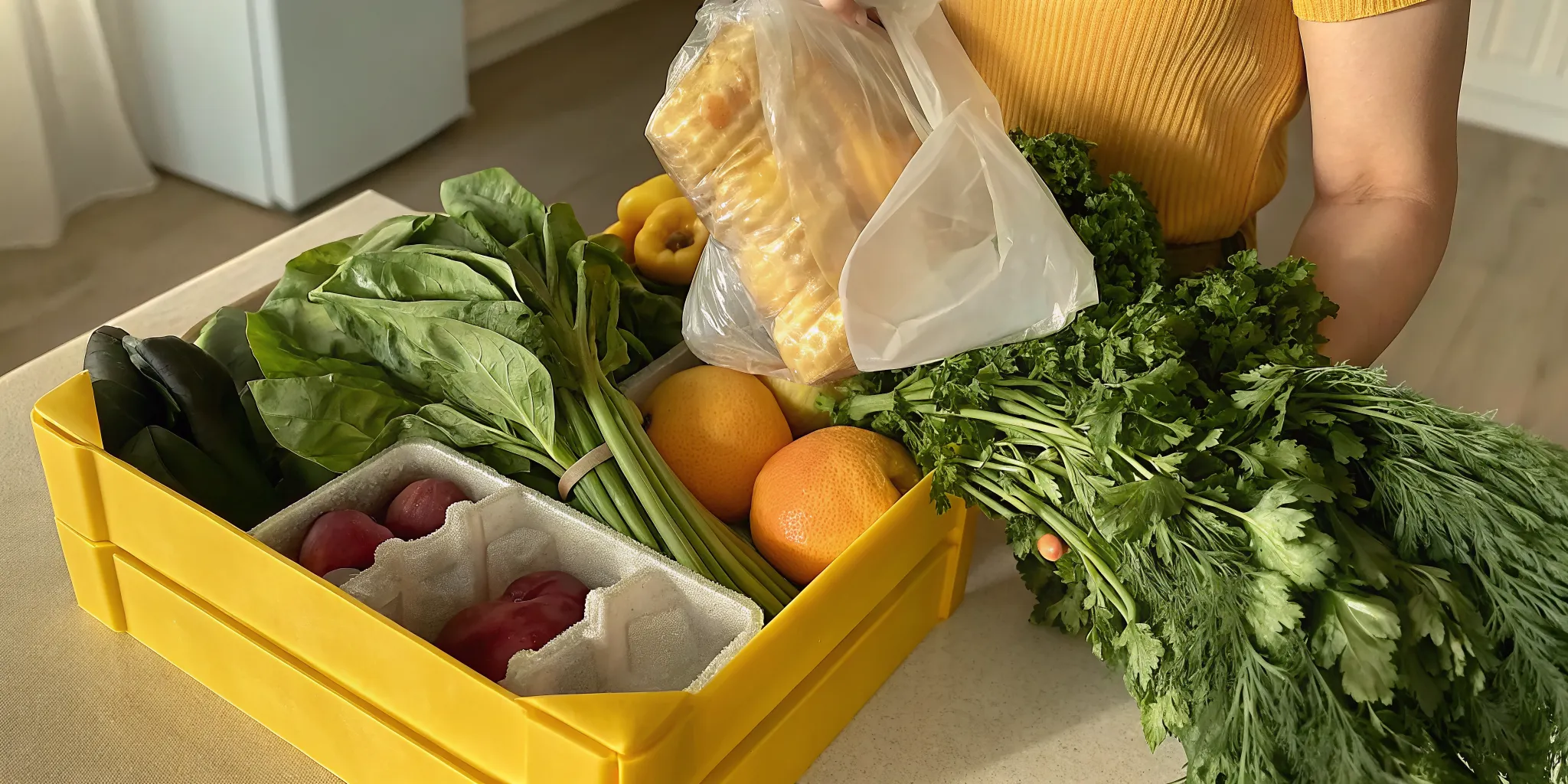
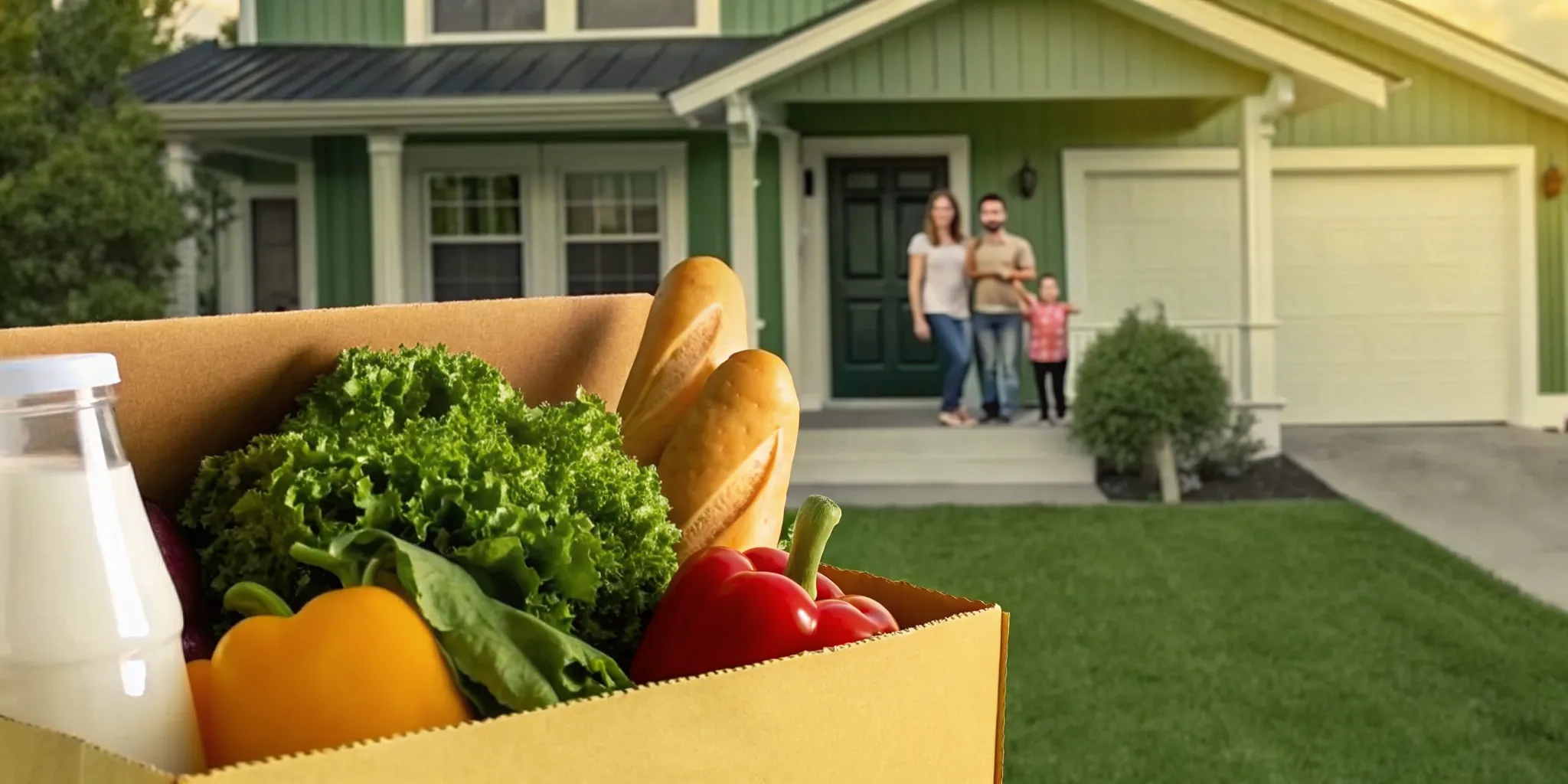
Food waste often starts before a meal is planned: an extra bunch of greens, a duplicate pantry item, or an impulse purchase that never fits into the week. For busy Ontario households, a more deliberate grocery routine can make freshness easier to manage while keeping shopping simple.
A reduce food waste grocery subscription approach helps households plan purchases around a regular delivery, choose more realistic quantities, and avoid buying food simply because it is in front of them. By making the weekly shop more predictable, it gives families a clearer view of what they will use and when.
The result is not a rigid meal plan. It is a practical system that connects ordering habits with portion planning, storage, and the food already at home. Here is how the model can reduce waste from the start.
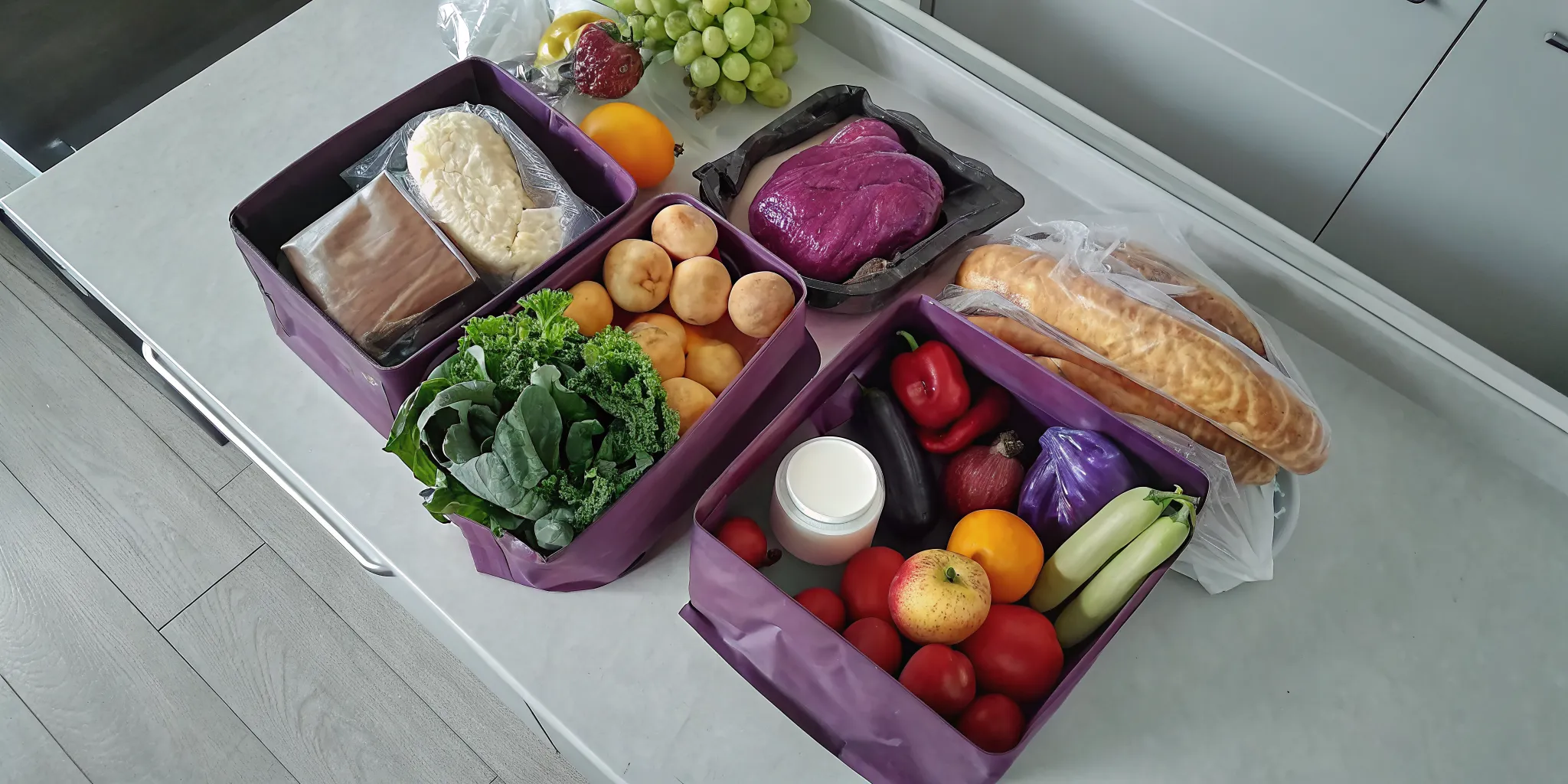
A grocery subscription can reduce waste by connecting what households plan to use with what suppliers prepare and deliver. Instead of relying on broad retail demand, subscription orders create a clearer view of upcoming needs. That information can support more accurate demand forecasting, helping reduce overproduction and excess inventory before food reaches the home.
Planning also changes what happens in your own kitchen. When you choose items in advance. It is easier to buy appropriate quantities and avoid the extra products that often end up forgotten at the back of the fridge. Portion planning gives each item a purpose, whether it is intended for weekday meals, lunches, or snacks. A predictable delivery rhythm can also make it easier to notice what you already have before placing the next order. For more practical ideas, see how to reduce food waste with a grocery subscription.
Traditional retail can involve food sitting on shelves while stores wait for customers to buy it. A direct subscription model uses incoming orders as a stronger signal of demand. With less reliance on retail shelf space, food can move through distribution with fewer opportunities for unsold products to spoil. Direct delivery does not eliminate all supply-chain waste, but it can reduce the retail spoilage associated with products that are displayed, handled, and eventually marked down or discarded.
Yes. The subscription model encourages a curated list rather than an open-ended trip through a store. That distinction matters because online planning makes it easier to review an order before checkout and remove items that do not fit the week ahead. Research from the University of Michigan notes that pre-planning and receiving only what a household needs can reduce impulse purchases that lead to spoilage: read the study summary.
A Drexel academic study found that internet food shopping was associated with decreased household food waste, particularly among lower-income households. The finding does not mean every online order is automatically low-waste. It supports a more useful conclusion: when shopping tools improve planning and access, households may be better positioned to manage inventory and use food before it spoils. A subscription adds routine to that process, while customization helps customers avoid receiving items they will not use.
Most household food waste starts with a mismatch between what gets bought and what can realistically be used. Fresh produce is especially vulnerable. A bag of salad, berries, herbs, or peaches can look practical at the store, then spoil when plans change or the week becomes busy. The same pattern applies to leftovers and ingredients bought for a meal that never gets made.
Bulk buying can make that mismatch worse. Research from Drexel University found that bulk buying correlated with increased food waste across income levels, not only among households with a particular budget or shopping style. Larger quantities may seem efficient, but they create more food to store, remember, and use before quality declines. Read the Drexel study on food retail formats and household food waste.
In-store displays, appealing promotions, and last-minute cravings can turn a focused grocery trip into a much larger shop. Those impulse purchases are often the least connected to a household's meals, which makes them easy to overlook until they spoil. Online ordering and curated lists create more space to check what is already at home before adding another item. Research on online grocery shopping links this planning behaviour with fewer impulse purchases.
Another common source of waste is buying food for an imagined future: the vegetables for a recipe. The extra loaf for a busy week, or the specialty ingredient that will be useful eventually. Without a specific use date, "later" can become forgotten food at the back of the refrigerator. Routine deliveries can help by bringing a manageable amount of fresh food into the home when it is needed. While flexible services let customers skip or modify an order when circumstances change.
That is where a grocery subscription can support a practical plan to reduce food waste: it replaces large. Reactive shops with a repeatable rhythm, more deliberate choices, and quantities that better match the household's schedule. Grocery spending trends also point toward changing habits. Too Good To Go reported that online grocery delivery surpassed $100 billion in 2024 alongside rising grocery costs. Showing how many shoppers are moving toward more planned digital purchasing. Its figures are U.S.-based, so they should not be treated as Canadian data. But the broader shift helps explain why subscription models are becoming part of the food-waste conversation.
The way groceries are selected, packed, and delivered can shape how much food reaches the table and how much is left behind. Traditional weekly shopping and a planned subscription each have different effects on household waste.
| Factor | Traditional Shopping | Tre'dish Subscription |
|---|---|---|
| Impulse buying | Store displays and unplanned promotions can add items that were not on the list. | Online planning makes it easier to select groceries around actual meals and household needs. |
| Portion control | Bulk formats or oversized packs may leave households with more than they can use. | Customers can customize an order and choose quantities with upcoming use in mind. |
| Retail waste | Unsold products can sit on retail shelves and become shrink. | Direct distribution supports a more planned path from warehouse to home. |
| Packaging waste | Packaging varies by retailer and may be difficult to reuse. | Refrigerated deliveries use insulated boxes and ice packs, with boxes that can be repurposed. |
| Food miles | Multiple store trips and longer supply routes can add transport to the routine. | One planned delivery and local Ontario sourcing can streamline the weekly shop. |
| Flexibility | Shopping happens when a household makes a trip, even if plans change afterward. | Orders can be skipped, modified, or canceled when a delivery no longer fits the week. |
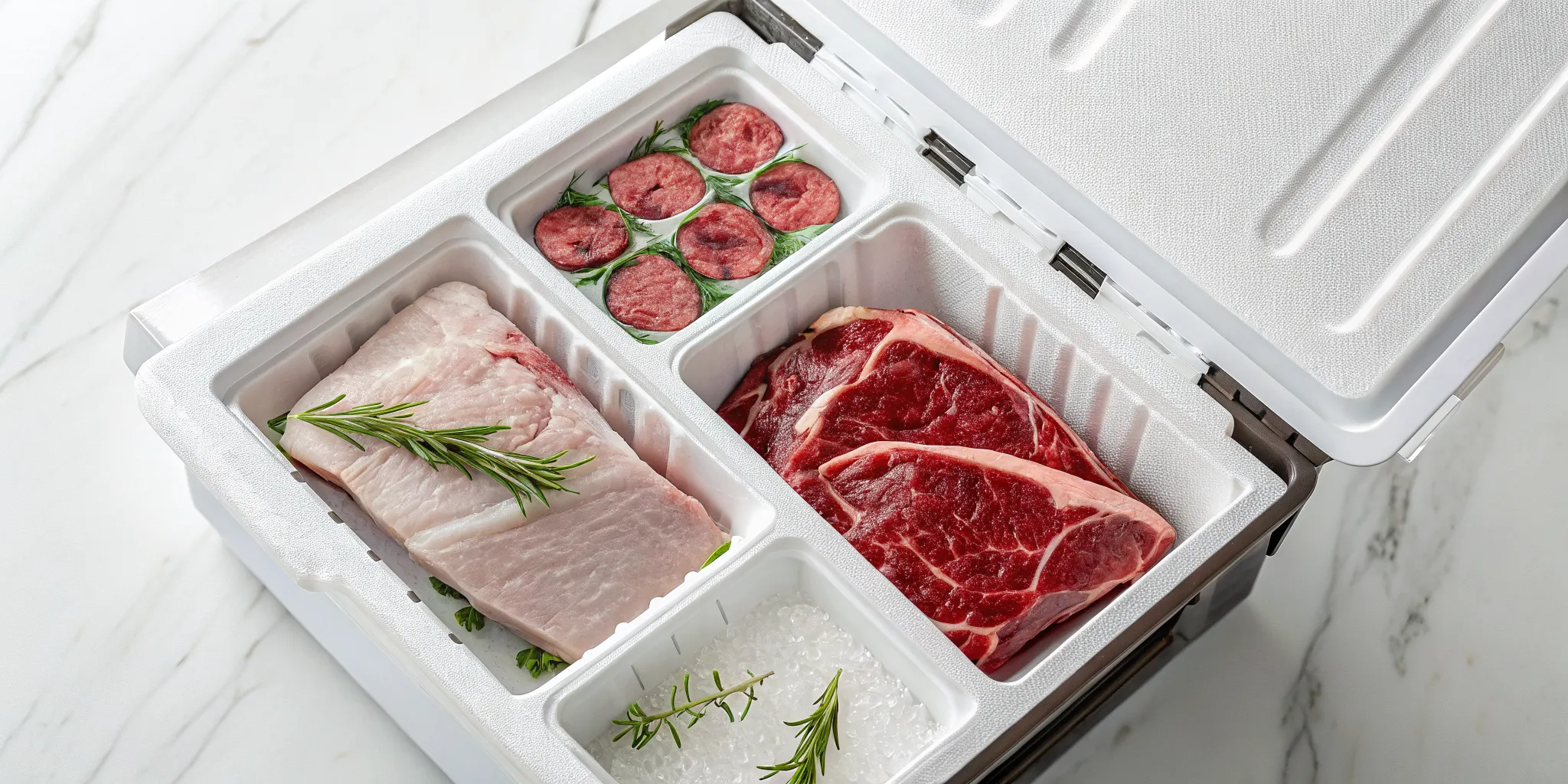
Tre'dish also connects waste reduction with the wider food system. The service sources from more than 200 local Ontario farmers and producers, helping keep regional food networks part of the grocery routine. Refrigerated delivery uses eco-friendly insulated boxes and ice packs to protect freshness, while the boxes can be repurposed at home.
Community impact is part of the model too. Tre'dish partners with Feed Ontario and donates a portion of profits to food security. That gives customers a practical way to connect everyday grocery choices with support for their community.
For Ontario shoppers comparing delivery options, Voila by Sobeys is a notable alternative. The more useful comparison is not simply which service delivers groceries, but which model gives a household enough planning and control to buy what it can use. Tre'dish's skip, modify, and cancel options help keep that control with the customer.
A subscription works best when you treat it as a planning tool, not a fixed box that arrives whether you need it or not. These steps help an Ontario household match each delivery to its real schedule, appetite, and storage space.
Choose a delivery day that gives you enough time to use fresh ingredients during the week. Before the order is finalized, sketch out several meals, check what is already in the fridge and freezer, and note any nights you will be away. Planning the menu first makes it easier to buy for intended meals instead of adding items on impulse. Research from the University of Michigan links pre-planned online grocery shopping with fewer impulse purchases and less spoilage. Read the research on planned grocery shopping and food waste.
Adjust quantities to match the people you are feeding and how often you cook. A couple may need one small package of greens, while a larger family may use several portions before they lose freshness. Tre'dish lets customers customize their orders, so you can select what you intend to use rather than accepting a preset mix. For more on choosing the right produce mix, see these subscription services that reduce food waste. Customization and portion control are especially useful for limiting the "I will use it later" items that often remain forgotten.
Set a simple routine for the day your groceries arrive. Wash or portion foods that are ready to use, store delicate produce where you will see it. And prepare one or two components for the first meals of the week. Predictable delivery can support better inventory management by keeping essential food visible and reducing the chance that it is forgotten. A Penn State review describes this connection between routine online shopping, inventory management, and lower spoilage.
Do not let an automatic schedule turn into an automatic surplus. If you are travelling, hosting guests, or still have plenty of food at home, skip or modify the next order. Tre'dish orders can be skipped, modified, or canceled, which gives you room to respond to real household needs instead of receiving groceries you cannot use.
After each delivery cycle, take two minutes to review what was finished, what was carried into the next week, and what spoiled. If berries disappear quickly, order more next time. If a particular vegetable repeatedly goes unused, reduce the quantity or remove it. This small feedback loop turns your order history into a practical household inventory guide and helps future boxes become more precise over time.
An eco-friendly grocery routine is not only about what you buy. It is also about how food reaches your kitchen, how long it stays fresh, and what happens to the materials around it. Tre'dish combines planned delivery with local sourcing and packaging choices that support a more thoughtful way to shop.
Tre'dish deliveries use insulated boxes and ice packs to keep refrigerated groceries fresh in transit. Boxes can also be repurposed from partners, extending the useful life of shipping materials instead of treating every package as single-use waste. The goal is practical: protect the food without separating convenience from responsible packaging.
Tre'dish works with more than 200 local Ontario farmers and producers. Shorter transit times can mean fresher products when they arrive at your home, and fresher food may store better and last longer. That connection matters because food that remains usable for longer is less likely to be discarded before it can be eaten. Research from the University of Michigan's Ross School of Business links local sourcing and fresher food with reduced household waste: learn how online grocery shopping can reduce food waste.
A direct distribution model can also reduce unnecessary movement between suppliers, retail shelves, and homes. Instead of relying on a long chain of traditional store trips, a planned delivery brings selected groceries to you in one coordinated order. That makes it easier to buy with intention, use what you have, and avoid food that sits forgotten in the refrigerator.
Tre'dish's partnership with Feed Ontario connects everyday grocery choices with community support. One percent of purchases is donated, and the partnership has helped deliver more than 10,000 pieces of produce. For households trying to align convenience with their environmental and social values, this gives the subscription a purpose beyond delivery alone. It is a practical way to reduce food waste, support Ontario producers, and make routine shopping reflect what matters to you.
Yes. A planned delivery gives you a chance to choose what your household can use before the next order, rather than shopping without a clear list. Online grocery planning has been associated with lower household food waste, especially when it helps people manage inventory and avoid buying more than they need. Research from the University of Michigan also connects planned shopping with less impulse buying and better portion control.
Start with the meals and staples you expect to use during the delivery period, then adjust quantities to match your household size. Review what is already in the refrigerator and pantry before confirming an order. With Tre'dish, you can customize, skip, modify, or cancel an order, so the service can follow your schedule instead of creating extra food when plans change.
It can be, especially when deliveries are planned around when you expect to cook. Tre'dish delivers refrigerated groceries in insulated boxes with ice packs to help maintain freshness. It also sources from more than 200 local Ontario farmers and producers, which supports a shorter, more responsive supply chain. Buy quantities you can use promptly, and store each item according to its needs when the delivery arrives.
A few small changes make the model work better. Treat the delivery as your weekly planning anchor, keep a short inventory of items you already have. And avoid adding products simply because they look appealing in the moment. If you will be away or your routine changes, skip or modify the next order. This keeps convenience aligned with actual consumption.
Start reducing your household food waste today. With Tre'dish, you get exactly what you need, delivered weekly across Ontario, with no subscription fees and the flexibility to skip or cancel anytime. Put your groceries on autopilot and stop throwing food away.