The 5 Best Frozen Fish Delivery Services, Ranked
Find the best frozen fish delivery service for your kitchen. Compare top options for quality, variety, price, and convenience to suit your family’s needs.

You’ve probably seen them on social media: beautiful, overflowing boxes of farm-fresh vegetables. The idea is appealing, but maybe you’re a little skeptical. What if you get a bunch of kohlrabi your kids won’t touch? What about the price? It’s easy to wonder if you’ll just end up with a crisper drawer full of good intentions and wilted greens. We get it. That’s why we’re taking an honest look to answer the big question that many households are asking. When you consider the potential for waste and the lack of choice, are organic vegetable boxes worth it for families? Let’s bust some myths together.
An organic vegetable box is a subscription service that delivers fresh, seasonal produce straight to your doorstep. Think of it as a modern-day milkman, but for farm-fresh veggies and fruit. These services are a popular way to get healthy, high-quality food on the table while often supporting smaller, local farmers instead of large grocery chains. The core idea is simple: you get a curated box of what’s best in season, delivered on a predictable schedule. It’s a fantastic way to simplify your grocery routine and add more variety to your meals.
Getting started with a veggie box is usually straightforward. You sign up with a service, choose the box size that fits your household, and decide how often you want a delivery, typically weekly or bi-weekly. The company then curates a box of seasonal produce and delivers it to your home. Many of these services build their entire model around sustainable farming practices, which means your subscription helps support thriving agricultural communities. It’s a system built on trust and predictability, allowing you to put a key part of your grocery shopping on a recurring schedule.
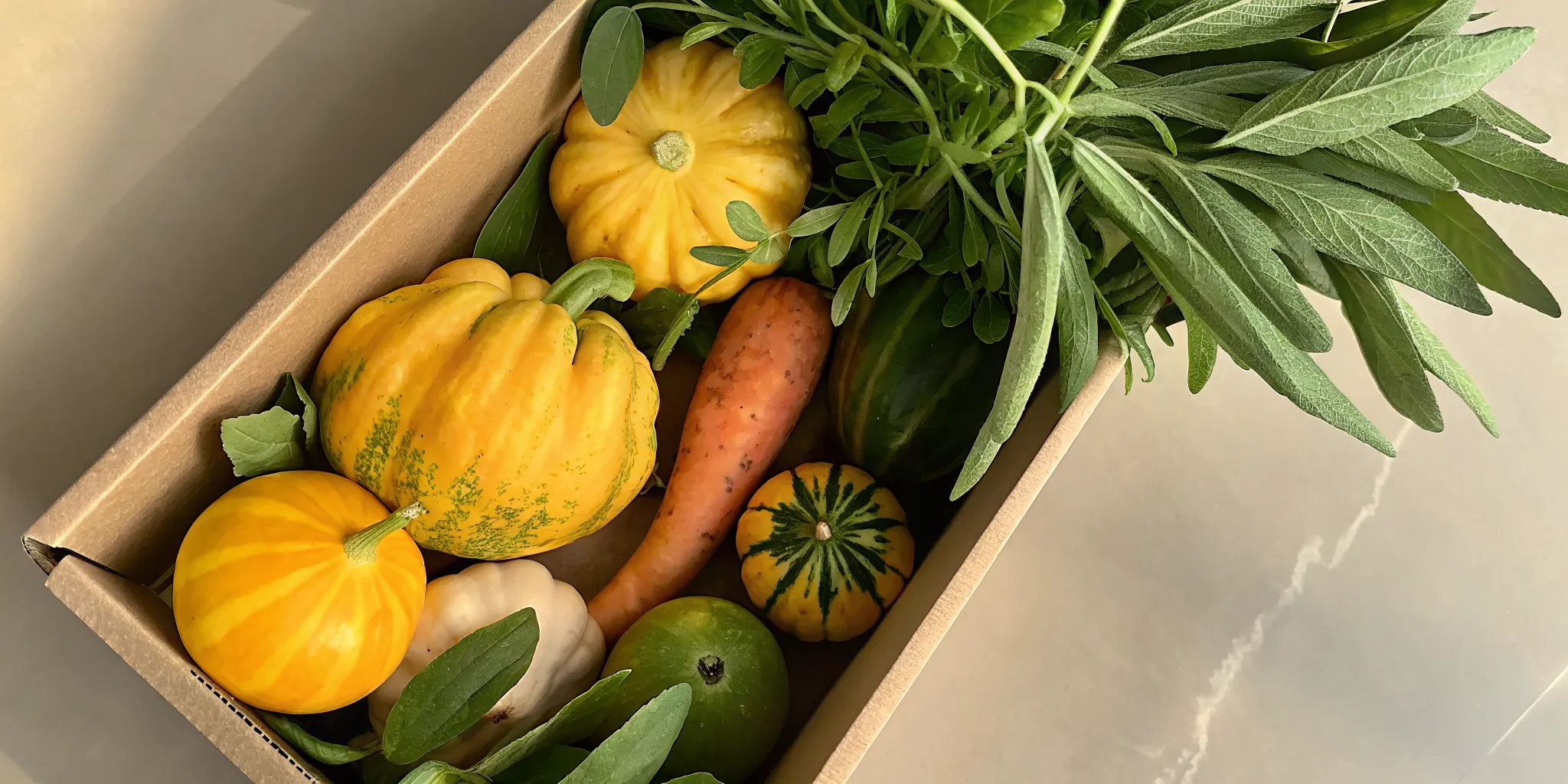
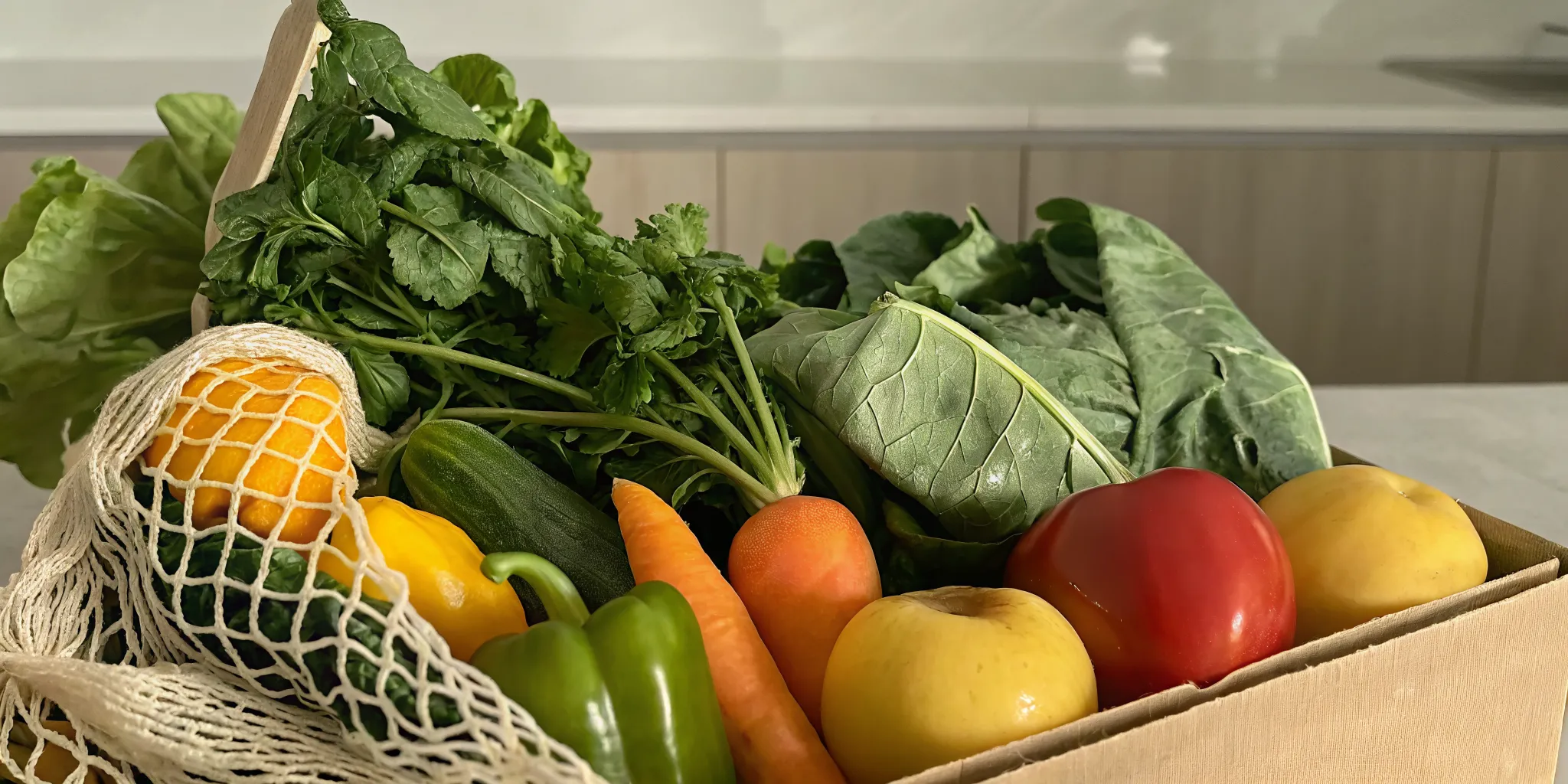
Opening your veggie box can feel like a fun surprise each week. The contents change based on what’s currently being harvested, so you’re always getting food at its peak freshness. A typical box might be filled with a mix of staples and new discoveries. You can expect to find items like crisp lettuce, vibrant carrots, earthy potatoes, and seasonal stars like zucchini in the summer or squash in the fall. Many boxes also include fruit, giving you a well-rounded selection of produce like apples, pears, and berries when they’re in season. It’s a great way to cook with the seasons and try vegetables you might not normally pick up yourself.
The word "organic" gets used a lot, but what does it actually mean for your vegetables? In Canada, for a product to be certified organic, it must be grown and processed according to a strict set of principles. For produce, this means it was grown in soil free of synthetic fertilizers and pesticides. Instead of chemicals, organic farmers rely on natural processes like composting and crop rotation to keep the soil healthy and manage pests. The Canadian organic standards ensure that when you buy organic, you’re getting food grown in a way that prioritizes environmental health.
If you’ve ever stood in a grocery store aisle on a Tuesday evening, trying to remember your meal plan while a toddler has a meltdown, the appeal of a veggie box is crystal clear. It’s not just about getting vegetables delivered; it’s about outsourcing a piece of the endless mental load that comes with feeding a family. The promise is simple: fresh, healthy food shows up at your door, saving you a trip to the store and a bit of your sanity.
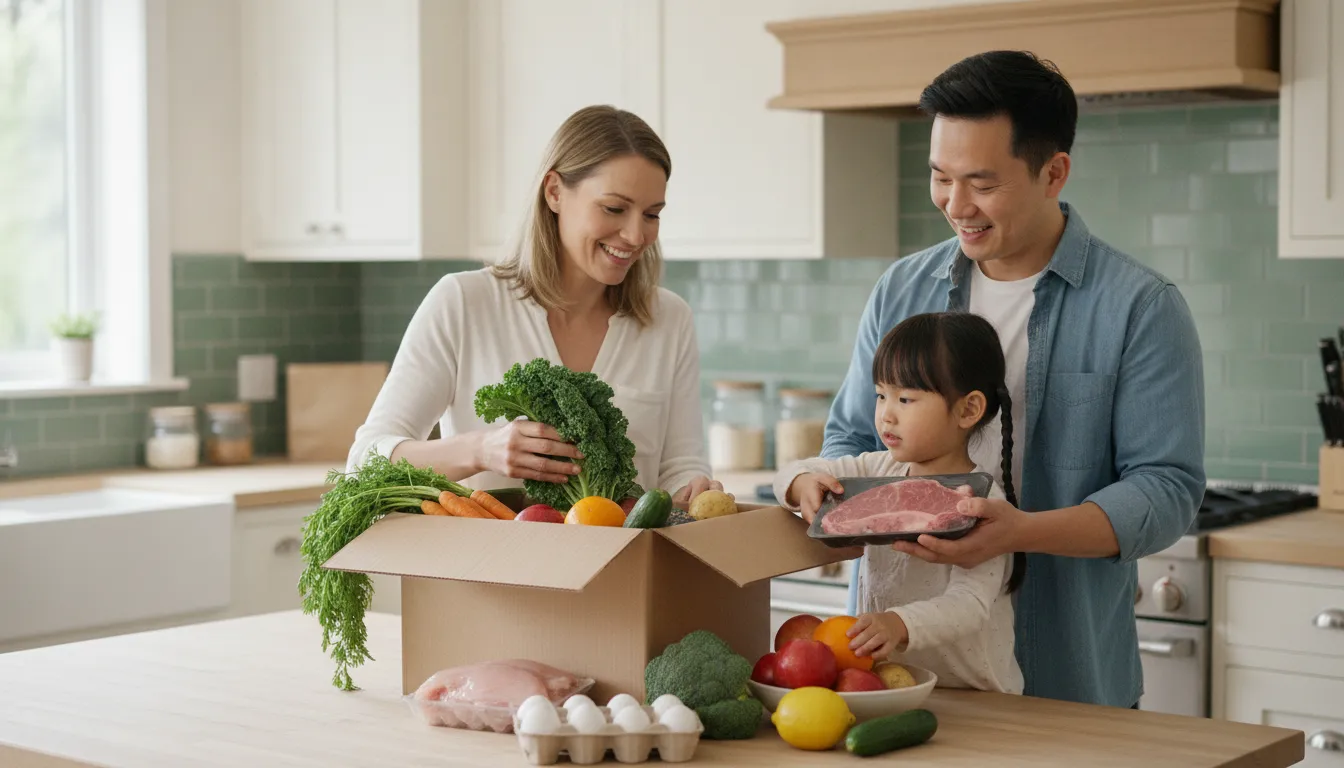
For busy families, these services can feel like a secret weapon. They simplify one of the most repetitive and time-consuming household chores. Instead of wrestling with a shopping cart and a long list, you get to experience the fun part: unboxing a curated selection of produce and dreaming up what you’ll make with it. It’s a small change that can have a big impact on your week, freeing up time and energy for things that matter more than navigating a crowded parking lot. Let’s break down the specific benefits you can expect.
The most immediate and obvious perk is the time you get back. Think about a typical grocery run: the drive to the store, the search for parking, the slow walk through every aisle, the checkout line, and the drive home. It all adds up. A veggie box subscription eliminates that entire process for your produce. These services make it easier to get fresh fruits and vegetables without ever leaving your home. That reclaimed time is yours to spend however you want, whether it’s an extra story at bedtime or a few quiet moments to yourself. It’s the ultimate life hack for a packed schedule.
Produce from a veggie box often comes from a much shorter supply chain than what you find at a large supermarket. This means your fruits and vegetables are often picked just days, not weeks, before they arrive at your door. The result is produce that’s noticeably fresher, crisper, and more flavorful. Because these services work with what’s currently being harvested, you’re also eating with the seasons. You’ll taste strawberries that actually taste like strawberries and tomatoes that are juicy and sweet. Research from The Organic Center suggests that this level of freshness can also mean more nutritious and flavorful produce.
Are you stuck in a rotation of the same three vegetables? A veggie box is a fantastic way to break out of a cooking rut. Each delivery can introduce you to something new, like purple carrots, kohlrabi, or a different variety of kale. It’s a gentle nudge to get creative in the kitchen. Many boxes offer organic produce, and if you tend to buy the same vegetables all the time, a veg box can help you try new things. It can even be a fun way to involve your kids in the cooking process, letting them explore new textures and tastes alongside you.
When you subscribe to a local veggie box, you’re often directly supporting farmers in your region. Your money goes back into your community, helping small, family-run farms continue their work. This creates a tangible connection between you and the people who grow your food. Many produce delivery services prioritize sustainable farming practices, which helps local farming communities thrive. Knowing that your purchase contributes to a healthier local food system and supports Canadian producers adds a layer of meaning to your weekly meals. It’s a simple way to vote with your dollar for a more sustainable future.
For many families, choosing organic is a top priority. Subscribing to an organic veggie box is an easy way to ensure a steady supply of produce grown without synthetic pesticides and fertilizers. The health benefits of organic are a significant factor for many parents looking to provide the best for their kids. Mounting evidence shows that food grown organically is rich in nutrients, such as Vitamin C, iron, magnesium, and phosphorus, with less exposure to nitrates. By making organic produce a staple in your home, you’re taking a proactive step toward a healthier lifestyle for your entire family.
As much as I love the idea of a farm-fresh box arriving at my door, it’s not always a perfect system. Before you sign up for a subscription, it’s important to go in with your eyes open. Like any service, organic veggie boxes come with a few potential drawbacks that might make them a tricky fit for some households.
Being honest about these downsides helps you decide if the benefits truly outweigh the challenges for your family’s lifestyle and budget. From the price tag to the surprise kohlrabi you have no idea what to do with, let’s walk through some of the common hurdles. We’ll cover the higher cost, the potential for food waste, issues with quality, and the lack of control you might have over what you get each week.
Let’s start with the most obvious one: the price. Organic veggie boxes are often more expensive than buying conventional produce at the grocery store. This isn't just a markup for convenience; it reflects the real cost of organic farming. Growing food without synthetic pesticides and hormones, while also ensuring it's GMO-free, simply requires more labor and resources. These higher standards contribute to the many health benefits of organic foods, but they also lead to a premium price. For families on a tight budget, the added expense can be a significant factor to consider, making it a trade-off between cost and quality.
A box filled with a surprise assortment of produce can be exciting, but it can also lead to food waste if you’re not prepared. You might receive vegetables you’re unfamiliar with or get more of something than you can use before it goes bad. While many services do a great job of rescuing "ugly" produce that might otherwise be discarded, the responsibility to use it all falls on you. To get ahead of this, it helps to have a strategy. One of my favorite tips to reduce food waste is to create an "Eat This First" shelf in the fridge for items that need to be used up quickly.
While the goal of a veggie box is to deliver peak-season produce, quality can sometimes be a mixed bag. Because organic produce contains fewer preservatives, its shelf life can be shorter than what you’re used to from the supermarket. Some users report receiving vegetables that are already wilting or, in some cases, even lower quality than what they’d pick themselves. This inconsistency can be frustrating when you’re counting on fresh ingredients for your weekly meals. Although studies often detail the sustainability benefits of organic produce, the real-world experience doesn't always match the ideal.
If you’re a dedicated meal planner or have picky eaters at home, the surprise element of a veggie box can feel more like a challenge than a treat. Many services curate the box for you based on what’s available that week. While some offer customization, like letting you swap items or create a "dislikes list," you rarely get the same level of control as you do when you write your own grocery list. This lack of choice is a common reason people cancel their subscriptions. If your weekly menu depends on specific ingredients, you might find that many veg boxes don't offer the flexibility you need.
The word "organic" gets thrown around a lot, and it often comes with a whole set of assumptions. It’s easy to get swept up in the hype, but as smart shoppers, it’s our job to know what we’re actually paying for. Let's clear the air and look at what "organic" really means by tackling some of the most common myths head-on.
This is one of the biggest misconceptions out there. While you’re right to associate organic with fewer chemicals, it doesn’t mean zero pesticides. The key difference is the type of pesticides used. Organic farming standards prohibit the use of most synthetic pesticides and fertilizers. Instead, farmers can use approved substances, which are typically derived from natural sources. So, while organic produce generally has much lower levels of synthetic pesticide residue, it isn't grown in a completely sterile bubble. The goal of organic farming is to work with the ecosystem, not against it, which includes using approved methods to manage pests. You can read more about the myths about organic food to understand the nuances.
Many of us reach for organic produce thinking it’s packed with more vitamins and minerals. While some studies have found that organic fruits and vegetables can have higher levels of certain antioxidants, the overall nutritional differences are often quite small. According to some experts, the most consistent benefit of eating organic is what you’re not getting: lower exposure to synthetic pesticide residues. So, if you’re choosing organic for health reasons, it’s more about reducing your chemical intake than getting a major nutritional advantage. Thinking about the myths about organic food helps put the benefits into perspective.
It’s true, organic foods often come with a higher price tag, and it’s fair to ask why. The extra cost isn't just a fancy label markup. It reflects the real costs of organic farming. These methods are often more labor-intensive, since farmers can't rely on synthetic chemicals for weed and pest control. There are also strict certification processes that farmers must pay for to earn and maintain their organic status. These myths about organics are common, but understanding the process shows the price is tied to sustainable practices and quality assurance. It’s all about transparent value, which is what we believe in at Tredish, where we focus on fair pricing by creating a more direct path from the farm to your table.
When you're standing in the produce aisle, it’s easy to compare the price of one head of broccoli to another. But comparing a veggie box subscription to your typical grocery run isn't quite as straightforward. You have to look beyond the sticker price and consider the whole picture: the cost, the quality of the produce, and the time you spend getting it all home. Let's break down how the two options really stack up.
It’s a common belief that veggie boxes are a splurge. While some premium services can be pricey, others might actually offer produce at lower prices than your local supermarket. The key is to compare apples to apples, literally. Are you comparing a box of certified organic, locally grown produce to the conventional options at the store? The price difference often reflects a gap in quality and sourcing. A fair comparison involves looking at the cost of a similar organic basket at the grocery store. When you do that, you might be surprised to find the box offers competitive value, especially when you factor in the quality you receive.
This is where veggie boxes often have a clear advantage. Produce from a subscription service frequently comes directly from the farm, bypassing long transit times and days spent in a warehouse or on a store shelf. This shorter supply chain means you get vegetables that are often harvested just days, or even hours, before they arrive at your door. The result is produce that’s not only fresher and more flavorful but also packed with the nutrients that can diminish over time. Plus, many services focus on seasonal eating, giving you access to the best of what’s growing right now.
Your grocery bill only shows the financial cost, but what about the cost to your time and energy? Think about a typical grocery run: planning your list, driving to the store, finding parking, searching the aisles, waiting in line, and carrying it all home. These tasks add up. A veggie box delivery eliminates that entire routine, giving you back precious hours in your week. This convenience is a huge benefit for busy families. It’s not just about saving money; it’s about automating a repetitive chore so you can focus on what really matters.
One of the biggest hurdles with a veggie box subscription is making sure nothing goes to waste. It’s easy to feel a little overwhelmed when a box of beautiful, fresh produce arrives on your doorstep. You have the best intentions, but life gets busy, and before you know it, those leafy greens are looking a little sad. The key is to have a simple game plan.
Getting the most out of your box isn’t about becoming a Michelin-star chef overnight. It’s about building a few easy habits that help you use what you have, save money, and reduce food waste. By planning your meals around your delivery, storing your produce properly, and making sure you’ve picked the right size box for your family, you can turn that weekly delivery from a source of stress into a source of delicious, healthy meals. If you find the lack of choice challenging, a service like Tredish puts you in control, letting you build a custom subscription with groceries on autopilot.
The best way to prevent your produce from ending up in the compost bin is to have a plan. As soon as your box arrives, take a few minutes to see what you’ve got. Make a quick list and think about a few meals you can build around the ingredients. A little awareness of what’s in your kitchen is a great first step to reduce food waste and make your habits greener.
Try to use the most delicate items first. Leafy greens, fresh herbs, and mushrooms should be on the menu early in the week. Heartier vegetables like carrots, potatoes, and squash can wait. If you get something unfamiliar, a quick search for recipes can turn a mystery vegetable into your new favourite side dish.
How you store your fruits and vegetables can make a huge difference in how long they last. A common mistake is washing everything as soon as it comes into the house, but for many items like berries and greens, this can actually make them spoil faster. It’s better to wash them just before you use them. You can also create an “eat this first” shelf in your fridge for items that are nearing their end, so nothing gets pushed to the back and forgotten.
A few simple tricks can go a long way. Keep potatoes and onions in a cool, dark place, but store them separately to prevent sprouting. You can wrap celery in aluminum foil to keep it crisp and treat fresh herbs like a bouquet of flowers by placing them in a glass of water.
It might sound obvious, but ordering too much food is one of the fastest ways to create waste. Before you commit, be honest about how much produce your family realistically eats in a week. It’s often better to start with a smaller box. You can always scale up if you find yourself running out of food before your next delivery. Most services are flexible and allow you to adjust your subscription.
If you find that even the smallest box is too much or the selection doesn’t quite fit your family’s tastes, it might be a sign that a traditional veggie box isn’t the right fit. An alternative is a customizable grocery subscription where you can build your own order with the exact items and quantities you need each week.
This is the big question, and the honest answer is: it depends. A veggie box subscription can be a game-changer for some families and a frustrating expense for others. Making the right choice comes down to understanding your family’s eating habits, your budget, and how much you value convenience versus control. Let's walk through the scenarios where a veggie box shines and where you might be better off with a different approach. This will help you decide if it’s the right fit for your weekly routine.
A veggie box subscription can be a fantastic fit if your family loves culinary adventures and you prioritize eating fresh, seasonal foods. They are an incredibly handy way to get healthy food delivered to your door, saving you a trip to the store. This is a huge win for busy parents. Plus, you get the satisfaction of supporting smaller, local Canadian farms. Many people find that the produce is more nutritious and flavorful than what they’d find at a large supermarket, encouraging everyone (even the kids!) to eat more vegetables. If you enjoy the surprise of discovering new veggies and building your weekly menu around what’s fresh, a box subscription could be perfect for you.
On the other hand, a veggie box isn't for everyone. If you have picky eaters or a tight grocery budget, the lack of control can be a major drawback. The surprise element means you might receive vegetables your family won't touch, leading to food waste. Some people find they don't use all the food they receive, feeling they could have spent their money more wisely at the store. While organic foods often have fewer pesticides and preservatives, the "what will I do with this?" stress can be real. If you rely on a specific meal plan or need predictable ingredients for your weekly staples, the randomness of a veggie box might be more trouble than it's worth.
Once you’ve decided to try a produce subscription, the next step is finding the right company. Not all services are created equal, and the best one for you will depend on your family’s eating habits, schedule, and budget. Think of it as hiring an assistant for your grocery shopping. You want someone reliable, flexible, and aligned with your values.
The goal is to find a service that genuinely makes your life easier, not one that adds another task to your to-do list. A great veggie box subscription should feel like a seamless part of your routine, delivering fresh, exciting produce that you’re eager to use. Before you commit, take some time to review a few key features to ensure you’re making a choice that will work for you in the long run. Use the following points as a checklist to help you vet your options and find the perfect fit for your household.
One of the biggest hesitations people have with veggie boxes is the fear of receiving food they won’t eat. No one wants a fridge full of kale if your family won’t touch it. That’s why customization is key. The best services offer flexibility, allowing you to get more of what you love and less of what you don’t.
Some platforms let you customize your box of produce, giving you the choice between organic, a mix of fruits and vegetables, or even an all-fruit option. Others go a step further, allowing you to swap out specific items before your box is packed. This level of control helps you reduce food waste and makes meal planning much more straightforward. Before signing up, check what level of personalization the service offers.
A major appeal of produce delivery is the opportunity to eat fresh, seasonal food while supporting your local economy. Many services make this a core part of their mission, but it’s always a good idea to verify their claims. A truly transparent company will be proud to share where its food comes from.
Check the service’s website for information on their sourcing policies. Do they name the farms they partner with? Do they explain what "local" means to them? Produce delivery services that prioritize sustainable farming practices can help farming communities thrive. Finding a service that is open about its partnerships is a great sign that you’re investing in quality and supporting Canadian producers with every order.
Logistics are a crucial, but often overlooked, part of choosing a subscription service. You need to make sure the delivery schedule works for your life. Some companies deliver on a set day each week for specific neighborhoods, which is often done to reduce their carbon footprint and keep costs down.
Find out what the delivery days are for your area and what the typical time window is. It’s also important to ask what happens if you’re not home. Most services can leave the box on your doorstep, but you’ll want to confirm that the packaging is insulated enough to keep your produce fresh until you can bring it inside. A convenient delivery schedule is essential for a stress-free experience.
Life is unpredictable. You might go on vacation, have a week with lots of dinner plans, or simply find your fridge is still full from the last delivery. A flexible subscription service understands this and won’t lock you into a rigid contract. Before you sign up, make sure the service allows you to easily pause, skip a delivery, or cancel your account.
Look for a company that gives you control through a simple online dashboard. You should be able to manage your subscription without having to call customer service or jump through hoops. This flexibility is a hallmark of a confident, customer-focused brand. It shows they believe their service is good enough that you’ll want to stick around, without needing to force you.
While organic veggie boxes are a fantastic way to get fresh produce, what if you could apply that same convenience to your entire grocery list? If you’re looking to save time and streamline your shopping, you might be ready for a more complete solution. This is where a service like Tredish comes in.
Instead of just produce, you can put your entire weekly shop on autopilot, including high-quality proteins, dairy, and pantry staples. We focus on predictable quality and convenience, delivering Canadian-sourced groceries on a reliable schedule. You get the freshness you’d expect from a farmer’s market with the ease of a subscription, all while saving an average of 25% on your basket. It’s not just a veggie box; it’s your whole grocery run, simplified.
I'm worried about getting weird vegetables I won't use. How can I avoid food waste? This is a really common concern, and the best way to handle it is with a simple plan. When your box arrives, take a quick inventory and plan a few meals around the most delicate items, like leafy greens. For any unfamiliar vegetables, a quick recipe search can turn a mystery into a new family favorite. It also helps to start with the smallest box size to see how much your family actually goes through in a week.
Is an organic veggie box actually cheaper than the grocery store? It depends on what you’re comparing. If you put a box of premium, locally sourced organic produce next to conventional produce from a big-box store, the veggie box will likely seem more expensive. A fairer comparison is to price out a similar basket of organic items at the grocery store. When you do that, you’ll often find the value is quite competitive, especially when you account for the superior freshness and the time you save by skipping a trip to the store.
What's the real benefit of 'organic' if it's not always more nutritious? While some studies show slightly higher antioxidant levels in organic produce, the most consistent health benefit is about what you’re not consuming. Choosing organic significantly reduces your family’s exposure to synthetic pesticide residues and fertilizers. So, you can think of the primary advantage as a cleaner, more natural approach to the food you eat every day, which is a huge plus for many parents.
What if I'm not home when my box is delivered? Most delivery services are designed for busy people and anticipate that you might not be home. They typically use insulated boxes or cooler bags to keep your produce fresh on your doorstep for several hours. Before you sign up, it’s always a good idea to check the company’s specific delivery policies and find out what the typical delivery window is for your neighborhood so you know what to expect.
How is a service like Tredish different from a standard veggie box? A standard veggie box is a great solution for fresh produce, but it only solves one piece of the grocery puzzle. Tredish takes that same idea of convenience and applies it to your entire shopping list. Instead of a curated surprise, you build your own recurring order with the high-quality produce, proteins, and pantry staples your family actually needs. It gives you the control that many veggie boxes lack, putting your whole grocery run on autopilot while delivering significant savings.