How to Find the Best Place to Buy Groceries
Find the best place to buy groceries with tips on comparing prices, quality, and convenience so you can shop smarter and enjoy fresher food every week.

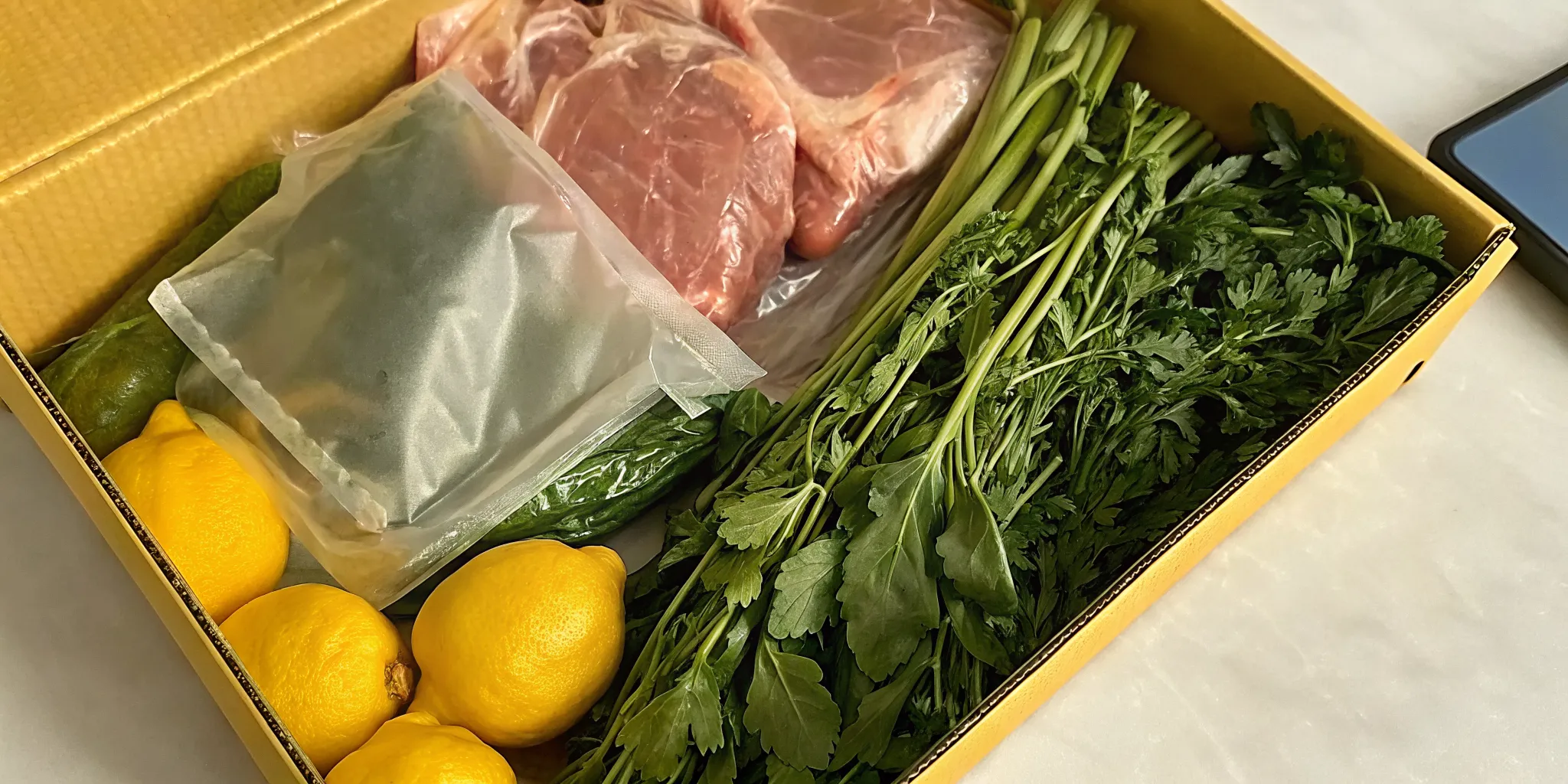
When you click “buy” on a beautiful cut of steak online, you’re trusting a complex process to unfold perfectly behind the scenes. That steak has a whole journey to take before it lands on your doorstep, and every step matters for its quality and safety. For many people, this invisible process is the source of their biggest concern. So, is ordering meat online safe? The answer lies in understanding that journey. From strict government regulations and transparent farm partnerships to insulated packaging and temperature control, reliable suppliers leave nothing to chance. Let’s pull back the curtain on how your meat gets from the source to your kitchen safely.
It’s a fair question to ask. When you can’t see or touch the meat yourself, how do you know it’s fresh and safe to eat? Trustworthy online grocers take this concern seriously and have multiple systems in place to ensure the meat that arrives at your door is top-quality. It all comes down to a combination of strict government oversight, clear labeling, and transparent sourcing practices. When a company gets these three things right, you can feel confident about adding their chicken, beef, or fish to your cart.
Understanding what goes on behind the scenes can help you spot a reliable supplier. From the farm to the processing facility to the delivery truck, every step is designed with food safety in mind. Let’s walk through what you should look for to make sure your online meat order is handled with care from start to finish.
In Canada, we have strong rules to keep our food safe. The Canadian Food Inspection Agency (CFIA) sets and enforces these standards for any meat sold in the country. Reputable online meat suppliers only work with farms and processing facilities that are federally or provincially inspected. This means they follow strict guidelines for hygiene, handling, and temperature control to prevent contamination and ensure the meat is safe for consumption. When a company is committed to these regulations, it shows they prioritize your health and safety above all else, giving you peace of mind with every order.
Labels are your best friend when shopping for meat online. Before you even think about clicking "add to cart," take a moment to review the product details. A trustworthy supplier will provide a clear image of the food label, allowing you to read the ingredients and nutrition facts. Look for any certifications that matter to you, like "Certified Organic," "Grass-Fed," or "Raised Without Antibiotics." These labels aren't just marketing fluff; they represent specific standards the producer has met. A transparent company makes this information easy to find, empowering you to make an informed choice that aligns with your family’s needs and values.
When an online grocer highlights their partnerships with local farms, it’s a great indicator of quality and safety. These relationships often mean a shorter, more transparent supply chain. The meat travels a shorter distance from the farm to you, which helps maintain its freshness. Companies that source directly from Canadian producers tend to have higher standards, often choosing farms that raise animals humanely and without added hormones or unnecessary antibiotics. This direct line of sight into the sourcing process builds a level of trust that’s hard to achieve otherwise, ensuring you get high-quality meat you can feel good about.
Getting meat delivered to your door can feel like a leap of faith, but trustworthy suppliers have perfected the process with science-backed packaging. It’s not just about putting meat in a box; it’s a carefully designed system to keep your food fresh and safe from the farm to your kitchen. When a company gets this right, you can feel confident that the quality inside the box is just as high as when it left the supplier. The entire system is built around three key elements: sealing, insulation, and temperature control. Let's break down what that looks like.
The first step to ensuring quality is how the meat is sealed. Reputable companies use vacuum-sealing, which removes all the air from the package before sealing it tight. This process is crucial because it prevents freezer burn and stops the growth of bacteria that need oxygen to thrive. As experts suggest, "The meat should be frozen when it's at its freshest. It should be sealed in vacuum-packed bags." This locks in the flavor, color, and texture, so the meat you receive is as fresh as possible.
Next, that sealed meat goes into an insulated box. Think of it as a personal cooler for your order. These liners or boxes create a barrier that protects the contents from outside temperatures, ensuring the cold stays in and the heat stays out during transit.
Inside the insulated box, you’ll find a cooling agent, usually dry ice or gel packs. While both are effective, they serve slightly different purposes. Many companies "use dry ice and special insulated boxes to keep the meat very cold." Dry ice is frozen carbon dioxide, and it’s much colder than regular ice. It keeps meat frozen solid, which is ideal for longer shipping times or warmer climates. Gel packs are also excellent and are often used to keep products refrigerated or chilled rather than frozen solid. The choice of cooling agent shows a supplier’s attention to detail, as they select the best option to maintain the ideal temperature for your specific order until it reaches your doorstep.
Ultimately, sealing, insulation, and cooling agents all work together for one critical reason: temperature control. Meat must be kept out of the temperature "danger zone" (between 4°C and 60°C) where bacteria can multiply rapidly. A trustworthy supplier’s top priority is food safety, and their packaging reflects that commitment. When your order arrives, the meat should feel very cold or be completely frozen. As one source puts it, "Your beef should arrive frozen or very cold to the touch." This is the clearest sign that the packaging did its job and your meat has been kept at a safe temperature throughout its journey. This non-negotiable standard is what separates a reliable online grocer from the rest.
The moment your grocery box arrives is a little bit like opening a present. But before you start prepping for dinner, it’s smart to run through a quick safety check, especially for your meat and proteins. A trustworthy service like Tre’dish takes every precaution to ensure your food arrives fresh and safe, but it’s always good practice to give it a once-over. Think of this as your final quality control step. It only takes a minute and gives you complete peace of mind, ensuring the delicious, high-quality meat you ordered is perfect for your family’s table. This simple routine will help you feel confident and in control of your kitchen.
The first thing to do is a quick temperature check. Your meat should feel cold to the touch, as if it just came out of a refrigerator. If it’s a frozen product, it should be solid with no signs of thawing. According to food safety experts, you want to make sure the meat is fully frozen or cool to the touch. This is because perishable foods need to stay below 4°C (40°F) to prevent the growth of harmful bacteria. While you probably won’t need a thermometer for every order, just using your hands to check the temperature is a fast and effective first step to confirm everything is in the safe temperature zone.
Next, give the packaging a good look. Your meat should be securely sealed, usually in vacuum-packed plastic. Look for any tears, punctures, or leaks in the packaging. A key warning sign is a swollen or puffy package, which can indicate bacterial activity. As the Cleveland Clinic advises, you should look for leaks or if the package is swollen, as these can be signs that the food is spoiled. A tight, intact seal is crucial for keeping the meat fresh and free from contamination during its journey to your door. If the seal is compromised, the meat’s quality and safety could be at risk, so this is a non-negotiable checkpoint.
Your senses are some of the best tools you have for judging food freshness. Once you open the package, take a moment to assess the meat’s appearance and smell. Fresh meat should have a neutral or slightly metallic scent, but it should never smell sour, fishy, or like ammonia. Visually, look for a consistent, appropriate color and check the texture. If the food smells bad or looks fizzy when you open it, don't eat it. A slimy film or any discoloration that seems unusual are also red flags. Trust your gut instinct here; if something seems off, it probably is.
Before you put your meat away, take a second to read the label. Check the "best before" or "packaged on" date to make sure you have plenty of time to enjoy it. This is also a good time to confirm you received the exact cut and product you ordered. Reputable suppliers are transparent and provide clear, easy-to-read labels with all the necessary information, including ingredients and weight. Understanding food labelling in Canada can help you feel more confident about what you’re buying and serving. It’s a simple habit that ensures you’re getting the quality and freshness you paid for.
What should you do if your order doesn’t pass these checks? If the meat arrives warm, the packaging is broken, or it just seems off, don’t hesitate to act. Your first step should be to document the issue by taking a few photos. Then, contact the company’s customer service team immediately. A trustworthy online grocer will have a clear and fair refund or replacement policy for these exact situations. They want you to be happy and confident in their quality. Don’t feel bad about reporting an issue; you’re not just protecting your purchase, you’re also helping the company maintain its quality standards.
Ordering meat online is incredibly convenient, but it’s smart to be aware of the potential risks. When you’re not physically picking out your cuts at a butcher counter, you’re placing a lot of trust in the supplier to handle everything perfectly. The main concerns all come down to food safety: keeping the meat at the right temperature from the farm to your front door. A single misstep in handling, packaging, or delivery can compromise the quality and safety of your food. But don't worry, knowing the risks is the first step to avoiding them and making sure you only buy from companies that put safety first.
The biggest risk when buying meat online is a break in the "cold chain." This is the uninterrupted flow of refrigerated production, storage, and distribution. If your meat isn't kept at a consistently cold temperature, it can enter the temperature "danger zone" (between 4°C and 60°C), where bacteria can multiply rapidly. This is why it's so important to be careful about who you buy from. A reputable company will have strict protocols for handling and packing to ensure your meat stays safely chilled all the way to your kitchen. They understand that their reputation rests on delivering a product that is not only delicious but also perfectly safe to eat.
Even with the best packaging, unexpected shipping delays can pose a serious safety risk. If a package sits in a non-refrigerated warehouse or on a truck over a long weekend, the ice packs or dry ice can lose their effectiveness. This is why savvy online meat suppliers are strategic about when they ship. Many will only ship on certain days of the week, like a Monday or Tuesday, to ensure there are no delays over the weekend. This small detail is actually a huge green flag. It shows the company is thinking ahead and prioritizing the safety of your food over simply getting it out the door.
You can often spot a less-than-reputable supplier before you even click "buy." Be on the lookout for red flags that suggest a company might be cutting corners. A major one is a lack of transparency. Can you easily find information about where their meat comes from? Are the ingredients and nutritional facts clearly listed for processed items like sausages or marinades? Also, take a look at their website. Is it professional, or is it filled with typos and broken links? A trustworthy business invests in a clear, professional online presence and is proud to share details about their products and sourcing.
The best way to have a safe online meat shopping experience is to do a little homework first. Before you place an order, research the company. Read customer reviews on different platforms, not just the testimonials on their own site. Look for a supplier that is transparent about its sourcing, safety protocols, and packaging methods. A company you trust will make this information easy to find because they are confident in their process. By choosing suppliers who are open and honest, you can feel confident that you’re getting high-quality, safe meat delivered right to your door.
Finding a reliable online meat supplier is about more than just convenience; it’s about trusting what you bring into your kitchen. The good news is that a little bit of homework can help you confidently choose a service that delivers on quality, safety, and taste. When you know what to look for, you can easily separate the great suppliers from the questionable ones. A trustworthy company will be transparent, stand by its products, and make it easy for you to get answers. By focusing on a few key areas, you can find a supplier that you’ll be happy to order from again and again.
Before you click “add to cart,” take some time to do a little digging. Start by looking past the perfectly styled photos on social media and find out what real customers are saying. Check the company’s history and read reviews on independent sites to get a balanced picture. Look for patterns in the feedback. Are people consistently praising the freshness and quality, or are there recurring complaints about delivery issues, poor packaging, or spoiled products? While a single bad review isn't a dealbreaker, a steady stream of them is a major red flag. Your goal is to find a supplier with a proven track record of keeping customers happy and safe.
Great suppliers are proud of where their meat comes from and are happy to share the details with you. Look for a company that is transparent about its sourcing practices. Do they tell you about their partner farms? Do they explain their standards for animal welfare or mention if their products are raised without unnecessary antibiotics or hormones? This information is a strong indicator of quality. Companies that prioritize partnerships with local, reputable farms often have a deeper commitment to freshness and accountability. When a supplier is open about its sourcing, it shows they have nothing to hide and are confident in the quality of the meat they sell to you.
Just as you would in a grocery store, you should be able to easily check the label before you buy. A trustworthy online supplier will provide clear, detailed product information on its website. For any cut of meat, you should be able to find its origin, and for processed items like sausages or burgers, a full ingredient list is essential. Check for any strange spellings or unprofessional-looking labels, as these can be signs of a less-than-reputable seller. Having access to this information allows you to make an informed choice and ensures you know exactly what you’re feeding your family. This level of labeling transparency is a non-negotiable for any safe online food supplier.
Even with the best services, things can occasionally go wrong. A delivery might get delayed, or an item might not meet your expectations. A reputable company understands this and will have a clear, fair policy for handling these situations. Before you place your first order, look for their return and refund policy. It should be easy to find and understand. A supplier that stands behind its product will offer a straightforward solution, like a refund or replacement, if your order isn't right. This policy is more than just fine print; it’s a promise of good customer service and a sign that the company is confident in its ability to deliver a safe, high-quality product.
When you find a supplier you love, a subscription can be a game-changer for your weekly routine. While one-time orders are great for trying a new service, a subscription model builds a relationship based on consistency and trust. With each successful delivery, you gain more confidence in the supplier’s quality and reliability. Services like Tre’dish are built on this trust, allowing you to put your groceries on autopilot knowing you’ll receive top-quality meat on a predictable schedule. This recurring model incentivizes suppliers to maintain high standards, as their business depends on your continued satisfaction. Ultimately, the safest option is the one that comes from a supplier you’ve vetted and trust, whether you order once or every week.
What's the single most important thing to check when my meat delivery arrives? The absolute first thing you should check is the temperature. Your meat should feel very cold to the touch, as if it just came out of the fridge. If it’s a frozen item, it should be frozen solid. This is the best and quickest indicator that the packaging did its job and the meat was kept at a safe temperature throughout its journey to you.
Is frozen meat lower quality than fresh meat? Not at all. In fact, when done correctly, freezing is one of the best ways to preserve quality. Trustworthy suppliers often vacuum-seal and flash-freeze their meat at its peak freshness. This process locks in the flavor, nutrients, and texture, essentially pausing time until you’re ready to cook. It’s a far better method for preserving quality than letting meat sit for days in a refrigerated display case.
My delivery was delayed. Is the meat automatically unsafe to eat? A delay doesn't automatically mean the meat is spoiled, but you should be extra cautious. Reputable companies use packaging designed to last longer than the estimated shipping time. When your box arrives, run through the safety checklist: check if the meat is still cold or frozen, inspect the packaging for any leaks or damage, and trust your senses. If anything seems off, or if the meat is lukewarm, don't risk it. Contact the company’s customer service team right away.
How can I tell if a company is truly transparent about where its meat comes from? A transparent company will give you specific details, not just vague promises. Look for a website that proudly shares information about its partner farms or its sourcing standards. They might name the farms, show pictures, or explain their criteria for animal welfare and quality. If you can’t find any concrete information about where the meat is from, consider it a red flag.
What should I do if I have a problem with my order? If your meat arrives warm, the packaging is damaged, or it just doesn't seem right, your first step is to not eat it. Take a few photos of the issue to have a clear record. Then, contact the company’s customer service team immediately. A reliable supplier will have a clear and fair refund or replacement policy and will want to resolve the problem for you quickly.