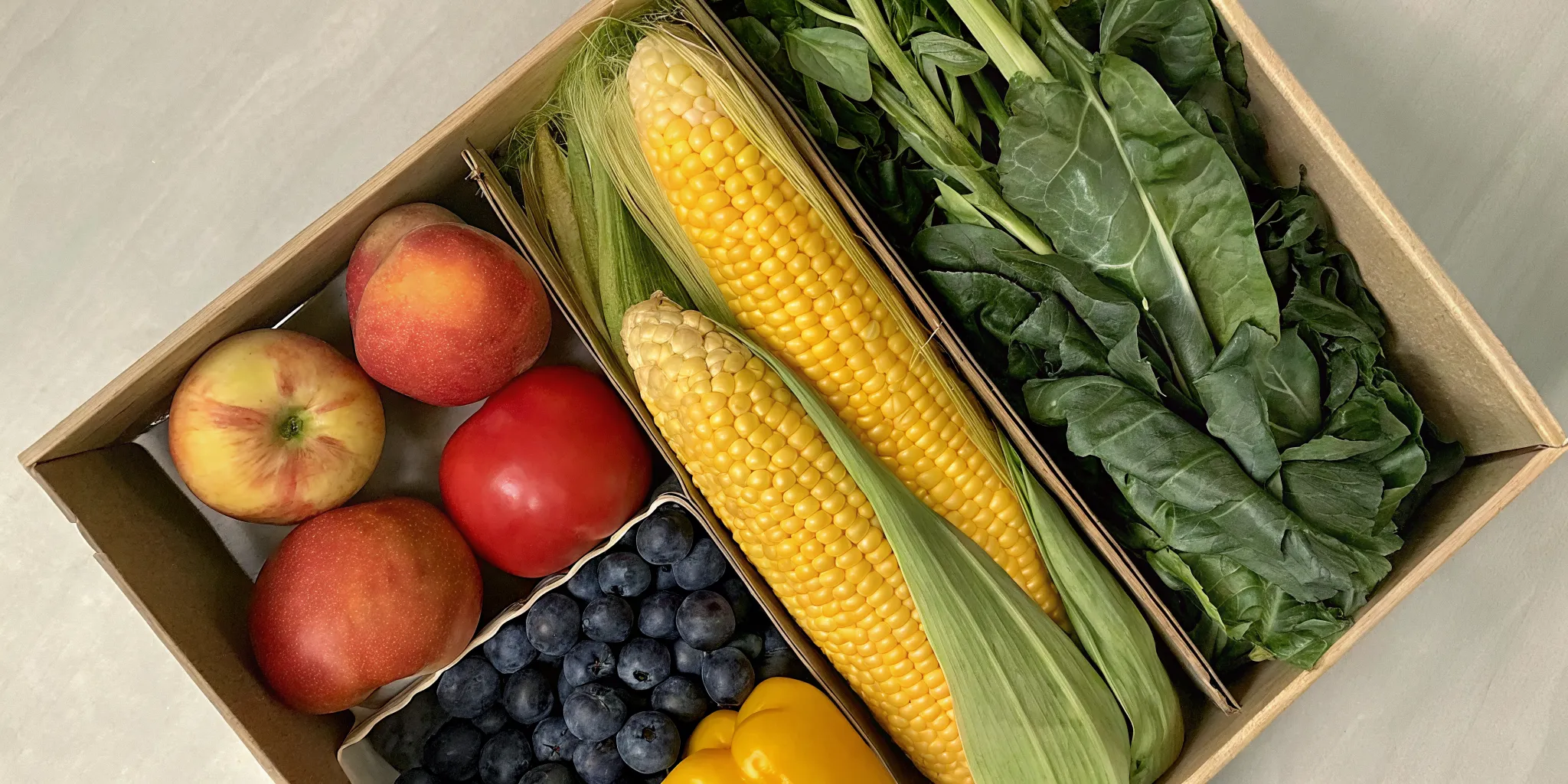
7 Best Local Ontario Food Subscription Boxes
Find the best local Ontario food subscription boxes for fresh groceries, meal kits, and ready-to-eat meals delivered right to your door.

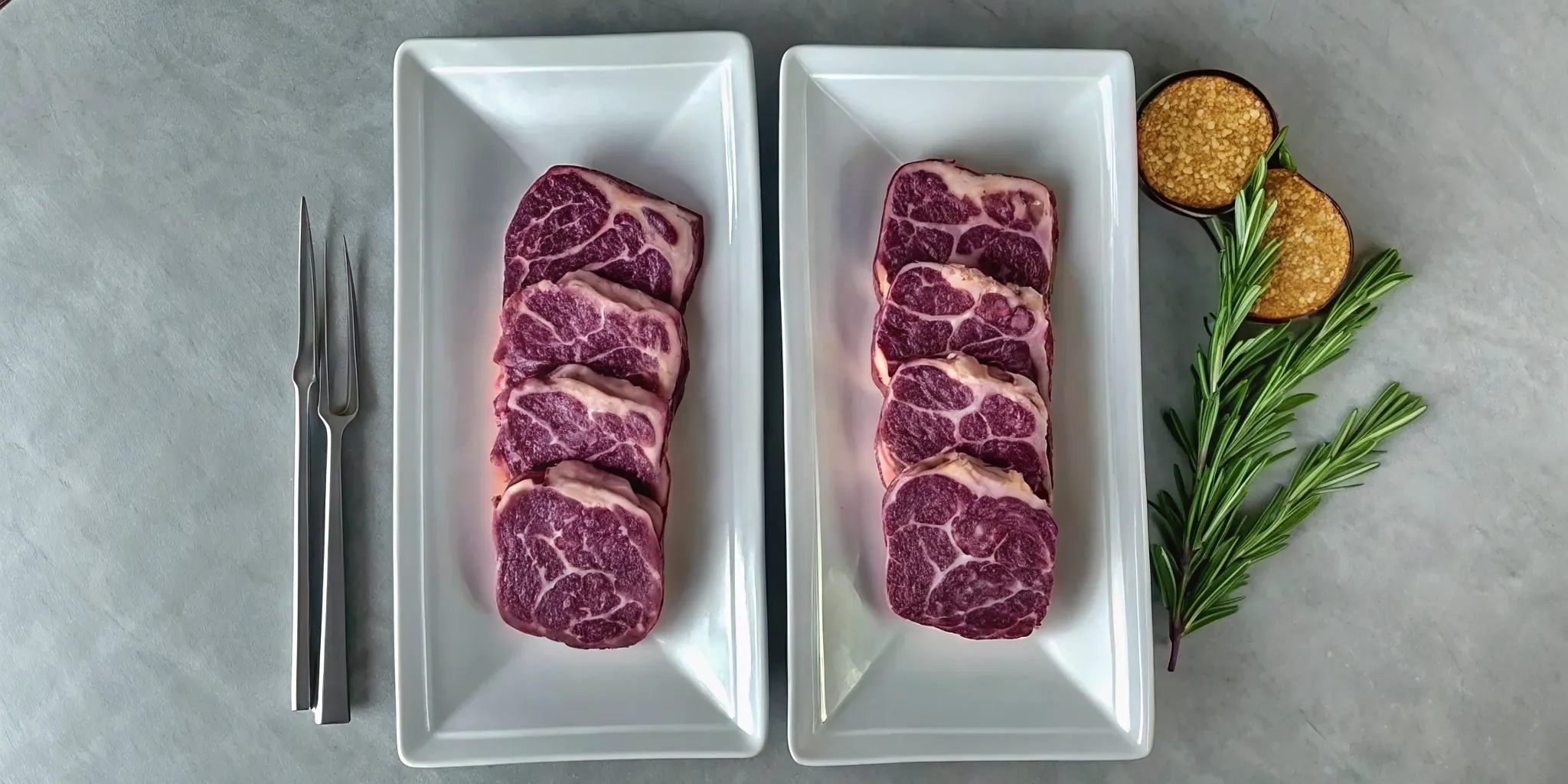
Knowing where your food comes from is a huge part of making conscious grocery choices. The story behind a product often tells you everything you need to know about its quality. When it comes to beef, the contrast between Wagyu and conventional options is stark. The answer to what is the difference between Wagyu and regular beef lies in a philosophy of patient, dedicated farming that stands apart from mass production. It’s a commitment to animal welfare, specialized diets, and a stress-free environment, all designed to produce the best possible result. Let’s explore how this craftsmanship creates a truly superior product.
If you’ve ever stood at the butcher counter wondering what makes Wagyu beef so special (and so pricey), you’re not alone. It’s more than just a fancy name. The difference between a Wagyu steak and a regular steak is a story of genetics, careful farming, and a culinary experience that’s truly unique. Understanding where your food comes from helps you make smarter choices for your grocery list, whether you're planning a special occasion meal or stocking up on weekly essentials.
At its core, the distinction comes down to three key areas: the cattle’s genetic background, how they are raised, and the resulting quality of the meat itself. Unlike regular beef, which is often produced for volume and efficiency, Wagyu is all about quality and craftsmanship. It’s a philosophy that prioritizes a superior final product over a faster turnaround. Let’s break down what sets this premium beef apart and why it has earned its reputation as one of the world's great delicacies. Knowing the difference helps you appreciate the care that goes into producing high-quality proteins, something we value deeply when sourcing products for your Tredish grocery box. It’s about making informed decisions that align with your desire for both exceptional taste and transparent sourcing.
The first thing to know is that "Wagyu" literally translates to "Japanese cow." The term refers to four specific Japanese cattle breeds that are genetically unique. These cattle have a natural ability to develop intense intramuscular fat, which is the secret behind Wagyu's famous marbling. This isn't the thick fat you might trim off the edge of a steak; it's delicate, web-like fat that weaves through the muscle itself. This genetic predisposition is what creates the signature rich flavor and buttery, melt-in-your-mouth texture that you just don't find in regular beef. It’s a difference you can see and taste.
For a long time, these prized cattle were exclusive to Japan. But after they were first exported, dedicated ranchers in other parts of the world, including here in Canada, began raising them. A key difference in their upbringing is time. Wagyu cattle are typically raised for 28 to 36 months, which is more than double the time for most regular beef cattle. This longer, unhurried process allows the animal to mature slowly and develop that incredible marbling naturally. This commitment to a longer, more patient farming cycle is a major reason for both its exceptional quality and its higher price point.
Raising Wagyu cattle is a craft that requires incredible attention to detail. Farmers create completely stress-free environments to ensure the meat stays tender, as stress can cause muscle to toughen. These animals are often given specialized diets, which can include grains, barley, and wheat bran, all carefully balanced to promote marbling and flavor. The meticulous breeding programs, daily health checks, and comfortable living conditions are all designed with one goal in mind: producing the highest quality beef possible. This level of care is a far cry from conventional cattle farming and results in a truly premium product.
If you’ve ever heard someone describe Wagyu beef, you’ve probably heard the words “buttery,” “tender,” or “melts in your mouth.” These aren’t just buzzwords; they describe a genuinely unique eating experience. What gives Wagyu its incredible texture and flavor comes down to one key factor: its fat. Specifically, it’s the intricate, web-like pattern of intramuscular fat known as marbling. This marbling is fundamentally different from what you’ll find in regular beef, and it’s responsible for creating the signature qualities that make Wagyu a culinary standout. Let's look at what makes it so different.
Marbling refers to the fine, white streaks of fat that run through the muscle of the beef. While most steaks have some fat, Wagyu is in a league of its own. It contains a much higher concentration of these fine fat streaks, which are distributed more evenly throughout the meat. This isn't the thick, chewy fat you might trim off the edge of a regular steak. Instead, this delicate fat melts at a lower temperature than the fat in other beef. As the Wagyu cooks, the marbling liquefies and bastes the meat from the inside out, creating a steak that is exceptionally juicy, tender, and rich in flavor.
That signature "melt-in-your-mouth" quality is no exaggeration. It’s a direct result of the unique composition of Wagyu fat. Because the marbling melts at such a low temperature (sometimes even at room temperature), it creates a silky, buttery sensation as soon as you take a bite. What’s more, Wagyu beef contains a higher percentage of monounsaturated fats, including Omega-3 and Omega-6 fatty acids. These healthier fats not only contribute to the beef’s incredible texture but also enhance its deep, savory flavor, making it far more complex than what you’d find in a typical steak.
When you compare the texture of Wagyu to regular beef, the difference is immediately clear. Wagyu offers a delicate, almost creamy mouthfeel that is incredibly tender. It provides a more nuanced eating experience that’s both rich and subtle. In contrast, regular beef is typically much leaner and has a firmer, chewier texture. It requires more effort to chew and lacks the same level of juiciness and tenderness that comes from intense marbling. While a great regular steak is satisfyingly robust, a Wagyu steak provides a completely different kind of satisfaction that is defined by its luxurious softness.
If you’ve ever heard someone describe Wagyu beef, they probably used words like “buttery,” “rich,” and “decadent.” But what does that really mean? The taste of Wagyu is genuinely in a league of its own, and the difference comes down to its unique fat composition. It’s not just a steak; it’s a culinary experience that coats your palate with a complex, savory flavor that lingers long after your last bite. Let’s get into what makes it so distinct.
The first thing you'll notice when you eat Wagyu is its incredible tenderness. It has a soft, buttery texture that practically dissolves on your tongue. This isn't an exaggeration; the meat is so finely marbled that it creates a completely different mouthfeel than a typical steak. While a regular steak can be chewy and robust, Wagyu is delicate and smooth. The flavor is intensely beefy yet subtle and clean, without the sometimes overpowering mineral taste of other red meats. It’s a rich, full-bodied flavor that’s satisfying without feeling heavy, making every bite feel luxurious.
The secret to Wagyu’s signature taste is its fat. Unlike regular beef, where the fat is often in a thick layer on the outside, Wagyu has incredible intramuscular fat, or marbling. These fine fat streaks melt at a much lower temperature than the fat in other cattle breeds, basting the meat from within as it cooks. This process keeps the steak incredibly moist and tender. This fat is also higher in monounsaturated fats, including Omega-3 and Omega-6 fatty acids, which contribute to its silky texture and rich, savory taste. It’s this melting quality that delivers that unforgettable flavor.
You might see "Wagyu burgers" on a menu and assume you're getting the full experience, but that’s a common misconception. The magic of Wagyu lies in the intricate structure of its marbling. When you grind the meat, that delicate webbing of fat is lost, and you miss out on the texture that makes it so special. While a burger made from Wagyu ground beef will likely be delicious and juicy, it won't have that melt-in-your-mouth quality of a steak. To truly appreciate what makes Wagyu different, you need to try it in a form that preserves its unique marbling, like a beautiful ribeye or striploin from our meat selection.
When you see the incredible marbling of a Wagyu steak, "healthy" probably isn't the first word that comes to mind. All that fat might seem like a red flag, but the story is more complex than it looks. The conversation around Wagyu’s health benefits isn’t about the amount of fat, but rather the type of fat. It turns out that the fat in Wagyu is structurally different from the fat in most regular beef, giving it a surprisingly unique nutritional profile. Let's look at what that means for you.
The biggest distinction between Wagyu and regular beef lies in their fat composition. Wagyu has a much higher ratio of monounsaturated fats to saturated fats. If monounsaturated fat sounds familiar, it’s because it’s the same type of heart-healthy fat found in olive oil and avocados. This fat is responsible for Wagyu’s low melting point, which creates that signature buttery texture. In contrast, many standard cuts of beef contain higher levels of saturated fat, which is firmer and less desirable from a health perspective. So, while Wagyu is certainly rich, its fat is of a higher quality.
Beyond its monounsaturated fat content, Wagyu also contains more omega-3 and omega-6 fatty acids than other types of beef. These are essential fatty acids, meaning our bodies can't produce them on their own, so we have to get them from food. They are celebrated for their role in supporting heart health and their anti-inflammatory properties. While you shouldn't rely on Wagyu as your primary source of omegas (fatty fish like salmon still holds that title), it’s a notable bonus that sets it apart from conventional red meat.
So, is Wagyu a health food? Not exactly. While it has a more favourable fat profile, it’s still a rich, calorie-dense red meat that’s best enjoyed in moderation. Think of it less as a diet staple and more as a gourmet experience that happens to have some surprising nutritional perks. When you decide to treat yourself to a steak, choosing Wagyu means you’re opting for a cut with a better fat composition. It’s a perfect example of how focusing on high-quality ingredients can make your special meals even better, without any compromise on flavour.
When you see Wagyu on a menu or at the butcher counter, the higher price tag is one of the first things you’ll notice. It’s not just a random markup; the cost is a direct reflection of the incredible amount of time, expertise, and care that goes into producing this world-class beef. From the animal’s first day to the moment it’s graded, every step is meticulously controlled to create that signature flavour and texture. Understanding the journey from farm to table makes it clear why Wagyu is a premium product. The price is tied to three key factors: highly specialized farming, incredibly strict quality standards, and a naturally limited supply.
Raising Wagyu cattle is a long-term commitment. Unlike regular cattle raised for 12 to 18 months, Wagyu cattle are raised for a much longer time, often between 28 and 36 months. This extended period is essential for developing the intricate marbling Wagyu is famous for. During this time, farmers provide a low-stress environment and a specialized diet to ensure the highest quality of life and, ultimately, the highest quality of beef. This level of dedicated animal husbandry is a significant investment, and the cost of that exceptional care is reflected in the final price.
Not all beef can earn the Wagyu name. It must pass a rigorous inspection, and Japan’s system is the gold standard. The highest grade, A5 Wagyu, means the meat is top-notch in terms of its marbling, color, firmness, and texture. This official Japanese grading system is notoriously tough, evaluating each carcass on multiple factors, including the Beef Marbling Standard (BMS). This strict process guarantees that when you buy high-grade Wagyu, you’re getting a product that meets an exceptional standard of excellence every single time.
Ultimately, Wagyu is expensive because it’s rare. The process is too demanding to scale easily. The combination of purebred genetics, a multi-year raising process, and strict grading standards means the global supply is naturally restricted. The limited number of cattle that can be classified as true Wagyu is a major contributor to its high price. This scarcity, paired with growing global demand for a top-tier dining experience, creates a classic supply-and-demand scenario. You’re paying for a product that is difficult to produce and unmatched in quality.
Wagyu beef is a true showstopper, but its premium price tag means it’s not your average weeknight steak. Think of it less as a direct substitute for your usual beef and more as a special-occasion ingredient. Choosing Wagyu is about creating a memorable dining experience, whether you're celebrating a milestone, hosting a dinner party, or simply want to treat yourself to something exceptional. Because of its incredible richness, a little goes a long way, making it perfect for sharing.
The key is to plan for it. When you know you have a special event on the horizon, you can work this luxury cut into your grocery budget. It’s an intentional choice for moments that call for the best. By saving on your everyday groceries, you can make room for premium items like Wagyu without stretching your finances. It’s all about smart planning to enjoy high-quality food when it matters most.
So, is Wagyu really worth the higher price? For a truly special meal, the answer is a definite yes. The experience is completely different from eating a standard steak. Wagyu is famous for its delicious flavor and a tender, buttery texture that literally melts in your mouth. This comes from its intense, finely distributed marbling, which bastes the meat from the inside out as it cooks.
You’re not just paying for a steak; you’re paying for a unique culinary experience. It’s the kind of meal that people talk about long after the plates are cleared. If you’re looking to create a five-star-restaurant feeling at home for an anniversary or a big celebration, splurging on Wagyu is a fantastic way to do it.
Cooking Wagyu is simpler than you might think, but it requires a different approach than other steaks. The goal is to preserve its delicate texture and render that beautiful fat. Because it’s so rich, you’ll want to serve it in smaller portions. Forget giant cowboy cuts; think three to four ounces per person.
For the best results, use quick cooking methods like searing. Get a cast-iron skillet very hot, season the steak simply with salt, and sear it for just a minute or two on each side. You don’t need much oil, as the fat from the steak will render out quickly. Let it rest for a few minutes before slicing it thinly against the grain. This simple preparation lets the beef’s incredible natural flavor shine.
Wagyu’s price reflects the incredible amount of work that goes into raising the cattle. The process involves specialized breeding and care, with cattle being fed for much longer than conventional beef. This meticulous, small-scale approach is what creates such a high-quality, premium product. Understanding this helps put the cost into perspective.
This is where smart grocery shopping comes in. By putting your weekly essentials on autopilot with a service like Tre’dish, you can save time and money on your core grocery list. Those savings make it easier to budget for a planned indulgence like Wagyu. Instead of an impulse buy, it becomes a thoughtful addition to your meal plan for a special occasion, allowing you to enjoy the best without the guilt.
What does the "A5" in A5 Wagyu actually mean? Think of it as the highest report card grade for beef. The "A" refers to the yield, meaning how much usable meat comes from the cow, and "A" is the top score. The "5" is the all-important quality score, which rates the meat's marbling, color, and texture on a scale of 1 to 5. So, A5 is the absolute best of the best, representing the highest yield and the most exceptional quality according to Japan's strict standards.
I've seen Canadian Wagyu for sale. Is that the same as Japanese Wagyu? While they come from the same genetic lineage, there are key differences. True Japanese Wagyu is raised and graded exclusively in Japan under a famously rigorous system. North American Wagyu, including some fantastic Canadian options, often involves crossbreeding Japanese cattle with other breeds like Angus. This creates a steak that is still incredibly marbled and delicious but might have a slightly different flavor profile. It's a premium product in its own right, just with a different origin story.
Since it's so rich, how much Wagyu should I actually serve per person? Because Wagyu is so incredibly rich and satisfying, you need much less than you would for a typical steak dinner. A good rule of thumb is to plan for about three to four ounces (around 85 to 115 grams) per person. This might sound small, but the intense flavor and buttery texture make every bite count. It’s an ingredient that’s meant to be savored, not served in massive portions.
Can I use Wagyu in my regular beef recipes, like a stew or stir-fry? You could, but you would be missing the point of what makes it so special. The magic of Wagyu is in its delicate, intricate marbling, which is best appreciated when cooked quickly, like a simple sear in a hot pan. In a stew, that beautiful fat would simply melt away into the liquid, and in a stir-fry, you'd lose that signature texture. It's best to save Wagyu for preparations that let its unique qualities be the star of the show.
Is the healthier fat profile really a big deal, or is it still just red meat? It's a bit of both. Wagyu is definitely still a rich red meat and should be enjoyed as a treat. However, the health claims aren't just marketing fluff. The fat in Wagyu has a significantly higher concentration of heart-healthier monounsaturated fats compared to regular beef. So, while it's not a health food, it is a nutritionally superior choice when you decide to indulge in a beautiful steak.