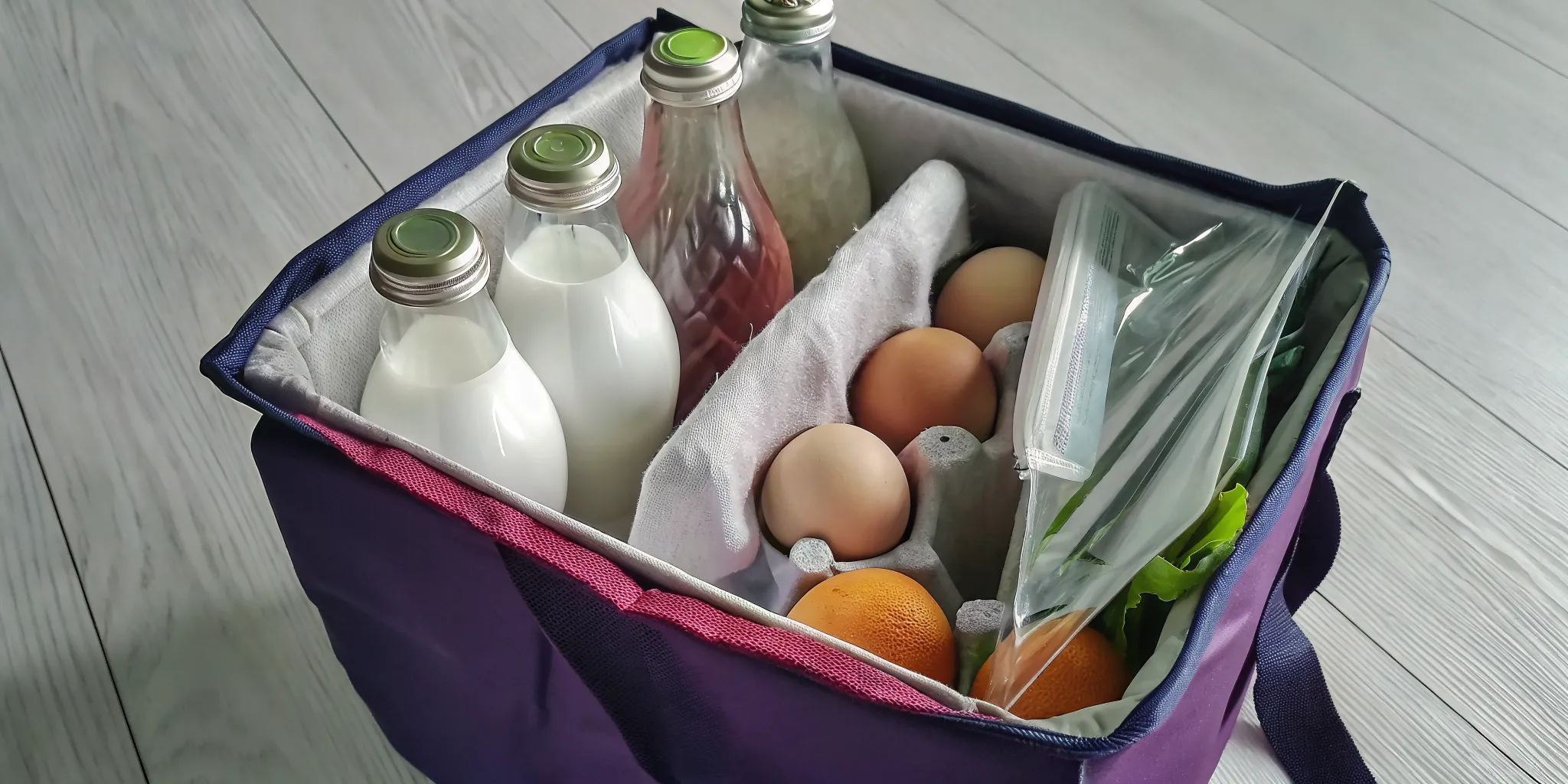
Is Milk Delivery Cheaper? The Real Cost vs. The Store
Wondering is milk delivery cheaper than grocery store trips? Get a real cost comparison, including hidden fees, time savings, and tips for smarter shopping.


Let’s be honest, the weekly grocery run can be a grind. Remembering every little thing, especially staples like milk, adds to the mental load. That’s why the idea of putting your groceries on autopilot is so appealing. An organic milk subscription promises to deliver quality right to your door, eliminating those last-minute store trips. But is it just a luxury, or a smart move for a busy household? We’ll explore the practical side of this service, from its impact on your schedule to its effect on your wallet, to answer the big question: is organic milk delivery worth it?
Walking down the dairy aisle can feel a little overwhelming. You see cartons labeled "organic" right next to "regular," often with a noticeable price difference. It’s natural to wonder what you’re really paying for with that organic label. Is it healthier? Is it better for the environment? The truth is, the distinction goes far beyond a simple label. It’s about the entire system of farming, from the soil the cows graze on to the final product that lands in your fridge. Let's break down what "organic" truly means, so you can feel confident in your choice.
At its core, the difference between organic and regular milk comes down to farming practices. "Organic" isn't just a marketing term; it represents a commitment to a specific way of raising animals and managing land. Think of it as a holistic approach where the goal is to create a sustainable, natural, and humane environment. The focus is on the entire farm ecosystem, not just the milk itself. This means organic farmers follow strict guidelines that influence everything from what their cows eat to how they are cared for, ensuring the process is as close to nature as possible.
When you pick up a carton with the "Canada Organic" logo, you're holding a product that has met rigorous national standards. This label is a guarantee of authenticity. To earn it, dairy farms must prove they are following a strict set of rules. For example, organic cows must eat a diet of 100% certified organic feed, which is grown without synthetic pesticides or genetically modified organisms (GMOs). They are also required to have access to pasture during the grazing season. The Canadian Organic Standards are incredibly thorough, ensuring integrity from the farm right to your family's table.
This is where the practical differences really stand out. Because organic farming prohibits the use of synthetic pesticides, you can be sure your organic milk is free from their residue. The rules around animal health are also distinct. Organic cows are not given antibiotics. If a cow becomes ill and needs antibiotic treatment, she is permanently removed from the organic herd. Now, let's clear up a common concern: hormones. You can relax knowing that no artificial growth hormones are permitted in any Canadian milk, whether it's organic or conventional. Our country’s regulations banned their use years ago, so that’s one less thing to worry about.
When you’re standing in the dairy aisle, it’s easy to wonder if the higher price for organic milk translates to better health for your family. It’s one of the biggest questions shoppers have, and the answer has a few different layers. While both organic and conventional milk are nutritious choices, there are some key differences in how the cows are raised that can influence the milk they produce. Let's break down what the science says so you can feel confident in the milk you add to your cart.
You’ve probably heard about the benefits of healthy fats, especially omega-3s. It turns out that the diet of the cow plays a big role here. Organic standards often require that cows spend time grazing on pasture. Because they eat more grass and forage, their milk tends to have a better balance of healthy fats compared to their conventional counterparts. Specifically, you get a more favorable ratio of omega-3 to omega-6 fatty acids. This small nutritional difference is a key reason why many health-conscious shoppers prefer to go organic.
For many families, choosing organic is about what’s not in the milk. In Canada, certified organic standards are very strict. Organic cows are not given routine antibiotics. If a cow gets sick and needs antibiotics, it is removed from organic production. Additionally, organic milk is free from added synthetic growth hormones, which are sometimes used in conventional farming to increase milk production. While all milk sold in Canada adheres to rigorous safety standards, choosing organic gives you an extra layer of assurance if avoiding these substances is a priority for your household.
So, is organic milk the undisputed health champion? Not exactly. When it comes to the basics, both organic and conventional milk are nutritional powerhouses. They both provide the same important nutrients like calcium, vitamin D, and high-quality protein that are essential for strong bones and overall health. All milk sold in Canada is safe and meets high-quality standards. Ultimately, the choice isn't about good versus bad. It’s about what matters most to you, whether that’s a specific nutritional profile, farming practices, or simply peace of mind.
Two of the biggest questions shoppers have are about the taste and shelf life of organic milk. You might wonder if the higher price tag comes with a better flavor or if it will last long enough in your fridge to be worth it. The answers might surprise you, as they have less to do with the "organic" label itself and more with how the milk is prepared for your kitchen. Let's get into the details.
When you pour a glass of organic milk, you might notice it looks a little more tan and tastes a bit sweeter than conventional milk. This subtle difference often comes down to the pasteurization process, which we'll talk about next. However, the cow's diet also plays a big role in the milk's final flavor profile. Since organic standards often require cows to graze on pasture, the natural grasses they eat can contribute to a richer, more complex taste. Some people can pick up on these nuances right away, while for others, the difference is barely there. It really comes down to your personal palate.
Have you ever noticed that organic milk has a much later expiration date? This isn't a coincidence; it's by design. Most organic milk undergoes a process called ultra-high-temperature (UHT) pasteurization. This method heats the milk to a higher temperature than standard pasteurization, which eliminates more bacteria and gives it a significantly longer shelf life, even before you open it. For busy households, this is a huge plus. It means less worry about milk going bad and fewer last-minute trips to the store, helping you reduce food waste and stick to your grocery budget.
It's important to clear up a common misconception: organic milk is not raw milk. Both organic and conventional milk are pasteurized to kill harmful bacteria and make them safe to drink. The key difference lies in the method of pasteurization. As we just covered, organic milk typically uses UHT processing for a longer shelf life, which can also cause that slightly sweeter taste. Regular milk usually undergoes standard pasteurization, which is less intense and results in a shorter shelf life. So, while the "organic" label refers to the farming practices, the pasteurization process is what really impacts its freshness and subtle flavor notes.
When you’re standing in the dairy aisle, it’s easy to think the only difference between milk cartons is the price tag. But the story of your milk starts long before it reaches your fridge. Choosing organic is about more than just what’s inside the carton; it’s a choice that ripples outward, affecting the environment, the well-being of the animals, and the livelihoods of local farmers.
Thinking about the bigger picture of our food system can feel overwhelming, but it doesn’t have to be. It’s really about understanding the connection between our kitchens and the farms that sustain us. When you opt for organic milk, you’re participating in a system of agriculture that prioritizes long-term health for the soil, the animals, and the people who tend to them. Let’s break down what that actually means for the planet and for the Canadian farmers who make it all happen.
At its heart, organic farming is about working with nature, not against it. Instead of relying on synthetic chemicals, organic farmers focus on building healthy, resilient soil. They use natural methods like composting and crop rotation to enrich the earth, which helps it hold water more effectively and prevent erosion. This approach has a direct and positive impact on the surrounding environment. Because organic farms use fewer synthetic chemicals, they are less likely to contribute to the pollution of nearby rivers and streams. This creates a safer, cleaner habitat for local wildlife and helps protect everything from the bees that pollinate our crops to the birds that call the farmland home.
When you see "organic" on a milk label, it also tells you a lot about how the cows were raised. A key part of the Canadian organic standards is a commitment to animal welfare. The rules require that cows have access to the outdoors and live in conditions that allow them to behave naturally. For dairy cows, that means having the freedom to graze on pasture. This "pasture-raised" lifestyle is a world away from being confined to a barn all day. It allows cows to roam, socialize, and eat fresh grass, which is a natural part of their diet. This not only contributes to the cow's well-being but also connects back to the health of the land, as grazing cows help fertilize the fields naturally.
Every time you buy groceries, you’re casting a vote for the kind of food system you want to support. Choosing organic milk from a Canadian farm is a direct investment in farmers who have committed to sustainable and humane practices. Transitioning to and maintaining an organic farm requires a great deal of effort and dedication, and consumer demand is what makes it all possible. By purchasing their products, you help ensure these farmers can continue their important work. This supports not only their families but also the health of our local economies. At Tredish, we believe in this connection, which is why we partner with Canadian producers who share our commitment to quality and transparency.
Let’s talk numbers. For many of us, the decision to buy organic often comes down to the price tag at the checkout. It’s true that organic milk typically costs more than conventional milk, and understanding that difference is the first step for any smart shopper. The price gap isn’t just a marketing tactic; it reflects a completely different approach to dairy farming, from the soil the cows graze on to the feed they eat. But a higher initial cost doesn’t always mean less value. When you factor in things like a longer shelf life that reduces food waste, and the convenience of a subscription service that offers fair pricing, the overall value proposition starts to look a lot more appealing. It's about looking beyond the single purchase and seeing the bigger picture of how that carton of milk fits into your life and your budget. In this section, we'll get into the specifics of the cost, explain why that price difference exists, and show you how to get the most value from your organic milk purchase. Let's break down what you’re really paying for and how you can make organic milk work for your family.
Walking down the dairy aisle, the price difference is hard to miss. You can generally expect organic milk to cost at least one and a half times the price of its conventional counterpart. For instance, you might see a half-gallon (about 2 litres) of regular milk for around $2.80, while the organic version next to it is priced at $4.20. This initial sticker shock can be a barrier for many families. But instead of seeing it as just a higher price, it helps to view it as a different product with a different cost structure. The key is to figure out if the benefits you get from that extra cost deliver enough value to justify the purchase for your household.
So, what’s behind that higher price? It comes down to the strict standards organic farmers must follow. First, there's the cost of getting and maintaining an organic certification, which involves rigorous inspections and paperwork. Organic cows also eat more expensive, specially grown organic feed, which is produced without synthetic pesticides or fertilizers. Plus, organic farming standards require that cows have ample space and access to pasture for grazing, meaning farmers need more land per cow. All these factors add up, and because organic cows tend to produce a bit less milk, the cost per litre is naturally higher. You're paying for the process, not just the product.
Here’s a surprising way organic milk can offer more value: it often lasts much longer. Many organic milk brands use a process called ultra-high-temperature (UHT) pasteurization, which heats the milk to a higher temperature for a shorter time. This method effectively eliminates more bacteria than standard pasteurization, giving the milk a significantly longer shelf life before it's even opened. For busy households, this is a game-changer. It means fewer last-minute trips to the store for fresh milk and, most importantly, less spoiled milk poured down the drain. Reducing food waste is not only good for the planet, but it’s also great for your wallet.
If you want the quality of organic milk without the consistent sting of retail prices, a grocery subscription is the smartest way to go. Services like Tredish put your groceries on autopilot, creating a predictable and cost-effective system. By working directly with Canadian producers and cutting out retail inefficiencies, we can offer fair, transparent value that often beats grocery store prices. When you add organic milk to your Tredish order, you’re not just getting a high-quality product delivered to your door. You’re saving time, eliminating stress, and enjoying the peace of mind that comes with knowing your fridge is stocked with fresh, Canadian-sourced essentials.
An organic milk subscription means no more last-minute dashes to the store when you realize the carton is almost empty. This essential item arrives on your schedule, putting a stop to unexpected shortages. Plus, organic milk often has a longer shelf life than its conventional counterpart. It typically undergoes ultra-high-temperature pasteurization, a process that keeps it fresh for weeks, not days, even before opening. This means fewer emergency grocery runs and more time back in your week for the things that matter. It’s the ultimate convenience for a staple you can’t go without, delivered right to your door.
A subscription service removes the guesswork from your grocery list. You can trust that you’re getting consistent, high-quality organic milk with every delivery, without scanning shelves or comparing labels. Certified organic means the milk comes from cows that haven't been given antibiotics or synthetic growth hormones. This commitment to clean ingredients and animal welfare provides peace of mind. You’re not just getting milk; you’re getting a promise of quality that arrives predictably, letting you trust what’s in your fridge without a second thought.
When you choose an organic milk subscription, your purchase makes a difference. You’re directly supporting local Canadian farmers who are committed to sustainable practices that are better for animals and the environment. The Canadian organic standards ensure high levels of animal welfare and prohibit the use of synthetic pesticides, which helps protect our ecosystems. By sourcing locally, you invest in your community and a healthier food system. It’s a simple switch that allows you to feel good about where your food comes from and the impact it has.
A milk subscription is a game-changer for busy households, especially families who go through milk quickly and can’t afford to run out. It’s also perfect for health-conscious shoppers who prioritize clean, organic foods and want to avoid added hormones or antibiotics in their family's diet. If you value predictability and want to simplify your weekly routine, a subscription is for you. It’s for anyone who wants to put their groceries on autopilot, ensuring a key staple is always on hand without adding to their mental load or to-do list.
Once you’ve decided to give organic milk delivery a try, the next step is choosing a service that you can trust. With more options available, it helps to know what to look for so you can feel confident in your choice. Finding the right partner for your grocery needs is about more than just getting milk to your door; it’s about finding a service that values quality, transparency, and reliability as much as you do.
Think of it as building a partnership. You want a service that is open about where its products come from, adheres to high quality standards, and offers a delivery schedule that genuinely makes your life easier. A great delivery service doesn’t just save you a trip to the store. It gives you peace of mind, knowing your family is getting fresh, high-quality products on a schedule you can count on. By focusing on a few key criteria, you can sort through the options and find a subscription that feels like a seamless extension of your own high standards for your household.
When you’re choosing a service, pay close attention to how open they are about where their milk comes from. A trustworthy company will be proud to tell you about its farm partners. This transparency is your first clue that you’re getting a quality product. According to the Canadian Organic Standards, organic dairy cows must be fed organic feed and have access to pasture. A service that highlights its local Canadian sourcing isn't just giving you marketing fluff; it's showing you that it meets these important standards while also supporting our national economy and local farm families.
The easiest way to verify a product’s organic claim is to look for an official logo. In Canada, the "Canada Organic" logo is your guarantee that a product meets strict national standards. Seeing this symbol means the milk is produced without the use of synthetic pesticides, antibiotics, or artificial growth hormones. Think of it as a shortcut to peace of mind. These certifications are third-party verified, so you don’t have to take the company’s word for it. Learning about organic certification can help you understand the rigorous process behind the label and why it’s such a reliable indicator of quality.
The whole point of a delivery service is convenience, so a flexible and dependable schedule is non-negotiable. The best services work around your life, not the other way around. Look for options that let you set a weekly or bi-weekly schedule that fits your family’s consumption habits. This puts your milk supply on autopilot, ensuring you never run out or have to make a last-minute store run. Consistent, reliable delivery is a top driver of customer happiness for a reason: it builds trust and makes your weekly planning effortless. Your delivery should be something you can set, forget, and depend on.
Deciding on the best milk for your family is one thing, but fitting another grocery run into your week is something else entirely. If you want to get high-quality, Canadian-sourced groceries without the extra errand, a subscription service is a game-changer. This is where Tredish comes in. We designed our service to put your weekly grocery needs on autopilot, giving you back your time while ensuring your fridge is always stocked with the best. It’s about making your life easier, starting with your grocery list.
With Tredish, you get more than just delivery; you get a predictable system for quality. We partner with Canadian farms and producers to bring you fresh produce and proteins you can trust, week after week. You can build your grocery subscription with all your family’s essentials, including your preferred organic milk, and we handle the rest. Think of it as outsourcing the repetition from your routine so you can focus on what matters most, like enjoying a meal together.
This isn't a discount service; it's a smarter way to shop. Our members save an average of 25% on their weekly basket because we remove the retail inefficiencies. The longer shelf life of many organic products, like milk, pairs perfectly with a dependable delivery schedule, which helps reduce food waste and saves you even more money. Ready to reclaim your weekends? You can create your Tredish account today and receive a free premium product with your first order.
Is organic milk actually better for my family than regular milk? While all milk in Canada is safe and packed with nutrients like calcium and vitamin D, organic milk offers a few distinct advantages. Because organic cows graze on pasture, their milk often has a more favorable balance of healthy fats, including omega-3s. Choosing organic also gives you the assurance that the milk is free from antibiotic residues and synthetic pesticides, which is a priority for many health-conscious families.
I've heard all Canadian milk is hormone-free, so why pay more for organic? You're right, artificial growth hormones are banned in all Canadian dairy farming, so you don't need to worry about them in any milk you buy here. The extra cost for organic comes from other strict standards. Specifically, the "Canada Organic" label guarantees the cows were not treated with antibiotics and that their feed was grown without synthetic pesticides, which is a key difference from conventional farming practices.
Why does organic milk have such a long expiration date? Does it have preservatives? It’s not preservatives, but a different pasteurization process that gives organic milk its impressive shelf life. Most organic brands use ultra-high-temperature (UHT) pasteurization, which heats the milk more intensely than standard methods. This eliminates more bacteria, allowing the milk to stay fresh in your fridge for much longer. It’s a huge benefit for reducing food waste and last-minute store runs.
How can a more expensive milk actually save me money? It seems counterintuitive, but it's possible. First, because organic milk lasts longer, you're far less likely to pour spoiled milk down the drain, which helps reduce your household's food waste and saves you from buying replacements. Second, when you get your milk through a subscription service like Tredish, you benefit from fair pricing that cuts out the typical retail markups, making the cost more predictable and manageable for your budget.
What's the main benefit of getting organic milk through a subscription like Tredish? The biggest benefit is putting a key part of your grocery shopping on autopilot. With a Tredish subscription, you get high-quality, Canadian-sourced organic milk delivered on a predictable schedule that you control. This saves you time and mental energy, eliminates emergency trips to the store, and ensures your family always has fresh milk on hand, all while enjoying fair, transparent pricing.