Grocery Delivery vs Instacart Canada: Which Fits?
Start shopping with confidence after comparing grocery delivery vs Instacart Canada on fees, freshness, flexibility, substitutions, and effort.

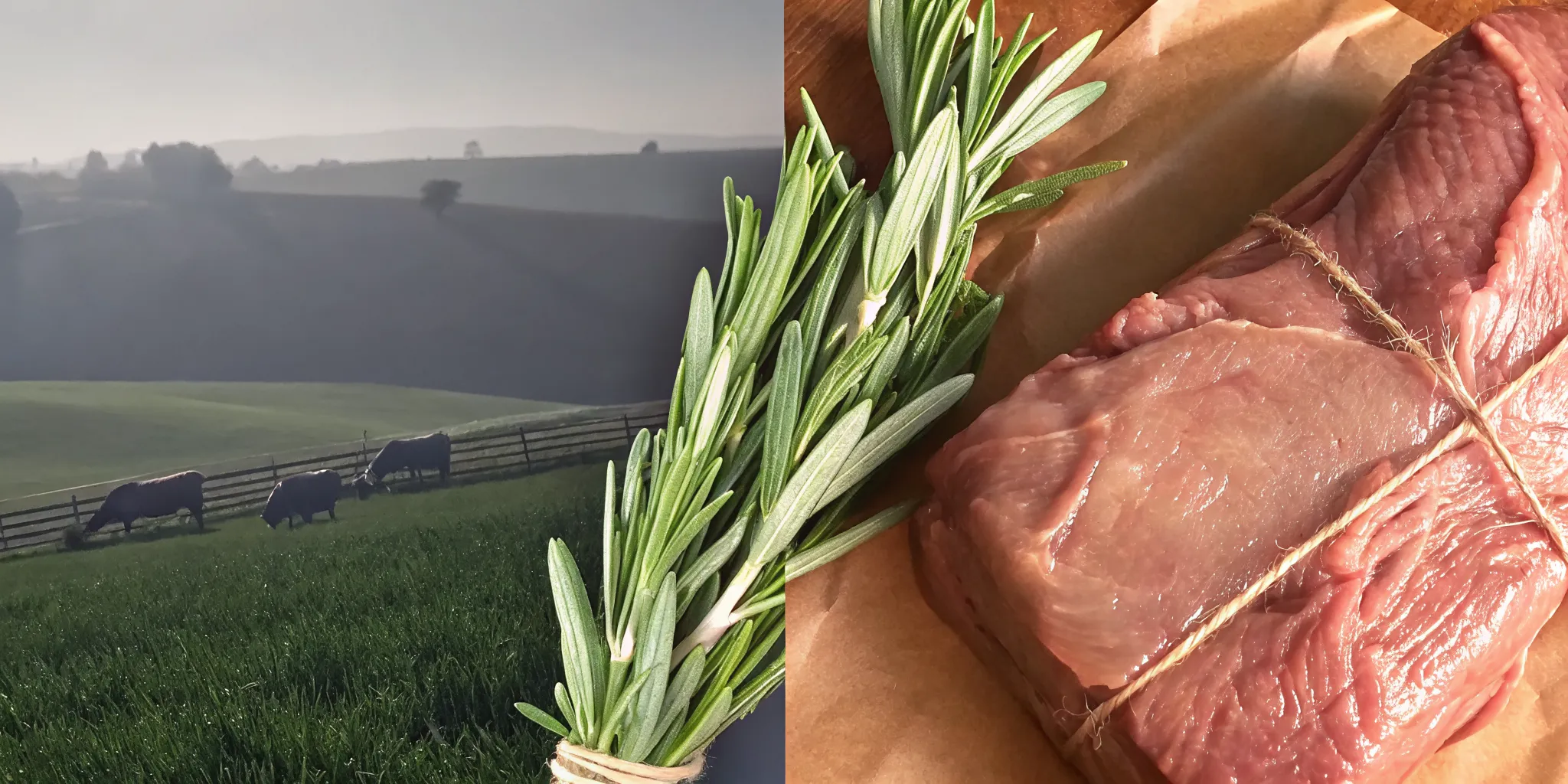
A friend of mine recently bought a quarter of a cow from a local farm, and she can’t stop talking about the flavour. It got me thinking about making the switch myself. The idea of filling my freezer with high-quality, ethically raised Canadian meat is incredibly tempting, and it feels like a great way to support our local food system. But as I looked into it, the practicalities started to set in. We’re talking about a significant upfront investment and finding space for a giant freezer. It made me wonder, is farm direct meat better when you factor in the cost, effort, and logistics? For busy households, the answer isn’t always a simple yes. This article explores the full picture, helping you weigh the incredible benefits against the real-world drawbacks.
Buying "farm direct" is exactly what it sounds like: you purchase your meat straight from the farm where the animals were raised. Instead of picking up a plastic-wrapped package from a massive grocery chain, you’re connecting directly with the source. This approach changes the entire journey of your food, giving you a clearer picture of where your meat comes from and how it was produced. It’s a shift from being a passive consumer to an active participant in your food system. For many people, it’s a total game-changer for quality, taste, and peace of mind.
The most obvious difference is the experience. With farm-direct meat, you’re often buying from a small-scale farmer who can tell you exactly how an animal was raised. This stands in contrast to most grocery store meat, which typically comes from a complex, large-scale system where transparency can be limited. Many people who make the switch are shocked by the improvement in flavour and texture, finding it much richer and more satisfying than what they’re used to.
Beyond taste, buying direct often means you’re supporting a different kind of agriculture. Many local farms prioritize animal welfare and sustainable practices, which isn’t always the case in the industrial system that stocks supermarket shelves. By buying local food, you’re often investing in a system that’s better for the animals, the environment, and the farmers themselves.
Think about the journey a typical piece of meat takes to the grocery store. It goes from the farm to a processor, then to a distributor, then to a central warehouse, and finally to the store shelf. That’s a lot of steps, time, and handling. When you buy directly from a farm, you cut out nearly all of those middlemen. This drastically shortens the food supply chain, which means the meat gets from the pasture to your plate much faster.
This shorter path doesn’t just mean your meat is fresher. It also means more of the money you spend goes directly into the farmer’s pocket, helping to sustain their family and their business. Instead of your dollars being split between corporations, you’re directly supporting the person who did the hard work of raising your food. It creates a more resilient and fair local food economy for everyone.
While buying from a farm sounds idyllic, it’s important to know that "farm direct" isn't a magic label that guarantees perfection. The quality of meat can vary significantly from one farm to another. Just because it’s local doesn’t automatically mean it’s better. The taste and texture of the final product depend heavily on the farmer's specific practices, including the animal's breed, its diet, and how the meat is aged and processed after slaughter.
This is why it’s so important to do a little homework. Not all farm meat is the same, so finding a great source is key. You’ll want to ask your farmer questions about how they raise their animals and manage their land. A passionate farmer will be happy to share the details. This ensures you’re getting the high-quality, delicious meat you’re looking for.
This is the million-dollar question, isn't it? After all, if you’re going to the effort of sourcing meat from a local farm, you want it to be a noticeable upgrade from your usual grocery run. While taste is always a little subjective, the overwhelming consensus is yes, farm direct meat offers a superior flavour and texture. The difference isn't just in your head; it’s rooted in how the animals are raised, what they eat, and how quickly the meat gets from the pasture to your plate.
Think about it like the difference between a garden-fresh tomato and one that’s travelled thousands of kilometres to the supermarket. One is bursting with flavour, while the other can be a bit bland. The same principle applies to meat. A shorter, more transparent supply chain means a fresher, higher-quality product that hasn't spent weeks in transit or processing. When you buy direct from a farm, you cut out the extra steps and people (the middlemen) between the farm and your plate. This means your money goes mostly to the farmer, and you get a product that reflects their hard work and dedication. When you understand the journey your food takes, you start to appreciate the factors that create an incredible meal. It’s less about a single ingredient and more about the entire story behind it.
If you ask people who've made the switch, you'll hear a common refrain. In fact, many people agree that meat from a local farm tastes significantly better, with some describing the difference as "shocking." This comes down to a few key factors. The animal's diet plays a huge role; grass-fed beef, for example, often has a more complex, earthy flavour than its grain-fed counterpart. The breed of the animal and the natural aging process used by many small farms also contribute to a richer taste and more tender texture that you just don't get from mass-produced meat.
It’s a simple truth: a happy, healthy animal produces better-tasting meat. The way animals are raised and processed has a direct impact on everything from tenderness to flavour. Animals that live low-stress lives in open pastures have lower levels of stress hormones like cortisol, which can toughen meat. When they graze on a natural diet of grasses and forage, it creates a more nuanced and delicious flavour profile. This is why knowing your source matters so much. You’re not just choosing a product; you’re choosing a process that respects the animal and results in a truly premium eating experience.
Beyond the incredible flavour, one of the biggest reasons people seek out farm-direct meat is for the potential health benefits. It makes sense, doesn't it? The way an animal is raised, what it eats, and its overall well-being can have a direct impact on the nutritional quality of the meat on your plate. When you buy from a local farm, you often get a product that is very different from what’s available in a typical grocery store aisle. Let's look at what that means for your health.
When animals are raised on pasture, eating a natural diet of grasses, their meat often contains a more impressive nutritional profile. For example, studies show that grass-fed beef can have higher levels of heart-healthy Omega-3 fatty acids and more antioxidants, like Vitamin E. Buying direct from a farm that prioritizes this kind of regenerative agriculture helps you get food that is often richer in these important nutrients. It’s about choosing quality that you can feel good about, knowing it supports both your health and the family farms growing your food.
A major concern for many shoppers is the use of additives in meat production. When you buy directly from a small-scale Canadian farm, you can often find meat raised without the routine use of antibiotics or added growth hormones. Many local farmers pride themselves on raising their animals humanely and naturally. This is a stark contrast to some large-scale industrial operations where antibiotics can be used preventatively to manage disease in crowded conditions. By asking the farmer about their practices, you get full transparency into what is, and isn’t, in your meat.
The debate between grass-fed and grain-fed meat often comes down to how the animal was raised. Much of the meat in large grocery stores comes from animals finished on a diet of grains, like corn and soy, to fatten them up quickly. While this produces a consistent product, it’s not the diet these animals would naturally eat. Meat from animals raised on pasture tends to be leaner and has a different fat composition. As the Regenerative Farmers of America notes, grocery store meat is often cheaper because it comes from factory farms. Choosing grass-fed meat from a local farm means you’re opting for a product that reflects a more natural life cycle.
When you choose to buy meat directly from a farm, your purchase sends ripples far beyond your kitchen. It’s a decision that directly impacts the livelihood of farmers, the health of your local community, and even the planet. By shortening the path from pasture to plate, you’re not just getting fresher meat; you’re investing in a more transparent and sustainable food system. This choice allows you to connect with the people who grow your food and understand the story behind it, creating a more meaningful relationship with what you eat. Let’s look at how this simple act can make a significant difference.
Choosing to buy farm direct is a powerful way to vote with your dollar. When you purchase from a local producer, you cut out the intermediaries, which means more of your money goes straight to the farmer who raised the animal. This financial support helps sustain family farms, allowing them to compete against large corporations and continue their work.
Keeping these farms in business does more than just support one family; it strengthens the entire local economy. Farmers buy supplies from local businesses, hire local help, and contribute to the community’s resilience. By investing in them, you’re helping to maintain Canada’s agricultural landscape and ensuring that farming remains a viable way of life for generations to come.
One of the biggest advantages of buying direct is the transparency it offers. Instead of relying on packaging labels, you have the opportunity to know exactly how the animals were raised. A huge benefit is having a direct line to the farmer to ask about their practices, from what the animals eat to how much space they have. Many farmers are proud of their high welfare standards and are happy to share details with you.
This direct connection builds a level of trust you can’t get at a supermarket. For many shoppers, knowing the animal lived a healthy, humane life is just as important as the final taste. You can get a clear picture of the farm’s commitment to animal welfare, ensuring the meat you bring home aligns with your personal values.
The journey your food takes before it reaches your table has an environmental cost. Meat from a large grocery chain may have travelled hundreds or even thousands of kilometres, passing through multiple processing plants and distribution centres along the way. This long and complex supply chain consumes a significant amount of fuel and generates emissions.
When you buy from a local farm, you drastically shorten that journey. This reduction in "food miles" means a smaller carbon footprint from transportation. Additionally, many small-scale farmers who sell directly to consumers use regenerative or sustainable farming methods that improve soil health and promote biodiversity, making your purchase a healthier choice for the planet, too.
The idea of buying meat straight from a local farm sounds idyllic, and in many ways, it is. You get to connect with your food source and support a Canadian farmer directly. But before you commit to a full quarter of beef, it’s smart to look at the practical side of things. Going farm direct isn’t as simple as a trip to the grocery store. It comes with its own set of challenges, from significant upfront costs and inconsistent quality to limited selection and the very real logistical issue of storage. Understanding these drawbacks will help you decide if this path is the right fit for your lifestyle and your kitchen.
While the per-pound price of farm direct meat can look appealing, the final bill often tells a different story. Most farms sell meat in bulk, meaning you’re not just buying a few steaks; you’re purchasing a quarter, half, or even a whole animal. This requires a hefty upfront payment that can easily run into hundreds or thousands of dollars. As some homesteaders have found, ranch meat can cost about the same as or more than store-bought meat, depending on where you live and the farm you choose. This initial investment can be a major barrier if you’re used to managing a weekly grocery budget. You might save money over several months, but only if your finances can handle the large initial expense.
Finding "your" farmer can feel like a part-time job. It takes research, phone calls, and sometimes a few trial-and-error purchases to find a source you trust. The truth is, quality can differ between ranches. The way animals are raised, what they eat, and how the meat is processed all have a huge impact on the final flavour and texture. One farm’s grass-fed beef might be wonderfully tender and flavourful, while another’s could be tough or have a gamey taste you don’t enjoy. Unlike a curated grocery service that vets suppliers for you, the responsibility to ask the right questions and verify quality falls entirely on your shoulders. This can be a rewarding process, but it’s also a significant time commitment.
When you buy directly from a farm, you’re working with their inventory and their schedule, not the other way around. A small farm might only raise beef and pork, so if you want chicken or lamb, you’ll need to find another supplier. You’re also limited by seasonality and processing dates, which might only happen a few times a year. This means you can’t just decide you want brisket for the weekend; you have to plan your meals around what’s available. While it’s fantastic to support local producers, this lack of flexibility can make weekly meal planning more complicated. You get a mix of cuts in a bulk order, which means you’ll need to get creative with lesser-known roasts and chops.
Here’s a logistical hurdle many people underestimate: freezer space. Buying a quarter or half of an animal can easily fill your freezer, and we’re not talking about the small one attached to your fridge. To store 100 to 200 pounds of meat safely, you’ll almost certainly need a separate chest or upright freezer. If you don’t already own one, that’s an additional cost to factor in, not to mention the physical space it will occupy in your home or garage. Before you place a bulk order, take a realistic look at your storage capacity. It’s a simple but crucial step that prevents the stressful scramble of trying to find a home for dozens of packages of meat arriving on your doorstep.
If you’ve decided to give farm-direct meat a try, the next step is figuring out where to find it. Connecting with a local farmer is easier than you might think, but it helps to know where to look and what to ask. Think of it as building a relationship. You’re not just buying a product; you’re connecting with the source of your food. This process empowers you to make choices that align with your values, whether that’s supporting local businesses, prioritizing animal welfare, or simply getting the best-tasting meat for your family. A little research upfront will help you find a farm you can trust for years to come.
Your search for the perfect local farm can start right from your couch. Websites like Eat Wild are fantastic resources that let you browse for pasture-based farms right in your province. The site acts as a directory, connecting you with farmers who sell directly to consumers. Many of these farms also supply local farmers' markets, which are another excellent starting point.
Visiting a farmers' market allows you to meet producers face-to-face, ask questions, and get a feel for their passion and practices. It’s a low-pressure way to source meat from local producers and maybe even sample some of their products. You can learn a lot from a simple conversation and start building a connection with the people who raise your food.
Once you’ve found a potential farm, it’s time to do a little homework. Asking the right questions ensures you’re getting the quality you expect and that the farm’s practices align with your standards. Don’t be shy; a good farmer will be proud to tell you about their operation. Start by asking about their general farming practices. How are the animals raised? What does a typical day look like for them?
Next, get specific about their feed, especially for cattle. Are the animals 100% grass-fed and grass-finished, or are they given grain? Inquire about the use of antibiotics and hormones, as this is a key differentiator from much of the meat found in conventional grocery stores. Finally, ask about how the meat is processed. Understanding the farm’s approach to animal welfare from start to finish is a crucial part of making an informed choice about direct meat sales.
Navigating the world of meat labels can feel like learning a new language. Terms like "grass-fed," "organic," and "pasture-raised" all have specific meanings, and understanding them helps you know exactly what you’re buying. For example, "grass-fed" means the animal's diet consisted of grass, while "organic" refers to a broader set of standards that includes what the animal ate and how it was raised.
Beyond marketing terms, look for third-party certifications. These seals of approval from organizations can provide an extra layer of assurance about everything from animal welfare to sustainable land management. While not every small farm will have official certifications due to the cost and paperwork involved, their willingness to openly discuss their practices is just as important. A good farmer should be able to explain their practices clearly, giving you confidence in the quality of their meat.
Before you commit to filling a chest freezer, it’s wise to start with a smaller trial order. Many farms offer sample packs or individual cuts, giving you a chance to taste the meat and see if you like it. This is the best way to assess the flavour and texture for yourself without making a huge financial commitment. A small purchase lets you experience the quality firsthand and decide if it’s the right fit for your family’s preferences.
Starting small also gives you flexibility. You can try different cuts, compare beef from one farm with pork from another, and get comfortable with the ordering and pickup process. This approach helps you build a relationship with the farm and ensures you’re completely happy before you decide to buy in bulk. Think of it as a delicious experiment to find the very best local meat for your table.
Deciding where to buy your meat often comes down to what you value most: hands-on sourcing or streamlined convenience. Both buying directly from a farm and using a grocery subscription can get high-quality, Canadian-raised meat onto your table. The best choice for you really depends on your lifestyle, budget, and how much time you want to spend on your grocery routine.
Going farm direct connects you straight to the source. It’s an excellent option if you enjoy the process of vetting suppliers, want to meet the farmers raising your food, and have the freezer space to buy in bulk. It offers a level of transparency that’s hard to beat. On the other hand, a quality grocery subscription is designed for busy households that want the farm-fresh experience without all the legwork. It’s about getting that same trusted quality and freshness on a predictable schedule, saving you time and mental energy. Think of it as putting the best part of your grocery shopping on autopilot. Neither is right or wrong; they just solve different problems. Let’s break down when each one might be the perfect fit for your family.
Going straight to the source is a great move if you prioritize a deep connection with your food. One of the biggest draws is the transparency; you can often visit the farm, see how the animals are raised, and talk directly with the farmer. This builds a strong sense of trust. Many people find that farm-direct meat has a richer flavour and better texture. Plus, buying this way means you’re directly supporting local Canadian farmers and their communities. If you have the time to research reputable farms and the budget for a bulk purchase, it can be a rewarding way to access healthier food and know exactly where it came from.
For many busy Canadians, a grocery subscription is the more practical choice. While buying farm direct has its perks, it also requires significant time for research, communication, and pickup, not to mention the high upfront cost of a bulk order. A quality subscription service like Tre’dish does the vetting for you, partnering with trusted Canadian farms to deliver consistently high-quality meat and produce right to your door. You get the benefits of farm-fresh quality without the logistical hassle. It’s the perfect way to put your grocery shopping on autopilot, ensuring you get predictable deliveries of food you can trust while saving time and money every week.
Is buying meat in bulk from a farm really more affordable in the long run? It can be, but it’s not a simple yes or no. While the price per pound might be lower than at the grocery store, you have to pay for a large quantity, often a quarter or half of an animal, all at once. This can be a significant upfront cost. You also need to factor in the expense of a chest freezer if you don’t already own one. For many people, the savings are only realized after several months, so it depends on whether your budget can handle a large one-time purchase versus a predictable weekly grocery bill.
I'm busy. Is finding a good farm and buying direct a lot of work? Honestly, yes, it can be. Finding a farm whose practices you trust requires a good amount of research, phone calls, and asking the right questions. You also have to coordinate pickup or delivery, which often happens on the farm’s schedule, not yours. While the process can be very rewarding, it is a time commitment. It’s a hands-on approach that puts all the responsibility of vetting suppliers directly on you.
What if I buy a huge order of meat and don't like the taste? This is a very real risk and a major reason why it’s so important to do your homework. The flavour and texture of meat can vary a lot from one farm to another. If a farm offers a smaller trial pack, that’s a great way to taste their product before committing to a bulk order. Otherwise, you could end up with a freezer full of meat that isn’t to your family’s liking. Once you’ve made that large purchase, you are pretty much committed to it.
I like variety in my meals. Will I get stuck with too much of one type of meat? When you buy in bulk, you typically receive a mix of different cuts from the animal, so you won't just get 100 pounds of ground beef. However, you will get cuts you might not be used to cooking, like certain roasts or chops, and you have to plan your meals around what’s in your freezer. You lose the flexibility of deciding you want chicken one night and lamb the next. If you value having a wide range of protein options available at all times, buying direct might feel a bit restrictive.
How can I get the quality of farm-fresh meat without buying a whole freezer's worth? This is exactly where a quality grocery subscription becomes a great solution. It bridges the gap by giving you the benefits of farm-sourced meat, like excellent quality and supporting Canadian producers, without the drawbacks. A service like Tre’dish does the vetting for you, partnering with trusted farms to provide consistently great meat. You can get what you need on a predictable schedule, in quantities that actually fit your fridge and your weekly meal plan. It’s the perfect way to get that farm-fresh experience with modern convenience.