Canadian Owned Grocery Stores: A Practical Guide
Learn how to compare canadian owned grocery stores by ownership, sourcing, freshness, convenience, and community impact for Ontario households.

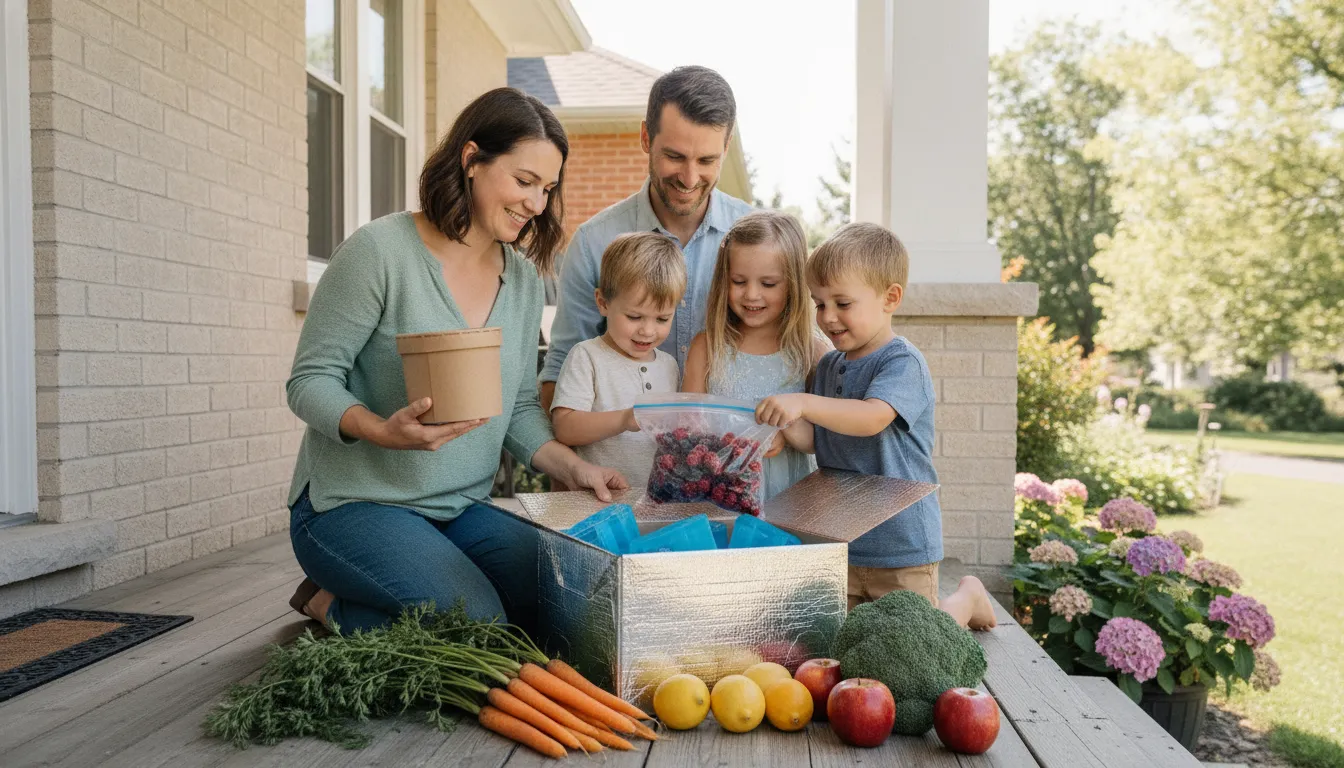
Frozen treats are easy to choose in a store because you can see the freezer and take them home immediately. With grocery delivery, the more important question is whether the service protects that frozen quality from checkout to your door.
A dependable ice cream delivery service uses insulated packaging, ice packs, and a carefully managed cold chain so ice cream and other frozen desserts arrive properly frozen. In Ontario, adding frozen favourites to a regular grocery order can make weekly shopping more convenient without adding another store run.
That reliability depends on more than a cold box. It includes thoughtful packing, predictable delivery, and a grocery model that lets you plan frozen staples alongside the rest of your order. Here is what to look for when choosing a service for your household.
A dependable ice cream delivery service is built around more than getting a frozen item into a grocery box. It needs a clear cold-chain process from the moment the order is prepared until it reaches your door. That means the product stays properly frozen in transit, arrives in good condition, and can go straight into your freezer without becoming a soft, messy compromise.
The most important sign of reliability is temperature control. Tre'dish uses insulated boxes and ice packs to help maintain the right conditions for refrigerated and frozen groceries during delivery. This cold-chain approach is designed so ice cream and other frozen treats arrive frozen, rather than partially melted and refrozen.
That matters for quality as well as food handling. Ice cream that warms significantly can lose its smooth texture when it freezes again. A steady cold environment helps protect the consistency, flavour, and appearance you expect when you open the container. It also gives you a more predictable experience when frozen favourites arrive alongside the rest of your groceries.
Once your order arrives, move ice cream into a consistently cold freezer as soon as practical. The U.S. Food and Drug Administration recommends maintaining a freezer at 0°F (-18°C). And notes that keeping food chilled at proper temperatures is one of the best ways to prevent or slow the growth of harmful bacteria. Learn more about safe food storage from the FDA.
Freezing is not a substitute for careful handling. Packaging should remain intact, the delivery should not sit outside for an extended period, and your freezer should have enough space for air to circulate. These simple steps support the work done by the delivery team and help protect the frozen food once it is in your kitchen.
Look for a provider that treats frozen items as temperature-sensitive groceries, not ordinary parcels. Clear delivery scheduling, suitable insulation, and a process designed for frozen foods are stronger signals than a low headline price. Reliability means the service fits naturally into your routine while preserving the quality of the treats you ordered.
With cold-chain delivery, adding ice cream to a regular grocery order can be convenient without asking you to lower your standards for freshness. The result is a freezer stocked on your schedule, with fewer last-minute store trips and more confidence in what arrives at the door.
Frozen desserts need more than a cold delivery vehicle. They need a controlled path from storage to packing to your door. Cold-chain handling is the set of practices that keeps temperature-sensitive food consistently cold during each stage of that journey. For an ice cream delivery service, that consistency matters because even a short period of warming can affect texture, quality, and food safety.
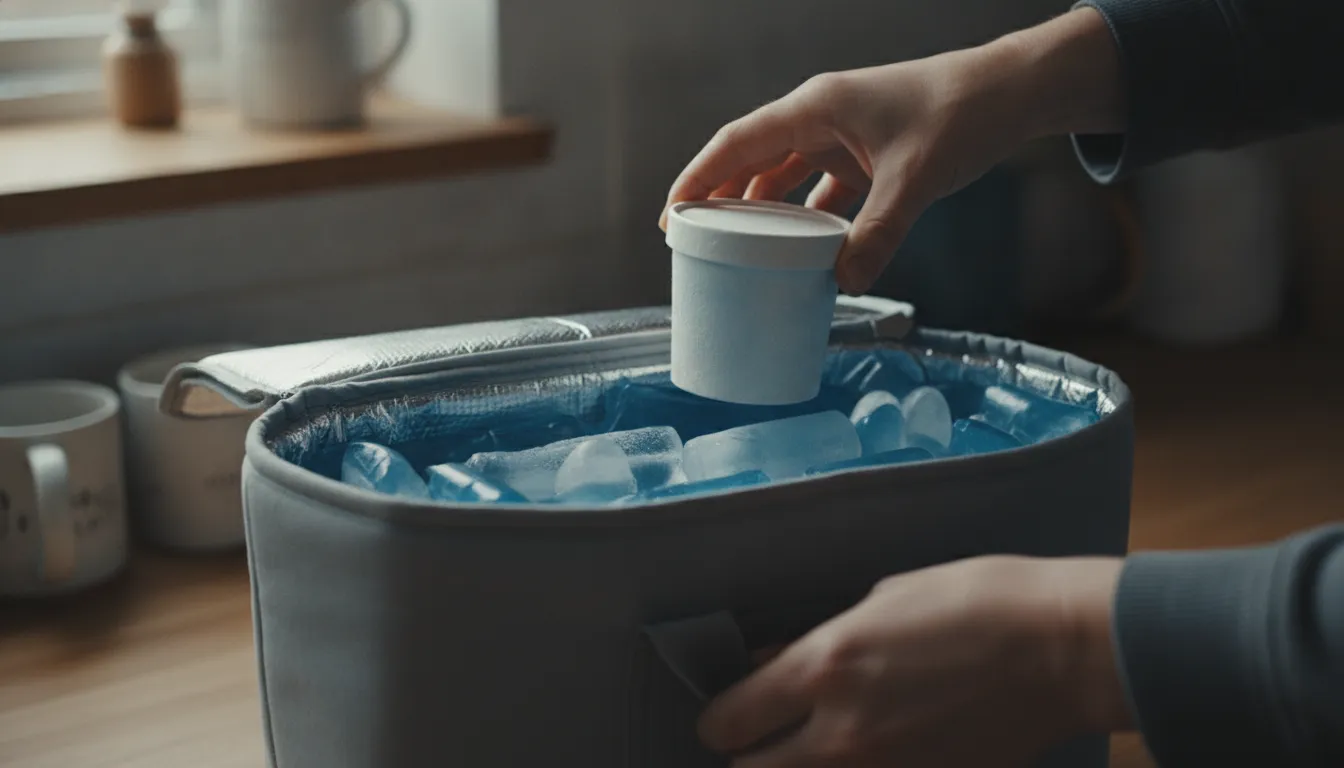
The FDA identifies proper chilling as one of the best ways to prevent or slow the growth of harmful bacteria. Its storage guidance recommends keeping a freezer at 0 degrees F, or -18 degrees C. That gives households a clear benchmark once frozen groceries arrive, while the delivery process must protect the food before it reaches your freezer. The FDA's food storage guidance explains these temperature recommendations in more detail.
Temperature control also protects the eating experience. Ice cream that partially melts and refreezes can develop large ice crystals and lose the smooth texture people expect. Keeping products properly frozen helps preserve their intended consistency, flavour, and appearance instead of leaving you with a softened container and an uncertain result.
Tre'dish uses insulated boxes and ice packs to help maintain the temperature of refrigerated and frozen groceries in transit. The insulation slows heat transfer from the surrounding environment, while the ice packs provide additional cooling inside the package. Together, they create a protective buffer between packing and unpacking, including the time a delivery spends outside the freezer.
The packaging is designed to support freshness without treating convenience and environmental responsibility as opposing goals. Eco-friendly materials help protect frozen treats while reducing unnecessary packaging where possible. When the order arrives, move ice cream and other frozen items into your freezer promptly, and keep the freezer set to the FDA's recommended temperature.
Once the box arrives, make frozen items one of your first priorities. Check that containers are still properly frozen, place them in the freezer, and avoid leaving them on the counter while unpacking the rest of the order. The CDC summarizes everyday food safety with four steps: Clean, Separate, Cook, and Chill. For frozen deliveries, the Chill step is especially practical: keep cold foods cold and return them to safe storage quickly. Review the CDC's food safety guidance for the full approach.
With a dependable cold chain and quick home storage, frozen favourites can arrive ready for the freezer, not the waste bin.
Yes. Ice cream can fit into the same regular grocery order as your pantry staples, produce, dairy, and other weekly essentials. Instead of planning a separate trip for frozen treats, add them while you are already building your basket and have them delivered with the rest of your groceries.
That is the practical advantage of a grocery delivery service built around autopilot convenience. You can set up a dependable weekly or bi-weekly routine, then adjust the order when your household needs something different. A family gathering, a warm weekend, or an empty freezer shelf does not have to create another errand.
Tre'dish uses insulated boxes and ice packs to support refrigerated and frozen deliveries. The packaging is designed to help maintain the cold chain during transit, so frozen favourites can arrive frozen rather than becoming an afterthought in a mixed grocery order.
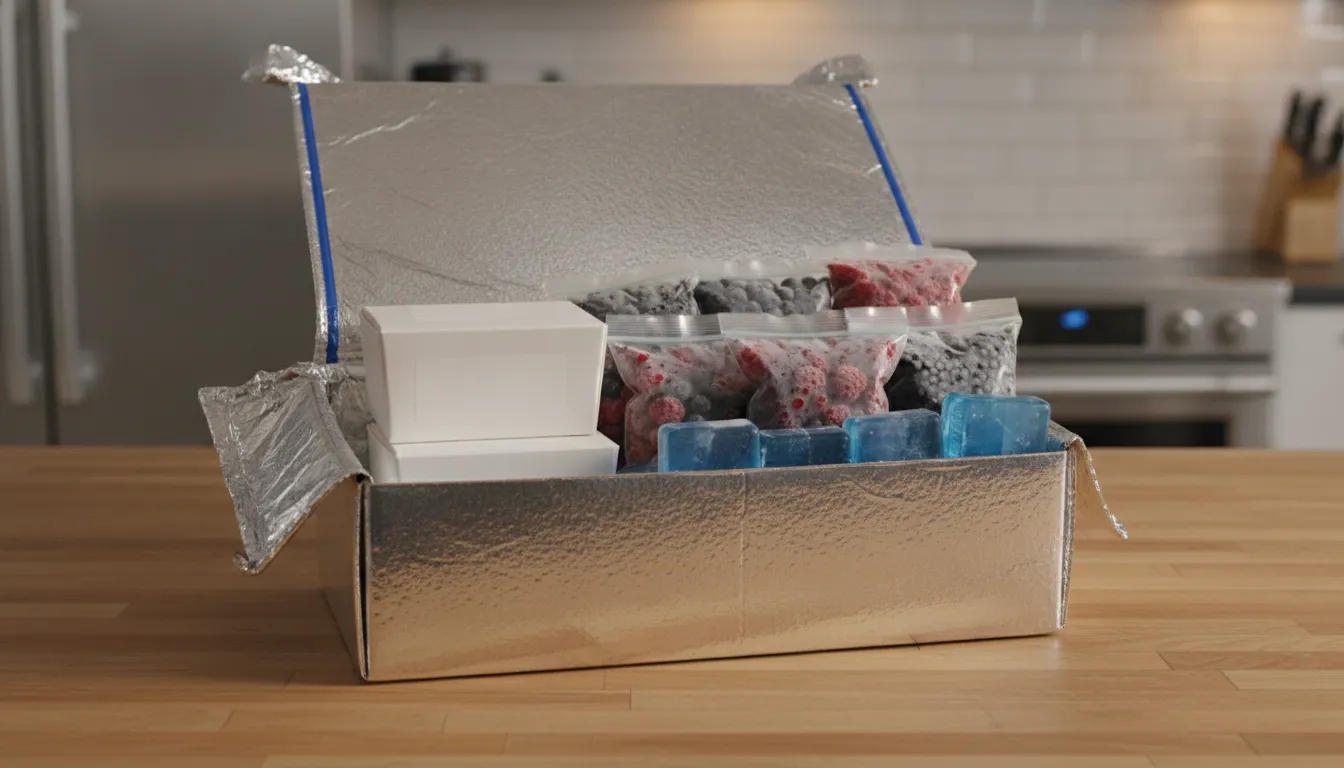
The process is straightforward. Browse the available groceries, add the ice cream or other frozen items you want, and check out alongside the rest of your basket. You do not need to create a separate frozen-food order or arrange a special delivery window. For a closer look at the ordering process, see how convenient weekly grocery delivery works.
Regular delivery also makes it easier to plan around real household preferences. You might choose a larger tub for family desserts, individual treats for lunchboxes, or a frozen staple to keep on hand for unexpected guests. The goal is not to encourage over-ordering. It is to make the items you already buy easier to include in the same routine.
Yes. Tre'dish does not charge subscription fees, and customers pay for the products they order. You can skip, modify, or cancel orders when your schedule or grocery needs change. That flexibility matters for frozen foods because freezer space, seasonal preferences, and household plans are rarely identical from one delivery to the next.
Adding ice cream to a regular grocery delivery is ultimately a small change with a useful payoff: fewer last-minute store runs. One coordinated order, and a more dependable way to keep frozen favourites ready at home.
Choosing an ice cream delivery service is about more than finding a flavour you like. In Ontario, the service should be able to protect frozen food during delivery. Offer products you would be happy to serve at home, and make ordering fit your routine. A few practical checks can help you compare providers with confidence.
Temperature control should be your first consideration. Ice cream that softens and refreezes can lose its smooth texture, even if it looks acceptable when the order arrives. Look for clear information about insulated packaging, ice packs, delivery handling, and what you should do with frozen items after receiving them. A reliable service should treat cold-chain delivery as part of the product experience, not an afterthought.
Tre'dish uses insulated boxes and ice packs to help maintain temperature while orders are in transit. That packaging is designed to support freshness without making convenience dependent on a trip to the store. You should still put frozen products away promptly when your delivery arrives, but the delivery process should give them a strong start.
Check whether the service offers more than one familiar tub or a narrow set of seasonal options. A useful selection might include different flavours, formats, and complementary frozen foods. So you can add a treat to a larger grocery order instead of creating a separate shopping trip. Product descriptions should be specific enough to help you understand what you are buying, including the maker, size, and any relevant dietary details.
Quality also includes how the service chooses its suppliers. Tre'dish sources products from more than 200 local Ontario farmers and producers. That local network can be a meaningful differentiator for shoppers who want their grocery choices to connect with Ontario producers, rather than relying only on large national brands.
Flexibility matters when you are buying an occasional dessert or planning around a busy household. Review whether you can adjust an order, skip a delivery, or cancel without unnecessary friction. Tre'dish has no subscription fees, and customers can modify, skip, or cancel orders. That structure lets you use delivery when it is useful without treating every week as a fixed commitment.
Voila by Sobeys is another local alternative shoppers may consider. Compare each service on cold-chain communication, product quality, local sourcing, selection, and ordering flexibility rather than choosing on name recognition alone. The best option is the one that reliably delivers frozen products in good condition and fits the way your household actually shops.
A dependable ice cream delivery service should fit into the way you already shop, not create another errand to manage. When frozen treats are part of your regular grocery order, you can keep family favorites. Dessert ingredients, and other freezer staples on hand without making an extra trip whenever supplies run low.
That is the practical value of Tre'dish's groceries-on-autopilot model. Instead of remembering every weekly essential at the last minute, you can build a recurring order around the foods your household uses most. Add ice cream or other frozen favorites, customize the order when your plans change, and choose a weekly or bi-weekly delivery schedule that works for you. The goal is a dependable routine, not a rigid box that arrives whether you need it or not.
Convenience matters, but so does knowing where your groceries come from. Tre'dish sources products from more than 200 local Ontario farmers and producers, giving households a way to support regional food businesses while ordering the staples they already need. That local focus can make a regular grocery delivery feel more connected to the people and producers behind the food, rather than like a purely transactional shipment.
For dairy-focused households, Tre'dish also offers a useful starting point for exploring farm-fresh dairy delivery. Pairing dairy products with frozen desserts in one planned order can simplify the weekly shop while keeping quality and provenance in view.
Yes. Tre'dish does not charge subscription fees, and customers pay for the products they order. You can modify, skip, or cancel an order when your schedule, freezer space, or household preferences change. That flexibility is especially useful for frozen staples, since demand can shift with the season, school schedules, visitors, or a change in meal plans.
With insulated boxes and ice packs supporting temperature-sensitive deliveries, frozen items are handled as part of the cold chain so treats arrive frozen and ready to store. The result is a simpler way to keep the freezer prepared: plan around your household, order from Ontario producers, and adjust the routine whenever life changes.
A quick convenience store run makes sense when you want one item immediately. But it also turns a small craving into another trip, another stop, and another task to fit into an already busy day. An ice cream delivery service takes a different approach: add frozen treats to the grocery order you already need and have them arrive with the rest of your essentials.
That difference matters most for households that plan around a weekly or bi-weekly routine. Instead of remembering ice cream only after dinner, you can keep a few family favourites on your regular list. Tre'dish's Groceries on Autopilot model is designed to replace repeated, unplanned grocery trips with dependable deliveries that you can customize. Learn how convenient weekly grocery delivery works when you want fewer errands without giving up choice.
With frozen food, the key question is not simply whether it was ordered online. It is whether the cold chain is handled carefully from packing through arrival. Tre'dish uses insulated boxes and ice packs to help temperature-sensitive groceries stay cold during transit. So frozen desserts can arrive ready for your freezer rather than softened from an unpredictable trip.
There is also a practical quality benefit to reducing extra handling. A convenience-store purchase may involve a hurried trip, a warm car, and a delay before the item reaches your freezer. A planned delivery gives you the chance to be ready for the order and put frozen items away promptly. At home, keep your freezer at the recommended temperature and organize space before delivery so the carton can be stored quickly.
Choose the convenience store when urgency is the priority. Choose delivery when you want ice cream included in a more dependable food routine. You can plan around your household's preferences, add other frozen staples at the same time, and avoid making a separate trip for a single item. Tre'dish orders can be modified, skipped, or canceled, and there are no subscription fees. That flexibility keeps delivery useful without making it rigid.
| Consideration | Quick convenience store run | Planned ice cream delivery |
|---|---|---|
| Cold-chain care | Warm car and rushed trip can soften treats | Insulated boxes and ice packs help keep items frozen |
| Planning | One-off, often last minute | Fits a weekly or bi-weekly grocery routine |
| Selection | Limited to what the store stocks | Can be added alongside other frozen staples and groceries |
| Flexibility | Immediate, but starts a new errand | Orders can be modified, skipped, or canceled |
| Extra trips | Creates another stop | One coordinated order, fewer store runs |
The result is less about replacing every spontaneous outing and more about making the predictable parts of grocery shopping easier. When quality, careful cold-chain handling, and time savings matter, planned ice cream delivery can be the more convenient choice for Ontario households.
Yes. In Ontario, you can add ice cream and other frozen desserts to a grocery order and have them delivered with your regular staples. This approach is useful when you want dependable freezer items without making an extra store trip. Check the available delivery area and select products that fit your household's preferences.
A reliable service uses cold-chain handling from packing through delivery. Tre'dish uses insulated boxes and ice packs for temperature-sensitive orders, helping frozen treats stay cold while they are in transit. Put the ice cream in your freezer soon after delivery and follow the product's storage directions.
Look for clear delivery coverage, dependable temperature control, suitable frozen-dessert selection, and packaging designed for cold items. Ontario shoppers may also value local sourcing and a delivery schedule that fits their routine. Flexible orders are helpful when plans change, especially if you can skip, modify, or cancel an order.
Yes. Adding frozen favourites to a weekly or bi-weekly grocery routine can make freezer restocking easier and reduce last-minute shopping. Tre'dish orders have no subscription fees, and you can customize each order rather than receiving the same products automatically every time.
You do not have to trade your favorite frozen desserts for the hassle of extra store trips. A dependable grocery delivery plan keeps premium ice cream and frozen staples within reach, delivered cold and handled with care all the way to your door. You can skip, modify, or cancel any order, so your freezer stays stocked on your schedule, not the store's.