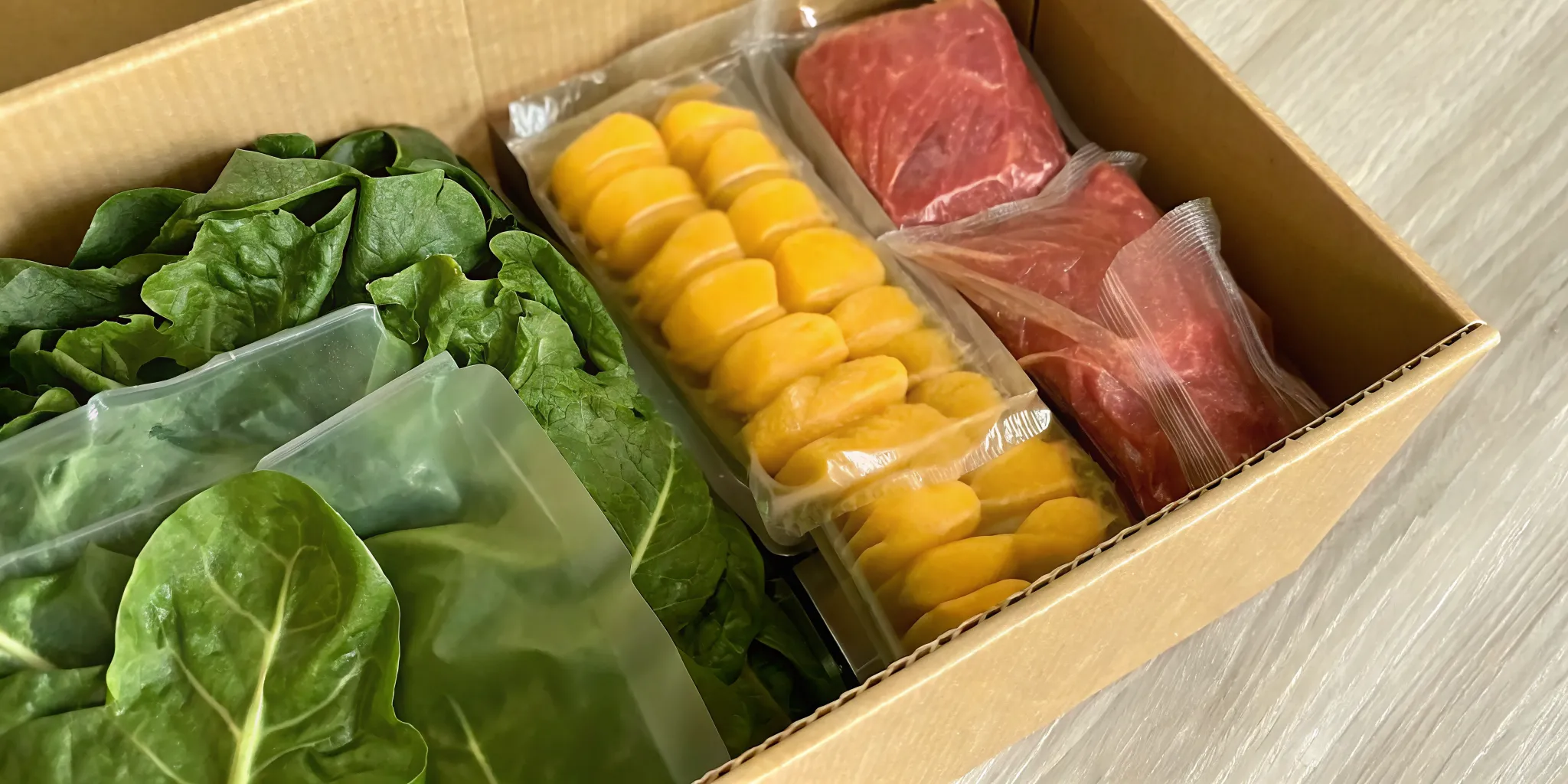
6 Best Affordable Meat Delivery Services in Canada
Find the best affordable meat delivery service in Canada for quality, convenience, and savings. Compare top options and enjoy fresh meat delivered to your door.

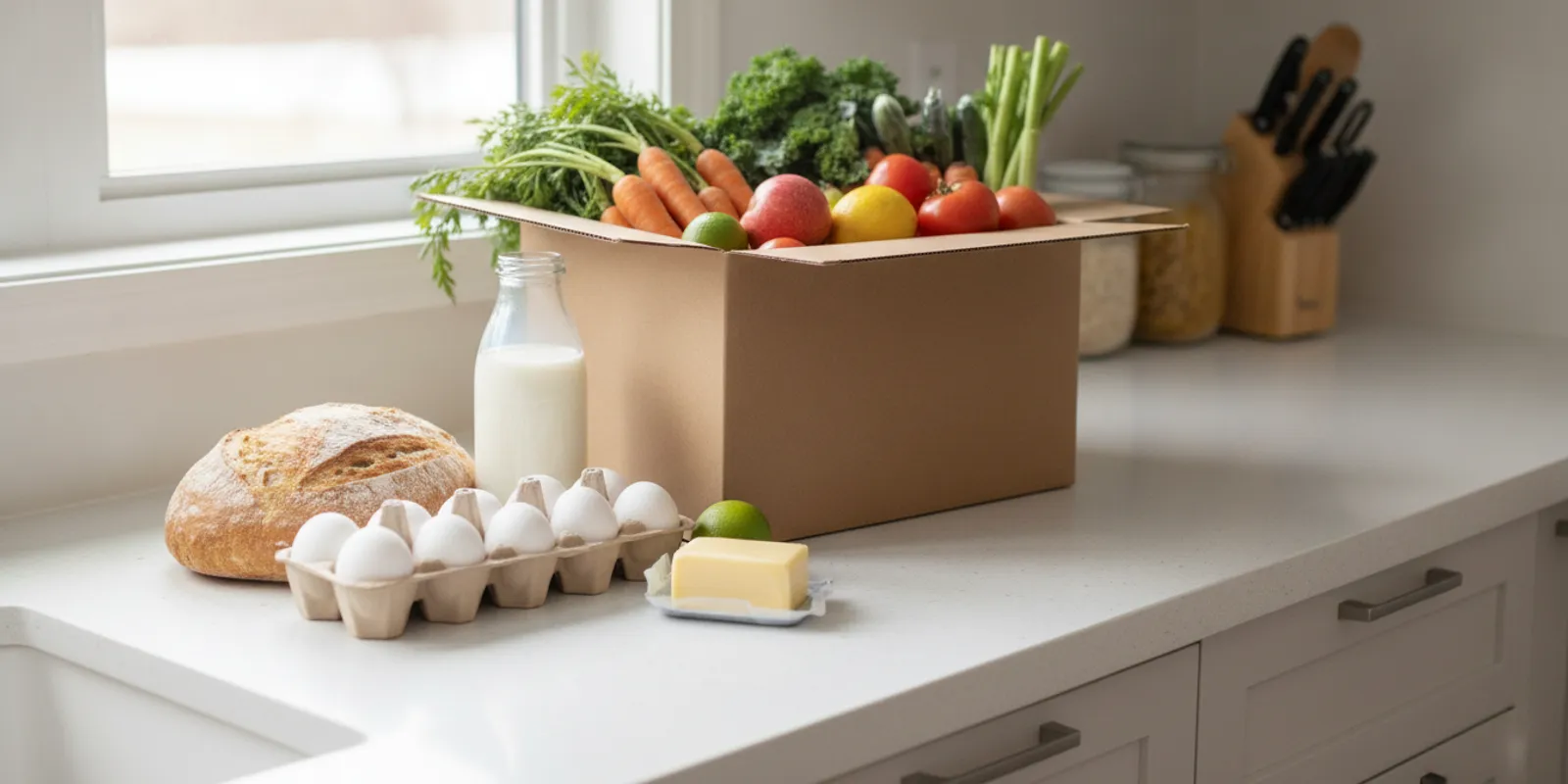
A grocery box is most useful when it fits the week you actually have, not an ideal meal plan you may never follow. Before choosing groceries, count the meals you expect to make at home, check what is already in your kitchen, and note which foods need replenishing. A practical weekly order brings together fresh ingredients, reliable staples, and enough flexibility for plans to change.
Start with broad categories instead of adding products at random. Most households can build a useful list from produce, protein, meal foundations, breakfast or lunch basics, and a few pantry replacements. The exact mix depends on how many people you feed, the meals you cook, your storage space, and what is already available at home.
Imagine a household expecting to cook four dinners. It might choose vegetables that can go into a stir-fry and a soup, ingredients for one simple egg meal, fruit for breakfasts, and one pantry staple that is nearly finished. Shared ingredients give the order several clear uses. This is a planning example, not a fixed quantity: appetites, household size, and meals at home all vary.
It can help to separate ingredients that form a meal from the small items that make it complete. For example, pasta and vegetables may be the foundation, while a protein or sauce turns them into a satisfying dinner. Check what you already have before buying the finishing ingredients. For practical ideas on maintaining core supplies, see this guide to keeping a pantry stocked.
A short planning routine is often enough to reduce duplicate purchases and make an order easier to use. You do not need to assign a recipe to every day. A rough calendar, a quick inventory, and a few meal anchors can give you a useful structure without making the week feel rigid.
For instance, if Tuesday is likely to be busy, plan a quick meal that uses ingredients already on the list. If Saturday includes a family visit, decide whether you need extra food or whether guests are bringing something. These details influence the order more than a long list of aspirational recipes. A simple weekly note can also help: write down meals, ingredients to use, and any items to replace.
Some shoppers prefer to repeat a few familiar meals, while others want a different menu every week. Either approach can work. Repeating a dependable breakfast or lunch reduces planning effort, while changing one dinner ingredient can bring variety without requiring a completely new basket. If you are building a broader weekly routine, learn how groceries on autopilot can fit into a household schedule.
Fresh foods add variety, while pantry and freezer items give you dependable options when time is short. Plan each item around when you expect to use it. Delicate greens might be assigned to an early-week salad, while sturdier vegetables, apples, potatoes, and dry grains can be planned for later meals. Follow package directions and use your judgment about each product's condition and storage needs.
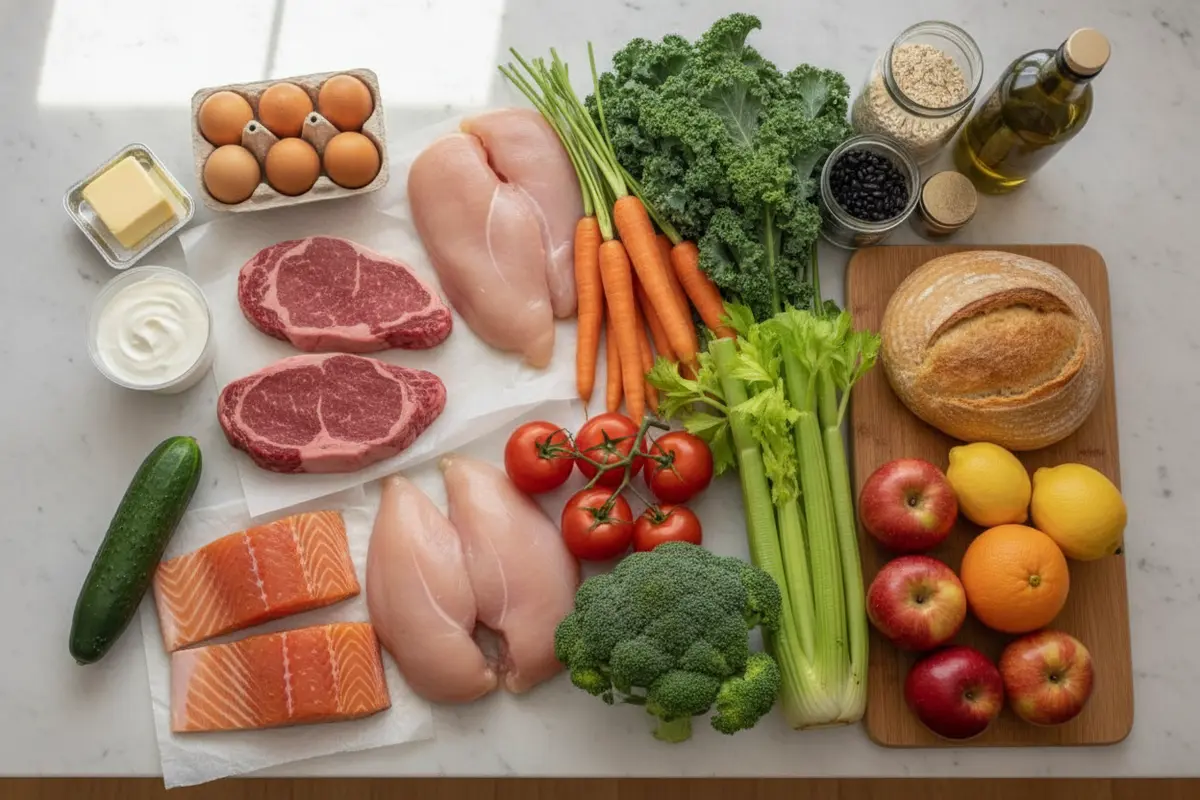
A useful test is to ask, “What is this item's job?” If a vegetable appears in one complicated recipe that you may not make, consider whether it could be used in a simpler dish, lunch, or side. The answer does not have to be yes for every product. A special ingredient can be worth choosing when you are excited to use it; the point is to distinguish an intentional choice from an item added without a plan.
| Category | Planning question | Practical check |
|---|---|---|
| Fresh produce | When will I use it? | Schedule delicate items earlier and avoid quantities you cannot finish. |
| Protein | Which meals need it? | Match the amount to planned meals and check the freezer first. |
| Breakfast and dairy | What do we use routinely? | Count current packages before replacing familiar items. |
| Pantry staples | Is this actually running low? | Restock gaps rather than filling an already full shelf. |
| Flexible backup | What helps if plans change? | Choose one convenient option the household will enjoy. |
Consider a week with pasta, soup, and a grain bowl on the menu. Carrots might contribute to the soup and grain bowl. A bag of spinach could go into pasta and an omelette. A dry grain can serve as a side and as a lunch base. Planning these overlapping uses can make a grocery box feel varied without filling the kitchen with one-off ingredients.
Begin with an ordinary week, not the week when you expect to cook an elaborate meal every night. Choose a few dishes you already know how to prepare, then list shared ingredients and the everyday foods your household needs. A smaller household might need produce for a stir-fry and salad, fruit for breakfast, eggs, a dairy item, bread, rice, and one pantry replacement. A larger household may need more of the same categories, additional lunch ingredients, or a second easy dinner option. Treat those as categories, not prescribed portions.
A simple grid helps expose gaps before you check out. Use it to connect each meal moment with a practical question:
| Meal moment | Possible plan | What to check before ordering |
|---|---|---|
| Breakfast | Oats, yogurt, or eggs with fruit | How many breakfasts will be eaten at home? |
| Lunch | Leftovers, sandwiches, or salad | Can dinner ingredients be used again? Is bread or produce already available? |
| Dinner 1 | Stir-fry with a grain and protein | Which vegetables can also work in another meal? |
| Dinner 2 | Eggs, potatoes, and vegetables | Are eggs or potatoes already in the kitchen? |
| Flexible night | A pantry or freezer meal | Is the backup easy and appealing enough to use? |
If three meals use the same ingredient, confirm that the amount makes sense for your household. If one dinner depends on several specialty items you will not use again, decide whether it is the right choice for this week. The goal is not to create a perfect menu. It is to choose groceries that support likely meals while leaving room to improvise.
For a first order, keep a little space in the plan for learning. You may discover that you use more fruit than expected but less bread, or that a planned dinner regularly becomes leftovers. Rather than trying to predict every preference in advance, make one or two adjustments after seeing how the order fits your routine. Review how Tre'dish works to understand the ordering process before you begin.
Convenience matters most when groceries arrive in a condition that works for your plans. When comparing a delivery service, look at how it explains packaging, handling, and delivery timing. Tre'dish deliveries are refrigerated and use insulated boxes and ice packs. When an order arrives, put chilled or frozen items away promptly and follow the storage guidance on each product.
For general information, visit the Government of Canada's food safety resources. Use food-safety guidance alongside product labels and your own observations. Thinking about storage before ordering also helps: check whether your fridge has room, and plan which foods should be easy to reach for the first meals of the week.

Packaging and product information are part of the shopping experience, not small details to leave until delivery day. Read available descriptions before selecting products, especially when you are comparing formats or want to understand how an item fits your household. You can also review Tre'dish suppliers and Canadian partners to learn about its assortment and supplier relationships.
The term “grocery box” can mean a fixed assortment, a produce-focused delivery, or a broader order where you choose individual groceries. Before choosing a service, work out how much selection and control you want. A fixed box may simplify decisions, while a flexible basket can better accommodate allergies, household preferences, and changing plans. The best fit is the format you can use consistently.
Tre'dish is a flexible grocery subscription with no subscription fees; customers pay for the products they order, and they can modify, skip, or cancel. The weekly model is intended to replace repeated grocery trips while leaving customers in control of the order. Tre'dish also states an average basket savings of approximately 25%; consider that alongside the groceries, delivery approach, and flexibility that matter to your household. For more details about the experience, read customer testimonials.
Canadian-made products may also matter when you are deciding what to put in the basket. Look for product details that identify relevant sourcing, then decide whether those choices suit your preferences and meals. A broad grocery order can combine these products with everyday staples, rather than requiring you to plan a special menu around each one.
Overbuying often starts with a list of possibilities rather than a plan. A useful grocery box does not have to be bare-bones; it should have enough variety to make meals enjoyable, with a clear reason for the items you choose. Try these quick checks before placing an order:
For example, carrots could support pasta sauce one evening and soup another. A bunch of herbs may add flavour to one dish and then work in eggs or sandwiches. If you cannot see a realistic second use, choose a smaller quantity if available, plan to use the remainder, or select an ingredient you already know how to handle. This approach reduces unwanted leftovers without making food planning feel strict.
Storage is another useful limit. A quantity can look reasonable on a screen and still be awkward if the fridge is full or the freezer has no room. Before checkout, imagine where the products will go. If you need to clear a shelf or use a few items first, do that before adding more. This small step can make the arrival easier and encourage you to use what you ordered.
A reliable routine should still allow for an unpredictable week. Before relying on a recurring order, understand its order window and the controls available to you. Tre'dish customers can modify or skip orders and can cancel. Check the current account details so you know when to make a change. That flexibility can be useful when travel, visitors, or a shift in meal plans changes what you need.
A short weekly review can take only a few minutes. First, check the upcoming delivery and decide whether the usual household routine still applies. Next, remove products that no longer have a likely use and add only essentials that are missing. Finally, consider nights away, guests, and meals you expect to eat elsewhere. This review is more effective than treating a recurring order as a fixed list that never changes.
After delivery, keep a short note about what ran out, what remained, and what would have made a meal easier. Avoid changing everything at once. If you consistently have extra greens, reduce or replace one item next time. If breakfast food runs short, adjust that category. Small revisions make the order more accurate without requiring you to start a new plan every week. If you have an order question, use the Tre'dish contact page.
Put chilled and frozen groceries away promptly, then group the remaining items by the meals they support. Keep foods intended for the first few days visible, and follow product labels for storage. A quick look at the order can also tell you whether the quantities fit your shelves and containers. If anything is not as expected, make a note while the details are fresh.
At the end of the week, compare what you planned with what actually happened. A late evening may have turned into leftovers, or a planned dinner may have moved to the weekend. Those changes do not mean the order failed; they are useful information for the next one. Ask yourself three questions: Which foods did we use first? Which items remained? What would have made a meal easier? Answers help you adjust the balance and quantities for your household.
You can also use this review to decide whether the delivery format itself is working. Did the selection give you enough control? Did the timing fit your week? Were product details clear before ordering? Keep the answers practical. If one part of the process was inconvenient, identify the specific issue and see whether a change to your list or schedule would solve it.
A grocery box is an order of groceries delivered to a household. Depending on the service, it may contain a set assortment or let shoppers choose individual products.
Plan around meals you expect to make, check what is already at home, and add everyday foods your household uses. Then review quantities and storage space before placing the order.
Many grocery services offer a combination of produce, refrigerated items, and shelf-stable goods. Check the available assortment and product descriptions to confirm what you can order.
Tre'dish customers can modify or skip orders and can cancel. Review your account and order-window details so you know when to make changes.
Tre'dish's confirmed service area is the Greater Toronto Area. Check delivery availability for your address before planning an order.
Build your grocery box around the meals and staples your household will genuinely use, then adjust the mix as you learn what works. A little planning can make weekly delivery feel practical, fresh, and flexible.