Grocery Subscription Canada: Flexible Weekly Delivery
Start a flexible grocery subscription Canada households rely on. See how dependable delivery, customization, and fresh quality make grocery shopping easier.

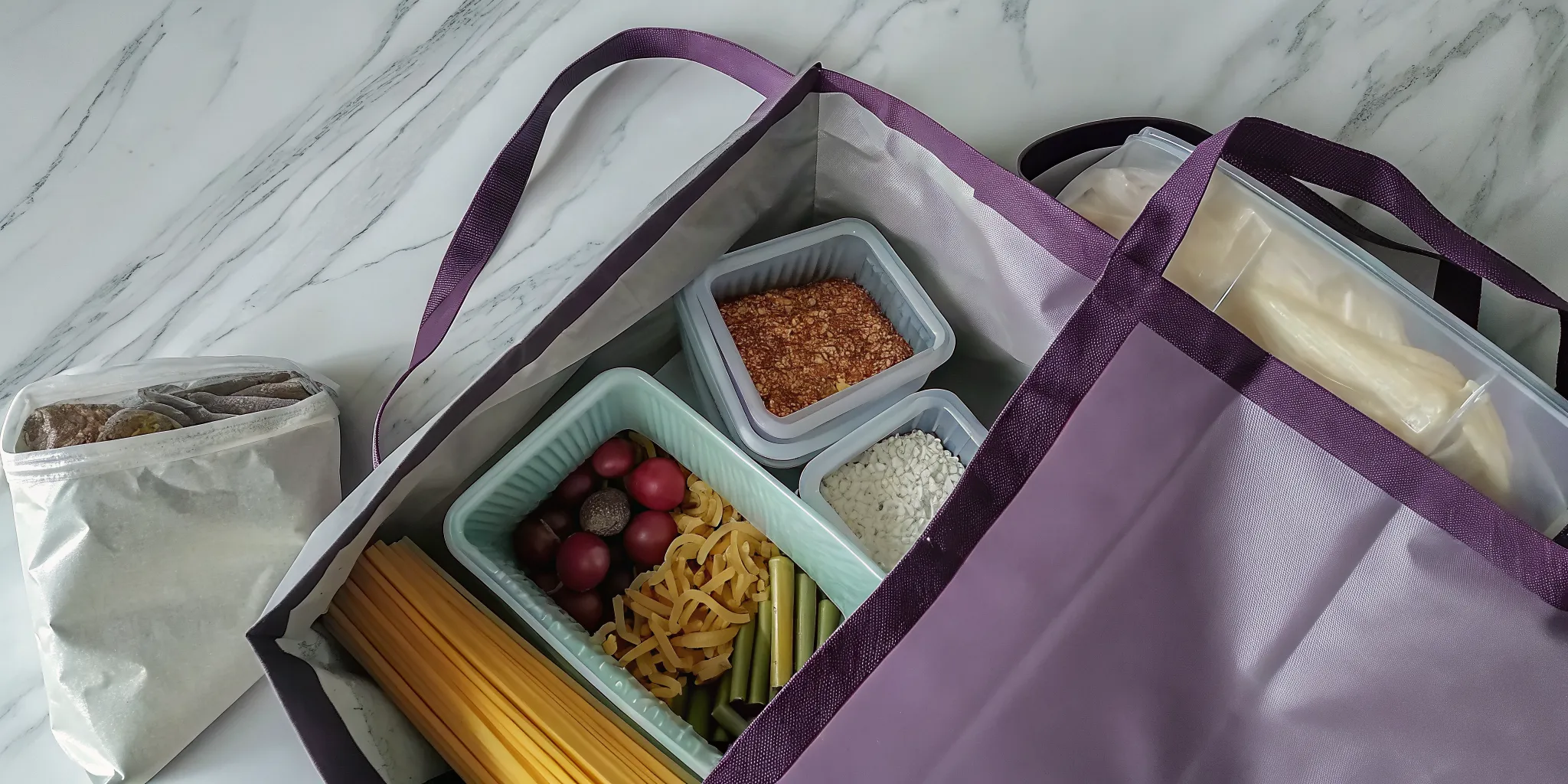
The mental energy it takes to plan meals, write grocery lists, and make weekly store runs is significant. Grocery delivery offers a way to reclaim that time, but choosing the right service is key to truly simplifying your life. Some platforms require you to be on-call to approve substitutions, while others offer a more hands-off approach. If you’re looking to put your weekly shop on autopilot, this guide will help you find a system that works. We’ll compare the different models to help you choose the best grocery delivery for pantry staples, allowing you to set it, forget it, and trust that your kitchen will always be stocked.
Think of your pantry as the unsung hero of your kitchen. It’s where you turn when you need to whip up a meal without a last-minute trip to the store. Pantry staples are simply the non-perishable, long-lasting foods that act as the foundation for your everyday cooking. These are the reliable ingredients you can count on to be there, ready to go, week after week. They are the key to turning a few fresh items into a complete, satisfying dinner.
So, what exactly makes the cut? Generally, we’re talking about items like grains, canned goods, and dried legumes. A well-stocked kitchen usually has things like rice, pasta, flour, sugar, canned tomatoes, beans, and cooking oils. These are the versatile workhorses that can be mixed and matched to create dozens of different dishes. Having a good selection of these essential pantry staples is what saves you from that five o'clock "what's for dinner?" panic.
Of course, what’s considered a staple can be personal. Your must-haves will depend on what you and your family love to eat. For one household, a pantry isn't complete without quinoa and coconut milk, while for another, it’s all about cornmeal and barbecue sauce. The goal isn’t to have a pantry that looks like a picture on Pinterest; it’s to have one stocked with the quality ingredients that make your life easier. By keeping these core items on hand, you spend less time worrying about your grocery list and more time enjoying delicious, home-cooked meals.
Switching to grocery delivery can be a game-changer for your weekly routine, but with so many services available, how do you pick the right one? It’s about finding a service that fits your budget, your schedule, and your family’s needs. Before you sign up, think about what matters most to you. Is it saving money, getting the highest quality produce, or simply reclaiming a few hours on the weekend? Let’s walk through the key things to consider so you can choose a service with confidence.
The price of groceries is just one part of the equation. To understand the true cost, you need to look at the entire picture, including membership fees, delivery charges, service fees, and potential markups on individual items. Some services have higher fees but offer a wider selection, while others focus on providing value through a subscription model. It’s a good idea to check for a minimum order amount, as you’ll need to meet it to complete your checkout. A great way to compare is to build a mock shopping cart of your weekly staples on a few different platforms to see how the final totals stack up. This helps you find a service that offers fair, transparent value without any surprise costs.
There’s nothing more frustrating than getting halfway through your online order only to realize the service doesn’t carry your go-to pasta sauce or your kids' favorite snack. Before committing, browse the product selection to make sure it aligns with your shopping list. Some services partner with local supermarkets, giving you access to a massive inventory. Others, like Tre’dish, offer a more curated selection, often focusing on high-quality items and sourcing from Canadian producers. If your family has specific dietary needs or you prioritize organic produce, check that the service can consistently meet those needs. A service should simplify your life, not make you place multiple orders to get everything you need.
The promise of grocery delivery is convenience, and a huge part of that is reliability. Ask yourself what kind of delivery schedule works for you. Do you need the flexibility of a two-hour delivery window, or would you prefer a predictable, recurring delivery that you can set and forget? On-demand services are fast, but they often require you to be available to approve substitutions in real time. A subscription service, on the other hand, allows you to put your weekly shop on autopilot. You can set a delivery schedule that works for you, freeing up your time and mental energy for other things. Make sure to confirm that the service delivers to your postal code before you start shopping.
Handing over control of your produce and protein selection can feel like a gamble. We’ve all heard stories of bruised apples and questionable-looking chicken arriving on someone’s doorstep. Quality control is what separates a good grocery delivery service from a great one. Some services rely on third-party shoppers who may be rushing through the store, while others have dedicated teams and direct partnerships with suppliers to ensure quality. Look for a service that stands behind the freshness of its products. Reading reviews that specifically mention the quality of produce and meat can give you a clear idea of what to expect. A trustworthy service should feel like you picked the groceries yourself.
The word "subscription" can sometimes feel intimidating, but a good service puts you in control. Before signing up, check how flexible the terms are. Can you easily skip a week if you’re going on vacation or have a change of plans? Are you able to pause your membership without a hassle? The best subscription services are designed to adapt to your life. They make it simple to customize your weekly order, add or remove items, and adjust your delivery frequency. A subscription shouldn't feel like a rigid contract; it should feel like a convenient tool that simplifies your routine and ensures your pantry is always stocked with your essentials.
When it comes to keeping your pantry stocked, the right delivery service can be a game-changer. But with so many options out there, how do you choose the one that truly fits your life? Each service has its own approach, from membership models focused on specialty goods to on-demand shoppers who can visit your favorite local grocery store. We’re going to look at four popular services to see how they compare for pantry staples. We'll break down what makes each one unique, so you can find the perfect fit for your kitchen, your schedule, and your budget. Let's see who's really worth it for keeping your cupboards full of all the essentials.
Tredish is designed for smart shoppers who want to put their groceries on autopilot. The subscription model is perfect for pantry staples because it takes the thinking out of restocking essentials like pasta, oils, and canned goods. You get high-quality groceries, including many Canadian-made products, delivered on a predictable schedule. This isn't a discount service; it's about getting fair, transparent value. By removing retail inefficiencies, Tredish helps you save around 25% on your average basket. It’s the ideal choice if you value consistency, quality, and the time you save by letting your pantry essentials restock themselves.
Thrive Market is a great option if your pantry is filled with organic, non-GMO, and specialty diet items. It operates on a membership model, which costs about $60 per year. In return, you get access to a curated selection of health-focused products at prices that are often lower than you'd find in a traditional health food store. While it’s excellent for discovering new ethical and eco-friendly brands, the membership fee means it’s best suited for those who will use it regularly. According to CNET, it's one of the best grocery delivery services for this specific niche.
For shoppers focused on value and convenience, Walmart+ is a strong contender. A membership gets you free delivery on orders over $35, which is a pretty easy minimum to hit when you’re stocking up on pantry goods. The big advantage here is that you can add household items, electronics, and clothing to your grocery order. This makes it a practical one-stop-shop, especially if you already do a lot of your shopping at Walmart. The annual fee is around $98, making it a cost-effective choice for families who want to consolidate their shopping and save on delivery fees across the board.
If you love the selection at your local grocery store but hate the hassle of going there, Instacart offers a solution. The service connects you with a personal shopper who buys your items from stores like Loblaws, Costco, or your favorite local market and delivers them to your door. This flexibility is its main draw. However, the convenience can come with extra costs, including service fees, delivery charges, and potential item markups. An Instacart+ membership, at about $99 a year, offers free delivery on orders over $35, which can be worthwhile if you plan to use the service frequently.
Sometimes the easiest way to decide is to see a simple list of the good and the not-so-good. To help you figure out which service fits your life, here’s a quick look at the pros and cons for each of our top contenders.
Tredish is all about putting your groceries on autopilot. The biggest pro is the combination of quality and value. You get fresh, often Canadian-sourced produce and proteins delivered on a predictable schedule, which is a huge time-saver. Plus, the model is designed to save you about 25% on your weekly basket without you having to hunt for deals. The main drawback is that it’s a subscription service. If you prefer to shop on a whim or want to pick from different local grocery stores each week, this might feel a bit restrictive. However, if you value consistency and want to set up your weekly shop and forget it, it’s a fantastic system.
Thrive Market is a dream for anyone with specific dietary needs or a passion for organic and sustainable brands. Its biggest strength is the incredible selection of pantry items, frozen foods, and specialty products that you might not find at your local supermarket. The focus on ethical and eco-friendly products is a huge plus for conscious shoppers. The main downside is the required membership, which costs about $60 a year. This can be a dealbreaker if you only plan to order occasionally. But if you regularly buy organic or specialty goods, the savings you get on products can easily make the membership fee worth it.
The main advantage of Walmart+ is its straightforward value, especially if you’re already a frequent Walmart shopper. The membership gets you free delivery on all your orders, not just groceries, which can add up to significant savings. It’s also a great option if you live in a smaller town or a more rural area where other grocery delivery services might not be available. The catch is that you need the membership to get the best perks, and at $98 per year, it’s an investment. If you don’t shop at Walmart often, you might not get enough value out of the subscription to justify the cost.
Instacart’s biggest pro is its flexibility. You can order from your favorite local grocery stores, drug stores, and even pet stores, all from one app. The real-time communication with your personal shopper is also a great feature, as you can approve replacements if something is out of stock. On the flip side, this convenience can come at a higher price. You might see product markups, and you’ll have delivery fees and a tip to consider. While an Instacart+ membership at $99 a year offers free delivery on orders over a certain amount, the service can still be one of the more expensive options if you’re not careful.
When you’re trying to save money on groceries, the sticker price is only part of the story. A service that looks cheap at first glance can quickly become expensive once you add up membership costs, delivery fees, and the dreaded "service fee" that pops up at checkout. To figure out which service truly offers the best value, you have to look at the complete picture. It’s not just about finding the lowest price on a can of tomatoes; it’s about understanding the total cost of getting your weekly groceries from the store to your door.
Let's break down the real costs associated with the most popular grocery delivery services. We’ll look at the membership fees you have to pay just to get in the door, the extra charges for delivery, and where you can actually find meaningful savings on your grocery bill. This way, you can see how the numbers add up and decide which option makes the most sense for your budget and your lifestyle. For many of us, the goal is to find a service that offers fair, transparent value without forcing us to hunt for deals or get surprised by hidden fees.
Many grocery delivery platforms operate like a club, requiring an annual or monthly fee for access to their service. For example, a Thrive Market membership costs around $60 per year, giving you access to their catalog of specialty and organic products. Similarly, services like Walmart+ and Instacart+ have annual fees close to $100, which gets you benefits like free delivery on qualifying orders.
Tredish works a little differently. Instead of charging a separate membership fee, we build the value directly into our grocery subscription. You’re not paying for access; you’re simply paying for your groceries. This approach keeps things simple and transparent. Your subscription puts your weekly grocery run on autopilot, focusing on consistent savings and high-quality products without an extra annual fee.
Delivery fees are where costs can really start to vary. With a service like Instacart, you might pay a delivery fee starting at $4 for each order, plus a service fee and an expected tip for your shopper. Other services, like Amazon Fresh, offer free delivery, but only if your order is over a certain amount, which can be as high as $100. Even with a Walmart+ membership, you need to spend at least $35 to get free delivery.
These variable costs can make it hard to predict your final bill. At Tredish, we believe in predictability. Our model is designed to replace your repeated grocery trips with a dependable delivery schedule. The cost of delivery is straightforward and built into your subscription, so you know exactly what to expect with every order. There are no surprise service fees or fluctuating delivery charges based on how busy it is.
So, where does the real value come from? While some services are known for their low shelf prices, others, like Instacart, can end up being more expensive once all the fees are added. The key is to look at your total basket savings over time. Are you consistently paying less for the items you buy every week?
This is where Tredish really stands out. By working directly with Canadian producers and removing the inefficiencies of traditional retail, we deliver an average savings of about 25% on a typical grocery basket. You aren't paying a premium for convenience. Instead, you’re getting fair, transparent value on high-quality groceries, week after week. You can create an account and see how our prices on fresh produce and pantry staples compare. The savings are built-in, not based on temporary sales or coupons.
Before we get into the nitty-gritty, let’s talk about what you can actually get delivered. The term “pantry staple” is personal; for one person, it’s all about organic quinoa and coconut aminos, while for another, it’s classic pasta and canned tomatoes. The good news is that most grocery delivery services have caught on and now offer a huge range of products that cover the essentials and then some. You can stock up on everything from baking supplies and breakfast cereals to your go-to late-night snacks.
The real difference between services isn't just what they offer, but how they offer it. Some platforms act like a massive digital warehouse with endless aisles to scroll through, which can be overwhelming. Others, like Tredish, provide a more curated experience, focusing on high-quality items and making it simple to find what you need. By exploring the pantry selection, you can see how a focused approach helps you build a functional kitchen without the decision fatigue. The goal is to create a well-stocked pantry that works for you, making meal planning simpler and saving you from those last-minute trips to the store for a single ingredient.
This is the foundation of any good pantry. We’re talking about the workhorses of your kitchen: canned beans and tomatoes, bags of rice and quinoa, boxes of pasta, and canisters of flour and oats. Having these items on hand means you’re always just a few steps away from a hearty soup, a quick pasta dinner, or a healthy breakfast. Most delivery services have this category covered, with some offering an especially extensive selection of pantry items. When you keep these basics stocked, you give yourself the building blocks for countless meals, which is a huge win for busy weeknights.
Let’s be honest, a pantry isn’t complete without the fun stuff. This category includes everything from granola bars and crackers for on-the-go fuel to your favorite cereal, coffee, and tea that get your morning started right. While some services are built for impulse buys and can get snacks to your door in under an hour, a subscription model helps you plan ahead. Instead of making last-minute orders, you can ensure your family’s favorite snacks and breakfast staples are always in stock. It’s a simple way to keep everyone happy and your kitchen running smoothly, whether you’re packing lunches or grabbing a mid-afternoon pick-me-up.
These are the items that bring your meals to life. Think high-quality olive oil, versatile vinegars, soy sauce, mustard, and jars of your favorite pasta sauce. While you can find a wide variety of these staples through services that pull from thousands of local stores, quality is key. The right finishing oil or a well-made sauce can completely transform a simple dish. Stocking up on these flavor-makers ensures you’re never stuck with a bland meal. It’s worth taking the time to find a service that provides condiments and oils you can trust, as they are the secret weapons of a delicious, home-cooked meal.
If you’re looking for organic products, items for a specific diet, or want to support local producers, you’re in luck. Many services now cater to these needs. Some platforms are specifically designed to offer healthy and organic foods, with filters for everything from gluten-free to paleo. For those of us in Canada, finding high-quality, Canadian-made products is a top priority. That’s where a service like Tredish really shines, by partnering with local farms and producers to bring you fresh, trusted goods. When you create an account, you can build a grocery plan that aligns with your values and dietary needs, all while supporting Canadian businesses.
Of course! Who doesn’t love saving a bit of money on their grocery bill? Most delivery services have some kind of deal structure, usually centered around a paid membership that helps you save on delivery fees over time. It’s a common way to reward frequent shoppers.
For example, Instacart offers a membership for about $99 per year that gives you free delivery on orders over $35. Similarly, Walmart+ provides free delivery on orders and even has a 50% discount for students on its membership. If you’re focused on stocking up on healthy or specialty pantry items, Thrive Market is an excellent option with an annual membership that works out to just $5 a month. These memberships can be a great value if you order frequently enough to offset the cost.
Other services, like Tredish, build the value right into your subscription. Instead of paying a membership to unlock deals, you get fair, transparent pricing from the start. By working directly with Canadian producers and farmers, Tredish removes the retail markup, which means you save around 25% on your typical grocery basket every week. Plus, you get access to weekly rewards and limited-time product drops without ever having to hunt for a coupon code. It’s a different approach that focuses on consistent, predictable savings rather than chasing temporary sales.
Grocery delivery is a game-changer for busy weeks, but let's be honest, it isn't always a flawless experience. From getting yogurt instead of sour cream to watching your bill creep up with hidden fees, a few common issues can add stress back into your routine. The good news is that most of these problems have simple solutions. By choosing the right service and knowing what to look for, you can make sure your online grocery run is as smooth and predictable as you need it to be. Let’s walk through the biggest headaches and how to solve them for good.
It’s incredibly frustrating to plan a meal around specific ingredients, only to have your delivery arrive with missing items or strange replacements. Many services rely on gig shoppers who make last-minute judgment calls in a busy store, which can lead to errors. The best way to handle this is to be proactive. Most apps allow you to set substitution preferences, like "choose a similar item" or "don't substitute." Taking a minute to do this can prevent a lot of mix-ups. For a more permanent fix, consider a service with a predictable inventory. A subscription model like Tredish works from a controlled warehouse, not a chaotic grocery aisle. This means the items you add to your cart are actually in stock, virtually eliminating surprise substitutions and order errors.
While you’re saving time, are you actually spending more money? Between delivery fees, service charges, item markups, and tips, the final cost of a grocery delivery order can be much higher than you expect. One of the built-in benefits of shopping online is that you can see your cart total update in real time, which helps you stick to a budget. However, the real key is to choose a service with transparent pricing. Instead of paying for retail markups and multiple fees, look for a model that removes retail inefficiencies to pass savings on to you. A subscription service can offer consistent, fair pricing on high-quality staples, giving you predictable value without forcing you to hunt for deals or worry about a dozen extra charges.
Not being able to squeeze your own avocados or inspect the steak is a common fear with grocery delivery. The quality of produce and proteins can feel like a gamble when a random shopper is making the selections for you. The best way to ensure you get fresh, high-quality food is to choose a service that builds its reputation on it. Look for providers that are transparent about where their food comes from, highlighting partnerships with local farms and producers. A service that prioritizes quality sourcing isn't just delivering groceries; it's curating them. When you find a company you trust, you can put your weekly shop on autopilot, knowing the produce and proteins that arrive will be just as good as what you’d pick yourself. You can try a first order to see if the quality meets your standards.
Choosing a grocery delivery service really comes down to what you value most. Is it getting the absolute lowest price on a specific item, finding specialty goods for a new diet, or simply getting back your time and energy every week? Each service is built to solve a different problem, so the "best" one depends entirely on your household's needs.
If you need something specific from a local store right now, Instacart is your best bet. Its main draw is flexibility; personal shoppers can pick up items from a huge range of retailers, making it great for one-off orders without a membership. For those who are loyal to a specific brand of pantry staples and want to find healthy or diet-specific options, Thrive Market is a strong contender. It operates like an online health food store with a focus on healthy and earth-friendly products, but you’ll need a membership to access its curated selection.
If your top priority is sticking to a tight budget with familiar brands, Walmart+ offers a membership that gets you free delivery on the same low-priced items you’d find in their stores. It’s a practical choice for households that already rely on Walmart for their weekly shopping.
But if you’re looking to put your grocery routine on autopilot and trust that high-quality essentials will just show up, that’s where Tredish comes in. It’s less about hunting for individual deals and more about creating a predictable system for your weekly shop. We focus on sourcing excellent Canadian produce, meat, and pantry staples, saving you time and money without sacrificing quality. It’s the right fit if you want to stop making endless grocery lists and start enjoying the convenience of having your shopping done for you.
What if I go on vacation or just don't need groceries one week? Am I locked in? Not at all. A good subscription service is designed to fit your life, not complicate it. We know plans change, so services like Tredish make it simple to skip a delivery or pause your subscription right from your account. The goal is to put your routine on autopilot when you need it and give you the flexibility to turn it off when you don't. It should feel like a helpful tool, not a strict contract.
How can I trust the quality of produce and meat if I'm not picking it myself? This is probably the biggest hurdle for anyone trying grocery delivery for the first time. The key is to choose a service that makes quality its top priority. Instead of relying on third-party shoppers who might be in a rush, Tredish builds trust through direct partnerships with Canadian farms and producers. Our team ensures everything that goes into your box is something we’d be proud to take home ourselves. A great service should feel like you have a personal grocer who knows exactly what you like.
Is a subscription service really cheaper than just using a service like Instacart when I need it? It's important to look at the total cost, not just the delivery fee. On-demand services often include service fees, item markups, and tips, which can make your final bill much higher than you expected. A subscription model like Tredish focuses on providing consistent value. By working directly with suppliers, we remove many of the costs of traditional retail, which results in an average savings of about 25 percent on your basket. You get predictable savings every week without having to hunt for deals.
How does Tredish focus on Canadian products? Supporting Canadian producers is a core part of our mission. We actively build relationships with local farms and food makers across the country to source high-quality groceries. This not only ensures you get fresh, delicious food but also provides transparency about where your food is coming from. When you shop with us, you're often choosing products grown and made right here in Canada, which is a value that’s important to us and our customers.
What's the difference between a subscription and a membership? That's a great question, as the terms are often used interchangeably. Think of a membership (like Walmart+ or Instacart+) as an annual fee you pay for access to certain perks, such as free delivery. A subscription, as we see it at Tredish, is the service itself. You aren't paying an extra fee for access; you are simply setting up a recurring order for your groceries. The value, convenience, and savings are all built directly into your grocery plan.