Online Meat Delivery in Ontario: What to Expect
Start shopping for quality online meat delivery in Ontario today. See what to expect from cold-chain handling, local sourcing, cut quality, and packaging.

Choosing how to choose a meat delivery service starts with the details behind the order, not only the price of a cut. Check how products are described, how chilled items are handled, whether quantities fit your meals and freezer, and how delivery works at your address. A service should support the way you cook without making freshness or flexibility a trade-off.
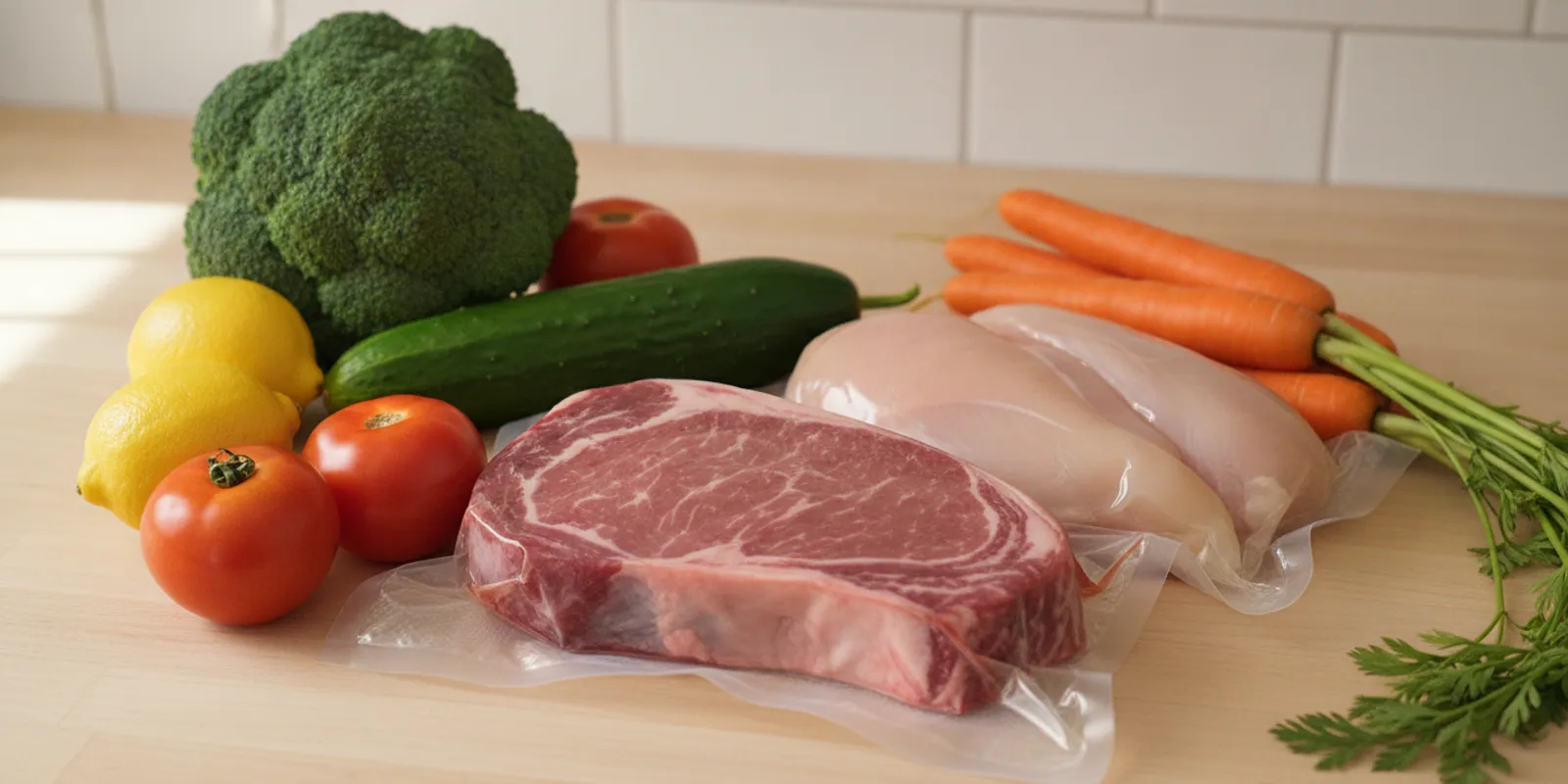
Start by treating each product page as a buying decision. You need enough information to understand what will arrive and how it fits your plan. Before adding a cut to your basket, look for its name, package weight or count, whether it is chilled or frozen, and any preparation or storage notes.
These checks matter whether you are buying one dinner's ingredients or stocking up for several meals. If details are missing, ask before ordering instead of assuming that different cuts have identical portions, storage needs or cooking methods.
Freshness depends on product condition, packaging, temperature management and what happens after delivery. Before ordering, look for a clear explanation of how refrigerated products are packed and transported. When the order arrives, check the package condition and follow its storage instructions promptly.

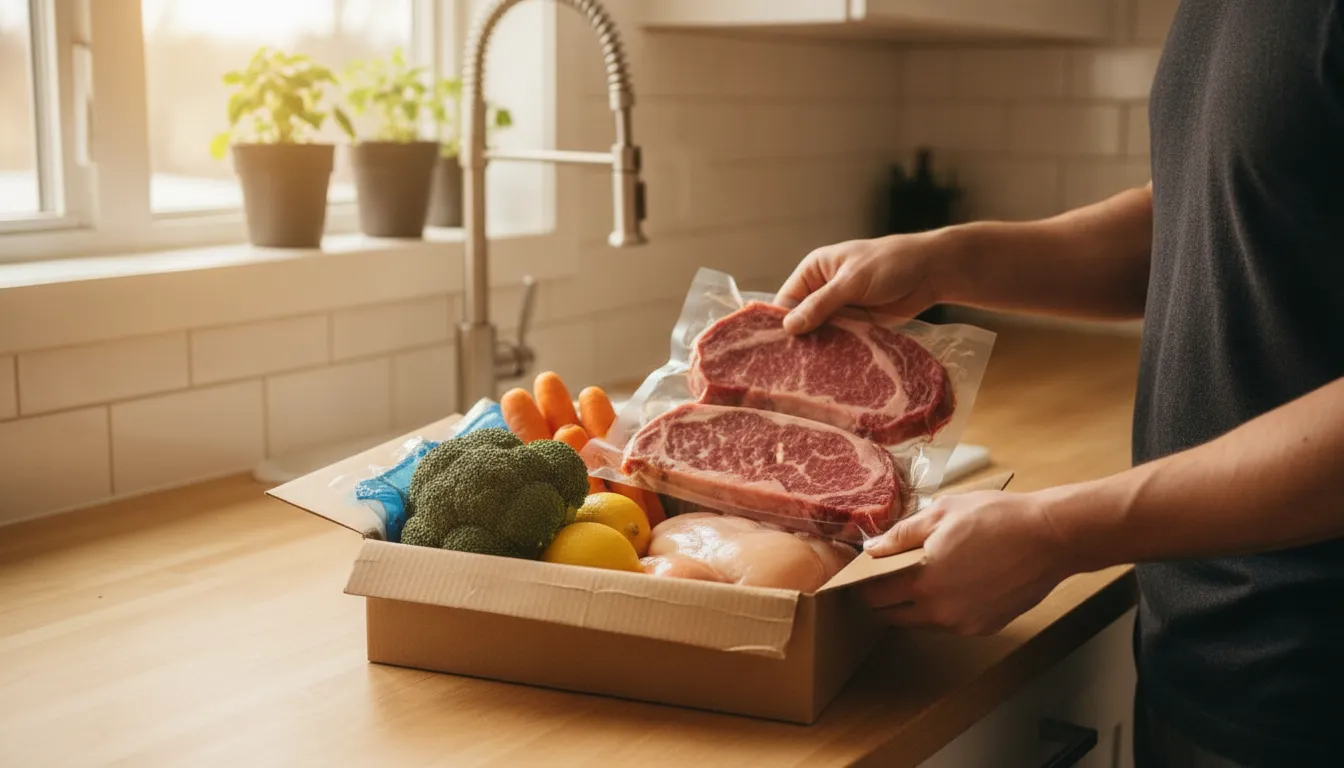
On delivery day, make a simple routine: collect the order, inspect seals and packaging, then sort items that need refrigeration or freezing. Put perishable items away promptly. Keep raw meat contained so its juices cannot drip onto ready-to-eat foods, and wash hands and surfaces after handling it. If packaging is damaged or the item does not seem to have stayed cold, contact the seller for guidance rather than relying on smell alone.
Temperature control continues at home. Keep the refrigerator at 4°C (40°F) or below and use the product's storage guidance to decide when to cook or freeze it. The Government of Canada's safe food storage guidance offers practical advice. Storage time can vary by product and packaging, so do not treat one general timetable as suitable for every cut.
Tre'dish describes its deliveries as refrigerated and uses insulated boxes and ice packs. Read how Tre'dish works for its ordering and delivery overview, and review information about its suppliers when you want to understand product partners. Follow the instructions provided for each item once your groceries arrive.
Choose quantities around meals you expect to make, not around a package that simply looks like good value. Consider how many people you are feeding, whether you want leftovers, and whether your freezer has room for anything you will not use soon. For a first order, a few familiar cuts can be easier to evaluate than a large assortment.
| Purchase type | May fit when | Check before ordering |
|---|---|---|
| Single-meal cut | You have a specific dinner planned or want to try a cut | Weight, expected portions and cooking method |
| Multi-portion pack | You plan multiple meals or will freeze portions | Freezer space, wrapping and how you will divide it |
| Mixed selection | Your household likes different meals during the week | Exact cuts, quantities and possible substitutions |
| Specialty cut | A recipe or occasion calls for a particular item | Preparation guidance and current availability |

Compare equivalent quantities when reviewing prices. If one package is 500 grams and another is 1 kilogram, the package totals do not provide a fair comparison. Also consider the usable amount and intended meal: a cut for slow cooking may suit a different plan than a quick weeknight dinner. Use the product description to match the cut to the recipe, and do not assume every cut can be substituted without changing cooking time or texture.
Begin with your household's usual serving pattern and the number of meals you actually plan to cook. Write down the number of people, the nights that will include meat, and whether leftovers will become lunch. Then compare that plan with the listed package weight. If the pack exceeds what you expect to use, decide before checkout whether you can safely freeze and label portions. A simple inventory note on the freezer door helps prevent buying the same item again before using the first pack.
For example, if two adults plan a dinner and intentionally want lunch leftovers, think through that full use before selecting a package. If the package weight is not clear, do not estimate from the photo; ask the seller or choose an item with explicit quantity information. After cooking, update your freezer list with the remaining portion and the date you stored it. That small habit makes the next week's choices easier and reduces forgotten packages.
Value is more than a low number on a label. Consider whether the cut is useful, the product details are clear, delivery is predictable and the order saves you an extra shopping trip. Look at the final checkout summary for delivery fees, minimums if applicable, payment timing and any recurring-order terms. Read the change or cancellation rules before relying on a delivery for a particular meal.
Tre'dish has no subscription fee; customers pay for products they order, and orders can be skipped, modified or canceled. Its weekly delivery routine is designed to be adjusted as household needs change. See the Groceries on Autopilot overview and ordering terms to understand how the routine works. Compare services based on the products and schedule you will actually use, not on a one-time promotion.
A useful comparison is to calculate the practical cost of a planned meal, rather than comparing unrelated package totals. Note the quantity you will use, whether you need other groceries, and any delivery charges shown before checkout. If a larger package means you will discard part of it, its apparent per-unit value may not match your actual use. Conversely, a package that supports two planned meals may make a weekly routine simpler if you can store it safely.
A small, deliberate first order makes it easier to judge product fit, delivery and convenience. Use this sequence before checkout:
For example, a household planning two chicken dinners and one beef meal can select those products first, then add vegetables and pantry items needed for the recipes. If one package is larger than the first dinner requires, identify a second use before ordering or portion and freeze it after arrival. This makes the order a practical weekly plan rather than an uncertain stock-up.
Keep a short record of what you ordered and how it worked in practice. Note whether package sizes matched the listing, whether the products fit your recipes, which items needed freezing and whether the delivery timing suited your household. Record any question you had to ask so you can verify the answer before your next order. This is more useful than judging the service on a single headline feature because it ties the next decision to your actual kitchen routine.
If one item was too large, choose a smaller quantity next time if available or plan a second meal before checkout. If you ran short, note how many portions you would prefer. If a recipe needed a different cut, write down the cut name and preparation method for future shopping. These observations turn a first order into a personal guide instead of a guess.
Even a well-planned menu can change. A work commitment, a meal out or an unexpected guest can shift what you need. Before choosing a service, make sure you understand how far in advance you can adjust an order and whether a week can be skipped. Flexibility matters because a delivery schedule should help your routine, not force you to cook on a particular night.
Tre'dish serves the Greater Toronto Area, with weekly delivery and the ability to skip or adjust weeks. Check availability for your specific address rather than assuming every Ontario location is covered. For questions about an order or service area, use the contact page. You can also read the shopper's checklist for ordering meat online for related considerations.
One useful method is to keep a short list of meals that can move between days. Put the most time-sensitive ingredients into the earliest planned meals, and leave frozen items or pantry-based meals for later in the week. This reduces the chance that a schedule change leaves fresh items unused. If you know you will be away, use the available order controls before the stated deadline.
Choose one or two meals that depend on a specific fresh item, then keep the remaining plan adaptable. For instance, use a chilled cut earlier in the week if that matches its instructions, and plan a later meal around a frozen item or pantry staples. Set aside one night for leftovers. This approach gives the week a structure without making every evening dependent on a fixed recipe.
When the delivery calendar is predictable, add the order deadline to a reminder and review the basket before it closes. Think about travel, dinner invitations and freezer space at the same time. If plans change, decide whether to adjust, skip or cancel according to the service's current terms. A schedule that includes those small checkpoints is easier to maintain than a basket that repeats without review.
Yes, if the service carries the cuts you use and its delivery plan fits your household. A broader grocery order can be convenient when you want meat alongside produce, dairy and pantry staples. You can then plan the whole meal rather than arranging a separate delivery for each ingredient. Check the current assortment and details for your address before assuming a specific item is available.
Tre'dish offers groceries through weekly delivery within its confirmed Greater Toronto Area service area. Customers can modify or skip weeks, and there is no subscription fee. This can suit shoppers who want to replace repeated grocery trips with a more predictable routine while keeping control over what goes into the order.
If a product or service detail is unclear, get an answer before checkout. Useful questions include:
Clear answers make it easier to compare services on the same basis. Keep a note of the answers, especially delivery timing and change deadlines, so you can use them when planning your next order.
Compare the service's cuts, package sizes, schedule and flexibility with the meals you cook and storage space you have. It should fit the way your household eats without requiring quantities you cannot use.
Choose based on when you plan to cook it and how you prefer to store food. Check each product listing for its storage state, then follow its handling instructions after delivery.
Some grocery delivery services offer meat alongside produce, dairy and pantry goods. Review the available selection and delivery details for your address before building the basket.
No. Tre'dish states that customers pay for products, with no subscription fee, and can skip, modify or cancel orders.
The currently confirmed service area is the Greater Toronto Area. Check availability for your specific address before placing an order.
Choosing carefully comes down to clear product information, suitable quantities, refrigerated handling and terms that fit your week. Start with meals you plan to make, verify the delivery details and choose a service that supports your routine. A thoughtful first order gives you a better basis for deciding what to buy next time.