Ice Cream Delivery Service in Ontario: Frozen Favourites
An ice cream delivery service in Ontario keeps frozen treats cold with careful cold-chain handling, so you can add favourites to a regular grocery delivery.

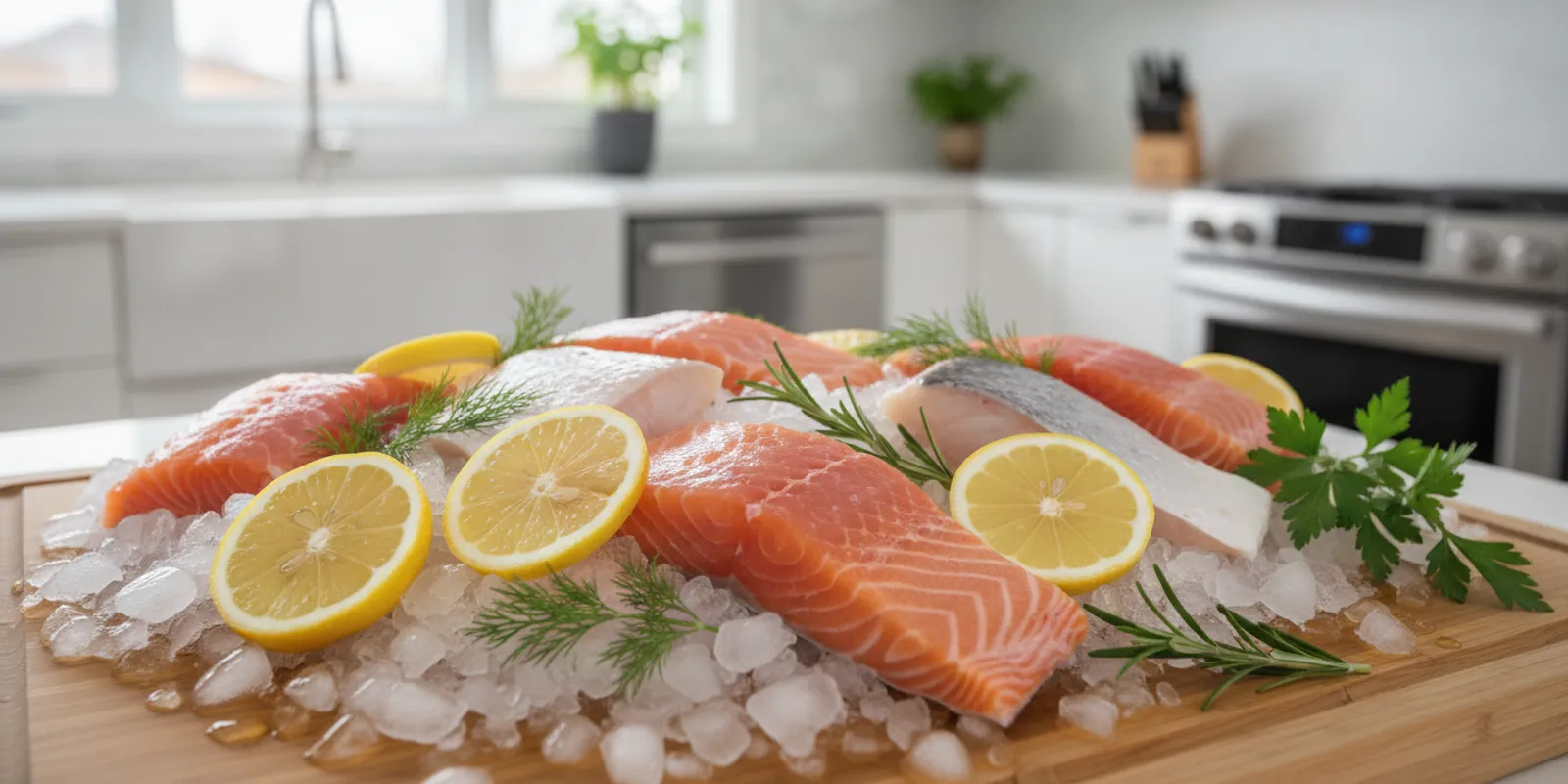
A fresh fish delivery service can make seafood meals easier to plan without adding another store stop to your week. The right choice depends on more than a product label: check how fish is kept cold, what sourcing details are available, when delivery arrives, and whether the order works with your cooking schedule.
Begin with the product listing and delivery information. You cannot inspect fish in person before ordering, so specific details help you decide whether an item fits your recipe, preferences, and household schedule. Look for the species, cut, portion size, and whether it arrives fresh or frozen.
These checks separate a useful listing from one that leaves basic questions unanswered. If you cannot tell whether a product is fresh or frozen, ask the seller before ordering rather than relying on a photograph. A photo can show the cut, but not when or how it was handled.
It also helps to distinguish details you need before checkout from details that can wait. The species, package weight, storage state, price, delivery window, and service area affect whether the order is practical at all. Preparation tips and recipe suggestions may be useful, but they cannot replace those basics. If two listings look similar, compare the information each one provides rather than trying to infer quality from polished descriptions.
Think through your household’s actual use. A small household may prefer individually portioned pieces that can be used across separate meals, while a family cooking for several people may value a larger pack. If you are not sure how much your recipe needs, check the package weight and compare it with the portions you intend to serve. Avoid ordering extra just because a product is on offer; seafood is only convenient when you have a plan to store and use it.
Freshness depends on the product and how it has been stored along the way. Online, you cannot examine fish before purchase, so look for specific handling information and a clear plan for getting the order chilled at home. Refrigerated delivery and insulated packaging can help maintain cold conditions, but prompt storage after delivery still matters.
When the order arrives, check that the package is intact and cold. Transfer seafood to the refrigerator or freezer according to the seller’s directions and your meal plan. If the package is damaged, the fish does not seem properly chilled, or you are unsure about its condition, contact the seller for guidance before eating it. Do not rely on smell or appearance alone to resolve a temperature concern.
Before ordering, review the seller’s stated delivery method and any instructions for receiving the parcel. A clear window lets you plan to be home or arrange a suitable handoff. If a delivery may arrive while you are away, ask whether the package can be left safely and for how long; do not treat insulated packaging as a substitute for refrigeration. On arrival, move the order directly to the right storage area instead of leaving it on a counter while unpacking the rest of your groceries.
Keep raw seafood contained so its juices cannot contact ready-to-eat foods. If the fish is packaged separately inside a grocery order, place it on a lower refrigerator shelf or in a leakproof tray. Follow the label or seller’s directions for storage time and thawing, since instructions may differ by product and whether it arrived fresh or frozen. When you cannot confirm that the product stayed cold, pause and contact the seller rather than deciding based on appearance.
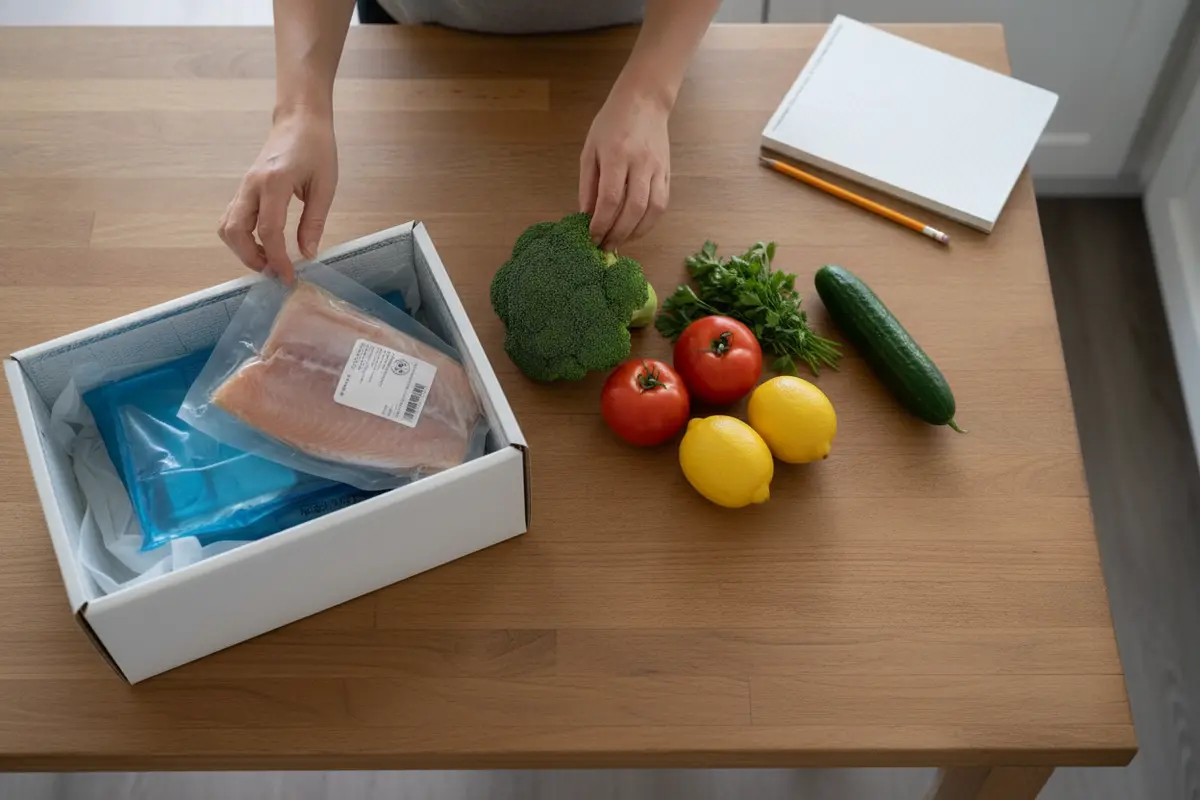
For a practical overview of packaging and shipping considerations for fish, see the University of Alaska Fairbanks Cooperative Extension guide to mailing Alaska fish. It advises using durable, freezer-safe wrapping for fresh raw or smoked fish and checking current carrier rules. Shipping by mail is not the same as local grocery delivery, but the guide reinforces why packaging and transport details matter.
Check that someone can receive the order, clear a place in the refrigerator or freezer, and decide which meal will use the fish. If the delivery window could overlap with work or errands, find out what the seller recommends for unattended packages. Do not assume an insulated box can remain outside indefinitely.
Fish names and formats can vary, and sourcing information helps you decide what suits your preferences. Look for the named species, origin, and any catch or farm details the seller provides. If you are choosing fish for a recipe, compare the cut and portion size as well as the name. A fillet may suit a quick weeknight meal, while a whole fish requires different preparation and kitchen time.
Do not treat terms such as “fresh,” “wild,” or “local” as a complete explanation. Ask what the seller means by them and check the product information. For shoppers who prioritize nearby producers, confirmed origin is more useful than a general claim about quality. If exact origin is not listed, avoid filling in the gap with assumptions.
Also consider how much information you need to feel comfortable purchasing. One shopper may mainly need a familiar fish and a reliable delivery window. Another may want to know the country or region of origin and whether it was farmed or caught. A strong listing makes the available facts easy to compare and gives you a way to ask questions about anything missing.
Compare services using the same questions rather than choosing on one label alone. The table below is a checklist, not a claim about a specific seller. Fill in the details for each option you are considering.
| What to compare | Questions to ask | Why it matters |
|---|---|---|
| Fish information | Is the species, cut, size, and fresh or frozen state stated? | You can match the item to your recipe and servings. |
| Cold handling | Does the seller describe chilled transport and suitable packaging? | You can understand how the order is protected in transit. |
| Sourcing | Are origin and catch or farming details available? | You can choose based on your priorities rather than assumptions. |
| Delivery schedule | Is the delivery day clear, and can you receive it promptly? | Seafood needs a planned path from doorstep to storage. |
| Order flexibility | Can you change quantities or skip a delivery? | Your order can better match the meals you will actually make. |
| Customer support | Is there a clear way to ask about a product or report a problem? | You know where to turn if details need clarification. |
For context on how a grocery subscription can fit a routine, read the Canadian grocery subscription guide and how Tre'dish works. Tre'dish offers weekly grocery delivery in the Greater Toronto Area, with orders customers can modify, skip, or cancel. Check the current storefront for available seafood products and delivery details rather than assuming a particular fish is always in stock.
Put two or three sellers side by side and note what each listing actually confirms. Separate confirmed facts from unanswered questions. For example, “frozen fillets, 500 grams” is useful product information; “premium seafood” alone does not tell you the cut, storage state, or origin. Contact the seller about details that affect your choice before checkout.
Start with the meal you intend to cook and work backward from delivery day. If you plan to eat the fish soon after it arrives, choose a delivery window that leaves time to put it away and prepare dinner. If you are ordering for later in the week, check whether the product is fresh or frozen and follow its stated storage directions.
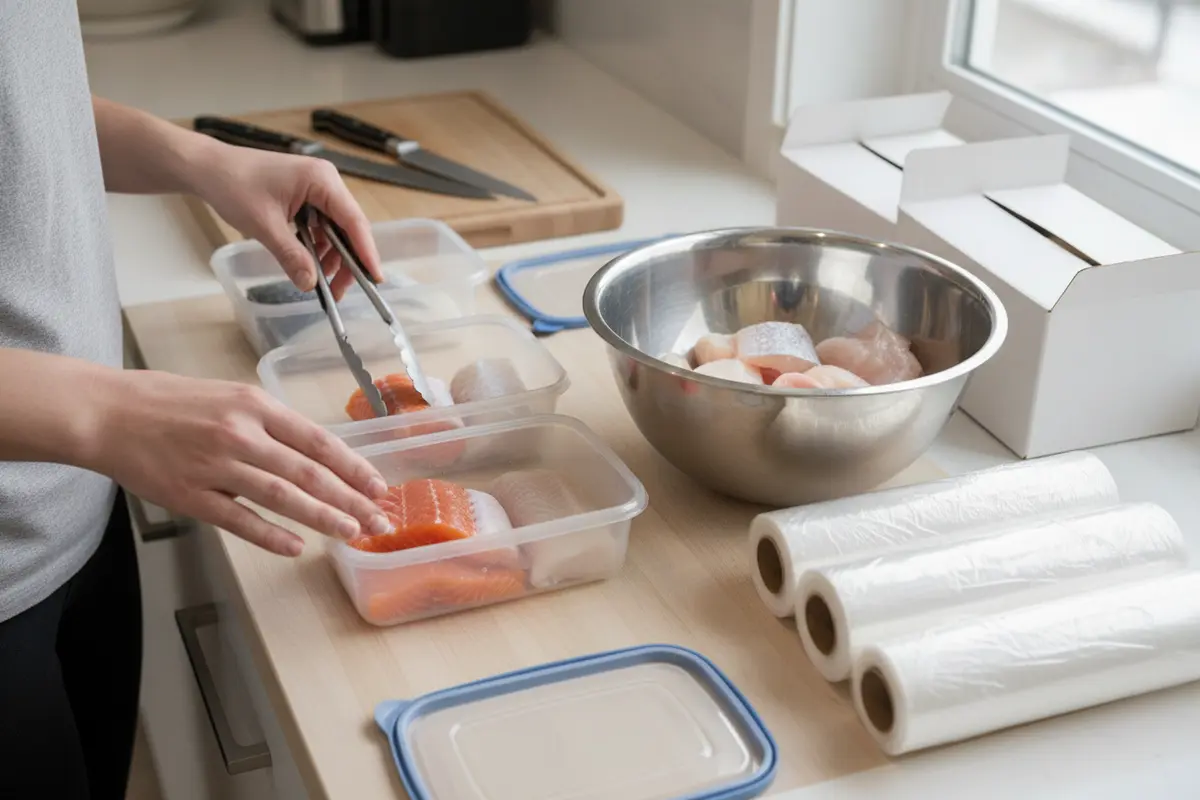
For a first order, keep it simple: try one familiar fish and one preparation method. Note how the portion size, delivery timing, and product information worked for your household. That gives you a useful basis for deciding whether to reorder or try a different product. If you are new to online seafood, you do not need to plan several unfamiliar recipes at once.
A quick planning example: if fish is the centre of Tuesday’s dinner, choose a delivery slot that gives you time to receive and chill it before cooking. Add the ingredients for the meal to the same grocery list, then decide what happens if Tuesday plans change. If the product is frozen, use its thawing directions and choose another meal date; if it is fresh, check the seller’s storage guidance rather than assuming it will keep for several days. This simple backup avoids a rushed decision at the end of the day.
For a multi-meal week, map each seafood item to a specific date and keep the order size realistic. A familiar fillet can anchor one dinner, while pantry staples and vegetables can cover the sides without another trip. If you are trying a new species, pair it with a simple recipe so you can assess the product without adding several unfamiliar variables. Keep notes on the package size, flavour, and whether the delivery time worked; those observations make the next order more informed.
Choose one meal that already suits your routine, then select a product that matches its instructions. Decide in advance who will receive the order and where it will go when it arrives. After dinner, note what you would change next time: a different portion size, another delivery day, or a clearer sourcing detail.
Some grocery delivery services carry seafood alongside produce, meat, dairy, and pantry items, while others specialize in fish. A broader grocery order may be convenient if you want to coordinate seafood with the rest of the week’s meals. A specialist may focus more narrowly on fish. Compare the actual products and delivery details available to your address before choosing.
Tre'dish is a flexible grocery subscription for GTA households, with weekly deliveries and the ability to adjust, skip, or cancel orders. There are no subscription fees; customers pay for products. The service emphasizes Canadian-made groceries and local producers. Availability varies, so check current listings for fish options and product details. You can also review Tre'dish suppliers and Canadian partners, how groceries on autopilot works, and more about Tre'dish.
A subscription can help establish a repeatable grocery rhythm, but it should still leave room for real life. Check the order before its window closes, remove products you do not need, and change quantities to reflect the meals you plan to cook. The option to skip or adjust a week matters when travel, leftovers, or a schedule change alters your plans.
For shoppers comparing different ways to organize groceries, Tre'dish can be considered alongside a dedicated seafood seller or a local store. The right fit is the one that clearly lists the items you want, delivers when you can receive them, and matches your preferences for product information and flexibility. Confirm your address and the current selection instead of assuming a particular item is always available.
Check whether the service covers your location, which delivery days are offered, and what products are currently listed. The confirmed Tre'dish service area is the Greater Toronto Area. Product selection may change, so review the live storefront before building a meal plan around a specific fish.
Check the product description and handling information before ordering. When it arrives, make sure the package is intact and cold, then follow the seller’s storage guidance. Contact the seller if its condition is uncertain.
Many grocery and seafood sellers offer home delivery, but coverage, products, and schedules depend on the seller and your address. Confirm your postal code and delivery window before placing an order.
Choose based on your cooking date, storage space, and preference. Frozen fish can be useful when you need to keep it for later; fresh fish suits a nearer meal plan. Follow the product’s storage and thawing instructions.
Do not guess about food safety. Keep the package separate from ready-to-eat foods, contact the seller promptly, and follow its guidance about whether it should be used or discarded.
A good fresh fish delivery service should make the basics clear: what you are buying, how it is handled, when it arrives, and how it fits your plans. Check product listings and delivery information before ordering, then store the fish promptly when it reaches your home. Tre'dish shoppers in the GTA can check the current grocery selection and build seafood into a flexible weekly order.