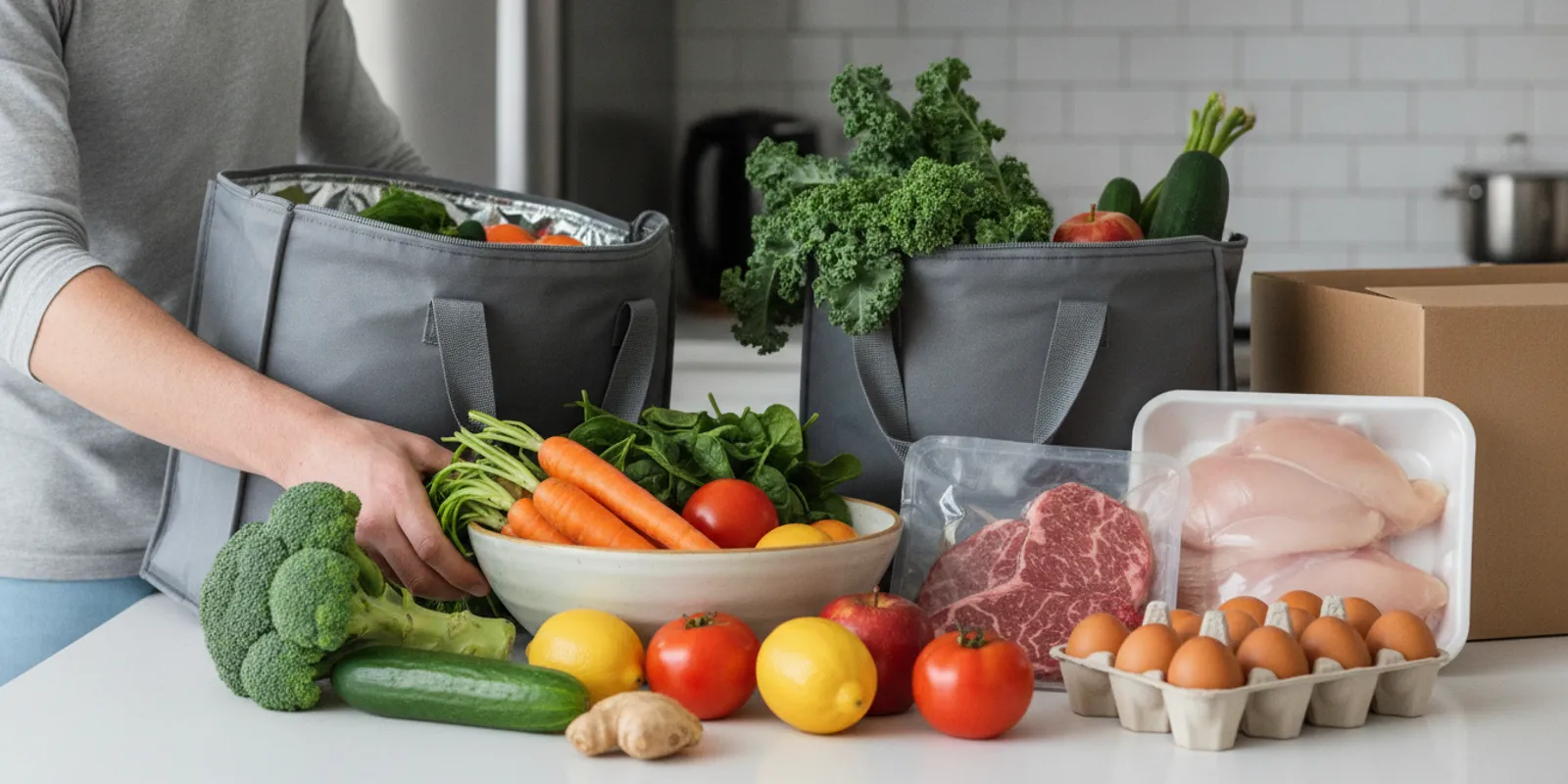
Practical Guide: Grocery Delivery Guelph
Compare grocery delivery in Guelph, plan fresh weekly orders, and check address coverage, delivery timing, product choice, and flexibility before choosing.

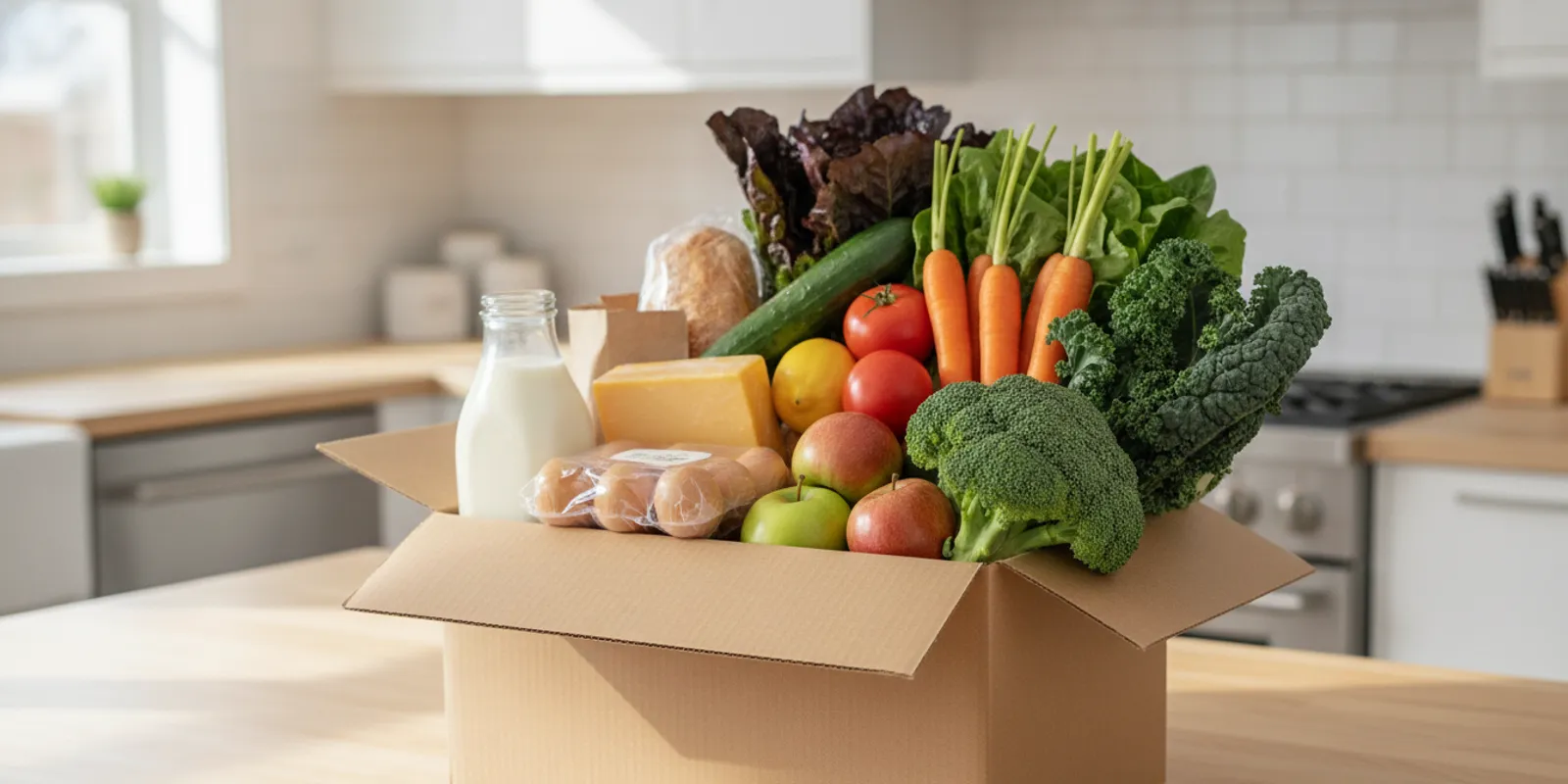
Food box delivery can make a weekly grocery routine easier, but the right option depends on what you need in the box and how much control you want over each order. Before choosing, compare selection, freshness practices, delivery schedule, flexibility and total value—not just box size. For shoppers in the Greater Toronto Area, Tre'dish offers weekly groceries customers can adjust.
A food box is a delivery format, not one fixed kind of service. Some boxes focus on produce, while others combine groceries across categories. A grocery delivery box may include fresh produce, meat, dairy, eggs, bakery items, pantry staples or frozen foods. The useful question is whether the contents match how your household shops and cooks.
Some programs choose a set assortment for you. Others let you build or change an order. A produce-focused box can help restock seasonal fruits and vegetables, while a broader grocery order can replace several separate shopping trips. For a comparison of formats, see this guide to three types of grocery boxes.
Start with the part of your weekly routine you want to improve. A box helps when it contains food you will use, arrives at a workable time and gives you a clear way to manage changes. Check the details before signing up:
These details matter more than a large box description. A wide selection may not suit you if the contents are fixed. A smaller box can work well when it matches planned meals and staple needs. Write down your three must-haves before comparing providers; this prevents attractive extras from distracting from practical fit.
Build your first order around the week you actually have, not an idealized meal plan. Check your calendar, estimate how many meals you expect to cook at home and note the staples that are nearly finished. Then choose ingredients that can work across more than one meal.
A sensible first order might include vegetables for two dinners, fruit for snacks, eggs or dairy for breakfasts and a few pantry staples you already use. Add meat, seafood or frozen items when they fit a planned meal or provide a useful backup. Avoid filling the box with unfamiliar produce simply because it looks appealing online.

For example, greens can become a side dish one evening and an omelette filling the next morning. Root vegetables can be roasted with dinner and added to lunch later. Ingredients with more than one use make the order practical and help reduce forgotten food.
Think in portions and storage life, not just package size. If you expect to cook three dinners, identify which ingredients each meal shares. A bunch of herbs used in one recipe may be more than you need, but it can also flavour a soup or dressing later in the week. If your schedule includes a restaurant meal or a night away, reduce the perishable items rather than ordering as if every meal were at home.
For a household of one or two, choose ingredients that keep well or can be frozen, and plan a second use before adding a larger pack. For a family, check whether the package quantity covers the meal without leaving an awkward surplus. The right order is not necessarily the fullest basket; it is the one whose contents have a clear place in the coming week.
Freshness depends on product quality and on the time and conditions between packing and unpacking. Look for clear information about refrigerated delivery, insulated packaging and ice packs for chilled goods. Once an order arrives, unpack temperature-sensitive items promptly and put them in the refrigerator or freezer.
Tre'dish describes its deliveries as refrigerated and uses insulated boxes and ice packs. Its how-it-works page explains the delivery approach. The academic article New Dietary Trends—Meal Kit Delivery Services as a Source discusses meal-kit delivery services; it does not establish the handling or quality of any particular grocery order.

When the box arrives, check that chilled items feel cold, put them away and compare the contents with the order confirmation. Note any issue while order details are easy to access. A service should make it straightforward to find help if something is missing or not as expected. See Tre'dish's customer support options.
Unpack carefully and separate any reusable or recyclable materials according to the instructions provided with the order and local rules. Keep the ice pack away from food unless its packaging says otherwise. A tidy unpacking routine makes it easier to check the order and store products quickly. Tre'dish describes its delivery packaging as eco-friendly; review its current service information for the details of its packaging approach.
Use this table as a starting point, then confirm the actual terms with each provider. A service may offer more than one ordering style, and names do not always indicate whether contents are fixed.
| Option | Typical contents | May suit | Check before ordering |
|---|---|---|---|
| Produce box | Seasonal fruits and vegetables | Households that want produce restocked | Whether contents are fixed or customizable |
| Curated grocery box | A selected mix of grocery categories | Shoppers who value a simple repeat order | Which items and quantities are included |
| Flexible grocery order | Items chosen across available categories | Households with changing meal plans | How edits, skips and delivery dates work |
| Meal kit | Recipe ingredients portioned for specified meals | People who want recipe-led cooking | Whether it replaces pantry shopping or supplements it |
Compare the whole order against what your household would otherwise buy. Consider usable food, product range, delivery convenience and time spent making repeated trips. A low headline price does not help if much of the box goes uneaten, and a broad selection only matters when it fits your routine.
Check whether there are subscription fees in addition to product costs, when payment is taken and whether delivery charges apply. Tre'dish states that it has no subscription fees: customers pay for products and can modify, skip or cancel orders. Its terms are a place to review conditions, while its supplier information explains product relationships behind the assortment.
A useful comparison can be made without estimating a precise saving. List the items you would buy anyway, mark which ones are available in the box and note any products that would be new to your household. Then consider whether the convenience and product fit justify the order for that particular week. Repeat the check after delivery: the items that were used quickly are better signals for your next basket than a general impression of the box.
A predictable delivery day can make grocery planning easier, but household plans change. Learn the order cut-off, how to edit an upcoming order and how to skip a week. Set a calendar reminder before the cut-off so you can review the basket while changes are still possible.
Tre'dish describes weekly grocery delivery with the ability to adjust or skip weeks. That flexibility can help when you travel, have a busy week or expect to eat out more than usual. Read how to compare grocery delivery options and explore produce box home delivery considerations before deciding which format suits you.
Put two reminders in your calendar: one to check what is running low, and a second ahead of the provider's edit deadline. During the first check, look at your pantry, fridge and calendar. During the second, confirm quantities, remove items that no longer fit the week and make sure the delivery date still works.
This small routine helps prevent an automatic order from becoming an ignored one. If you will be away, skip the delivery rather than receiving perishable food you cannot store or use. If the week is simply busy, keep the order focused on easy meals and familiar staples.
Unpack the order, put away chilled and frozen items first, then check the rest against your confirmation. Set aside ingredients for the first meals you plan to make. Store produce according to its needs and keep delicate items visible so they do not get forgotten behind other groceries.
After one or two cycles, your order can become more accurate. Keep a short list of regular staples, but leave room to change fresh items with the season or your plans. The groceries on autopilot overview describes how a recurring routine can still be adjusted.
Imagine a week with two home-cooked dinners, weekday breakfasts and one evening out. Start with the breakfasts and list the staples that are nearly finished. Add vegetables that work across both dinners, then a protein for the meal that is already clear. Leave the evening-out portion of the week out of the basket.
When the delivery arrives, compare the plan with what happened. Perhaps the greens were used twice, but a large bag of fruit remained. Next week, keep the greens and choose a smaller amount of fruit or plan a second use. If a planned dinner changed, record whether the ingredients can move to another meal or should be removed from the next order. This review turns an initial guess into a routine based on actual household habits.
It also helps separate service fit from menu fit. If the delivery arrived when expected and the ordering process was easy, but the quantities were wrong, adjust the basket. If the available schedule or service area does not fit, changing ingredients will not solve the main problem. Assess each part separately before deciding whether to continue.
Use this short checklist to compare a provider's answers with your needs:
Write down the answers rather than relying on a general promise of convenience. If you are comparing two services, use the same questions for each one. That makes the difference in selection, schedule and order control easier to see.
A food box often refers to a curated or themed assortment, while a grocery delivery order may let you select individual items across categories. The exact meaning varies by provider, so check whether contents are fixed or editable.
Policies differ by service. Tre'dish says customers can skip or adjust weeks without penalty; check the ordering schedule and cutoff so changes are made in time.
Plan a few meals before ordering, choose ingredients that can be used in multiple dishes and avoid quantities beyond your household's likely use. Review what remained after delivery day before building the next basket.
Delivery areas vary by company. Tre'dish's confirmed service area is the Greater Toronto Area, so shoppers should verify that their postal code is eligible rather than assume coverage across the province.
No. Some services charge a separate membership or subscription fee, while others charge for the products ordered. Tre'dish states that it has no subscription fee; review the provider's current terms for the details that apply to you.
A good food box delivery routine fits your household's real meals, keeps product handling clear and gives you enough flexibility to change plans from week to week.