CSA Produce Box 101: Everything You Need to Know
A CSA produce box delivers fresh, local farm produce to your door. Learn how it works, what’s inside, and tips for making the most of your subscription.


Canadian grocery stores are no longer limited to one weekly trip through a large supermarket. Shoppers can choose national and regional chains, independent markets, farm-direct options, or online grocery services. The best fit depends on what matters most in your household: local sourcing, product quality, convenience, delivery reliability, flexibility, or clear information.
The best Canadian grocery option is the one that matches your shopping priorities and routine. Compare where products come from, how freshness is protected, what you can choose, how delivery works, and how clearly the business explains its practices. Local and online options can both be practical when the details are transparent.
This guide focuses on how to compare grocery options, not on creating a complete directory of every store in Canada. If you are shopping in Ontario, use the checklist below to weigh local relationships and Canadian products alongside the everyday realities of assortment, storage, schedule, and service.
Canadian grocery stores can mean several different things. A store may be located in Canada, owned by a Canadian company, carry Canadian-made products, source from Canadian farms, or serve a particular local community. Those ideas are related, but they are not interchangeable, so start by deciding which meaning matters to you.
Canadian-owned describes the business or ownership structure behind a retailer. Canadian-made describes where a product was manufactured or produced. Locally sourced usually refers to a product coming from a nearby farm, producer, or supplier. A retailer can meet one of these descriptions without meeting all three.
That distinction helps prevent an easy mistake: assuming that a Canadian storefront means every item is Canadian. Look for product-level information, named suppliers, and sourcing details instead of relying on a flag, a store name, or a general impression. For a deeper look at ownership, read Tre'dish's guide to Canadian-owned grocery stores.
Clear definitions make comparisons more useful. If your priority is supporting Canadian producers, investigate product origin and supplier relationships. If your priority is keeping more business activity in Canada, investigate ownership. If your priority is fresh food close to home, investigate handling, seasonality, and delivery or pickup timing.
Canadian shoppers can compare four broad formats: full-service chains, regional or independent stores, farm-direct and market options, and online grocery delivery. Each format solves a different problem. Comparing the shopping job first helps you avoid choosing a service that looks convenient but does not fit your household.
| Shopping format | Useful when you want | What to check |
|---|---|---|
| Full-service grocery chain | A broad assortment and familiar shopping process | Product origin, freshness, store distance, and pickup or delivery options |
| Regional or independent store | Local character, specialty products, or personal service | Selection, hours, availability, and whether sourcing is explained |
| Farm-direct or market shopping | Seasonal food and a closer relationship with producers | Seasonality, pickup or delivery, storage life, and assortment limits |
| Online grocery delivery | Time savings, planned ordering, and delivery to your home | Cold-chain handling, delivery windows, substitutions, and order flexibility |
Large chains and regional banners can be useful when you want a predictable range of everyday groceries in one place. Their strengths may include familiar locations, broad availability, and established pickup or delivery systems. The trade-off is that a large footprint does not automatically tell you how local the assortment is or how transparent the sourcing is.
Farm-direct sellers, farmers markets, and independent grocers can be a strong fit when you value seasonal products, direct producer relationships, or specialty food. Their selection and schedule may change more often than a large store's. Ask how far the food travels, how orders are assembled, and what happens when a seasonal item is unavailable.
Online grocery is not only about speed. It can make a regular shopping list easier to repeat, reduce the need to carry groceries, and help households plan around a delivery schedule. The important question is whether the service combines convenience with useful product information, dependable handling, and enough control over what arrives.
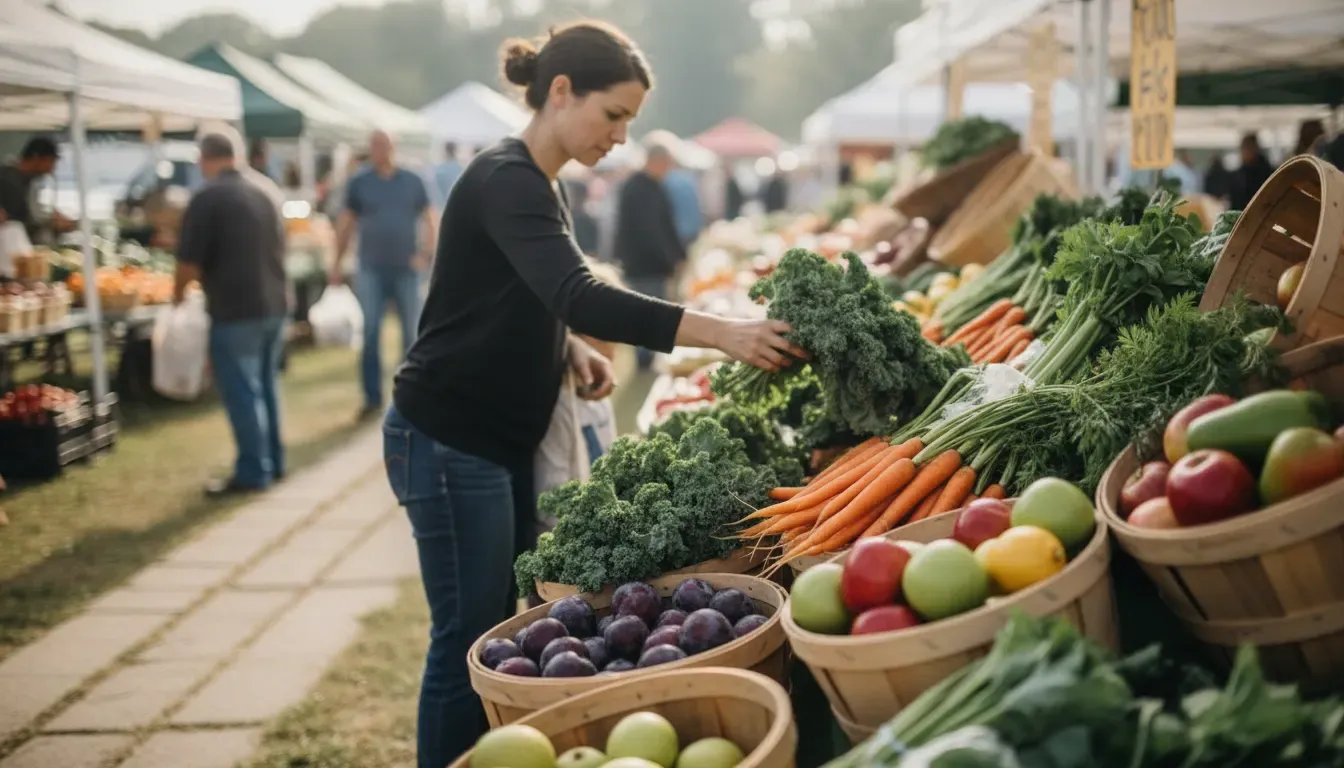
Evaluate local sourcing by looking for specific evidence rather than broad promises. A useful grocery service names farms, producers, regions, or Canadian-made products and explains how those products reach the customer. It also makes clear when availability depends on season, supplier capacity, or current inventory.
Tre'dish is built around Canadian products and local producer relationships. The company works with more than 200 local Ontario farmers and producers, and its assortment includes products from Canadian brands and food makers. Examples in the Tre'dish network and catalog include Gryfe's Bagels, Hewitt's Dairy, De Mello Coffee, and Conestoga Farms.
For more detail on the people and purpose behind the service, visit Tre'dish's story. If local delivery is the main question, the guide to local food grocery delivery in Ontario covers sourcing, freshness, coverage, and packaging more closely.
Product quality depends on more than the store where you place an order. Compare the product information, storage conditions, handling process, packaging, and time between fulfillment and arrival. For online grocery shopping, the service should explain how refrigerated, frozen, and shelf-stable items are kept suitable for delivery.
Local sourcing and online convenience should not require a choice between quality and ease. The practical test is what arrives at your door, how clearly the service explains its process, and whether the order fits the way your household actually eats.
Grocery delivery is reliable enough for a weekly routine when the service provides a clear delivery cadence, order cutoff, coverage area, and handling process. Reliability also means giving customers control when plans change. Before you build a routine, confirm the details below instead of assuming every online grocery service works the same way.
| Reliability question | What a clear answer should cover |
|---|---|
| When will the order arrive? | Delivery day, expected window, and how schedules are communicated |
| How is food protected? | Refrigerated handling, insulated packaging, and ice packs where needed |
| What if plans change? | Modification, skip, pause, or cancellation rules before the cutoff |
| Does the service reach my home? | Current delivery area and any address-specific availability check |
| Can I repeat the routine? | A practical weekly or bi-weekly cadence that matches household demand |
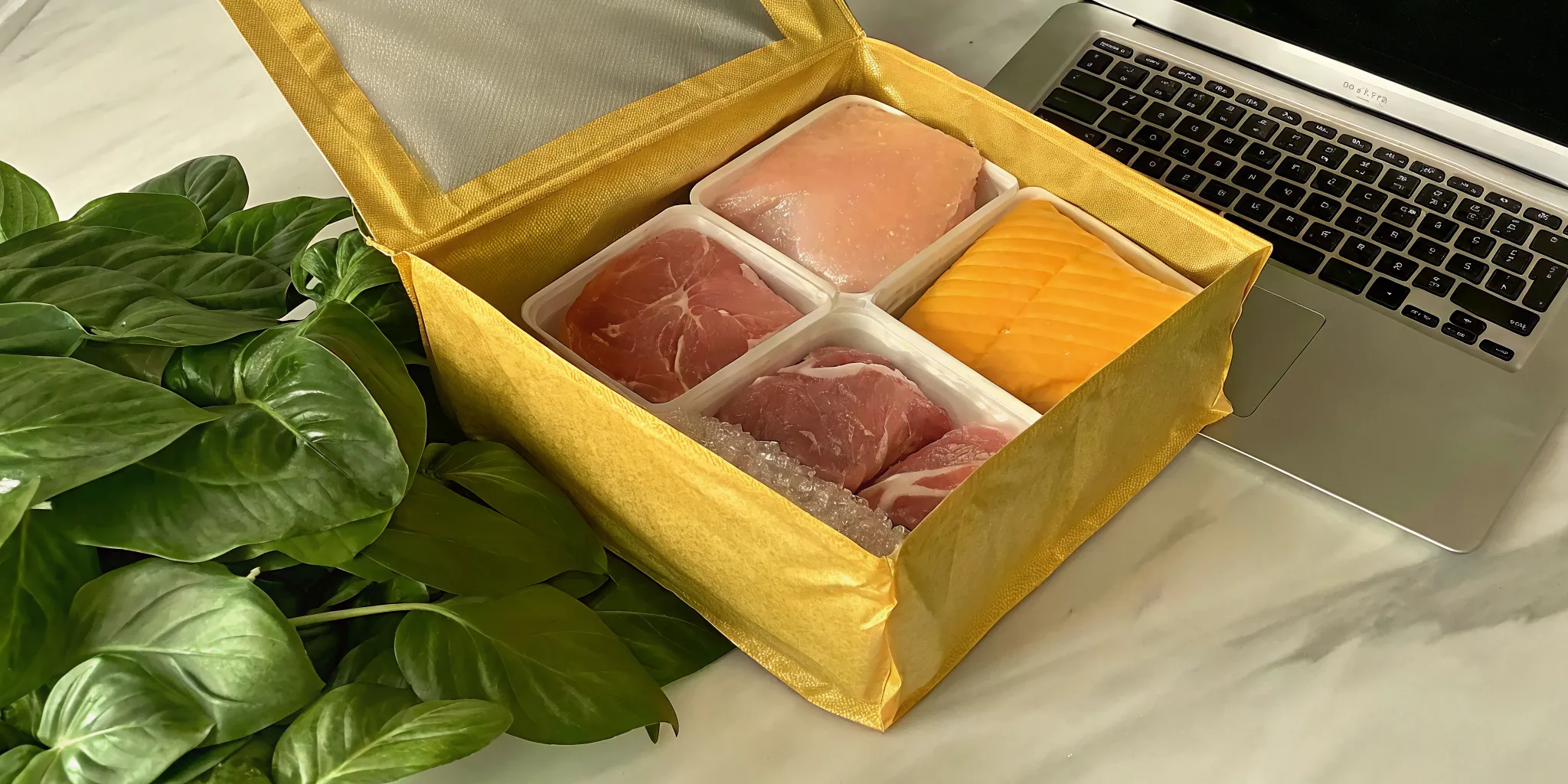
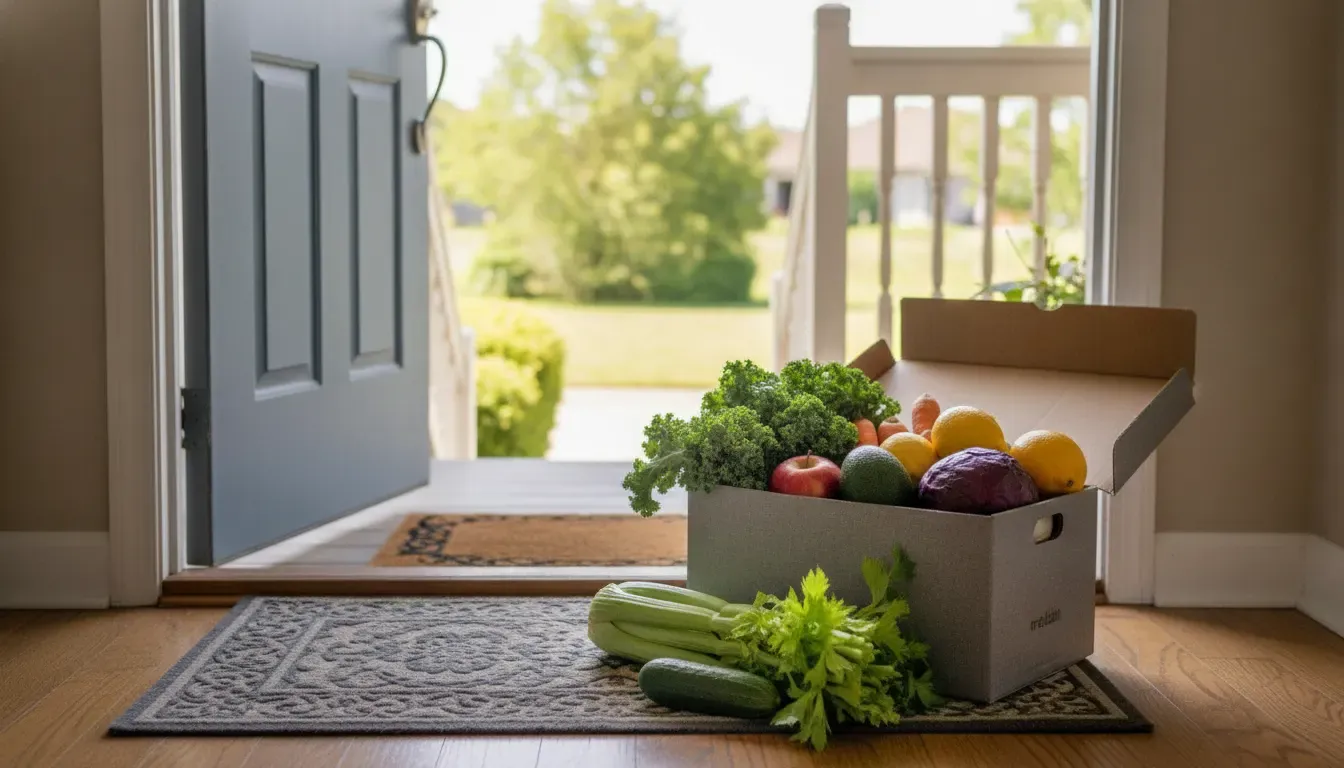
Tre'dish delivers across Ontario with refrigerated delivery and eco-friendly packaging that includes insulated boxes and ice packs. Orders can be built around a weekly or bi-weekly rhythm, then modified, skipped, or canceled when your plans change. Always confirm current coverage and delivery details for your address before ordering.
For a closer look at the service model, read how Tre'dish works. You can also review Tre'dish's guide to online grocery shopping and delivery if you are comparing the practical steps of ordering online.
Compare flexibility by asking how much control you have before and after placing an order. Compare transparency by asking whether the service explains its fees, product details, sourcing, delivery process, and customer policies in plain language. A convenient model should reduce repeated work without removing your ability to make informed choices.
Tre'dish has no subscription fees. Customers pay for the products they order, and orders can be modified, skipped, or canceled. That structure is different from a fixed meal kit or a preset produce box because it allows a household to build a grocery order around its own staples, preferences, and schedule.
Value should also be transparent. Tre'dish uses an approximately 25% average basket savings claim, but the more important comparison is whether the overall routine gives you the quality, convenience, and choice you expect. Avoid judging an option on one advertised number alone.
Tre'dish is an Ontario grocery option for households that want Canadian products, local producer relationships, and a customizable delivery routine. Rather than choosing between a store trip and a fixed box, shoppers can select groceries for their household and put recurring needs on autopilot. The service is designed for Ontario delivery.
The strongest fit is a busy household that wants to reduce repeated grocery trips without giving up control over what it buys. Tre'dish highlights quality and freshness, works with more than 200 local Ontario farmers and producers, and uses refrigerated delivery with insulated boxes and ice packs. It also partners with Feed Ontario, with a portion of every purchase supporting food access in the province.
As with any grocery service, check the current catalog, delivery availability, and product information for your order. The goal is not to choose a label. It is to choose a grocery routine that is dependable, clear, and realistic for your home.
For Ontario shoppers who want to browse the catalog, Create Account is the secondary next step.
That depends on what you mean by Canadian. A store may operate in Canada, be Canadian-owned, sell Canadian-made products, or source from Canadian farms. Check ownership, product origin, and supplier information separately instead of treating one label as proof of all three.
Canadian-owned describes the business behind a retailer, while Canadian-made describes where a product was produced. A Canadian-owned store can sell imported products, and a Canadian-made product can be sold by a retailer with a different ownership structure.
Online grocery stores can be reliable when they provide clear delivery windows, suitable refrigerated handling, accurate product information, and flexible order policies. Check the delivery area, order cutoff, packaging, and change or cancellation rules before starting a recurring routine.
Look for named farms, Ontario producers, Canadian-made product information, and businesses that explain their supplier relationships. You can also compare whether a service supports local food entrepreneurs or food-security programs as part of its operating model.
No. Tre'dish says customers pay for the products they order rather than a subscription fee. Orders can be modified, skipped, or canceled, so households can use a weekly or bi-weekly grocery routine while keeping control over their schedule.