Freezer-Friendly Grocery Shopping Canada: A Complete Guide
Start saving time with freezer-friendly grocery shopping Canada. Discover which foods freeze best and how Tre'dish delivers fresh Ontario groceries.


Many of us believe that saving money requires a huge investment of time, something most busy families just don’t have. When it comes to groceries, this often feels like a trade-off: you can either spend hours hunting for deals or pay a premium for convenience. I’m here to tell you that’s a false choice. You can save both time and money by creating a smarter system for your shopping. This guide will show you how to save money on organic groceries by being efficient. We’ll cover strategies like meal planning, stocking your freezer, and using a grocery subscription like Tredish to put your savings on autopilot. It’s about making your budget work for you, not the other way around.
If you’ve ever stood in the produce aisle comparing an organic apple to a conventional one, you’ve probably noticed the price difference and wondered if it's really worth it. That higher price tag isn’t arbitrary; it’s a reflection of the entire journey that organic food takes to get from the farm to your kitchen. Understanding the "why" behind the cost is the first step to becoming a smarter organic shopper.
A huge factor is the higher production cost. Organic farming is simply more hands-on. Instead of using chemical pesticides and herbicides, farmers rely on more labor-intensive methods like crop rotation, manual weeding, and natural pest control. The Canada Organic Trade Association explains that these practices, along with the use of more expensive organic fertilizers and seeds, add up. On top of that, there’s the cost of certification. For a product to be labeled "organic" in Canada, the farm has to go through a rigorous certification process. The Canadian Food Inspection Agency sets strict standards that producers must meet, which involves detailed record-keeping and regular on-site inspections. This process ensures the integrity of the organic label, but it also comes with fees that become part of the price you pay.
Then there’s what happens after the food leaves the farm. It often comes down to simple supply and demand. More and more Canadians are looking for organic options, but the supply of organic products hasn't always kept up with this growing interest. When demand outpaces supply, prices naturally increase. Organic produce also tends to have a shorter shelf life because it doesn't contain artificial preservatives. This means retailers have to account for a higher rate of potential spoilage, which can also nudge the price up. So while the cost is higher, it reflects the real investments in labor, quality control, and market dynamics.
If you want to shop organic without your grocery bill spiraling, the key is to be strategic. You don’t have to buy everything organic to make a difference. A smart approach is to focus your budget where it matters most: on the produce that tends to carry the highest levels of pesticide residue. This way, you can protect your family’s health while still being mindful of your spending.
Thankfully, you don’t have to guess which items to prioritize. The Environmental Working Group (EWG), a non-profit organization, does the research for us every year. They analyze data from the U.S. Department of Agriculture to identify which fruits and vegetables have the most and least pesticide residues after being washed. They then publish two incredibly helpful lists: the "Dirty Dozen" and the "Clean 15." Using these guides is one of the easiest ways to take control of your grocery list and make informed choices for your household.
Think of this list as your organic priority list. These are the 12 fruits and vegetables that consistently show higher concentrations of pesticides when grown conventionally. If your budget only allows for a few organic items, start here. By choosing organic versions of these foods, you can significantly reduce your family's exposure to pesticides. Each year, the EWG updates its Dirty Dozen list, but it consistently includes popular items like strawberries, spinach, peaches, apples, and bell peppers. When you’re planning your weekly shop, earmark these items as the ones worth spending a little extra on for the organic label. It’s a simple switch that makes a big impact.
On the flip side, some produce has very low levels of pesticide residue, even when grown conventionally. These items make up the EWG’s Clean Fifteen list and represent your opportunity to save. Thanks to thick, protective peels or natural resistance to pests, foods like avocados, sweet corn, pineapples, onions, and cabbage are generally safe to buy non-organic. This is great news for your wallet. You can confidently fill your cart with the conventional versions of these items and direct your savings toward the produce on the Dirty Dozen list. This balanced approach lets you enjoy a wide variety of fresh, healthy food without feeling like you have to compromise on your budget or your well-being.
So you’ve got your Dirty Dozen and Clean Fifteen lists, but what about everything else in your cart? Going 100% organic isn't always realistic for every budget, and that's completely fine. The key is to be strategic. Prioritizing your organic shopping list means knowing where your dollars make the biggest impact on your family's health and where you can comfortably opt for conventional options. It’s all about making informed choices that fit your lifestyle and your wallet. Let's break it down by aisle so you can feel confident in every item you add to your cart.
For many families, the dairy and meat counter is where the organic label matters most. When it comes to animal products, choosing organic often means you're avoiding added hormones and antibiotics. If you have little ones, this can be especially important, since milk can be a big part of their diet. If you have to pick just one area to invest in organic, many people start here. Prioritizing organic meat and dairy can give you peace of mind about what’s on your family’s dinner plates, making it a worthwhile splurge for many households.
Your pantry is another area where you can shop smarter, not just harder. For staples like flour, sugar, oats, and beans, you don't always need to reach for the priciest name-brand organic option. Check the packaging; you’ll often find that generic store brands offer the same quality for less. Another fantastic tip is to look for bulk bins at co-ops or health food stores. You can buy dry goods like lentils, rice, and quinoa in the exact quantity you need, which cuts down on both cost and packaging waste. It’s a simple switch that can lead to big savings over time.
This is where a little skepticism can save you a lot of money. The snack aisle is filled with packaged foods boasting an "organic" label, from cookies to crackers to fruit snacks. While the ingredients may be certified organic, it doesn't automatically make them a healthy choice. Some people feel that these "organic" claims are just a way to charge more for processed foods. Before you buy, flip the package over and read the ingredient list. If the cost seems too high, consider if you really need that specific item to be organic. Often, your money is better spent on whole, unprocessed organic foods instead of pricey packaged snacks.
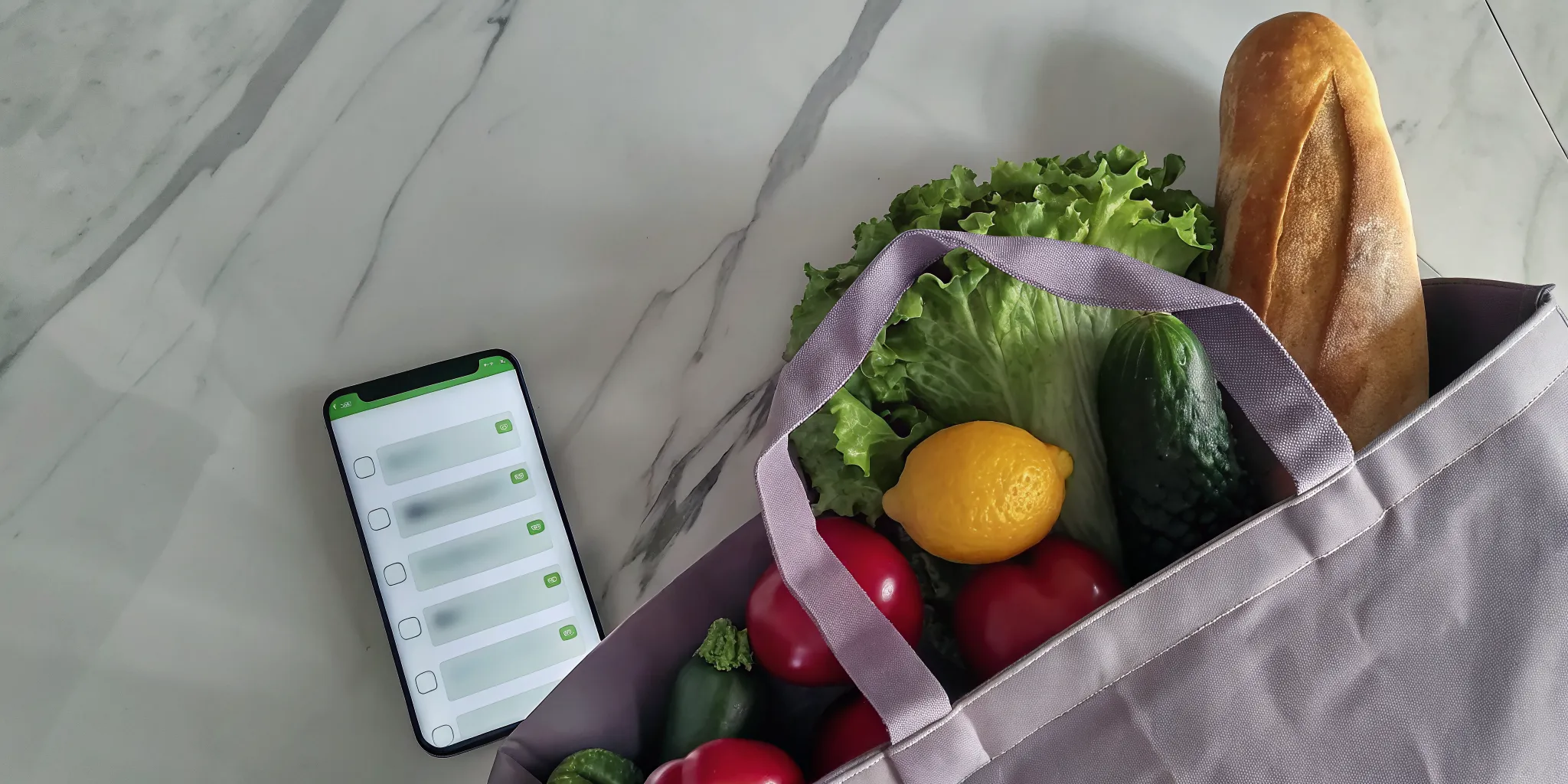
If you feel like your grocery budget is a moving target, meal planning is the anchor you need. It’s the single most effective strategy I’ve found for taking control of my spending, especially when buying high-quality organic food. Think of it as creating a roadmap for your week. When you know exactly what you’re going to eat, you know exactly what you need to buy. This simple shift in approach eliminates impulse decisions, reduces food waste, and turns your grocery run from a chaotic scramble into a focused, efficient task.
The beauty of meal planning is that it puts you in the driver’s seat. Instead of wandering the aisles and letting store displays dictate your purchases, you walk in with a clear plan. This strategy is about being intentional with your money and your time. And when you combine smart planning with a service that offers consistent value, like Tredish, you create a powerful system for savings. You get the predictability of a plan and the convenience of having quality ingredients delivered right to your door, making it easier than ever to stick to your goals.
A great meal plan starts with a little bit of research. Before you even think about what recipes you want to make, take a look at what’s on sale. Building your menu around discounted items is a core principle of budget-friendly shopping. This approach encourages you to plan your meals using ingredients at their peak season and best price, which is perfect for incorporating a variety of organic foods without the high cost. Instead of craving asparagus in December, you learn to love roasted squash and hearty kale salads. This flexible mindset not only saves you money but also makes your cooking more creative and seasonal. With a service like Tredish, this gets even simpler, as you can rely on consistently fair pricing and special weekly rewards for your staples.
Once you have your meal plan, the next step is non-negotiable: make a shopping list. This is your blueprint for success in the grocery store. A list transforms you from a browser into a person on a mission, helping you get only what you need and avoid the temptation of impulse buys. We’ve all been there, grabbing that extra bag of organic chips or a fancy new kombucha that wasn’t part of the plan. Those little additions quickly add up and can derail an otherwise perfect budget. Sticking to your list is a form of discipline that pays off every single week. It ensures you get the best deals on the items you planned for, and nothing extra.
Did you know that Canadian households throw out millions of tonnes of edible food every year? Every wilted bunch of organic spinach or forgotten container of leftovers is money straight out of your wallet. A solid meal plan is your best defense against food waste. When you buy ingredients for specific recipes, everything has a purpose. You can take it a step further by planning for leftovers. Try cooking in larger batches and freezing portions for a busy night, or get creative and use leftovers for the next day’s lunch. By ensuring every item you buy gets eaten, you maximize the value of your grocery spend and do a little good for the planet, too.
The idea of "buying in bulk" might bring to mind giant warehouse stores and pallets of toilet paper, but it’s also one of the most effective strategies for cutting down your organic grocery bill. When you buy larger quantities of an item, the price per unit (like per gram or per pound) is almost always lower. For organic products, where specialty packaging and handling can add to the cost, these savings can be substantial. It’s a simple concept, but it requires a little bit of strategy to make it work for your household.
The key is to focus on foods with a long shelf life. Think grains, beans, pasta, and even certain proteins you can freeze. The biggest risk with bulk buying is food waste; a giant bag of organic kale is no bargain if half of it wilts before you can use it. That’s why planning is so important. Before you buy, you need a clear idea of how you’ll store the food and how quickly your family will eat it. If a full case of organic tomatoes feels like too much, consider splitting the purchase with a friend or neighbour. This way, you both get the savings without the overwhelming quantity. By being intentional, you can turn bulk buying from a daunting task into a predictable way to keep your pantry stocked with high-quality organic staples for less.
Knowing which items offer the best value is the first step to successful bulk shopping. Start in the dry goods aisle. Organic oats, rice, quinoa, lentils, and beans are perfect candidates. They have a long shelf life and are often significantly cheaper when you skip the small, branded packages. Many co-ops and health food stores have bulk bins where you can buy the exact amount you need, which is a great way to start without committing to a 20-pound bag. For proteins, consider buying meat directly from a local farmer or butcher. Purchasing a quarter cow, for example, can dramatically lower the per-pound cost of high-quality, grass-fed organic beef.
Your savings are only secure if your food stays fresh. Proper storage is non-negotiable to prevent spoilage and waste. For dry goods like flour, grains, and nuts, transfer them from their bags into airtight containers. This protects them from pests, moisture, and going stale. Store these containers in a cool, dark place like a pantry or cupboard. For produce, it’s important to learn how to store fruits and vegetables correctly to extend their life. For example, store potatoes and onions in a dark spot, but keep them separate. When you buy meat in bulk, portion it out into meal-sized servings before freezing to prevent freezer burn and make weeknight dinners easier.
Buying in bulk saves the most money when you combine it with smart timing. A great deal isn’t just about buying a larger size; it’s about buying that larger size when the price is at its lowest. To spot a true bargain, you need to know what a good price actually is. Start a simple price book by keeping a note on your phone or in a small notebook. Jot down the regular prices for your most-purchased organic items at different stores. After a few weeks, you’ll have a baseline. When you see a sale on organic chicken breast or your favourite pasta that beats your recorded price, that’s your signal to stock up.
Finding great prices on organic food isn't about luck; it's about strategy. By developing a few smart shopping habits, you can consistently lower your grocery bill without giving up the high-quality, fresh food your family loves. It just takes a little planning to make your money go further.
Think of it as building a toolkit of savings strategies. You can learn to spot value by paying attention to the seasons, making the most of loyalty programs, and using your freezer to lock in low prices. These simple adjustments to your routine can lead to significant savings over time, proving that an organic lifestyle can be affordable. Let’s walk through three effective ways to get the best deals on organic groceries.
One of the easiest ways to save is to align your shopping with the seasons. As the old saying goes, fruits and vegetables cost less and taste better when they are in season. When produce is at its peak, it’s more abundant, and that simple supply and demand means lower prices for you at the checkout. Plus, you get the added benefit of enjoying food that is fresher and more flavorful.
To put this into practice, get familiar with what’s growing right now in Canada. A quick search for a seasonal produce guide can help you plan your meals around what’s fresh and affordable. Instead of buying imported berries in the middle of winter, you can opt for seasonal root vegetables and save the berry-buying for summer when they’re at their best and most budget-friendly.
Getting a good price isn't always about finding a single big discount. Often, the best value comes from layering multiple small savings. Many organic brands offer coupons on their websites, and some grocery apps provide cash back on certain products. While clipping coupons can feel a bit old-school, a few minutes of searching online before you shop can easily trim your bill.
This is also where subscription services can change the game. Instead of spending time hunting for deals, a service like Tre’dish builds the value right in. Our model offers fair, transparent pricing that averages 25 percent in savings on a typical grocery basket. We also include weekly rewards and limited drops, giving you the upside of a great deal without the work. It’s a way to put your savings on autopilot while you shop for top-quality groceries.
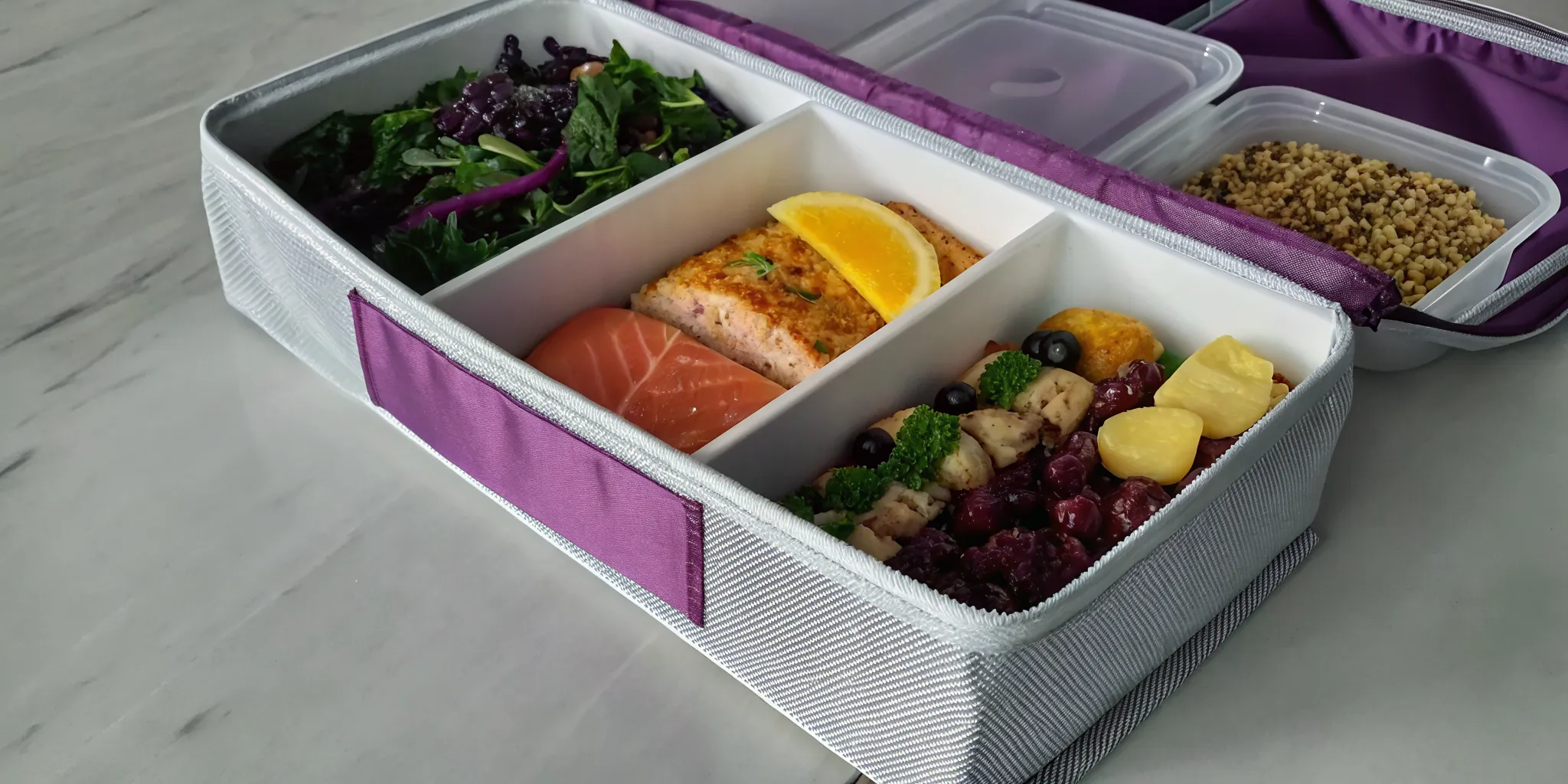
Your freezer is one of the most powerful money-saving tools in your kitchen. When you see a great sale on organic chicken, grass-fed beef, or wild-caught fish, it’s the perfect time to stock up. You can take advantage of sales on organic proteins by stocking up and freezing them for later use. This ensures you have healthy, high-quality options ready for future meals, all purchased at the lowest possible price.
This strategy isn't just for meat. You can also freeze butter, large blocks of cheese, and even seasonal fruits and vegetables to enjoy them months later. To stay organized, simply label everything with the item name and the date you froze it. This way, you can easily see what you have and use up older items first, cutting down on food waste and keeping your kitchen well-stocked.
Knowing where to prioritize your organic budget is half the battle; the other half is knowing where to shop. Finding consistent, affordable sources for organic food can feel like a scavenger hunt, but there are a few reliable places to look. By combining a few different strategies, you can fill your cart with high-quality organic groceries without overspending. From connecting with local growers to trying a new way to shop, here are the best places to find affordable organic food in Canada.
One of the best ways to get fresh, organic produce for less is to buy it directly from the people who grow it. Farmers' markets and Community Supported Agriculture (CSA) programs are fantastic for this. When you purchase directly from farmers, you cut out the middleman, which often means lower prices and incredibly fresh, seasonal food. A CSA program is like a subscription to a local farm. You pay a fee upfront and receive a box of seasonal produce each week. It’s a great way to support Canadian agriculture and discover new vegetables while enjoying organic quality at a fair price.
For pantry staples and everyday essentials, a grocery subscription service can be a game-changer. These services streamline the supply chain, passing significant savings on to you. Instead of hunting for deals at different stores, you get consistent, fair pricing on high-quality groceries delivered right to your door. Services like Tredish can offer savings on everything from organic produce and proteins to pantry items. It puts your grocery shopping on autopilot, giving you back valuable time while ensuring your kitchen is always stocked with quality ingredients you can trust. This is perfect for busy households that value both convenience and quality.
You can’t get more local or affordable than your own backyard or windowsill. Growing your own food is a rewarding way to access the freshest organic produce for just pennies. You don’t need a huge yard to get started. Even a small garden or a few pots on a balcony can make a big difference. Start with easy, high-yield items like lettuce, kale, or herbs like basil and mint. A simple container garden can supply you with fresh ingredients all season long, cutting down your grocery bill while giving you complete control over how your food is grown.
Going fully organic is a great goal, but let’s be honest, it can be tough on the wallet. The good news is you don’t have to take an all-or-nothing approach. Being a smart shopper means knowing where your organic dollars make the biggest impact and where you can save by choosing conventional options without sacrificing your standards. It’s all about making informed choices that fit your budget and your family’s needs.
This is where a little knowledge goes a long way. Every year, the Environmental Working Group (EWG) releases its Shopper’s Guide to Pesticides in Produce, which includes the famous “Dirty Dozen” and “Clean Fifteen” lists. The Dirty Dozen highlights the fruits and vegetables with the highest amounts of pesticide residue, while the Clean Fifteen identifies produce with the least. You can use these annual lists as your guide to making strategic swaps at the grocery store.
So, how do you put this into practice? It’s simple: you prioritize. Focus your organic budget on items from the Dirty Dozen, like strawberries, spinach, and kale. For produce on the Clean Fifteen list, such as avocados, sweet corn, and onions, you can feel confident buying their conventional counterparts to save some money. This single strategy can significantly reduce your grocery bill without compromising on the quality of your fresh food.
Of course, the most important thing is to fill your cart with plenty of fruits and vegetables, whether they're organic or not. Eating conventional produce is always better than eating none at all. Just remember to give everything a good wash under running water before you eat it. Making a few strategic swaps is a fantastic way to balance your budget and your health, proving that you can eat well without overspending.
Let's be honest, the weekly grocery run can feel like a chore. Between planning, navigating crowded aisles, and lugging everything home, it’s a significant drain on your time and energy. This is where grocery subscriptions come in, promising to simplify your life. But the big question is, does the convenience come with a hefty price tag? The answer might surprise you. While it seems like a premium service, the right subscription can actually be a smart financial move for your household.
Many Canadians wonder if grocery delivery services are worth the cost, and it’s a fair question. The key is finding a service that doesn’t just deliver, but also streamlines the supply chain. By cutting out the retail inefficiencies of a traditional grocery store, services like Tre’dish can offer significant savings, often around 25 percent on a typical basket of high-quality groceries. Plus, when your groceries arrive at your door, you completely eliminate those impulse buys that always seem to sneak into your cart at the checkout line. This helps you stick to your budget while still getting top-tier produce, meat, and pantry staples.
Beyond the dollar savings, the real value lies in getting your time back. Think of it as putting the most repetitive parts of your shopping on autopilot. Instead of spending hours planning and shopping, you can trust that fresh, quality ingredients will reliably show up at your door. For many busy families, this predictability is priceless. Many services also focus on sourcing from Canadian producers, so you can feel good about supporting local farms while feeding your family the best. When you combine fair, transparent pricing with the convenience of a predictable schedule, a grocery subscription becomes less of a luxury and more of a life hack for smart, busy Canadians.
Do I have to buy everything organic to eat well? Not at all. The goal is to be strategic, not perfect. A great starting point is to focus your organic budget on the "Dirty Dozen" list, which includes produce with the highest pesticide residues. For items on the "Clean Fifteen" list, like avocados and onions, you can confidently buy conventional versions to save money. This balanced approach helps you reduce your family's exposure to pesticides where it counts most, without requiring a 100 percent organic cart.
Besides produce, what's the most important category to consider buying organic? For many households, animal products like meat, dairy, and eggs are the top priority after the Dirty Dozen. When you choose organic in this aisle, the certification often ensures that the animals were raised without the use of added hormones or routine antibiotics. If you have to choose just one area to invest in, many people start here for the peace of mind it provides, especially when feeding growing kids.
Is a grocery subscription really more affordable than just shopping the sales? When you factor in your time and the total cost, it often is. A service like Tredish saves you money by creating a more direct path from the farm to your kitchen, cutting out many of the costs of a traditional grocery store. This results in consistently fair prices, often saving you around 25 percent on your basket without you having to hunt for deals. Plus, it eliminates those expensive impulse buys and saves you the time you would have spent driving to the store and waiting in line.
I'm worried about food waste. How can I use a subscription or buy in bulk without food going bad? The secret weapon against food waste is meal planning. Whether you're buying a larger quantity of an item or getting a weekly delivery, knowing exactly how you'll use each ingredient is key. A subscription service actually makes this easier because the deliveries are predictable. You can plan your week's meals around your upcoming Tredish order, ensuring every beautiful piece of produce and protein has a purpose on your family's table.
What's the difference between "organic" and just buying from a local Canadian farm? That's a great question. "Organic" is a specific, regulated certification that guarantees a product was grown and processed according to strict national standards, which includes rules about pesticides and fertilizers. "Local" simply refers to where the food comes from. While many local Canadian farms use organic practices, they may not have gone through the formal certification process. The ideal scenario, which we focus on at Tredish, is to source high-quality food from trusted Canadian producers, giving you both freshness and quality you can depend on.