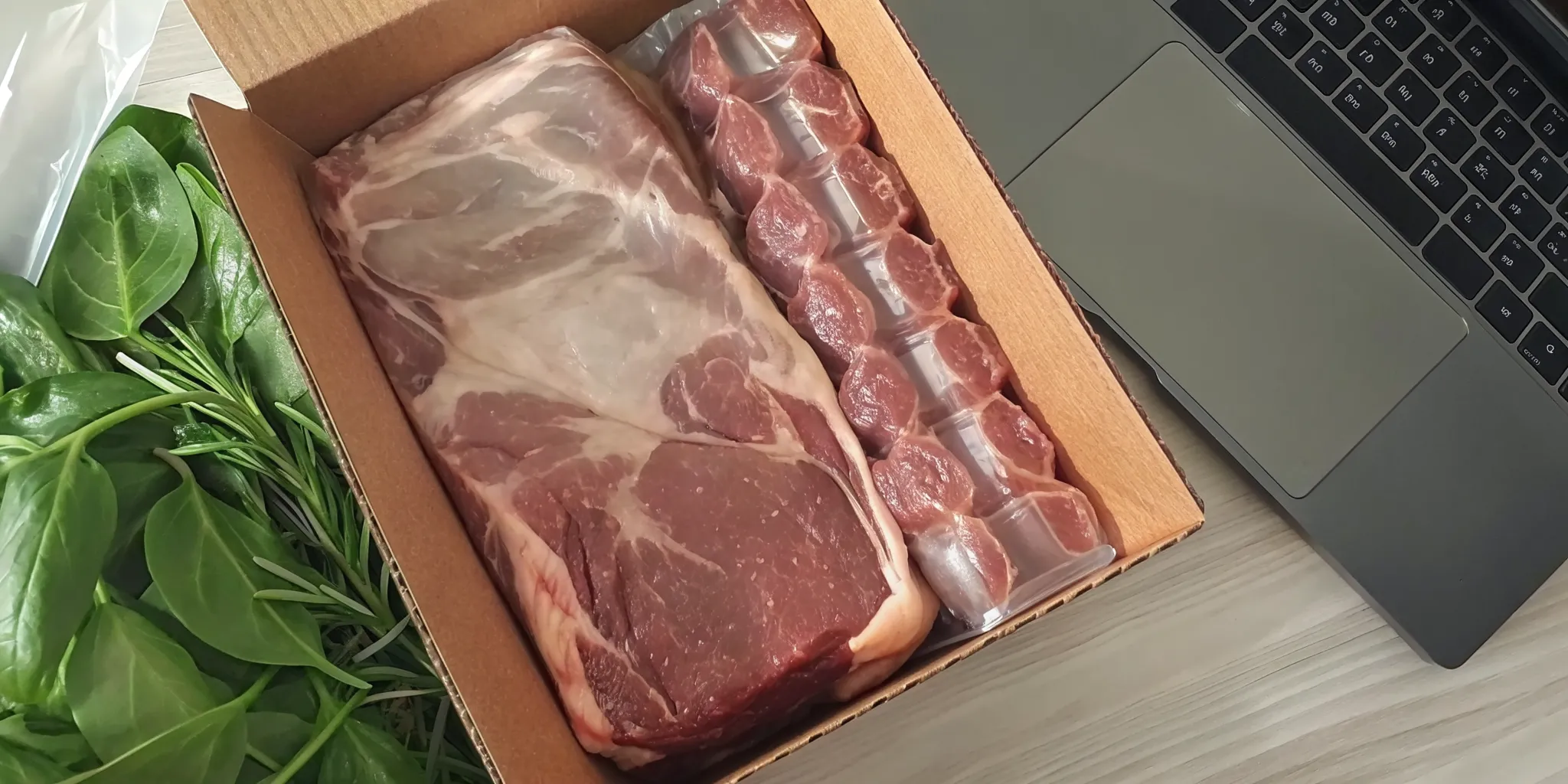
Freezer-Friendly Grocery Shopping Canada: A Complete Guide
Start saving time with freezer-friendly grocery shopping Canada. Discover which foods freeze best and how Tre'dish delivers fresh Ontario groceries.

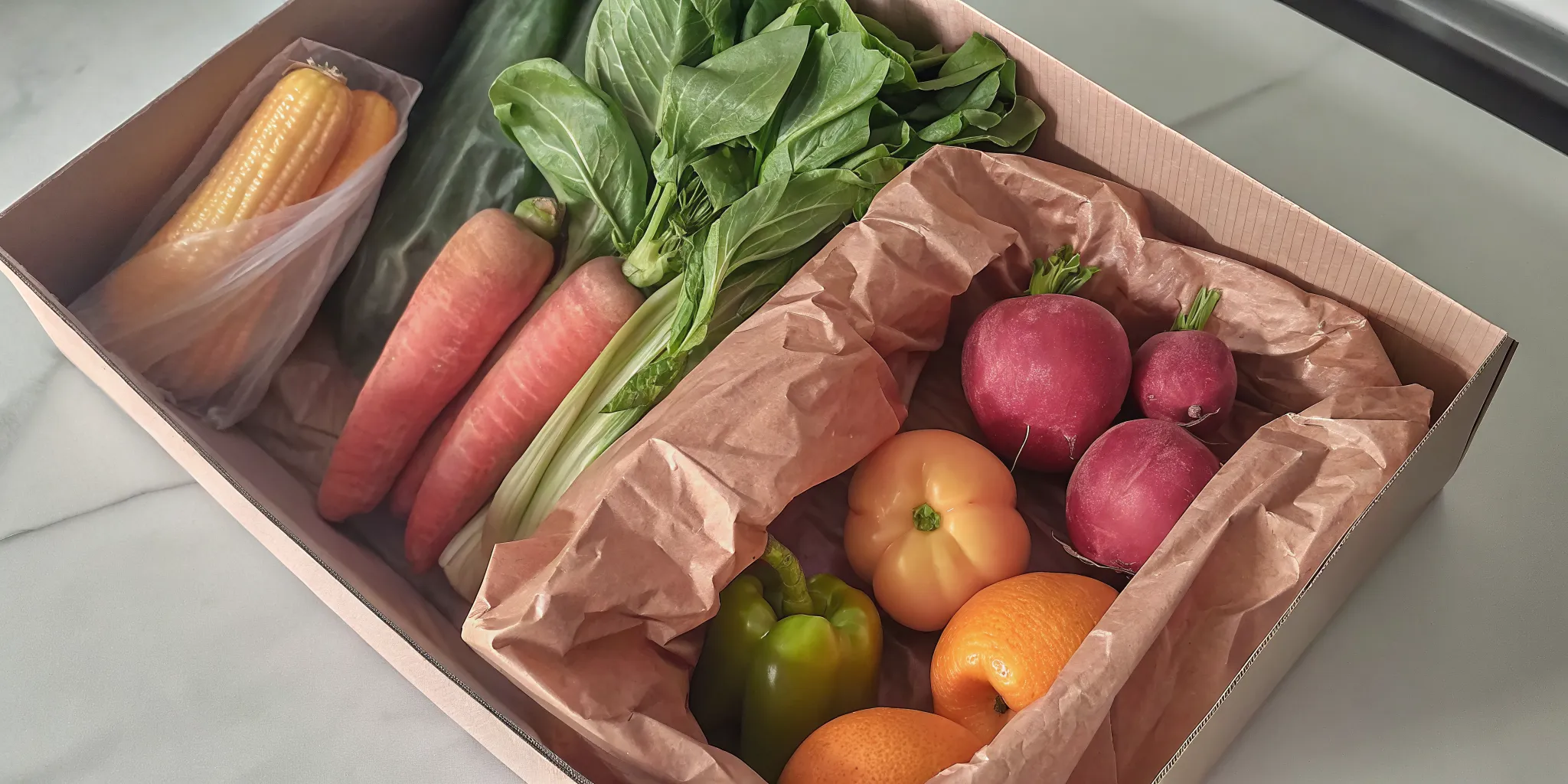
You’ve seen them on social media: beautiful, overflowing boxes of colourful, farm-fresh produce. The local produce box has become the symbol of healthy, mindful eating. But what happens after the unboxing photo is taken? The reality often involves staring at a strange-looking vegetable and frantically searching for a recipe, all while the kale from last week is starting to wilt in your crisper. It’s easy to get caught up in the romantic idea, but it’s important to have an honest conversation about the experience. So, is a local produce box worth it, or is it more hassle than it's worth? Let’s cut through the hype and look at the real costs, benefits, and commitments involved.
If you’ve ever dreamed of getting farm-fresh produce delivered right to your door, you’ve probably heard of local produce boxes. Think of it as a subscription service for fruits and vegetables. At its heart, this model is often rooted in a concept called Community Supported Agriculture (CSA), which is a way to connect local farmers directly with the people who eat their food. You essentially buy a "share" of a farm's harvest for the season.
This direct-from-the-farm approach has become super popular, and for good reason. It promises fresher food, supports local growers, and introduces a bit of seasonal adventure into your cooking routine. But before you sign up, it’s helpful to understand exactly how these services work, what you can expect to find in your box, and what’s true (and not so true) about them. Let's break it down so you can decide if it’s the right fit for your kitchen.
Getting started with a produce box is usually pretty straightforward. You find a local farm or a company that partners with several farms, and you sign up for their program. The payment structure can vary; some traditional CSA models ask you to pay for a full season’s "share" upfront, which helps farmers cover their initial costs. Others have moved to a more flexible model where you pay weekly or bi-weekly for your box, much like any other subscription. You’ll typically choose your box size based on your household's needs and set up a delivery schedule. Some services even allow you to customize your box, letting you swap out items you don’t like or add extras like eggs, bread, or cheese from other local producers.
Opening a produce box feels a bit like a treasure hunt. Inside, you’ll find a variety of fresh, seasonal fruits and vegetables. The exact contents change weekly based on what’s ripe for the picking. In the spring, you might get asparagus and rhubarb, while late summer could bring tomatoes, corn, and zucchini. Because the produce is coming from local sources, it’s often harvested just days or even hours before it gets to you. Don’t be surprised if you find veggies that look a little different from what you see in the grocery store. These "imperfect" items, which might be an odd shape or size, are perfectly delicious and a great way to help reduce food waste. It’s a fun way to discover new vegetables and get creative with your meals.
There are a few common ideas about produce boxes that are worth clearing up. One myth is that you’re just getting a box of weird, unwanted vegetables that the farm couldn’t sell. While you might get some unique items, the goal is to give you a share of the farm's best seasonal harvest. It’s less about leftovers and more about embracing what’s naturally available. Another concern is whether buying local truly makes an impact. The truth is, it does. When you buy from local producers, you’re not just getting fresh food; you’re investing in your community’s economy and helping to build a stronger, more reliable food supply closer to home. It keeps Canadian farms in business and reduces the long-distance shipping required for many grocery store items.
Choosing a local produce box is about more than just getting vegetables delivered. It's a decision that ripples outward, affecting everything from the freshness of your food to the strength of your local community. When you opt for locally sourced groceries, you’re tapping into a system that prioritizes quality, sustainability, and connection. It’s a way to bring more intention to your weekly shop and feel good about where your money is going. Let's break down the real, tangible benefits of keeping your grocery shopping close to home.
There’s a reason a sun-ripened tomato from a local farm tastes so much better than one from a big-box store in the middle of winter. Produce that travels long distances is often picked before it's fully ripe to ensure it survives the journey. This early harvest can impact both flavour and nutritional value. According to Health Care Without Harm, food that is picked ripe and eaten soon after harvest not only tastes better but also retains more of its essential vitamins and minerals. When your produce comes from a farm just down the road, you get to enjoy it at its absolute peak, just as nature intended.
When you buy local, you’re making a direct investment in Canadian farmers and their families. It’s a powerful way to ensure your grocery dollars stay within your community, supporting the people who work hard to grow your food. Farmers often receive a more substantial share of the profit from direct sales compared to when they sell through large, conventional grocery chains. This financial support helps small farms thrive, preserves agricultural land, and strengthens your local economy. Every purchase becomes a vote for a more resilient and sustainable Canadian food system. It’s a simple switch that makes a big difference.
Thinking about your "food miles," or the distance your food travels from farm to plate, is an easy way to make a more eco-friendly choice. Locally sourced produce has a much shorter journey, which means less fuel consumption and lower carbon emissions. Many local producers also focus on sustainable practices. For instance, some use minimal or reusable packaging, which helps cut down on the plastic waste that often overflows from a typical grocery run. By choosing local, you’re actively participating in a system that is gentler on the planet and helps reduce food-related waste.
Getting a box filled with seasonal produce can feel like a mini-adventure for your kitchen. It gently nudges you out of your cooking comfort zone and encourages you to try new things. You might discover a love for kohlrabi or find a new favourite recipe for Swiss chard. Eating with the seasons connects you to the natural rhythm of the year and challenges you to get creative with your meal planning. Instead of eating the same few vegetables year-round, you get to experience a rotating cast of characters, each at its freshest. It’s a fun way to expand your culinary skills and keep your meals interesting.
While the idea of a weekly box of farm-fresh goodies is dreamy, it’s smart to look at the full picture before you commit. Local produce boxes are a fantastic concept, but they aren’t a perfect fit for every household or lifestyle. Being honest about the potential challenges can help you figure out if this model works for you or if you’d be better off with a more flexible option. Let’s get real about some of the common hurdles you might encounter so you can make the best choice for your grocery routine.
One of the biggest adjustments with a produce box is the element of surprise. It can be fun to discover new things, but you might get vegetables you don’t know how to cook or a huge amount of something your family doesn’t love. If you receive a giant bunch of kale for the third week in a row, you have to get creative or risk it going bad. This means you need to be ready to cook at home often and willing to experiment with new recipes. Without a plan, that beautiful produce can quickly turn into food waste, which is something we all want to avoid.
Embracing seasonal eating is a huge perk, but it also has its limits. In the middle of a Canadian winter, your box will likely be heavy on root vegetables like potatoes, carrots, and beets. While these are delicious and versatile, you might find yourself craving a fresh salad with crisp lettuce and juicy tomatoes. Unlike a grocery store where you can get almost anything year-round, a true local produce box sticks to what’s actually growing nearby. This is great for the environment, but it requires a mental shift and can feel restrictive if you’re used to having endless variety at your fingertips.
Most produce box programs operate on a fixed delivery schedule and don’t allow for much customization. You get what you get, when you get it. This can make meal planning a challenge. If you’re someone who likes to plan your dinners a week in advance, you’ll have to learn to be more flexible and adjust your cooking based on what arrives in your box. This "reverse meal planning" works well for some, but if you have a busy schedule or picky eaters, the lack of predictability can add stress to your week instead of taking it away.
Ultimately, making a produce box work for you requires a real commitment. It’s more than just a grocery delivery; it’s a lifestyle change. You need to be willing to adjust your habits, like cooking from scratch more often, trying new foods, and being flexible with your meal plans. If your weeks are unpredictable or you tend to eat out a lot, a box of fresh produce waiting for you can feel more like a chore than a convenience. It’s worth being honest with yourself about your current habits and how much time you can realistically dedicate to making the most of your box.
When you’re trying to manage your household budget, the bottom line is always top of mind. A produce box subscription sounds great, but does it actually save you money compared to your usual trip to the grocery store? The answer isn’t a simple yes or no. It really depends on the service, your shopping habits, and how you use the food you get. Let’s break down the real costs and savings so you can see if it’s the right financial fit for you.
At first glance, many produce boxes seem like a great deal. When you compare the price of the box to what you’d pay for the same amount of produce at a major supermarket, the savings can be clear. Many people find that a local produce delivery service helps them save time and money, with fruits and vegetables costing just a fraction of in-store prices. This is especially true if you tend to buy a lot of organic produce, which often comes with a higher price tag at the grocery store. The key is to look at the cost per item or per pound to get a true sense of the value you're receiving in each delivery.
So, where do the savings come from? It’s all about the supply chain. Traditional grocery stores have a lot of steps between the farm and the shelf, with each middleman adding to the final cost. Produce boxes often cut out these extra steps. As one company explains, veggie boxes can be cheaper because they come directly from the grower to your doorstep. By sourcing directly from farms, these services reduce costs related to transportation, storage, and retail markup. Those savings are then passed on to you, allowing you to get fresh, high-quality produce for less than you might expect. It’s a simpler, more direct model that benefits both the farmer and your wallet.
While the upfront cost can be lower, it’s important to be aware of potential hidden costs that can eat into your savings. The biggest culprit is food waste. If your box is filled with vegetables you don’t know how to cook or you get way too much of one thing, that food might go bad before you can use it. As one writer points out, this is a common challenge and can quickly turn a good deal into wasted money if you aren't prepared to use the produce quickly. Another factor to consider is packaging. Some services use a lot of it to keep items safe, which can feel wasteful if you’re trying to reduce your environmental footprint.
A local produce box sounds like a dream, doesn't it? A weekly delivery of farm-fresh fruits and vegetables is a fantastic way to eat seasonally and support your community. But is it the right fit for your household? The answer depends on your cooking style, your family's eating habits, and how you feel about a little culinary surprise. Let's break down who these boxes are perfect for, when they might not be a good fit, and what to look for if you decide to try one. This will help you figure out if a produce box truly makes your life easier.
If you love building a connection with your food and the people who grow it, a produce box could be your new best friend. It’s an incredible way to support local farmers and invest in your community’s food security. You’ll get produce that was often picked just a day or two before it lands on your doorstep, meaning it’s packed with flavour and nutrients. For many, this is a huge step up from typical grocery store offerings. A produce box can also be a great timesaver, cutting down your in-store shopping list. If you’re an adventurous cook who sees a bunch of rainbow chard as an opportunity, not an obstacle, you’ll thrive.
Let’s be honest, the surprise element of a produce box isn’t for everyone. If you’re a meticulous meal planner or have picky eaters at home, a box filled with vegetables you didn’t choose can be a challenge. You might find yourself with a surplus of something like beets or kohlrabi, scrambling to find recipes before they go bad. This can unfortunately lead to food waste, which defeats the purpose of mindful consumption. The delivery schedule can also be rigid, forcing you to adjust your cooking plans based on what arrives. For busy households, the pressure to use up unfamiliar items can add another task to an already full plate.
If you’re leaning towards trying a produce box, doing a little homework first can make all the difference. The key to success is finding a service that fits your lifestyle, not the other way around. Start by asking about customization. Some services now allow you to swap items or choose exactly what goes into your box, giving you control and reducing waste. Dig into where their produce comes from to ensure you’re truly supporting the local economy. Finally, check the delivery schedule and box sizes to find one that matches your household's needs. A little flexibility can turn a potentially stressful experience into a delightful one.
So, you've decided to give a local produce box a try, or you're seriously thinking about it. That's awesome! It’s a fantastic way to eat seasonally and support local growers. But let's be real, it can also feel like you've signed up for a weekly mystery challenge. One week you're swimming in kale, the next you're staring at a kohlrabi and wondering, "What do I even do with this?"
Getting the most out of your box requires a little shift in your kitchen routine. Instead of your groceries fitting into your meal plan, your meal plan needs to form around your groceries. It’s a change, for sure, but with a few smart strategies, you can cut down on food waste, get creative in the kitchen, and really enjoy the fresh, delicious food you’re getting. Think of it as a fun culinary adventure. We'll walk through how to plan your meals, store everything correctly to maximize freshness, and use up every last bit.
The key to loving your produce box is to flip your meal planning script. Instead of deciding on Monday what you'll eat on Friday, you have to be more flexible. The delivery schedule might not fit your usual planning, so you'll need to adjust your cooking based on what arrives. I like to think of it as "reverse meal planning." Once your box arrives, lay everything out on the counter. Group items by how quickly they need to be used (leafy greens first, root veggies later) and then build your meals from there. Keeping your pantry stocked with staples like rice, pasta, beans, and spices makes it much easier to whip up a meal around your fresh finds.
One of the best parts of a local produce box is that the food is incredibly fresh. Food picked ripe and eaten soon after harvest just tastes better and is packed with more nutrients. Your job is to keep it that way for as long as possible. A little knowledge goes a long way here. For example, some fruits like apples and bananas release a gas that can make other produce spoil faster, so store them separately. You can find a great guide to storing produce to help you sort what goes in the fridge versus on the counter. For leafy greens, try wrapping them in a dry paper towel before putting them in a bag to absorb extra moisture and prevent wilting.
Sometimes you’ll get vegetables you don't know how to cook or just too much of one thing. This can lead to food going bad if you don't use it quickly. To avoid this, embrace some simple preservation techniques. If you’re overloaded with tomatoes, simmer them into a big batch of pasta sauce you can freeze for later. Got a mountain of cucumbers? Try making quick refrigerator pickles. Learning some basic food preservation methods like freezing, pickling, or making jams can help you save money and enjoy your harvest for weeks to come. It’s a satisfying way to make sure nothing goes to waste.
If you love the idea of fresh, local food but find the limitations of a standard produce box a little restrictive, there’s another option to consider. What if you could get the farm-fresh quality and support for Canadian producers, but with more control and convenience? This is where a full grocery subscription service like Tredish comes in. It takes the best parts of a produce box, like amazing quality and a connection to local sources, and applies them to your entire grocery list.
Think of it as putting your weekly shop on autopilot. Instead of just getting a box of seasonal vegetables, you can get high-quality produce, proteins, and pantry staples delivered on a reliable schedule. This model is designed for busy households that value both quality and predictability. You get the time back you would have spent planning, shopping, and carrying groceries, all while knowing you’re getting food you can trust. It’s a smart way to streamline your routine without compromising on the quality of the food on your table.
One of the biggest hesitations with produce boxes is the mystery. You might not always get items you know how to use. Tredish solves this by offering a curated selection of groceries that feel like you picked them yourself. The focus is on sourcing from Canadian farms and producers, so you get incredible freshness and support the local economy.
This approach builds trust because you’re consistently receiving produce and proteins that meet a high standard of quality. You’re not just getting random items; you’re getting the foundational ingredients for the meals your family already loves. It removes the guesswork and potential for food waste, ensuring your fridge is stocked with fresh, delicious food you’re excited to cook.
Consistency is key when you’re trying to manage a household. Tredish replaces hectic, last-minute grocery runs with a dependable delivery schedule you can set and forget. You can choose a weekly or bi-weekly rhythm that fits your life, and your order arrives right on time. This predictability makes meal planning simpler and frees up valuable mental space.
You’re essentially outsourcing the most repetitive parts of grocery shopping. No more wandering the aisles or waiting in checkout lines. Instead, you can rely on your Tredish order to show up with the essentials you need for the week ahead. It’s a simple change that gives you back hours of your time and makes your weekly routine feel much more manageable.
While convenience is a huge plus, it shouldn’t come at a premium. Tredish is built on a model of fair, transparent value. By working directly with producers and removing the inefficiencies of traditional retail, the service passes significant savings on to you, often around 25 percent on a typical basket. You aren't paying more for quality or delivery; you're just paying a fairer price.
This subscription model also helps you stick to a budget by reducing impulse buys at the store. Plus, Tredish adds extra value with weekly rewards and a free premium product when you place your first order. It’s a system designed to give you consistent savings on high-quality food, making it a financially smart choice for your household.
What’s the biggest difference between a traditional produce box and a Tredish subscription? The main difference comes down to control and scope. A traditional produce box typically gives you a surprise assortment of seasonal vegetables chosen by the farm. With a Tredish subscription, you get to choose exactly what goes into your order from a full range of groceries, including produce, proteins, and pantry staples. It shifts the experience from a weekly surprise to a predictable, reliable grocery solution you can plan around.
I'm worried about food waste. Can I choose what comes in my Tredish order? Yes, absolutely. This is one of the key ways Tredish is different. You have complete control over your cart, so you only order the foods you know your family will actually eat. This helps you avoid the common problem of receiving unfamiliar vegetables or too much of one item, which can lead to food waste. You get the quality of farm-fresh food without the risk of it going unused.
Is Tredish just for fruits and vegetables? Not at all. While we pride ourselves on our high-quality, Canadian-sourced produce, Tredish is a comprehensive grocery subscription service. You can fill your cart with everything you need for the week, including premium meats and proteins, dairy products, and other pantry essentials. The goal is to put your entire weekly grocery run on autopilot, not just the produce portion.
How does Tredish help me save money if it's not a discount service? The savings come from our more efficient model, not from lower quality. We work directly with farmers and producers, which removes many of the costs associated with traditional grocery stores, like warehousing and retail markups. We pass those savings directly to you. This means you pay a fairer price for top-quality groceries, leading to an average savings of about 25 percent on your total bill without ever compromising on freshness or quality.
Do I still get to support local Canadian producers with Tredish? Definitely. Supporting Canadian farms and producers is central to what we do. We build strong partnerships with local suppliers to source many of the fresh, high-quality groceries you see on our site. When you shop with Tredish, you’re getting the convenience of a subscription service while still investing your grocery dollars into our national and local food economy.