The Truth About No Subscription Fee Grocery Delivery
Get the facts on grocery delivery subscription no fees. Learn how these services work, what to watch for, and how to find the best value for your needs.

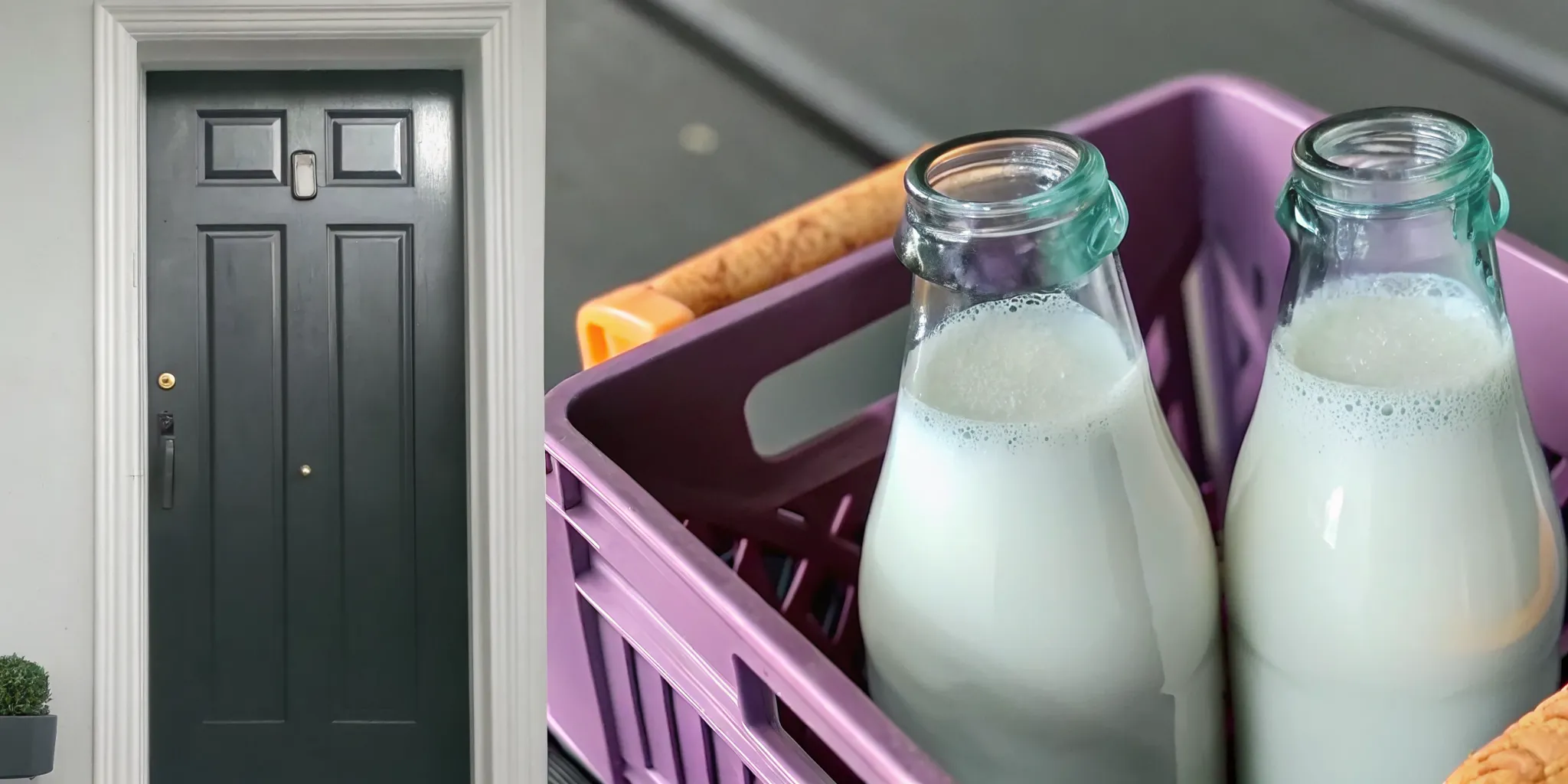
You run into the store for just one thing—milk—and walk out with a basket full of items you never intended to buy. It’s a common story, and it’s by design. Grocery stores are masters at encouraging impulse purchases, which quietly inflate your weekly budget. This is why the question "is milk delivery cheaper than the grocery store?" is so important. The biggest savings might not come from the price of the milk itself, but from avoiding the store altogether. By putting your essentials on autopilot, you sidestep the temptations and take back control of your spending.
Let's get right to it: is having milk delivered to your door actually cheaper than grabbing it at the grocery store? The answer isn't as simple as comparing two price tags. While the sticker price at the supermarket might seem lower at first glance, it doesn’t tell the whole story. The real cost of your groceries involves more than just what you pay at the checkout. When you’re trying to shop smart and take control of your budget, you need to look at the complete picture to see where your money is really going.
To figure out which option truly offers better value, you have to account for everything. This means factoring in potential delivery fees, subscription costs, the price of your time and gas for a store run, and even the cost of those extra items that always seem to sneak into your cart. It’s easy to forget that a quick trip to the store is rarely just a five-minute event. It involves planning, driving, parking, searching the aisles, and waiting in line. When you start to add it all up, you might be surprised to find that a delivery service, especially a subscription that bundles your weekly staples, can be the smarter financial choice. We’re going to break down all the numbers, so you can see for yourself how the costs stack up.
When you do a direct, item-to-item comparison, traditional milk delivery can sometimes look like a luxury. Many people assume it’s much more expensive than buying local products from a grocery store shelf, and if you’re only looking at the price of a single bottle of milk, the store often appears to be the winner. This initial sticker shock is what stops many people from exploring delivery options further.
However, that shelf price includes retail markups that you don't pay when you buy more directly from a service that partners with producers. While the listed price for a delivered item might be slightly different, it’s just one piece of the puzzle. Think of it as the starting point, not the final number. The true cost emerges when you factor in all the other expenses that come with each way of shopping.
Of course, convenience often comes with a price. Many grocery delivery services add a separate delivery fee to each order, which can easily add $10 or more to your bill. Others operate on a subscription model where you pay a monthly or annual fee for the service. These fees are important to consider, as they can quickly eat into any potential savings.
However, it's also worth asking what you get in return for that fee. As writer Laura Vanderkam points out, the cost can be offset by the time and money you save, making you reconsider the economics of milk delivery. A well-designed subscription service bundles these costs into a predictable payment, giving you back priceless hours each week and helping you avoid costly trips to the store.
Beyond delivery fees, some services have other requirements that can affect your total spend. It’s common for delivery companies to require a minimum order amount. If your list is short, you might find yourself adding extra items to your cart just to meet the threshold, which can lead to overspending and potential food waste. This is the opposite of smart, planned shopping.
Additionally, traditional milkman services that use glass bottles often charge a small deposit for each bottle, usually a few dollars that you get back when you return it. While this is great for the environment, it’s another small cost to track. When you’re comparing services, look for a model that focuses on getting you what you need on a recurring basis, without forcing you to hit a spending target on every single order.
When you compare a carton of milk from the grocery store to one delivered to your door, you might notice the sticker prices don't always match up. It’s rarely an apples-to-apples comparison, and several factors are at play. The final price you pay is shaped by where your food comes from, the business selling it, and the way you buy it.
Understanding these differences is key to seeing the full picture of what you’re spending. Let's break down the three main drivers behind the price you see: local sourcing, retail markups, and the subscription model itself. Each one plays a role in the final cost and the overall value you get from your groceries.
Many delivery services that work with local farms find their prices are higher than what you’d find at a large grocery chain. That’s because they’re often operating on a smaller scale and prioritizing quality over mass production. While supporting local is a huge plus, it can sometimes come with a premium price tag.
At Tre’dish, we take a different approach. We are passionate about partnering with Canadian producers to bring you incredibly fresh, high-quality food. But we’ve built our model to cut out inefficiencies, which means you get that farm-fresh quality without the typical farmer’s market markup. We believe you shouldn’t have to choose between supporting local and sticking to your budget.
The price you pay at a traditional grocery store includes more than just the cost of the food. That price tag has to cover the store’s rent, employee wages, utility bills, and marketing campaigns, not to mention the retailer’s profit margin. These layers of overhead are known as retail markups, and they add up quickly.
A direct-to-you service like Tre’dish operates differently. By removing the need for a physical storefront, we sidestep many of these costs. We create a more direct line from the producer to your home, which is how we can offer an average of 25% savings on a typical grocery basket. It’s a simpler, more efficient system, and we pass those savings directly on to you.
A subscription model does more than just save you time; it creates savings for everyone. When you set up a recurring order, you create a predictable demand for products. This allows a service like Tre’dish to work with our producers to plan ahead, ordering precisely what is needed and drastically reducing food waste and operational costs.
This efficiency is the engine behind our fair pricing. Instead of a grocery store guessing how much to stock and passing the cost of unsold items on to customers, your subscription helps us build a smarter system. It’s the key to how we deliver consistent value and put your grocery shopping on autopilot, ensuring you get top-quality food at a predictable, fair price every single week.
The promise of fresh milk arriving at your doorstep is appealing, but it's smart to look past the advertised price per bottle. Some milk delivery services have extra charges that can catch you by surprise, turning a good deal into a budget-buster. Understanding these potential costs ahead of time is key to making a choice that truly saves you money and hassle.
Unlike the straightforward pricing you see on a grocery store shelf, delivery services often have a more complex cost structure. These aren't always obvious at first glance. From fees for the delivery itself to charges for the packaging it comes in, the final total can be quite different from the initial price you saw. Before you commit, it’s worth doing a little digging to see what your total investment will be. A truly valuable service is transparent about every charge, so you know exactly what you’re paying for.
When you’re comparing milk delivery options, you might notice that some services add extra fees on top of your order. These can be called delivery fees, service fees, or even fuel surcharges. While a small delivery fee might seem reasonable, some companies also require a paid monthly or annual membership just to use their service. These costs can add up, especially if you’re getting frequent deliveries. It’s a common way for services to advertise a low price for milk while making up the difference elsewhere. Always go through the checkout process to see the final, all-in price before you place your first order. This helps you avoid the surprise of unexpected charges.
Many traditional milk delivery services use charming, reusable glass bottles. While this is a fantastic way to reduce waste, it often comes with a financial string attached: a bottle deposit. This is a small, refundable fee you pay for each bottle to ensure it gets returned. For example, you might pay a $2 to $5 deposit per bottle, which you get back when you leave the empty bottle out for your next delivery. It’s not a permanent cost, but it is money that’s tied up while you have the bottles. Be sure to check if a service requires deposits and how the return process works so you can factor it into your budget.
Life can be unpredictable, and your grocery needs might change from one week to the next. That’s why it’s so important to understand a delivery service’s cancellation policy before you sign up. Some companies make it difficult to pause or cancel your subscription, sometimes requiring you to call during specific business hours or even charging a cancellation fee. A flexible service will allow you to easily adjust your order, skip a week, or cancel online without any hassle. You should always feel in control of your subscription, so look for a service that offers you the freedom to manage your account on your own terms.
When you’re comparing the cost of a grocery subscription to buying at the store, the sticker price is only part of the story. The total cost of a grocery run includes hidden expenses that often go unnoticed until you look at your bank statement or wonder where your evening went. These subtle costs, from unplanned purchases to the time you can’t get back, add up quickly. They can make that "cheaper" gallon of milk far more expensive than you think.
We’ve all been there. You run into the store for just one thing, like milk, and walk out with a basket full of items you never planned to buy. It’s not a lack of willpower; grocery stores are designed to encourage these exact impulse purchases. That strategically placed display of snacks at the end of the aisle or the tempting treats at checkout can easily turn a quick trip into a much larger expense. When you’re just browsing the aisles, you’re more likely to grab things that aren’t on your list, which can quietly inflate your weekly grocery budget without you even realizing it.
A quick trip to the store is rarely ever quick. Think about the time it takes to drive there, find parking, walk the aisles, wait in the checkout line, and drive home. For busy families, these extra trips often happen during peak hours, like after work, adding even more time and stress to your day. These frequent runs for essentials also mean you’re spending more on gas. While it might only be a few dollars per trip, it adds up over a month. Your time is valuable, and spending it on unplanned grocery runs is a significant hidden cost that a predictable delivery helps you reclaim.
Grocery stores are masters of perception, using weekly flyers and bright yellow tags to create a sense of urgency and savings. But are those "buy one, get one" deals really a good value? Often, stores use complex pricing strategies, marking up everyday items to offset the discounts on sale products. You might save a dollar on cereal but unknowingly overpay for cheese and bread. This forces you to hunt for deals to feel like you’re getting a fair price, when in reality, the overall cost of your basket might not be any lower. True savings come from consistent, transparent pricing, not from chasing temporary discounts.
We’ve all been there. You run into the grocery store for a single carton of milk and walk out $50 lighter, wondering what just happened. Those unplanned purchases, from a new brand of chips to a magazine at the checkout, are the silent budget-breakers of grocery shopping. Retail stores are designed to encourage this behavior, with tempting displays and "deals" that feel too good to pass up. But when you add it all up, these impulse buys can derail your financial goals. The good news is that by changing how you shop, you can take back control and protect your wallet from those checkout temptations.
The simple act of walking through a grocery store makes you vulnerable to impulse buys. As writer Laura Vanderkam notes, it's hard to make a quick store trip for one item without spending far more than you intended. Stores are strategically designed to expose you to as many products as possible. That sale on cookies at the end of the aisle and the colorful display of sodas near the dairy section aren't there by accident. They are placed to catch your eye and convince you to add just one more thing to your cart. These small, unplanned purchases feel harmless in the moment, but they consistently add 10% to 25% to the average grocery bill.
A grocery subscription acts as a powerful guardrail for your budget. Instead of wandering the aisles, you intentionally choose what you need ahead of time. When you put your groceries on autopilot, you eliminate the opportunity for impulse buys. You get exactly what’s on your list, delivered right to your door. This planned approach means you’re no longer susceptible to in-store marketing tactics or the temptation to grab an extra snack. Even if a single item might seem more expensive at first glance, the overall savings from avoiding unplanned purchases can be significant, making a subscription a smarter financial choice in the long run.
Those quick trips for a forgotten item are often the most expensive. Not only do they waste your time and gas, but they also expose you to the most notorious impulse-buy zone: the checkout lane. This area is prime real estate for high-markup items like candy, magazines, and drinks that you don't really need. A subscription service helps you sidestep this trap entirely. By consolidating your shopping into a single, planned order, you avoid the need for last-minute store runs. You get your essentials without the added cost of checkout temptations, saving you both money and the mental energy of saying "no" over and over again.
When you’re comparing the cost of milk delivery to the price at the grocery store, it’s easy to get stuck on the sticker price. But the true value of a service often lies in the benefits you can’t put a number on. A smart approach to your grocery budget means looking at the whole picture, not just the line item on a receipt. Is the milk fresher? Does your purchase support your local community? Does it make your life genuinely easier?
These are the questions that get to the heart of what "worth it" really means. For many busy Canadian households, the answer goes far beyond simple dollars and cents. It’s about the guaranteed quality that lands on your doorstep, the positive impact of your spending, and the priceless time you get back in your week. Before you decide based on price alone, let’s look at the other side of the equation. You might find that the real rewards of milk delivery are the ones you can’t buy in a store.
There’s a certain peace of mind that comes with knowing exactly where your food is from and how fresh it is. With milk delivery, you’re often getting a product that has traveled a much shorter distance from the farm to your fridge. Instead of sitting on a store shelf, your milk arrives at its peak, sometimes in reusable glass bottles that keep it cold and fresh. This direct line to quality means you can shop for groceries with confidence, knowing your family is getting the best. It’s one less thing to worry about during a busy week, and that kind of reliability is invaluable.
Choosing milk delivery from a service that partners with local producers is a powerful way to vote with your wallet. Every dollar you spend helps support Canadian farmers and strengthens your local economy. For many people, this decision is driven by personal values and a desire to contribute to a more sustainable and resilient food system. Knowing your purchase has a positive ripple effect in your community adds a layer of satisfaction that you just don't get from a typical grocery run. It transforms a simple transaction into a meaningful choice to support local businesses and their families.
If you’re looking for simple ways to reduce your household’s environmental footprint, milk delivery can be a great step. Many services use reusable glass bottles that you simply rinse and leave on your doorstep for pickup. This small change in your routine directly cuts down on single-use plastic waste. Over the course of a year, this simple swap can prevent dozens of plastic jugs from ending up in landfills or recycling systems. It’s an easy, consistent way to make a more sustainable choice without adding any extra work to your plate, helping you reduce plastic use week after week.
A predictable delivery schedule does more than just save you a trip to the store; it saves you mental energy. When you put your essential groceries on autopilot, you reclaim valuable time and headspace. Think about it: no more last-minute runs for milk, no more time spent in traffic, and no more wandering the aisles. This consistency makes meal planning and budgeting simpler, too. The time you get back is time you can invest in things that truly matter, whether that’s enjoying dinner with your family or just relaxing. You can create an account to start building a routine that gives you your time back.
Thinking about your grocery bill can feel like trying to hit a moving target. Prices go up, sale items change, and it’s hard to know what you’ll actually spend from one week to the next. A grocery subscription changes this dynamic completely. Instead of just reacting to store prices, you create a predictable system for one of your biggest household expenses. It’s less about chasing deals and more about building a smart, sustainable grocery plan that saves you money and mental energy in the long run.
One of the most stressful parts of grocery shopping is the price volatility. The cost of milk, eggs, and produce can feel different every time you go to the store. A subscription service helps you smooth out those financial bumps by offering consistent weekly prices. While some people initially think delivered groceries must be more expensive, the stability you gain is a huge win for your budget. When you know exactly what your core grocery staples will cost each week, you can plan your finances with confidence. You’re no longer at the mercy of surprise price hikes on aisle four; you’re in control of your spending.
We’ve all done it: run into the store for a single item and walked out with a basket full of things we didn’t need. Those quick, unplanned trips are a major source of budget-draining impulse buys. A subscription service helps you practice more mindful spending by consolidating your essentials into a single, planned order. By setting up a recurring delivery for the items you know you’ll use, you eliminate those "just-in-case" trips and the temptation that comes with them. This simplifies your budget by turning dozens of small, unpredictable purchases into one easy-to-track weekly expense, protecting your wallet from those checkout-line temptations.
The value of a grocery subscription goes beyond the sticker price of the food. Many services, including Tre’dish, thank you for your loyalty with weekly rewards and limited-time offers on premium products. This isn't about the hassle of clipping coupons or hunting for deals. Instead, it's about getting extra value baked right into your routine. These perks can make a subscription even more economical, giving you access to high-quality items you might not normally buy. When you create an account and set up your order, you’re not just buying groceries; you’re joining a program that consistently gives back, making every dollar you spend work a little harder for you.
The short answer is: it depends on your household and your priorities. The sticker price of milk is only one part of the equation. When you factor in your time, your shopping habits, and what you value most, the math starts to look different. Let's break down how milk delivery stacks up for different types of shoppers.
If you have a family, you know how quickly a carton of milk can disappear. As author Laura Vanderkam points out in her analysis of the economics of milk delivery, families often run out before the next big grocery shop. This means making quick, unplanned trips to the store just for milk, usually at the most inconvenient times. These extra trips cost you gas and, more importantly, time you could be spending with your family. A scheduled delivery service eliminates these emergency runs, ensuring your fridge is always stocked and saving you from the hassle and hidden costs of last-minute shopping.
For busy professionals, time is the most valuable currency. Even if the milk itself costs a bit more upfront, delivery can be cheaper in the long run. Why? It saves you a trip to the store. More importantly, it saves you from yourself. When you run into the store for "just one thing," you rarely leave with just one thing. Those extra items you grab on impulse are where your grocery budget really takes a hit. A subscription service like Tredish puts your essentials on autopilot, helping you sidestep checkout temptations and stick to your budget, all while giving you back precious hours in your week.
There's a common concern that getting local farm products delivered is much more expensive than buying them at a grocery store. Some shoppers have noted that small-scale delivery services can come with a premium price tag. While this can be true for some services, it’s not a universal rule. A smart grocery subscription works differently by creating a more efficient system. By partnering directly with Canadian producers and removing retail overhead, a service like Tredish can offer fair, transparent prices for high-quality local goods. You get to support local farms and enjoy farm-fresh quality without paying an unnecessary premium for the convenience.
Let's be honest, the convenience of milk delivery is a huge draw, but for it to become a staple in your routine, the numbers have to make sense. The good news is that with a little strategy, you can absolutely make milk delivery a smart financial move. It’s not just about the price of a single carton; it’s about looking at the bigger picture of your time, your overall grocery spending, and the value you get from every order.
Some delivery services are positioned as a luxury, and their prices reflect that. But a service built around fair value, like Tre’dish, changes the equation. Instead of thinking of it as an added expense, you can frame it as a tool for better grocery budgeting. By taking control of your weekly staples, you can avoid the financial pitfalls of last-minute store runs and build a predictable, cost-effective grocery habit. The key is to find a service that aligns with your goals of saving both time and money, without ever compromising on the quality of food on your table.
The first step is to look past the sticker price of a single item and evaluate the entire subscription plan. Some services can feel pricey because they operate on a small scale or add on extra fees. Look for a plan that matches your household’s actual consumption. A great subscription allows you to easily adjust your order, so you’re only paying for what you need. With a service like Tre’dish, you’re not just signing up for milk; you’re building a comprehensive grocery order that consolidates your spending and creates value across your entire basket. This approach turns a simple delivery into a powerful tool for managing your weekly food expenses.
This is where the real savings start to show up. Setting up a recurring order for milk and other essentials does more than just save you a trip to the store. It saves you from the store itself. As author Laura Vanderkam points out, the time saved by not going to the store is valuable, but the real win is avoiding impulse buys. When your milk arrives at your door automatically, you aren't tempted by the snack aisle or that new product display. You can create an account and put your staples on autopilot, protecting your budget from those unplanned extras that always seem to find their way into your cart.
Not all delivery options are created equal, especially here in Canada. Costs can vary, with some services charging weekly delivery fees or requiring bottle deposits that add up. When you compare services, look for one with transparent pricing. A great Canadian grocery service will give you access to high-quality, locally sourced products without the hidden markups. By bundling your milk with the rest of your weekly groceries from a single provider, you streamline your spending and can see the savings clearly. Take a look at the Tre'dish shop to see how fair pricing and a full basket can make delivery the most economical choice.
So, is milk delivery actually cheaper than buying it at the store? When you look at your entire grocery budget, it often is. The price on the store shelf doesn't account for the gas you use, the time you spend, or the unplanned items that land in your cart. A delivery subscription helps you avoid those extra costs. By planning your order, you eliminate impulse buys and last-minute trips, which is where the real savings show up on your bank statement.
I'm worried about being locked into a subscription. How flexible is it? A good subscription service should make your life easier, not more complicated. You should always be in the driver's seat. Look for a service that lets you easily pause, skip a week, or change your order online without any hassle or hidden fees. The whole point is to have a service that adapts to your life, not the other way around.
How can a service offer savings if it's not a discount brand? It comes down to how the business is built. A traditional grocery store has massive overhead costs: rent, utilities, and staffing for a physical building. A direct-to-you service cuts out that expensive middle step. By creating a more efficient path from producers to your home, the service can offer fair, consistent pricing on high-quality food and pass the savings from that efficiency on to you.
Are the "hidden costs" of grocery shopping really that significant? They add up more than you might think. Consider your last "quick trip" for one or two items. Factor in the driving time, the hunt for parking, and the wait at checkout. Then, look at your receipt. That single item was probably joined by a few others. A planned delivery service gives you that time back and protects your budget from those small, frequent, and surprisingly costly store runs.
What if I only need milk? Do I have to build a huge order every time? The best way to make a delivery service work for your budget is to think beyond a single item. While you can get just milk, the real value comes from bundling it with other weekly staples you'd be buying anyway, like eggs, bread, or produce. This consolidates your shopping into one predictable order, which is what saves you the most time and money in the long run.