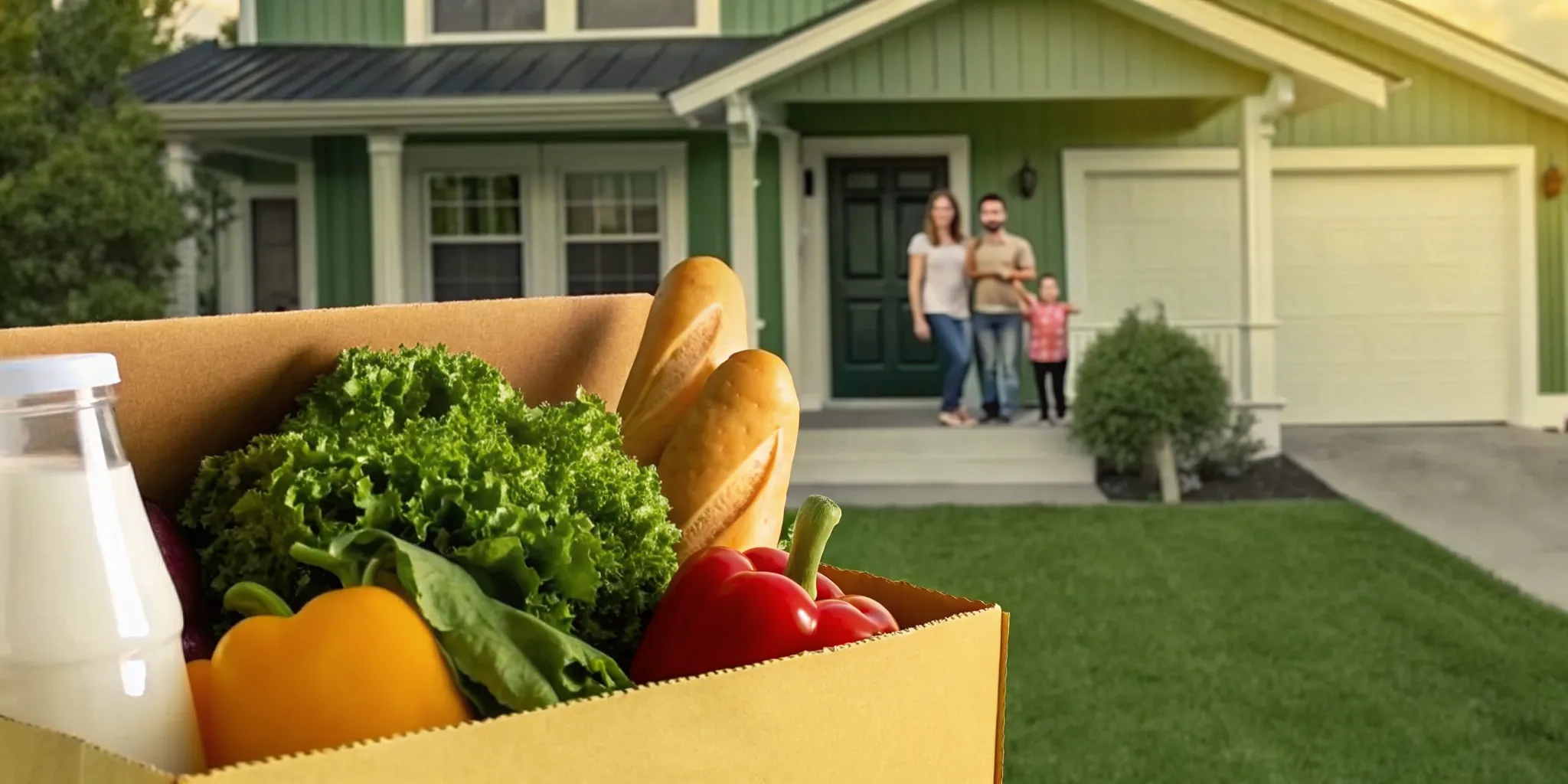
Find the Best Online Grocery Delivery Service for You
Find the best online grocery delivery for your needs with tips on quality, pricing, and convenience. Compare top services and make shopping easier.


The weekly grocery run can feel like a chore you can never quite cross off your list. Online delivery promises a solution, but with so many platforms to choose from, finding the right one can feel like a job in itself. Are you looking for the absolute lowest price, or do you prioritize high-quality, locally sourced ingredients? Do you need groceries in an hour, or would you prefer a predictable, set-it-and-forget-it subscription? Each service caters to a different priority. We’ll explore the pros and cons of the most popular options to help you find the best online grocery delivery service that truly matches your lifestyle.
Choosing an online grocery delivery service is about more than just convenience; it’s about finding a partner that fits your life. With so many options out there, it helps to know what to look for. The right service can free up your time and simplify your routine, while the wrong one can lead to frustration. Before you commit, think about what matters most to you and your family.
First, consider the user experience. The whole point is to save time, so the ordering process should be simple and intuitive. Look for a platform with a hassle-free checkout and the ability to save shopping lists or set up recurring orders for your weekly staples. You shouldn’t have to rebuild your entire cart from scratch every time you shop.
Next, think about quality and selection. You’re trusting someone else to pick your produce and proteins, so you need confidence in their standards. Does the service guarantee freshness? Are they transparent about where their food comes from? Finding a service that prioritizes high-quality, locally sourced groceries can make all the difference in the meals you prepare.
Finally, pay close attention to the delivery model and pricing structure. A reliable, predictable delivery schedule is key to making your week run smoothly. You also want to avoid the sticker shock that comes with hidden costs. While many shoppers worry about high delivery fees, it’s also important to check for service charges or inflated product prices. The best services are upfront about their costs, so you know exactly what you’re paying for: great food, delivered.
If you’re tired of the weekly grocery grind but don’t want to compromise on quality, Tredish might be the perfect fit. It’s a grocery subscription service designed to put your shopping on autopilot, giving you back precious time without sacrificing the fresh ingredients you love. Think of it as outsourcing the most repetitive parts of your grocery list, like stocking up on milk, eggs, chicken, and your favorite produce. Tredish focuses on creating a predictable, reliable system for busy households that value high-quality, Canadian-sourced food.
The whole idea is to replace endless trips to the store with a dependable weekly or bi-weekly delivery you can set and forget. This isn't a typical delivery service where you pay a premium for convenience. Instead, Tredish builds relationships directly with producers and suppliers to cut out the middleman, passing those savings on to you. It’s a smart model that combines the ease of a subscription with fair, transparent pricing. You get the quality you’d choose for yourself, the predictability of a regular delivery, and real savings on your grocery bill, all while supporting Canadian farms and businesses. It's about making your life easier without asking you to lower your standards for the food you eat.
One of the biggest hesitations with grocery delivery is wondering if the quality will be up to par. Tredish tackles this head-on by making freshness a top priority. They earn your trust by delivering produce and proteins you would have selected yourself. By collaborating directly with local vendors and partners, they ensure that what arrives at your door is fresh and delicious. This direct-sourcing model also means they can champion local food systems. With 70% of their products proudly Canadian, you can feel good knowing you’re supporting local producers and getting some of the best ingredients our country has to offer.
Imagine your core groceries just showing up, right when you need them. That’s the "autopilot" promise of Tredish. The service delivers a weekly box that is customized for you, taking the mental load of planning and shopping off your plate. You can trust that your essentials will arrive on a predictable schedule, which makes meal planning and managing your kitchen so much simpler. It’s about more than just convenience; it’s about reclaiming the time and energy you’d normally spend in a busy grocery store. You get to focus on the fun parts of cooking, knowing the staples are already taken care of.
Tredish proves that you don't have to pay more for the convenience of delivery. By removing retail inefficiencies like high rent and in-store operations, they manage to offer prices that are, on average, 25 percent lower than a typical grocery basket. And you won’t find any surprises at checkout. As Tredish puts it, "There are no hidden costs — just savings passed on to you, every week." This isn't a discount service cutting corners on quality. It's a smarter, more efficient model that delivers both value and freshness. Ready to see what you could save? You can create an account to explore their offerings and start building your first box.
If variety is what you’re after, Instacart is a major player in the grocery delivery space. Instead of operating its own warehouse, Instacart partners with a huge network of existing retailers, from big-name supermarkets to specialty stores. This means you can shop from multiple stores you already know and love, all in a single order.
The platform works by connecting you with a personal shopper in your area. This person receives your order, heads to the store, picks out your items, and then delivers them to your door. It’s like hiring a personal assistant for your grocery run. This model gives you access to a massive selection of products because you’re essentially shopping the shelves of local stores. While some services focus on providing a curated selection of high-quality goods for your weekly stock-up, Instacart’s strength is its sheer breadth. If you need to grab items from Loblaws, Staples, and a local pharmacy all at once, you can often do that through their platform. This makes it a flexible option for those one-off shopping trips where your list is long and varied.
One of Instacart’s most useful features is the ability to chat with your shopper in real time as they’re picking your order. If an item on your list is out of stock, you’ll get a notification in the app. From there, you can text back and forth with your shopper to approve their suggested replacement or request a different one. This direct line of communication gives you more control over the final order and helps avoid the disappointment of getting a substitution you don’t want. It’s a hands-on approach that’s great for anyone who likes to have the final say on their groceries.
Where Instacart really shines is its speed. If you’ve ever realized at 4 p.m. that you’re missing a key ingredient for dinner, this is the kind of service that can save the day. Instacart offers same-day delivery, often within a few hours or even less, depending on your location and the time of day. You can choose a delivery window that works for your schedule, making it incredibly convenient for last-minute needs or unexpected grocery gaps. While subscription services are designed to put your regular shopping on autopilot, Instacart is built for on-demand convenience when you need items right away.
Amazon Fresh is a major player in the grocery delivery space, especially if you’re already an Amazon Prime member. Its biggest selling point is speed. If you realize you're out of milk and eggs at noon and need them for dinner, Amazon Fresh aims to get them to your door that same day. This service is built right into the Amazon ecosystem, making it a familiar and convenient choice for millions of Prime subscribers who are used to the platform's quick turnaround times.
Unlike services that focus on curated, locally sourced goods, Amazon Fresh operates more like a massive online supermarket. You’ll find a huge variety of items, from brand-name pantry staples to fresh produce and meats. The experience is less about discovering local gems and more about getting the items you already know and love, quickly and efficiently. It integrates seamlessly with your existing Amazon account, so there’s no need to create a new login or learn a new system. If you value convenience and are looking for a one-stop shop that leverages a membership you might already have, Amazon Fresh is definitely one to consider. It’s designed for those moments when you need groceries fast without having to plan too far ahead.
If you have Amazon Prime, you already have access to Amazon Fresh. It’s one of the many perks included with your membership. The main benefit is the potential for free same-day delivery on eligible orders, which is perfect for last-minute grocery needs. You just log in with your Prime account, fill your cart, and pick a delivery window that works for you. Prime members also get access to exclusive grocery benefits, like special discounts and promotions that aren't available to other shoppers. This integration makes it incredibly simple to start using the service without any extra sign-up steps or fees beyond your annual Prime subscription.
Amazon Fresh offers a wide selection of groceries, covering everything from fresh fruits and vegetables to meat, dairy, and packaged goods. You can find many of the same national brands you’d see in a large supermarket, plus Amazon’s own private-label products. The pricing is competitive, and Prime members can find weekly deals that offer significant savings on rotating items. To add even more value, you can earn 5% back on your purchases if you use the Prime Visa card. While there’s no separate subscription fee for Fresh, keep an eye on order minimums required to qualify for free delivery.
If your top priority is stretching your budget, Walmart+ is a major player in the grocery delivery space. It’s a membership service that combines the convenience of having groceries brought to your door with other perks, like free shipping on a huge range of household items. For families who already do a lot of their shopping at Walmart, this service can be a natural and cost-effective extension of their routine. It’s designed to be a straightforward, accessible option for getting your weekly essentials without leaving home.
Getting started with Walmart+ is pretty simple. The service operates on a subscription model, costing around $98 per year or about $13 if you prefer to pay monthly. The annual plan offers a nice little discount if you’re ready to commit. Because Walmart has such a massive retail footprint across Canada, its delivery service is one of the most widely available options out there. This makes it a go-to choice for many people, especially those living outside of major downtown cores where other services might not deliver. It’s a reliable option if you’re looking for broad accessibility and predictable pricing.
One of the biggest draws of a Walmart+ membership is the free delivery, but it’s important to know the details. For grocery orders, you’ll need to hit a $35 minimum to get your items delivered at no extra charge. This is a fairly standard threshold that’s easy to meet with a weekly shop. A great added perk is that the membership also includes free shipping on other items from Walmart.ca with no minimum purchase required. Before you sign up, it’s always a good idea to enter your postal code on their website to confirm they deliver to your specific address, as service areas can vary.
The convenience of getting groceries delivered is amazing, but it's important to know what you're actually paying for. The price you see in your cart isn't always the final number. Hidden costs like membership subscriptions, service fees, and even item markups can add up fast. To make a smart choice, you need to look beyond the advertised price and understand the complete cost of each service. Let's break down the common fees so you can find a service that truly fits your budget.
Many grocery delivery platforms operate on a subscription model. You pay a monthly or annual fee for access to the service, which often includes benefits like free delivery on orders over a certain amount. For example, services like Walmart+ and Shipt have annual fees around $100. While this can be a great deal if you order frequently, it's an upfront cost to consider. Before you commit, do a quick calculation. Think about how often you plan to order groceries and see if the membership fee is less than what you'd pay in per-order delivery fees over the year. Some people find these delivery service options save them money in the long run.
Even with a membership, you might still encounter extra charges. Delivery fees can vary based on how quickly you want your order, and service fees are often added to cover the platform's operational costs. On top of that, it's customary to tip your shopper or driver. These small amounts can easily add an extra $10 to $15 to your bill. For instance, some services charge a delivery fee of around $10 plus a tip. It's a good idea to go through a mock checkout process to see the full breakdown of charges before placing your first order. This will give you a clear picture of the best grocery delivery practices and prevent any surprises on your receipt.
This is one of the sneakiest costs of grocery delivery. Some services or their partner stores increase the price of individual items for online orders. A carton of milk might cost a dollar more, or that weekly in-store sale on chicken might not apply to your online cart. These small markups can quickly cancel out any savings from a "free delivery" offer. A simple way to check for this is to pick five or six items you buy every week. Compare their prices on the delivery app to the prices at your local store. This little bit of homework can show you the true cost and help you find a service with fair, transparent pricing.
Choosing a grocery delivery service is about more than just getting food brought to your door. It’s a decision that balances your time, budget, and desire for quality. Each service offers a different mix of these elements, so what works perfectly for your neighbor might not be the right fit for you. To make the best choice, it helps to look at the core trade-offs you’ll be making. We’ll break down the big three: the convenience you gain versus the control you give up, how product quality stacks up between services, and what really happens when an order doesn’t go as planned. Thinking through these points will help you find a service that genuinely makes your life easier.
Let's be honest, the biggest selling point for grocery delivery is convenience. Getting back those hours you’d normally spend wandering aisles is a huge win. But that convenience often comes at a price, and not just in dollars. You’re handing over control of picking your produce and checking expiration dates. The financial side is also a major factor. Most services have delivery fees, service charges, or even slightly higher prices on individual items to cover their costs. The real question to ask yourself is what you value most. Are you willing to pay a bit more and trust someone else to get your order right in exchange for more free time? Or do you prefer the hands-on control and potential savings of shopping for yourself?
Not all groceries are created equal, and the quality you receive can vary dramatically depending on the service you choose. Some platforms send a personal shopper to your local supermarket, so you’re getting the same products you’d pick yourself. Other services, like Tredish, operate differently by connecting you directly with Canadian farmers and food producers. This model cuts out the retail middlemen, which often means you get fresher, top-quality groceries at a better price, sometimes with savings around 25%. When you’re comparing options, think about whether you want access to a specific local store’s inventory or if you’d prefer a curated selection of high-quality, locally sourced goods.
Even with the best service, mistakes can happen. An order might arrive with a missing item, the wrong product, or produce that isn’t quite up to your standards. One of the most common frustrations is getting endless texts about out-of-stock items and questionable replacements. According to consumer surveys, these issues, combined with high delivery fees, are top complaints. A great service isn’t just one that gets the order right most of the time; it’s one that makes it easy and stress-free to fix things when they go wrong. Before you commit, it’s worth looking into a company’s customer service policies and reviews to see how they handle these inevitable bumps in the road.
Getting your groceries delivered is a huge time-saver, but you also want to make sure you’re getting a great price. The good news is that most online grocery services offer ways to save, especially when you’re just getting started. Being a smart shopper means knowing where to look for these deals. From welcome offers that give you a discount on your first purchase to loyalty programs that reward you for sticking around, a little research can lead to significant savings on your weekly grocery bill. Think of it as the digital version of couponing, but way less work.
Nearly every grocery delivery service has an introductory offer to encourage you to give them a try. These often come in the form of a percentage off your first order, free delivery, or a free trial of their membership program. It’s a fantastic, low-commitment way to test out a service and see if it fits your family’s needs. For example, when you create an account with Tre’dish, you get a free premium product with your first order. This lets you sample the high-quality, Canadian-sourced groceries we’re known for while seeing just how easy it is to put your shopping on autopilot.
The savings don’t have to stop after your first order. Many services have referral programs that give you and a friend a credit when they sign up using your link. Beyond that, look for loyalty perks that reward you for being a regular customer. Some services offer exclusive deals through their app, while others, like Tre’dish, build savings right into their model. By working directly with local farms and producers, we cut out the retail markups. This means you get fair, transparent pricing every week without having to hunt for deals. Our model also includes weekly rewards and limited drops that add extra value to your subscription.
Accessibility is important, and many grocery delivery platforms offer discounts for customers who use government assistance programs. In the United States, services frequently provide half-price memberships for SNAP recipients, making delivery a more affordable option. If you receive benefits from a provincial social assistance program in Canada, it’s worth checking with different grocery services to see if they offer similar discounts. These programs aren't always advertised on the homepage, so you might need to check the FAQ section or contact customer support to find out what savings you’re eligible for.
Grocery delivery is a fantastic tool for busy households, but let's be honest, it isn't always a seamless experience. We’ve all been there: waiting for a delivery that’s hours late, unpacking bags to find a key ingredient missing, or staring at a receipt that’s way higher than you expected. These little frustrations can add up, making you wonder if the convenience is even worth it.
The good news is that you can avoid most of these headaches by being a savvy shopper and choosing a service that aligns with your priorities. Understanding the common pitfalls is the first step. From unpredictable arrival times and surprise fees to getting a bizarre substitution for your favourite snack, many of these issues stem from the delivery model itself. But don’t worry, for every problem, there’s a solution that can help you get back to enjoying the ease of groceries arriving at your door.
There’s nothing more frustrating than planning your evening around a grocery delivery, only to have the window come and go. Late arrivals and missing items can throw off your whole schedule, especially when you’re counting on that chicken for dinner. These issues often happen with services that rely on gig workers who may be juggling multiple orders or facing unpredictable traffic. Store inventory systems that aren't updated in real time can also lead to items being marked as available when they’re actually gone.
To solve this, look for services that offer predictable, scheduled delivery slots. A subscription model often provides more reliability because your order is part of a planned route, not a last-minute dash. This structure helps reduce the challenges with online grocery shopping that come with on-demand services.
You’ve carefully filled your cart, stuck to your budget, and then you get to the checkout. Suddenly, your total has jumped thanks to a collection of extra charges: delivery fees, service fees, heavy-item fees, and even suggested tips. These costs can quickly turn a good deal into an expensive order. High delivery fees are one of the biggest reasons shoppers feel hesitant about ordering online.
The best way to handle this is to choose a service with transparent, all-in pricing. Before you commit, read the fine print to understand exactly what you’re paying for. Some subscription services bundle all the costs into one recurring payment, so you always know what to expect. This approach lets you budget effectively without any end-of-order surprises.
You ordered organic strawberries, but you received conventional ones. Or you needed gluten-free bread, and it was simply marked "out of stock" with no replacement. Bad substitutions and unavailable items are common complaints, often caused by the disparity between online and in-store inventory. When a personal shopper is grabbing items from a busy supermarket, they’re at the mercy of what’s left on the shelves.
To get more control, use services that let you chat with your shopper in real time to approve or reject swaps. You can also leave detailed notes on your items. Alternatively, consider a service that sources directly from producers. This can lead to a more reliable inventory for a curated selection of goods, meaning the farm-fresh produce you ordered is far more likely to be what you actually receive.
A little planning can go a long way in making your grocery delivery experience consistently great. By adopting a few simple habits, you can minimize issues and make sure you’re getting the most value and convenience from the service you choose. Retailers are always working on ways to win over online shoppers, but you can also take steps to improve your own experience.
Here are a few tips:
Choosing the best online grocery service really comes down to what you value most. With so many Canadians now ordering groceries online, the options can feel a little overwhelming. The perfect service for your friend might not be the right fit for you. To figure it out, ask yourself a few key questions about your shopping style, budget, and priorities. Are you looking for ultimate convenience, the lowest price tag, or the freshest, highest-quality ingredients? Your answers will point you in the right direction.
First, think about what you need from a delivery service. If your main goal is to get groceries delivered ASAP for a recipe you're making tonight, a service like Instacart might be your go-to. But if you're looking to put your weekly staples on autopilot and save precious time planning, a subscription model like Tre’dish is designed for exactly that. It’s less about last-minute runs and more about creating a predictable, reliable routine. This approach helps you outsource the repetitive parts of grocery shopping so you can focus on other things.
Next, let's talk about cost. It's no secret that extra fees can be a major turn-off; in fact, high delivery fees are the most common complaint among online shoppers. Some services charge per delivery, while others have monthly or annual memberships. It’s important to look at the total cost, not just the price of a carton of milk. Services like Tre’dish focus on fair, transparent value by working directly with producers to lower your overall basket cost, helping you save about 25% on average without surprising you with hidden service fees at checkout.
Finally, consider the quality of the food you want to eat. Do you prioritize fresh, locally sourced produce and proteins? If so, you’ll want a service that shares those values. While many services act as a middleman for big-box stores, Tre’dish builds relationships directly with local vendors and partners to bring high-quality, often Canadian-made, groceries right to your door. If you’re the kind of person who trusts your own judgment when picking out produce, finding a service that delivers that same level of quality is key.
What’s the real difference between a subscription service and an on-demand one? Think of it like this: on-demand services like Instacart are perfect for emergencies or one-off shopping trips when you need something right now. A subscription service, like Tredish, is designed to automate the most predictable parts of your weekly grocery run. It puts your staples on a recurring schedule, which saves you the mental energy of building a shopping list from scratch every week and ensures your essentials just show up when you need them.
How can I trust someone else to pick my fresh produce and meat? This is probably the biggest hurdle for most people, and it's a valid concern. The key is to look for a service that makes quality its main priority. Some services build their entire model around sourcing directly from high-quality farms and producers. This often means they have higher standards for freshness than a personal shopper who is just grabbing what's available on a supermarket shelf. Reading reviews and looking for a freshness guarantee can also give you peace of mind.
Are grocery delivery services actually more expensive than shopping in-store? They don't have to be, but you need to be a savvy shopper. Some platforms have hidden service fees or mark up the prices of individual items, which can quickly make your order more expensive. To avoid this, look for a service with a transparent pricing model. Some subscription services can even save you money by cutting out the retail middleman, passing those savings directly on to you without surprise charges at checkout.
Why should I care if my groceries are sourced from Canada? Choosing Canadian-sourced groceries is about more than just national pride; it often translates to better quality and freshness. When food travels a shorter distance from the farm to your table, it spends less time in transit and retains more of its flavor and nutrients. Plus, you're supporting local farmers and contributing to a more sustainable food system right here in our communities.
What's the best way to try a service without a big commitment? Almost every service offers an introductory deal to get you started. Look for first-time order discounts, free delivery offers, or even a free premium product with your first box. These promotions are designed to let you test the waters without risk. It's the perfect way to see if the user experience is simple, if the food quality meets your standards, and if the delivery schedule works for your life before you commit to a full membership.